










Why Do Some Solar Power Systems Include A Battery?

Published on: 24 January 2023 Last Updated on: 31 July 2024
Solar Power Systems Include A Battery

When you go to purchase a solar power system, you will find a variety of options. Some will include a battery. Others will not. The battery can either be a battery that stores the energy of the sun, one that stores the power of the wind, or a combination of the two.

Lithium-Ion Batteries
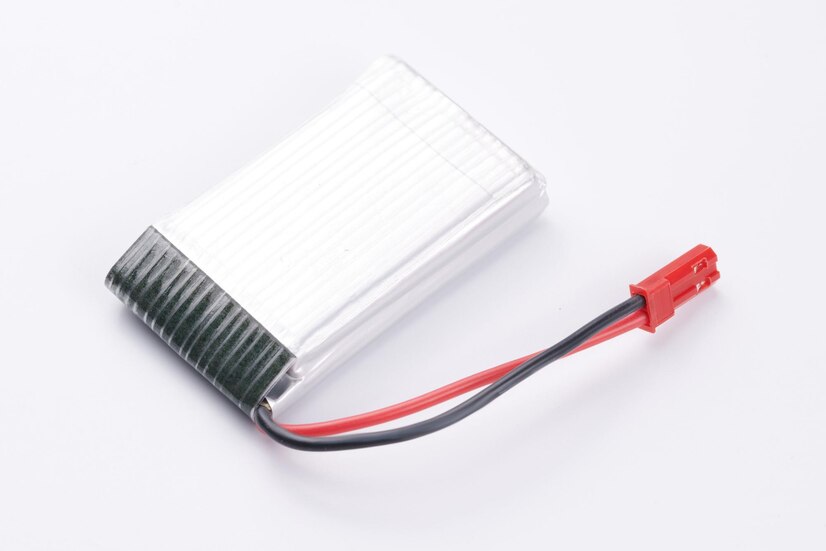
Lithium-Ion Batteries

Lithium-ion batteries are a type of rechargeable battery that provides more storage capacity without taking up more space than lead-acid batteries. These types of batteries are useful for off-grid power stations. They have high charging and discharging efficiencies and long service life.

However, lithium batteries do have their limitations. These include the potential to catch fire. Furthermore, the battery’s lifespan depends on how deep it is charged. This is known as the Depth of Discharge or DoD.

Most lithium solar batteries have a DoD of about 95%. While this means that the battery can be safely used for more than ninety percent of its total capacity, it also means that the battery will need to be recharged every so often.

In addition, lithium-ion batteries are generally more expensive than lead-acid batteries. Depending on how many batteries you want to purchase, it can cost from $5,000 to $15,000. To make up for the higher cost, there are federal tax credits available.

Compared to lead-acid batteries, lithium-ion solar batteries have a longer lifetime. Lead-acid batteries have a short lifespan, usually around five years. On the other hand, lithium batteries can last for twenty years or more. A properly installed lithium ion solar battery will have a very low risk of thermal runaway.

The round-trip efficiency is another characteristic of a lithium-ion battery. It is the difference between how much energy is used to charge the battery and how much is left when the battery is fully charged. Generally, lithium batteries have a round-trip efficiency of between 90 and 95 percent.

Some lithium solar batteries require three stages of charging. The first stage charges the battery until it is about 90 percent full. This is done by using a voltage regulator charge controller. At this point, the battery begins to drain the amperage.

The second stage of charging is where the battery is charged for a short period of time until the amperage is nearly full. If you use a store charger, this will increase the discharge rate. Because of the sensitivity of the battery to temperature, it is advisable to choose a battery that is designed for cold or warm weather conditions.

Lithium-ion batteries are generally more forgiving than lead-acid batteries. However, they may still need to be replaced in the future. Therefore, it is important to look for a company that has an excellent track record of customer satisfaction.

Another important consideration is the warranty. Ideally, you should be able to buy the battery with a warranty that guarantees the specific capacity of the battery. The warranty should also state how many cycles and years of good performance it can provide.

Choosing the right battery for your solar panel system is dependent on many factors. You will need to consider the frequency of discharging, the amount of available space, and the installation method.

DC Coupling

DC coupling in solar power systems is the process by which electricity generated by photovoltaic panels is routed directly into the batteries of an energy storage system. This can help reduce the overall Levelized cost of energy (LCOE) and provide increased energy independence. In addition, it eliminates the need for a second inverter or additional controls.

One of the main benefits of using a DC-coupled system is that it is more efficient. With an AC-coupled system, each DC output of a PV module must be converted to AC, resulting in efficiency losses. When the dc output of the PV modules is directly tied to the battery of an Energy Storage System, it is possible to maximize the amount of solar-generated electricity fed into the grid.

While an AC-coupled system can be a viable option for some applications, a DC-coupled system is preferred for most projects. The reason is simple. These systems are easier to install and operate. They are also slightly more efficient than their AC counterparts. For this reason, they are considered the best choice for new solar+ storage installations.

There are a variety of factors to consider when deciding between an AC and DC-coupled solar system. The specifics of a particular project will play a big role in this decision.

However, one important factor is interconnection costs. Using the same inverter to charge and discharge your battery system can decrease the cost of the installation. Also, co-locating your assets will reduce the cost of land acquisition and permit applications.

Another benefit of adding a battery bank to your PV system is that it can allow you to take advantage of tax credits. As a result, you can end up with a completely self-sufficient home. You will be able to store excess energy for use during periods of inclement weather or in the evening when the solar panels are no longer producing.

DC coupling is a promising development in the field of energy storage. It is a newer system architecture that can increase the efficiency of an Energy Storage System. Unlike the AC counterpart, a DC-coupled system has direct current wiring. This allows for faster, simpler installation. Furthermore, the systems can be expanded.

Inverters used in DC-coupled systems are usually smaller than those used in AC-coupled systems. Because of this, DC-coupled systems may be more suitable for residential or small commercial applications. Those that are more than 6kW will require multiple strings of solar panels. If you need more than a few kilowatts of energy, you will need to invest in MPPT solar charge controllers.

As more utilities and solar developers begin to develop DC-coupled solar+storage solutions, the industry is expected to become more mainstream. The technology has the potential to lower the cost of implementing solar+ storage projects and will make the energy storage market more competitive.

Hybrid Systems
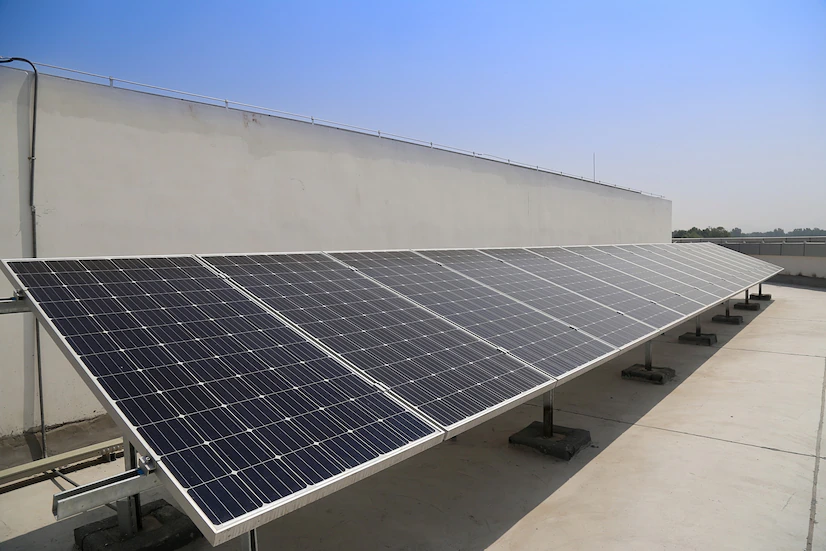
Hybrid solar power systems

Hybrid solar power systems offer a number of benefits over traditional solar systems. One of the biggest advantages is the ability to store energy in your own home. This is especially beneficial when the weather is cloudy or when the sun isn’t shining.

Hybrid power systems can work alone, but they also work when connected to the grid. They allow you to store extra electricity in your battery and then return it to the grid at peak hours for high-value credits. The most efficient hybrid system will use a basic inverter that controls the flow of power into the battery.

Another major benefit of a hybrid system is its capability to store and provide power in case of an outage. While a traditional grid system does not have the battery backup capacity to keep your lights and appliances running during a power outage, a hybrid power system can do just that.

There are a number of components that go into making a hybrid system. These include batteries, an inverter, a combiner box, and a solar panel. Each of these items can be used to improve the efficiency of your system, which translates into lower costs and a longer lifespan.

A hybrid solar system is especially appealing to consumers in areas that are prone to losing power for long periods of time. These systems can be a great way to cut down on your energy costs and help protect your house from future rate hikes. Also, a hybrid power system can be more environmentally friendly than a system fueled by fossil fuels.

Most hybrid systems will use lithium-ion batteries as the main source of energy. Lithium-ion batteries are capable of holding more energy and have more capacities than lead-acid or other types of batteries.

While a hybrid system may be a bit more expensive than a purely on-grid system, it is still much cheaper than an off-grid system. In addition, some utilities do not have retail rates for solar electricity. Even with a small solar array, you can save up to two-thirds of your electric bill.

Another big advantage of a hybrid system is the fact that you will get credit for the amount of electricity you produce. Some utilities have net metering policies, which allow you to buy back excess energy from the grid for a higher rate than you pay for the actual electricity. Depending on your area, you may be eligible for a federal rebate.

For example, the Federal Investment Tax Credit is available through 2022, which will allow you to reduce the cost of your solar power installation by up to 30%. Moreover, in 2022 or 2023, the federal tax credit for solar power projects will be extended, which will further decrease the price of a hybrid system.

Read Also:

Abdul Aziz Mondol is a professional blogger who is having a colossal interest in writing blogs and other jones of calligraphies. In terms of his professional commitments, he loves to share content related to business, finance, technology, and the gaming niche.

View all posts

Leave a Reply

Your email address will not be published. Required fields are marked *

Related

Heat Pump

What Size Heat Pump Should I Buy for a Swimming Pool?

A swimming pool is a great addition to any home, providing a place to relax and exercise in the comfort of your own backyard. However, keeping a pool at the desired temperature can be expensive, especially in areas with extreme temperatures. This is where a heat pump for a swimming pool can be a great solution. A heat pump for a swimming pool works by transferring heat from the air to the water, thereby heating the pool without the need for traditional heating methods such as gas or electric heaters. The Size of the Heat Pump When it comes to choosing a heat pump for a swimming pool, the most important factor to consider is the size of the unit. The size of the heat pump will determine its effectiveness in heating your pool, as well as its energy efficiency and overall cost. Desired Temperature To determine the size of the heat pump you need, you will need to consider several factors, including the size of your pool, the desired temperature, and the climate in your area. The general rule of thumb is to choose a heat pump that is capable of heating the pool to the desired temperature in one hour. This means that if you have a 20,000-gallon pool and want to heat it from 60°F to 80°F in one hour, you will need a heat pump with a heating capacity of 20,000 BTUs per hour. Climate The climate in your area also plays a significant role in choosing the right heat pump. In areas with mild climates, a smaller heat pump may be sufficient, as it will not have to work as hard to maintain the desired temperature. However, in areas with extreme temperatures, a larger heat pump may be necessary to effectively heat the pool. Additionally, the type of pool cover you use can also affect the size of the heat pump you need, as a cover helps to retain heat and reduce heat loss. Energy Efficiency Another factor to consider is the energy efficiency of the heat pump. A more energy-efficient heat pump will use less electricity and cost less to operate. Look for heat pumps with high Seasonal Energy Efficiency Ratings (SEER) and Energy Efficiency Ratings (EER) to determine their efficiency. Cost In addition to choosing the right size and energy efficiency, it is important to consider the cost of the heat pump and installation. While larger heat pumps may have a higher initial cost, they may be more cost-effective in the long run due to their energy efficiency and ability to heat the pool more effectively. On the other hand, smaller heat pumps may be more affordable upfront, but may not be as effective in heating the pool and may result in higher energy bills. When it comes to installing a heat pump for a swimming pool, it is important to work with a professional. A professional can ensure that the heat pump is properly installed and maintained, and can also advise on the best type and size of heat pump for your pool and climate. In conclusion, choosing the right size heat pump for a swimming pool is essential for effective heating and energy efficiency. Consider the size of your pool, desired temperature, climate, energy efficiency, and cost when selecting a heat pump. Additionally, work with a professional to ensure proper installation and maintenance. With the right heat pump, you can enjoy a warm and comfortable swimming pool without the high costs associated with traditional heating methods. Additional: The Many Uses of Industrial Vacuum Ovens Risks of Imbalanced Swimming Pool Chemistry Car Wont Start After Getting Gas – How To Fix This Problem? Swimming Pool Cleaning and Maintenance: Cheap Online Pool Supplies

READ MOREDetails
Solar Incentives

What Are Solar Incentives?

In a bid to put an end to global warming, more and more technological inventions are tilting towards promoting the sustenance of the environment; which is practically the main reason why the solar panels are invented as a means of producing electricity in the first place. To get more people on board to subscribe to this new means of producing power, measures were put in place; in which one of them is to allow the owners of the solar panels to enjoy certain privileges, which are loosely called Solar Incentives. So you ask, What Are Solar Incentives? This is a measure put in place to ensure that owners of the solar panels enjoy certain benefits, just by installing and using the product. These solar incentives have led more people to subscribe to the idea of installing and using the panels for their homes and business; because not only is it profitable to the environments, it is also profitable to their finances in the long run. The following are some of the Solar Incentives there is: 1. Solar Investment Tax Credits: Of all solar incentives available, this is the one that is commonly known. In this case, Solar owners benefit by having the privilege, as made possible by the federal government, to take out a portion of the cost of the solar panels from their taxes. What that means is that the cost of the system is being subsidized by a certain percent, from your taxes. The common investment tax credit percent is 30% of the cost of the solar panel system. Enticing isn’t it? So, if the solar panel system costs $10,000, you are only paying 70% of that amount, with the remaining 30% already footed for from your taxes. The only twist to this is that to be able to claim the investment tax credit, your taxable income should be higher or equivalent to the investment tax credit. 2. State Tax Credit: This is basically similar to the federal investment tax credit, only that this time, a small portion of the cost of the solar panel system can be deducted from your state tax bill, relieving you of some costs that would have been invested in purchasing of the solar panel system. The only twist to this is, unlike the federal tax credit, this is not applicable to all states; only residents of some states are privileged to enjoy this package. For those that could enjoy this package, they could end of saving about 50% of the cost of the solar panel, making it easier for them to purchase the solar panel system and enjoy its benefits. 3. Solar Renewable Energy Certificates (SREC): The New Jersey’s Solar Renewable Energy Certificates (SREC) program have made it possible for residents in new jersey that have acquired and installed the solar panel system to enjoy a special kind of solar incentives called certificates – though this is not exclusive to new jersey alone. You may be asking, what are Solar Renewable Energy Certificates? These are a type of solar incentive that allows owners of a solar system to sell the certificates to their utility. By standard, if you can generate 1000 kilowatts hours (kWhs) from your solar system, you are eligible to get one SREC; and an SREC is worth at least $300. Now imagine how much that figure can rise up to if you can make 6000 kilowatts hours. Let me just leave you to do the mathematics yourself. If you were once unsure about purchasing a solar panel, this should make you change your mind. 4. Net Metering: It is common knowledge that some owners of the solar panel system produce more than they can consume, in which they decide to store the overflow in an On-site battery. What if I tell you that instead of storing that in an on-site battery, you can sell to your local utility company and get returns which can be used to foot other bills. Amazing deal, isn’t it? I can bet you think it is. That’s basically what Net Metering is all about. So in days, you create more electricity beyond what you can consume with your solar panel system, instead of hoarding it in your battery, you are given another opportunity to get returns for it. Think about the future energy bills and other bills you can foot by selling excess power produced by your system. 5. Cash rebates: These are basically cash backs for the owners of the solar panel systems. It could come from different parastatals – like the government, utility company etc. – that are concerned about promoting the use of solar energy. This could also help subsidize the cost of the solar system. With the aforementioned solar incentives available, the idea of investing in the purchase and installation of a solar panel system is becoming more appealing. What are Solar Incentives? I hope this article has done justice to answering that question. Read Also: Prepare Your Solar Panels For The Fall Everything You Need To Know About Portable Solar Power What You Should Know About Solar Energy For Schools: Benefits, Expectations, And More

READ MOREDetails
Water Management

Small Business, Big Sustainability: Navigating The Future Of Energy And Water Management

Small businesses have always faced challenges when it comes to managing their energy and water consumption. However, with the increasing pressure to reduce our carbon footprint and the rising costs of utilities, it has become more important than ever for small businesses to take control of their energy and water usage. In this article, we will discuss the future of energy and water management for small businesses and what steps can be taken to reduce costs and become more sustainable. Measure your usage The first step in effective energy and water management for small businesses is to measure usage. This is done by installing smart meters, which provide real-time data on energy and water consumption. A half hourly meter will automatically split your energy consumption, with no manual reading required. This data can be used to identify patterns and trends in usage, which can help small businesses make informed decisions about how to reduce their consumption. Smart technology The future of energy and water management for small businesses lies in the use of smart technology. Smart technology, such as IoT (Internet of Things) devices, can be used to automate and optimize energy and water usage. For example, smart thermostats can adjust temperature settings based on occupancy patterns, and smart lighting can adjust brightness levels based on natural light levels. These devices can be controlled remotely, which means small business owners can monitor and adjust usage even when they are not on-site. Related: Best Paying Jobs In Energy Renewable energy Renewable energy sources will also play a key role in the future of energy and water management for small businesses. Small businesses can install solar panels, wind turbines, or hydroelectric generators to generate their own energy. These systems can be connected to the grid, which means any excess energy generated can be sold back to the utility company. Renewable energy sources are becoming more affordable and accessible, which means small businesses can now invest in them without breaking the bank. Water management Water management is another important aspect of energy and water management for small businesses. Small businesses can install low-flow fixtures and toilets, which can reduce water consumption by up to 30%. Water-efficient appliances, such as dishwashers as well as washing machines, can also be used to reduce water usage. Small businesses can also install rainwater harvesting systems, which collect rainwater from rooftops and store it for later use. This water can be used for irrigation, flushing toilets, or even drinking if properly treated. Water recycling systems In addition to these measures, small businesses can also implement water recycling systems. Greywater, which is wastewater from sinks, washing machines, and showers, can be reused as well as treated for non-potable uses, including irrigation or flushing toilets. Blackwater, which is wastewater from toilets, can also be treated and reused, although this requires more advanced treatment systems. Government incentives Small businesses can also take advantage of government incentives and programs to reduce their energy and water usage. For example, there are tax credits available for businesses that install renewable energy systems or energy-efficient appliances. Some utility companies also offer rebates for businesses that implement energy and water-saving measures. The future of energy and water management for small businesses lies in the use of smart technology, renewable energy sources, and water-saving measures. Small businesses can use smart technology to measure and optimize their energy and water usage, while renewable energy sources can be used to generate clean, affordable energy. Water-saving measures can also be implemented to reduce water usage and promote sustainability. With government incentives and programs available, small businesses can take advantage of these opportunities to reduce costs, improve their bottom line and become more sustainable. By taking action today, small businesses can ensure a brighter, more sustainable future for themselves and for generations to come. Read Also: Is Energy A Good Career Path? – A Detailed Guide Unleash The Benefits Of Choosing The Right Water Provider 8 Things To Consider When Purchasing A Water Tank Online

READ MOREDetails