








Understanding the Functionality and Applications of Thermal Sensors: The Ultimate Guide

by

03 November 2025

Blog

Thermal sensors

The Science Behind Thermal Sensors: How They Work

Temperature Measurement Demystified

At the core of our understanding of thermal sensors is temperature measurement a fundamental concept in science and engineering. Temperature is the measure of thermal energy within a given system, influencing various physical and chemical properties of materials. It has profound implications in different fields, including engineering, healthcare, and environmental science. Thermal sensors operate on the principle of converting thermal energy into measurable electrical signals, allowing for accurate temperature readings that are vital for monitoring and control systems. Thermodynamics and heat transfer govern their functioning, marking them as pivotal instruments in both industrial and consumer applications.

Thermal sensors can be broadly categorized based on how they measure temperature: contact and non-contact sensors. Contact sensors, like thermocouples and resistance temperature detectors (RTDs), require direct contact with the substance they measure. In contrast, non-contact sensors, such as infrared thermometers, detect temperature by capturing the infrared radiation emitted from an object. This fundamental differentiation significantly impacts their application, efficiency, and response time, showcasing the need for precise selection based on the context of usage.

The Role of Thermocouples and RTDs

Thermocouples and Resistance Temperature Detectors (RTDs) are two primary types of contact thermal sensors recognized for their reliability and effectiveness. Thermocouples consist of two different conductive materials joined at one end. When the junction experiences a temperature change, it generates a voltage that can be correlated to the temperature difference. Their wide temperature range, exceptional durability, and rapid response make them the preferred choice in extreme environments, such as in industrial processing and aerospace applications.

On the other hand, RTDs operate based on the principle that a material’s electrical resistance varies with temperature. Typically made of pure metals, RTDs offer superior accuracy and repeatability compared to thermocouples, albeit at a higher cost and slower response time. The versatility of RTDs makes them suitable for a broad range of applications, including food processing, HVAC systems, and laboratory experiments. Both devices exemplify how different mechanisms can achieve similar objectives, yet their suitability will depend on specific operational requirements temperature range, environment, and accuracy.

Understanding Infrared Sensors and Their Unique Capabilities

Infrared (IR) sensors represent a fascinating advancement in thermal sensor technology. These non-contact sensors measure temperature by detecting the infrared radiation that objects emit as a function of their thermal energy. This approach allows for safe and instant temperature readings from a distance, which is particularly invaluable in situations where traditional sensors would pose risks, such as in hazardous environments or for moving objects.

IR sensors extend beyond simple measurements; they harness sophisticated algorithms and optical systems to differentiate between various temperature profiles, enabling the operator to detect hotspots or temperature anomalies promptly. Applications in fields such as firefighting, electrical engineering, and medical diagnostics demonstrate their versatility. For instance, spotting an overheating electrical component before a system failure can prevent costly downtimes or accidents, while in healthcare, they can facilitate the quick assessment of body temperatures, crucial in managing infectious diseases.

Innovative Applications of Thermal Sensors Across Industries

From Automotive to Aerospace: A Thermal Revolution

The automotive industry is undergoing a dramatic transformation driven by advances in thermal sensing technology. With the inception of electric vehicles (EVs) and autonomous driving systems, ensuring optimal thermal management has become paramount. Thermal sensors monitor battery temperatures, preventing overheating and maximizing efficiency to enhance both safety and performance. The synergy between thermal sensors and battery management systems is central to extending the lifespan of lithium-ion batteries, correcting thermal imbalances, and optimizing charging cycles.

Equally pertinent, the aerospace sector employs thermal sensors for a plethora of applications including engine monitoring, structural health assessments, and environmental control systems in aircraft. The ability to maintain precise temperature metrics during flight operations is essential, considering the drastic temperature fluctuations experienced at high altitudes. Advanced thermal sensors are integrated into systems to ensure that safety thresholds are not breached, thus reinforcing the reliability and performance of modern aircraft.

Healthcare Innovations: Monitoring and Diagnostics

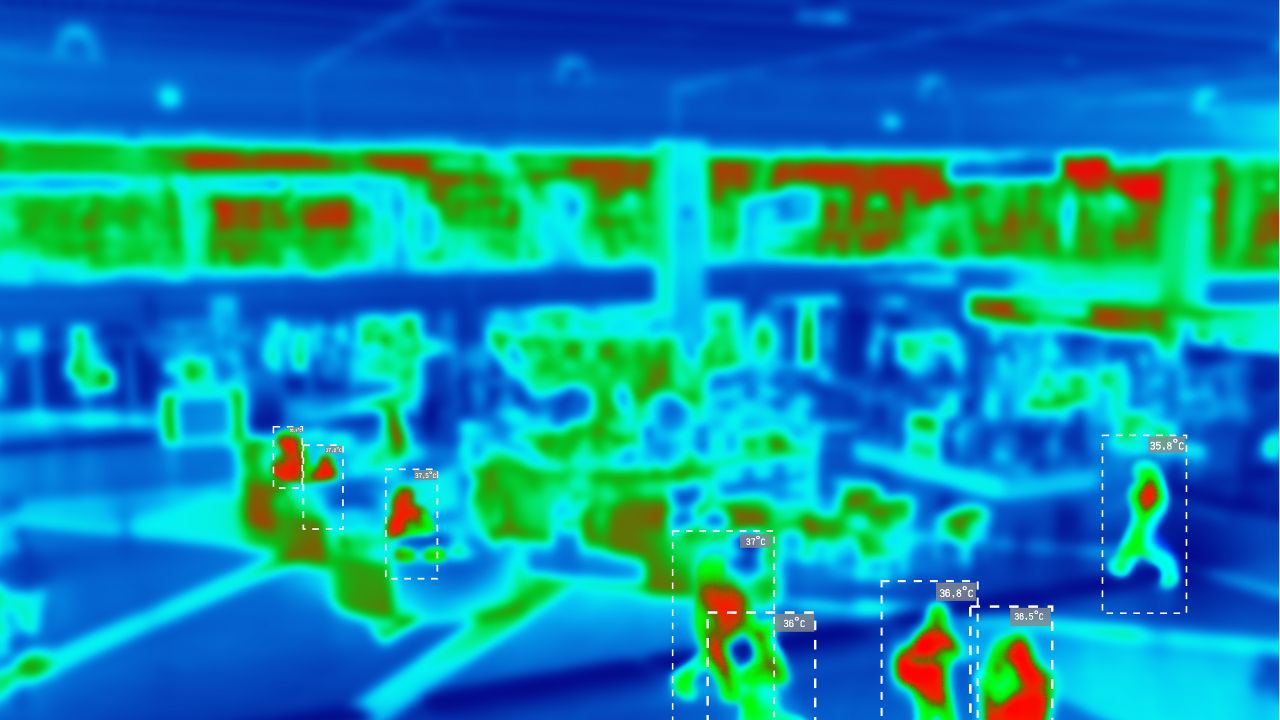
Healthcare has witnessed a significant infusion of thermal sensor technology, fundamentally reshaping patient monitoring and diagnostic practices. Continuous temperature monitoring is critical in determining fever thresholds and managing infectious diseases, while IR thermometers have transformed the efficiency of measuring body temperatures in clinical settings. The COVID-19 pandemic catalyzed the widespread adoption of non-contact thermal sensors in hospitals and public spaces, showcasing their ability to rapidly screen individuals for elevated temperatures.

Moreover, wearable thermal sensors have emerged as game-changers in personalized health tracking, allowing for continuous assessment of vital signs and enabling data-driven interventions. The integration of these sensors in home healthcare devices is not only improving patient outcomes but also facilitating remote health monitoring, thereby significantly reducing the burden on healthcare systems. As more sophisticated technology enters the fray, the potential for thermal sensors in diagnostics and real-time patient monitoring continues to expand, promising innovations that were once the domain of futuristic fiction.

Smart Homes and IoT: The Future of Temperature Control

As smart home technology proliferates, thermal sensors have become an integral part of Internet of Things (IoT) ecosystems. These sensors drive energy efficiency by enabling smart thermostats to optimize heating and cooling systems based on real-time temperature readings. Homeowners can achieve significant cost savings and enhance comfort levels through automatic adjustments that respond to fluctuations in indoor and outdoor temperatures.

Additionally, thermal sensors in security systems enhance safety by detecting changes in temperature that may indicate fires or unauthorized access. By integrating with smart home platforms, these sensors offer an unprecedented level of control and insight, allowing users to monitor their environments through mobile applications. As smart technologies evolve, the intersection of thermal sensing and IoT will likely lead to even more refined home automation systems, personalized climate control, and enhanced energy management strategies.

Choosing the Right Thermal Sensor for Your Needs

Key Factors to Consider for Optimal Performance

Selecting the appropriate thermal sensor for a specific application necessitates careful consideration of several factors. The first aspect to evaluate is the operational environment, as conditions such as humidity, electromagnetic interference, and potential exposure to corrosive substances can affect sensor performance and longevity. For instance, a high-precision RTD might be indispensable in laboratory environments, while a rugged thermocouple may be better suited for high-temperature industrial processes.

Moreover, one must consider the required temperature range and the precision level indispensable for the application’s success. Different sensors have varying ranges with certain models optimized for extreme temperatures, while others excel in standard ranges. Additionally, resolution and accuracy are paramount often expressed in terms of Linear Measurement Accuracy (LMA) which details how accurately a sensor can measure a given temperature. Taking into account these technical specifications ensures that the thermal sensor will deliver reliable results, thus fulfilling operational requirements efficiently.

Comparative Analysis: Passive vs. Active Sensors

In the realm of thermal sensors, a fundamental distinction exists between passive and active sensors. Passive sensors, such as thermistors, generate signals based solely on their ambient temperature, making them typically less complex and cost-effective. Their simplicity, however, can impose limitations on their responsiveness and operational ranges. In contrast, active sensors, like thermocouples and infrared sensors, actively generate voltage or signal output in response to temperature changes, allowing for quicker response times and broader application scopes.

When choosing between passive and active sensors, considerations include the required responsiveness, accuracy, and environmental constraints. Active sensors are ideal for more complex applications demanding rapid and precise measurements, while passive sensors can suffice in simpler scenarios. Ultimately, understanding the operational demands and financial constraints will guide one towards the appropriate selection between passive and active thermal sensors.

Expert Tips for Sensor Calibration and Maintenance

The performance of thermal sensors hinges largely on appropriate calibration and maintenance practices. Sensor calibration ensures that the device is providing accurate measurements and is typically performed in controlled environments with reference standards. It is essential to regularly calibrate sensors against known temperature references, particularly in critical applications such as healthcare or aerospace, where even slight discrepancies could lead to significant consequences.

Moreover, maintaining thermal sensors encompasses both physical and operational care. This includes protecting sensors from potential contaminants, handling them carefully during installation to avoid damage, and ensuring they are appropriately housed in protective casings, especially in harsh environments. Regularly scheduled assessments and checks, as well as logging performance data, can help in early detection of potential issues. By establishing a robust calibration and maintenance regime, organizations can enhance the lifespan and accuracy of their thermal sensors, ensuring optimal operational efficiency.

Challenges and Future Trends in Thermal Sensing Technology

Addressing Accuracy and Sensitivity Challenges

As thermal sensing technology evolves, accuracy and sensitivity remain paramount challenges that researchers and engineers must navigate. Environmental factors, electromagnetic interference, and the physical characteristics of the materials being measured can all introduce variability in sensor performance. The need for extreme precision is particularly critical in fields like medical diagnostics and industrial automation, where slight variances can yield significant repercussions.

Advancements in materials science and engineering aim to develop sensors with enhanced sensitivity and robustness. Research is increasingly focusing on nanomaterials and innovative designs that can improve the response times and range of thermal sensors. Moreover, the deployment of machine learning algorithms to process and analyze sensor data can enable more accurate interpretations and compensations for environmental discrepancies, pioneering steps toward smarter thermal sensing solutions.

The Rise of Nanotechnology in Thermal Sensors

Nanotechnology represents an exciting frontier in thermal sensor development. At the nanoscale, materials exhibit unique thermal properties that can be leveraged to create highly sensitive and responsive sensors. By incorporating nanostructured materials in sensor designs, manufacturers are able to enhance the thermal conductivity and sensitivity, thus ensuring precise measurements even in challenging environments.

Innovations such as graphene-based thermal sensors are emerging due to their remarkable conductivity and strength. These sensors can be engineered to respond to minor temperature variations, which proves beneficial in applications requiring high accuracy, such as micro-electromechanical systems (MEMS) and biomedical diagnostics. As research continues to uncover the vast potential of nanotechnology in thermal sensing, we can expect a revolutionary shift towards more effective, compact, and reliable thermal sensor solutions.

What’s Next? AI Integration and Smart Thermal Solutions

The future of thermal sensing is increasingly intertwined with artificial intelligence (AI) and data analytics, paving the way for smart thermal solutions. By integrating AI algorithms into thermal sensor systems, real-time data analysis and predictive modeling can be achieved, allowing for proactive maintenance and innovative applications. For example, the convergence of AI and IoT thermal sensors in smart buildings can facilitate energy-efficient climate control systems, optimizing energy consumption based on real-time data.

Additionally, as the technology matures, we will witness the advent of predictive analytics that can lead to not only better temperature monitoring but also the prevention of potential malfunctions or safety hazards. This shift emphasizes a movement towards intelligent systems that not only react to temperature changes but anticipate them, revolutionizing entire industries from manufacturing to healthcare. As these technologies converge, the implications for safety, efficiency, and innovation are profound and offer a tantalizing glimpse into the future of thermal sensors.

Barsha Bhattacharya is a senior content writing executive. As a marketing enthusiast and professional for the past 4 years, writing is new to Barsha. And she is loving every bit of it. Her niches are marketing, lifestyle, wellness, travel and entertainment. Apart from writing, Barsha loves to travel, binge-watch, research conspiracy theories, Instagram and overthink.

View all posts

Leave a Reply

Your email address will not be published. Required fields are marked *

Related

iv nutrient therapies

From Fatigue to Focus: How IV Nutrients Influence Energy Levels?

Fatigue does not mean feeling a bit sleepy at your desk or struggling through an afternoon slump. Basically, it is an ongoing and pervasive feeling of being run-down. This way, it makes everyday tasks demanding.  Apart from that, fatigue also decreases motivation and increases irritability. Moreover, it even destroys your emotional well-being. Meanwhile, modern life places major demands on your mind and body. This is because of the following reasons: Relentless schedules Digital overload Constant multitasking Poor sleep Erratic eating patterns Insufficient downtime Mounting stress  Basically, all these factors contribute to a vicious cycle. This further perpetuates low energy levels. Therefore, IV nutrient therapies are necessary for those cases. How Does Faitgue Impact Your Physical and Mental Health? Primarily, chronic fatigue does not merely affect how you feel physically. Rather, it disrupts your memory and cognitive performance. Also, you lose the capacity for creativity and joy.  In fact, according to the Centers for Disease Control and Prevention, one out of three adults is unable to maintain their energy throughout the day. However, if you want to effectively manage fatigue, you must know its causes. These might range from lifestyle factors to potential nutrient deficiencies. Also, it depends on underlying health conditions. How Do IV Nutrient Therapies Help to Deal with Fatigue? At the outset, IV nutrient therapies help in delivering vitamins, minerals, and fluids directly into the bloodstream. It does so with the help of a small intravenous drip.  Nowadays, it is employed to accelerate absorption and bypass digestive hurdles. Also, it provides targeted nutritional boosts.  The following are the situations after which you must go for IV nutrient therapies: An illness Strenuous travel Endurance events When regular self-care is not enough to get back on track.  Meanwhile, many people are exploring convenient options. These include Mobile IV Las Vegas. Basically, these servies tailor drips to particular requirements. Those requirements are mostly energy recovery, immune system support, or hydration restoration.  If used responsibly, IV nutrient therapies have a lot of benefits for people. In fact, it lets them deal with fatigue easily. What Nutrients Are Prevalent in IV Nutrient Therapies? The following are the major nutrients that are prevalent in IV nutrient therapies for fatigue: Vitamin B: It helps to improve metabolism. Apart from that, it also supports brain and nerve health. Moreover, it helps to manage stress responses. Hence, you become calm and focused. Vitamin C: It improves the defense of antioxidants. In addition to that, it helps with the immune response. This way, it increases your recovery speed. Apart from that, it supports collagen formation for tissue strength. Magnesium: Primarily, it helps your muscles relax. Also, it steadies your heart rhythm. Moreover, it helps to generate energy and support restful sleep cycles. Amino acids: In general, these are essential for muscle healing after stress or exercise. Also, it is critical for synthesizing hormones and vital enzymes. Electrolytes: These help to hydrate your system. Apart from that, they balance fluids inside and outside cells. Basically, every IV nutrient blend has a unique formulation based on the individual’s symptoms and requirements. In fact, these ingredients form the backbone of many popular “energy” and “recovery” infusions. How Does Dehydration Happen Due to Fatigue? - Major Reasons Interestingly, many people underestimate the role of dehydration in persistent fatigue. Since water is fundamental for life, it makes up the majority of our body by weight. Also, it is involved in almost every reaction that converts food to fuel.  In addition to that, fluid loss occurs more rapidly when you sweat, travel, or neglect routine hydration. Apart from that, busy routines and high caffeine intake add to fluid loss. Therefore, maintaining a proper fluid intake is really important.  The following are the ways through which IV nutrient therapies help: It replaces not only water but also critical electrolytes Thereby, it helps to deal with more severe cases of dehydration It helps to restore balance. Also, it helps you recover from illness after exposure to excessive heat or high-intensity exercise. What Is the Impact of IV Nutrient Therapies on Energy? IV nutrient therapies provide fast recovery from stress, illness, or athletic strain. In fact, many patients testify to having feelings of renewed energy. Also, they add that their focus improves soon after infusions.  In addition to that, benefits are mostly pronounced in the following individuals with: Dehydration Deficiencies Underlying health issues.  In targeted cases, IV therapies hold measurable value. These cases include migraines, fibromyalgia, or acute illness. However, if you want lasting improvements in energy and concentration, you must have healthy habits. In those cases, occasional infusion will not be very helpful. Major Benefits and Limitations of IV Nutrient Therapies Primarily, IV nutrient therapy is transformative if you have particular health requirements. This is true for cases with absorption disorders, malnutrition, or post-surgical recovery. In those cases, an IV nutrient therapy will supply building blocks for repair. In fact, when deficiencies are corrected immediately, it accelerates healing. This way, it restores normal function. However, you must always treat these therapies as a supplement to a balanced diet, physical activity, and proper rest. Moreover, you must never overlook safety. The following are some of the possible complications of IV nutrient therapies: Infection Vein inflammation Allergic reactions In general, these might happen due to excessive or unlicensed usage.  Essentially, IV therapy is most effective when done purposefully. This helps to bridge short-term deficits. Apart from that, it complements medical recovery. Moreover, it even provides periodic support after extraordinary stress. Choose IV Nutrient Therapies Now It is evident that IV nutrient therapies are effective for optimum nutrition. This way, it increases energy levels after fatigue. However, it is not a substitute for a balanced diet and a healthy lifestyle. Basically, it works as a supplement to a healthy lifestyle, proper nutrition, and regular exercise. Moreover, you will benefit from lasting progress if you commit to a strategy. Apart from that, you have to seek medical support when necessary. This way, you will be able to get the best outcome from IV nutrient therapies. Read More: 7 Rules of Effective Ecommerce Web Design 5 Proven tactics to acquire more quality leads How to Download Facebook Videos on Android?

READ MOREDetails
Trading Indicators

Top 5 Indicators Every Trader Should Know

Trading without indicators is a bit like driving down a dark road with no headlights. Sure, you might make it to your destination, but it’s going to feel unnecessarily risky—and honestly, stressful. That’s where technical indicators step in. Think of them as your GPS in the financial markets, helping you make sense of price moves and pointing out opportunities you might have missed otherwise. Successful traders usually aren’t winging it on gut feelings. They lean on tools that have proven their worth time and time again. Now, indicators won’t magically guarantee profits (if only it were that simple), but they do give you a clearer view of what’s really going on in the charts. Moving Averages Moving averages help smooth out the chaos in price action so you can actually see the bigger trend. Instead of staring at a chart that looks like it’s having a bad day, you get a clean line that shows where things are generally headed. The two most common types? Simple moving averages (SMA) and exponential moving averages (EMA). The SMA treats every price in the period equally, while the EMA gives more weight to recent prices—so it reacts quicker to current market shifts. Traders often watch both, depending on how much detail they want. RSI indicator RSI (Relative Strength Index) is a momentum tool that basically tells you how fast and how strong price movements are. It runs between 0 and 100, and the classic rule of thumb says anything over 70 could mean “overbought,” while below 30 might mean “oversold.” But here’s the catch: those numbers aren’t magic. In a strong trend, RSI can hang out above 70 or under 30 way longer than you’d expect. Another cool part of the RSI indicator is spotting divergences. If price makes a new high but RSI doesn’t follow, that can be a warning sign that momentum is fading—and sometimes that’s the nudge before a trend flips. Volume Volume is simply how many shares or contracts were traded in a given time. But don’t let the simplicity fool you—it’s one of the best ways to gauge how much conviction is behind a move. Big push upward on high volume? Buyers are serious. Sharp drop on heavy volume? Sellers mean business. On the flip side, when prices move on low volume, it often feels flimsy. Those moves can reverse quickly. That’s why seasoned traders like to see volume confirming what price is already showing. Without that confirmation, the move might not be as strong as it looks. Fibonacci Retracement Fibonacci retracement levels might sound complicated at first, but they’re basically lines drawn on a chart to show possible support or resistance spots during pullbacks. They’re based on ratios from the Fibonacci sequence (math nerds love this part), but traders mostly care about how price reacts around those levels. The popular ones are 23.6%, 38.2%, 50%, 61.8%, and 78.6%. Out of these, the 38.2% and 61.8% lines tend to attract the most attention. Why do they work? Honestly, it’s partly because so many traders are watching them. When a huge number of people expect price to bounce or stall at the same place, it often does. MACD The MACD (Moving Average Convergence Divergence) is a bit more complex, but it’s a favorite among traders. It’s made up of two lines and a histogram. The MACD line comes from subtracting a longer-term EMA from a shorter one. Then you’ve got the signal line, which is just an EMA of the MACD line itself. When the MACD line crosses above the signal line, it’s usually seen as bullish. Crosses below hint at bearish conditions. The histogram (those little bars) shows the difference between the two lines, which helps traders spot when a crossover might be on the horizon.

READ MOREDetails
Community clean-up event

Step-By-Step Guide To Community Clean-Up

Living in a community isn’t just waving hello at your neighbor once in a blue moon; it’s teaming up, pitching in, and, if we’re being totally honest, diving into the messes that creep up when no one’s looking. A clean place to live? Everyone wants that, but it’s easy to forget the magic happens when folks actually roll up their sleeves together. So—you’re wondering how to transform your block, or maybe the whole neighborhood, from “kinda grimy” to “hey, this feels good?” Well, you’re in luck. Find a comfy spot, grab a snack, and let’s stumble through this guide that’ll show you how to kick off a wild, lively clean-up with real neighborhood spirit—and maybe a few laughs (or groans) along the way. Plan The Event Start with picking a date that isn’t smack in the middle of hurricane season (learned that one the hard way). Most people will show up if it’s sunny and relaxing. Just ask around—everyone’s got opinions, but don’t let ‘em bother you. Next, go for a wander. Scope out places clinging to old fast-food wrappers and mystery stains: playgrounds that look unloved, church steps that birds seem to love, run-down spots near a start-up café, or that strip mall where the wind always stirs up trouble. If you spot somewhere desperate for TLC, circle back and keep it on your radar. Gather Supplies Get your hands on those big, sturdy trash bags—thin ones split and spill all over, and trust me, your shoes will hold a grudge. Decent gloves matter, unless you like “the feel” of wet leaves. Mark out recycling, compost, straight-up trash bins (maybe with neon stickers). Bonus points if you show up with snacks. Water bottles, juice boxes, apples, whatever—hungry helpers get cranky and wander off, so don’t skimp on refreshments! Even gummy bears... sometimes folks battle over the last packet. Promote The Event You want some buzz? Blast out the news on whatever platform people read: Instagram, group texts, those ancient bulletin boards with tattered flyers. Toss a poster in the local diner or drag a friend into posting for their book club. Don’t be shy about nudging the bakery owner or the dog groomer down the street—local businesses actually love showing off their good side. Invite them to pitch in, toss in supplies, or sponsor snacks. Makes it easier for everyone. Recruit Volunteers And Professionals You won’t get far by flying solo. Boot up some group texts, ask the weird old guy who walks his cat, holler at teenagers hanging out after school. Keep it simple: scribble names on a sheet, get their favorite snacks, maybe ask about allergies (trust me on that one). Some spots, like big medical offices or churches, need more than elbow grease. If you're all based in Florida, and you’ve got a church that’s too daunting for DIY, don’t sweat it; call in a Florida service company that cleans churches and let them deal with the deep grime. Sometimes you gotta leave it to the pros. Conduct The Clean-Up On event day, show up a bit early (but not too early—coffee first). Lay out trash bags, hand stuff out, and give every person a quick “you got this!” handshake. Safety rules? Yeah, mention those—no running with sharp sticks, careful with broken glass. Sketch out who’s tackling what area, and let teams shuffle around if they feel like it.Most important: let people go at their own speed. Nobody likes barking orders before noon. Dispose Of Waste Properly When your crew’s done wrangling trash, split the loot. Real junk goes to plain trash, bottles and cans to recycling, orange peels to compost; unless someone gets creative with “compostable” pizza boxes. Hazardous stuff? Don’t just toss it—it needs special care, and sometimes you gotta make a couple calls before someone picks it up. Celebrate And Thank Volunteers After the last bag’s tied up, don’t just disappear. Line up some cookies, crank a playlist, take “before and after” pics (so people believe you actually cleaned up). Thank whoever showed; handwritten notes go far, but jokes work too. Show off your progress, brag a little, and let everyone enjoy that glow of “wow, look what we did.” You’d be surprised how much it boosts everyone’s confidence and makes ‘em keen for next time. Final WordsIt’s wild how these little clean-ups add up—you blink, suddenly half the block’s looking better than it did last month. Stick with it, loop people in for the next round, maybe make it a tradition. Set a day each month for some good-natured chaos. With a smidge of determination (and maybe one too many group texts), you’ll end up with a cleaner, happier community—and a story or two to laugh about over coffee. Read Also: 5 Hotel Housekeeping Tricks You Need To Clean Your Bathroom Transform Your Office: Why A Clean Workplace Is A Game Changer Finding the Perfect Fit: A Landlord’s Guide to Selecting Suitable Tenant

READ MOREDetails