











Small Business, Big Sustainability: Navigating The Future Of Energy And Water Management

Published on: 09 June 2023 Last Updated on: 31 July 2024
Water Management

Small businesses have always faced challenges when it comes to managing their energy and water consumption.

However, with the increasing pressure to reduce our carbon footprint and the rising costs of utilities, it has become more important than ever for small businesses to take control of their energy and water usage.

In this article, we will discuss the future of energy and water management for small businesses and what steps can be taken to reduce costs and become more sustainable.

Measure your usage
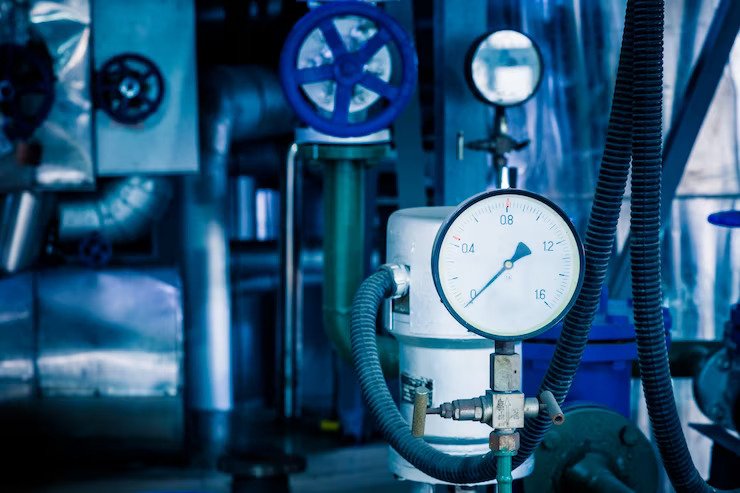
water usage meter

The first step in effective energy and water management for small businesses is to measure usage. This is done by installing smart meters, which provide real-time data on energy and water consumption.

A half hourly meter will automatically split your energy consumption, with no manual reading required. This data can be used to identify patterns and trends in usage, which can help small businesses make informed decisions about how to reduce their consumption.

Smart technology

The future of energy and water management for small businesses lies in the use of smart technology. Smart technology, such as IoT (Internet of Things) devices, can be used to automate and optimize energy and water usage.

For example, smart thermostats can adjust temperature settings based on occupancy patterns, and smart lighting can adjust brightness levels based on natural light levels. These devices can be controlled remotely, which means small business owners can monitor and adjust usage even when they are not on-site.

Related: Best Paying Jobs In Energy

Renewable energy
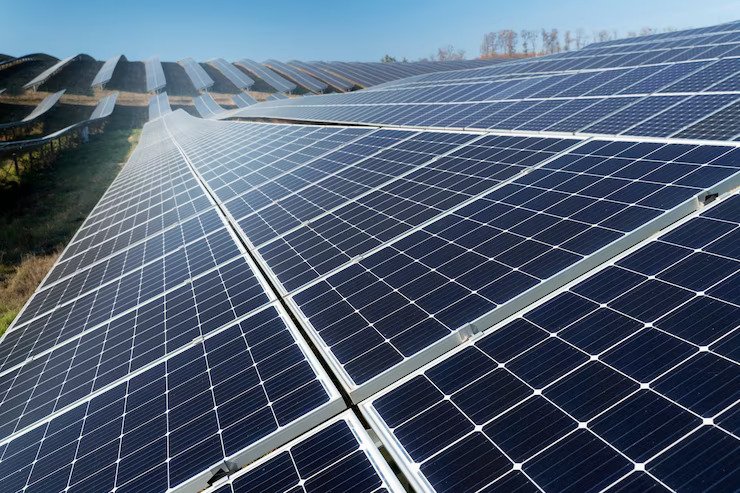
Renewable energy

Renewable energy sources will also play a key role in the future of energy and water management for small businesses. Small businesses can install solar panels, wind turbines, or hydroelectric generators to generate their own energy.

These systems can be connected to the grid, which means any excess energy generated can be sold back to the utility company. Renewable energy sources are becoming more affordable and accessible, which means small businesses can now invest in them without breaking the bank.

Water management

Water management is another important aspect of energy and water management for small businesses. Small businesses can install low-flow fixtures and toilets, which can reduce water consumption by up to 30%. Water-efficient appliances, such as dishwashers as well as washing machines, can also be used to reduce water usage.

Small businesses can also install rainwater harvesting systems, which collect rainwater from rooftops and store it for later use. This water can be used for irrigation, flushing toilets, or even drinking if properly treated.

Water recycling systems
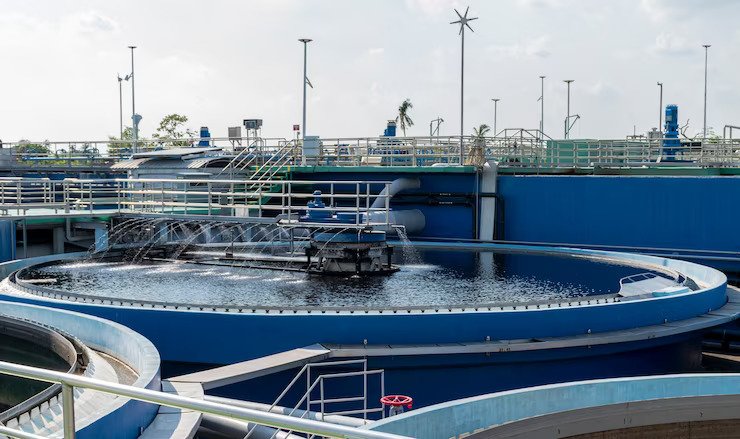
Water recycling systems

In addition to these measures, small businesses can also implement water recycling systems. Greywater, which is wastewater from sinks, washing machines, and showers, can be reused as well as treated for non-potable uses, including irrigation or flushing toilets. Blackwater, which is wastewater from toilets, can also be treated and reused, although this requires more advanced treatment systems.

Government incentives

Small businesses can also take advantage of government incentives and programs to reduce their energy and water usage. For example, there are tax credits available for businesses that install renewable energy systems or energy-efficient appliances. Some utility companies also offer rebates for businesses that implement energy and water-saving measures.

The future of energy and water management for small businesses lies in the use of smart technology, renewable energy sources, and water-saving measures. Small businesses can use smart technology to measure and optimize their energy and water usage, while renewable energy sources can be used to generate clean, affordable energy.

Water-saving measures can also be implemented to reduce water usage and promote sustainability. With government incentives and programs available, small businesses can take advantage of these opportunities to reduce costs, improve their bottom line and become more sustainable. By taking action today, small businesses can ensure a brighter, more sustainable future for themselves and for generations to come.

Read Also:

Arnab is a professional blogger, having an enormous interest in writing blogs and other jones of calligraphies. In terms of his professional commitments, He carries out sharing sentient blogs.

View all posts

Leave a Reply

Your email address will not be published. Required fields are marked *

Related

Industrial

What are the Different Types of Industrial Power Solutions?

One fact of industrial production is that without power, nothing gets done. Machinery doesn't move, computers don't work and orders aren't processed and workers are idle. So it is obvious that a reliable, constant source of power is available to industry at all times. When it comes to deciding how that gets done, each company needs to start by asking what are their specific power requirements and how permanent it needs to be and what are the solutions available to meet those needs, usually by employing a specialized power company, such as APR Energy Power Solutions. While many permanent industrial facilities in America can count on public power grid infrastructure available in populated areas, more remote areas need to look at self-generating solutions to provide them with the energy they need to operate. So, assuming public power isn't available, the first question that needs to be asked is how permanent is the operation going to be. An industrial facility electric requirement can be categorized as: 1. Temporary (or interim) and emergency power Shorter-term projects can be done remotely and require a mobile solution to be in place to get the job done. Except for the emergency power situation (which would occur immediately to handle the power needs for the duration of the incident), interim power usually takes from 30 to 90 days to design and setup. This solution can be in place and used for a couple of months to many years into the future. This could include providing emergency power, temporary bridging power when a power plant is being repaired or a new one is being constructed, distributed electrical generation, etc. It can also operate at many different levels of generating support. Whether it only provides power during peak demand, as just standby power source, or being solely for the base-load prime supplier of power for the facility, suppliers of these systems can give that added flexibility to the total needs of their customers. Depending on the size of the operation, the equipment supplier can employ: Diesel, natural gas, or turbine generators and fuel tanks if required. UPS (Uninterrupted Power Supply) Systems. With UPS Batteries and Battery Cabinets Power Distribution Units Cooling units Automatic Transfer Switches Load Banks 2. Long-term power Generally, when permanent power plant facilities are being built, a longer-term temporary generating solution needs to be employed. This usually takes many years for a plant to be built, so the long term temporary design has to do the job that the permanent plant will do. This longer-term solution requires more specific planning to meet the demands of a larger operating facility. However, more permanence means that lower-cost sources of fuel can be added into the program such as natural gas, liquid natural gas, Liquefied petroleum gas (LPG), ethanol, kerosene, and naphtha. this is usually accomplished by using a turbine generator. These not only offer fuel flexibility but can run more efficiently and with a smaller carbon footprint. Usually, these facilities are supplied by the power company vendor and the equipment ownership is retained by that company. This means that the generating system can remain for many years, but will remain a straight business expense and not a capital investment to the company, simplifying the accounting process considerably. 3. Permanent Industrial power Permanent generating installations are required by many industries when they aren't planned to remove the equipment. Industries such as utilities, heavy industry, EPC companies, mining, oil and gas operations, and military organizations require ongoing power generation. As with the long-term solution, this more permanent industrial placement can take advantage of the latest and most efficient power equipment and control room technologies. The use of direct fuel pipelines to power the generators can be built for permanent reliability as well. But still, have the flexibility of using alternative fuels if necessary. So industrial organizations have many questions to answer before deciding how they will be supplied with ongoing power to run their business. Working with the power companies that are experts in this area is the best place to start. Careful planning and research at this point are critical for its future operational success. Read Also: 5 Technologies Disrupting The Construction Industry What Surprising Industry Is Helping Canada Get Greener? 5 Industry Examples Where Protective Machine Covers Are Put To A Good Use Top Reasons Why Profitindustry Has The Best E-Commerce Platforms For Your Box Subscription Business

READ MOREDetails
Commercial Solar Lights

Illuminating the Future: How Commercial Solar Lights Are Revolutionizing Outdoor Lighting

Looking to brighten up the outside of your business in an eco-friendly and budget-friendly way? Well, you might want to consider commercial solar lights. They not only provide reliable lighting but also help you go green and cut down on your operating costs. Keep reading to discover more about the benefits of commercial solar lights and how to choose the right company to install them. Difference Between Non-Commercial And Commercial Solar Lights Like all lighting options, solar lights can be both small and large scale. Most people assume both have similar mechanisms of action and are just the same. However, that is not true!  Commercial solar lights cover large spaces such as streets, huge security areas, roads, and paths. These also cost a lot more than non-commercial systems. Non-commercial solar lights are those that we can use to illuminate homes. Other than the difference in battery capacities, these two do not differ in other specifications. The non-commercial lights have less battery storage capacity than commercial lights.  Harnessing the Power of the Sun Commercial lights are all about making the most of the sun's energy. They use something called photovoltaic cells, which are like little energy converters. These cells soak up sunlight during the day and turn it into electricity, storing it in batteries for use at night. The cool thing is, you don't need to rely on traditional power sources like electrical grids anymore. It's like getting free energy from the sun! Exceptional Energy Efficiency Solar lights are pretty impressive because they're super energy-efficient. They're designed to give you strong and reliable light without using up a lot of power. They use something called LED technology, which is like a tiny light bulb that's really good at saving energy. So, when you compare solar lights to regular lights, they save a lot of energy and help you cut down on your electricity bill. Everything You Need To Know About Commercial Solar Lights Sustainability is important for improving the current global conditions. Installing commercial solar lights takes us a step closer to that goal. Using commercial solar lights for outdoor lighting does not just help improve the space. It also helps the environment.  Here are the important things you need to keep in mind:  1. How much sunlight does the space receive? You will come across an integrated outdoor solar light or other solar lighting solution in a major city. Usually, these are in spaces that are not overcrowded with skyscrapers, receiving ample sunlight for the solar lights to store.  Picking a space that allows easy solar street light post installation is imperative. For example, the location's condition will help determine what you can expect from the product. Things to keep in mind are optimal software and hardware specifications that ensure smooth working. The area may have obstructions that can hinder the light's performance. Thus, in such a situation, your alternative would be installing a longer light post for it to work properly.  2. Size of the area you want to illuminate Outdoor commercial solar lights have systems that often have two distinct light units: High-intensity discharge (HID) lights and light-emitting diodes (LED). However, more recently, the use of LEDs is more beneficial. The energy-saving ability of LEDs is what helps it provide better illumination. Thus, before installation, you must decide which type of luminaires you want for your outdoor lighting needs.  Commercial solar LED light will be suitable if the area you consider illuminating has a broad space. Moreover, wattage requirements should also be decided beforehand. The rule of thumb is to use higher-wattage lights (or electrical products) as they become cost-efficient in the long run.  3. Software specifications you need to keep in mind Commercial solar lights come with Smart technologies, and some may not have that. However, it is wise to select a product that offers different controls. The trend of smart lights should not stay limited to indoor lighting. Thus, choose an option that has intelligent control tools. These improve the overall efficiency of the installed lights and guarantee a great value for your money!  4. Cost of the installation Outdoor lighting systems can become expensive to install and maintain. Depending on the space you want to illuminate, the cost can change. The expenses can be divided between- running electrical cables, connecting to the grid, and trenching. Then, there are operational costs, electricity bills, and ongoing maintenance costs, all of which can become quite burdensome.  Moreover, with the common idea that cheap can be synonymous with poor quality, asking the service provider is helpful. You should also remember that using less-energy-consuming products will be better than an energy-inefficient system.  Advantages of Commercial Solar Lights Saving Money One of the best things about commercial lights is that they can save you a lot of money. Once you set them up, they hardly cost anything to run. You won't have to worry about paying high electricity bills or spending a lot on maintenance. This means businesses can use their money more wisely. Good for the Environment Solar lights are also great for the environment. They help you use less fossil fuels and electricity from power grids, which is a big deal for reducing pollution and taking care of the planet. So, when businesses use solar lights, they're showing that they care about the environment and want to help make the world more sustainable. Built to Last Commercial lights are tough cookies! They're made from strong materials that can handle all kinds of weather, even when it gets really rough outside. These lights are like the superheroes of the lighting world – they keep working, no matter what the weather is like. Plus, lots of them have backup batteries, so they stay on even when the sun isn't shining. That means you can count on them to light up your space, no matter what. Choosing a Commercial Outdoor Lighting Company Go for One With a Proven Track Record  When you're looking for a company to help with your commercial solar lights, it's smart to pick one with a proven track record. Companies that have been doing this for a while really know their stuff. They've seen it all and can handle any tricky situations that might come up. Lights That Fit Your Needs You'll also want a company that can create lighting that's just right for your business. Think of it like getting a custom-made suit – it fits perfectly because it's made just for you. The same goes for lighting. It should match your specific needs, and a good company will make sure it does. Quality Components and Design Evaluate the quality of components employed in the company's lighting systems. High-quality photovoltaic cells, efficient LED fixtures, and durable construction materials are paramount for long-lasting and efficient solar lighting. To sum it all up, choosing commercial solar lights is like stepping into a new era of outdoor lighting. It's all about saving money, taking care of the planet, and making sure you have reliable lights. When you're picking a company to help with this, remember to look for ones with experience, the ability to customize the lights to your needs, high-quality parts, and excellent support. Read Also: Smart House Technology for Saving Energy 5 Features to Look for in a Business Energy Provider What You Should Know about Solar Energy for Schools Benefits

READ MOREDetails
Solar Energy

What You Should Know about Solar Energy for Schools Benefits

The use of solar energy has grown by leaps and bounds in recent times, and now, you don't just see it in residential or commercial buildings any longer – solar panel systems are now being utilised for more schools as well. The government encourages this growth and has even come up with its own form of support for schools and other educational institutions wanting to go solar. There are indeed a lot of benefits brought by having your own solar energy, but what else can you expect from it? How can you make sure that your solar investment is fully utilised? Here's everything you need to know about solar energy for schools: benefits, expectations, and more. How you can save on expenses – and earn: With solar energy, there are three ways through which you can save and earn on your expenses. One way is with your actual usage of energy from the grid. Since you produce your own energy, your energy usage from the grid will go down, thus resulting in lower electricity bills. The second way is through what you can earn based on the electricity your panels can produce. This the Feed In Tariff. The third way through which you can save and make money is when you get paid for whatever electricity isn’t used by your school. This is referred to as the Export Tariff. Will the sun be enough? This is one of the more common questions asked by many, and the answer is a simple yes. There is enough sun, even in the UK, for your solar panel system to work – and work well, at that. Although bright sunlight is always best in regard to solar energy, your solar panel system will continue to produce energy even when the days are cloudy. For every 1 kilowatt of solar panel installed, you can expect to produce an average of between 750 to 900-kilowatt hours of energy. If you are located in the south, your system will generate even more. Is it the best solution for my school? Granted, while a solar energy system is generally a good and worthwhile investment, you still have to be sure that it’s the right solution for your school, as experts in solar in Cheshire like Atlantic Renewables attest. Many of the schools in the UK are suitable, however. For instance, does your school have a roof that is flat or pitched and is the roof facing south-east, south-west, or south? If it is, that's already good news. Also, if you don't have any buildings or trees shadowing your roof, this is a good sign as well. You should also have a strong roof, although most roofs are already strong enough to hold solar panels. How to pay for it: There are different things you can do to help you pay for a solar panel system for your school, one of which is help from your local education authority. You can ask them to provide you with the capital you need at a very low or even zero rate of interest. Another way through which you can finance your solar panel system is to go to your local council. Community funding is also possible, and you may be surprised at how many communities have already worked together to bring a solar energy system to fruition for schools. Read Also: Ready Rooftops – How To Install Solar Panels Prepare Your Solar Panels For The Fall

READ MOREDetails