











What are the Different Types of Industrial Power Solutions?

Published on: 02 December 2019 Last Updated on: 22 February 2020
Industrial

One fact of industrial production is that without power, nothing gets done. Machinery doesn’t move, computers don’t work and orders aren’t processed and workers are idle. So it is obvious that a reliable, constant source of power is available to industry at all times. When it comes to deciding how that gets done, each company needs to start by asking what are their specific power requirements and how permanent it needs to be and what are the solutions available to meet those needs, usually by employing a specialized power company, such as APR Energy Power Solutions.

While many permanent industrial facilities in America can count on public power grid infrastructure available in populated areas, more remote areas need to look at self-generating solutions to provide them with the energy they need to operate. So, assuming public power isn’t available, the first question that needs to be asked is how permanent is the operation going to be.

An industrial facility electric requirement can be categorized as:

1. Temporary (or interim) and emergency power

Shorter-term projects can be done remotely and require a mobile solution to be in place to get the job done. Except for the emergency power situation (which would occur immediately to handle the power needs for the duration of the incident), interim power usually takes from 30 to 90 days to design and setup. This solution can be in place and used for a couple of months to many years into the future.

This could include providing emergency power, temporary bridging power when a power plant is being repaired or a new one is being constructed, distributed electrical generation, etc. It can also operate at many different levels of generating support. Whether it only provides power during peak demand, as just standby power source, or being solely for the base-load prime supplier of power for the facility, suppliers of these systems can give that added flexibility to the total needs of their customers.

Depending on the size of the operation, the equipment supplier can employ:

  • Diesel, natural gas, or turbine generators and fuel tanks if required.
  • UPS (Uninterrupted Power Supply) Systems. With UPS Batteries and Battery Cabinets
  • Power Distribution Units
  • Cooling units
  • Automatic Transfer Switches
  • Load Banks

2. Long-term power

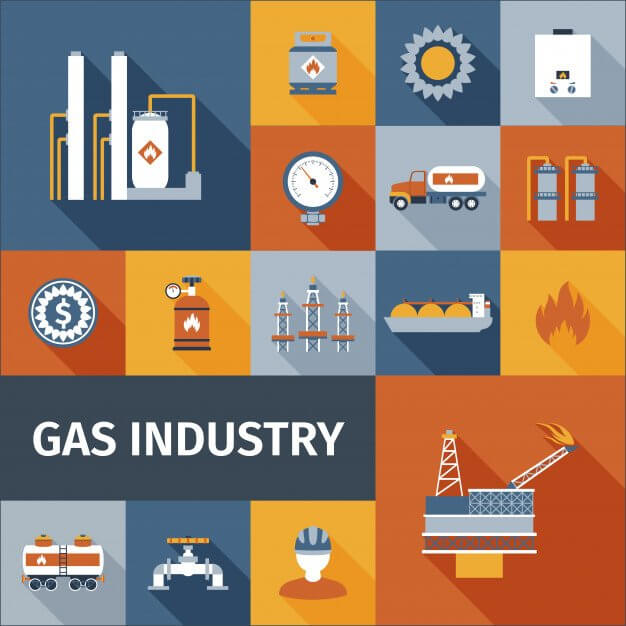
gas industry

Generally, when permanent power plant facilities are being built, a longer-term temporary generating solution needs to be employed. This usually takes many years for a plant to be built, so the long term temporary design has to do the job that the permanent plant will do.

This longer-term solution requires more specific planning to meet the demands of a larger operating facility. However, more permanence means that lower-cost sources of fuel can be added into the program such as natural gas, liquid natural gas, Liquefied petroleum gas (LPG), ethanol, kerosene, and naphtha. this is usually accomplished by using a turbine generator. These not only offer fuel flexibility but can run more efficiently and with a smaller carbon footprint.

Usually, these facilities are supplied by the power company vendor and the equipment ownership is retained by that company. This means that the generating system can remain for many years, but will remain a straight business expense and not a capital investment to the company, simplifying the accounting process considerably.

3. Permanent Industrial power
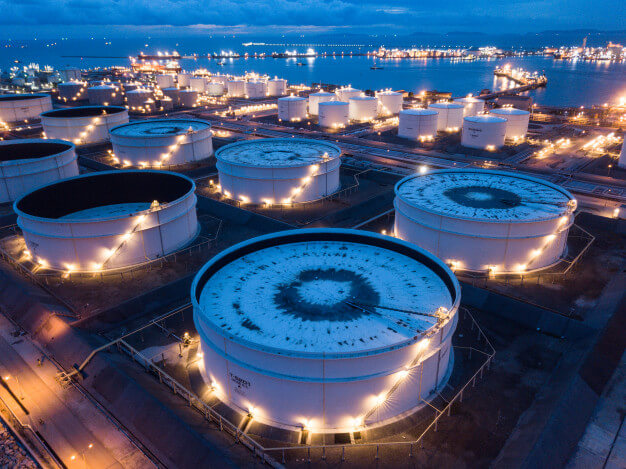
Industrial power

Permanent generating installations are required by many industries when they aren’t planned to remove the equipment. Industries such as utilities, heavy industry, EPC companies, mining, oil and gas operations, and military organizations require ongoing power generation.

As with the long-term solution, this more permanent industrial placement can take advantage of the latest and most efficient power equipment and control room technologies. The use of direct fuel pipelines to power the generators can be built for permanent reliability as well. But still, have the flexibility of using alternative fuels if necessary.

So industrial organizations have many questions to answer before deciding how they will be supplied with ongoing power to run their business. Working with the power companies that are experts in this area is the best place to start. Careful planning and research at this point are critical for its future operational success.

Read Also:
Content Rally wrapped around an online publication where you can publish your own intellectuals. It is a publishing platform designed to make great stories by content creators. This is your era, your place to be online. So come forward share your views, thoughts and ideas via Content Rally.

View all posts

Leave a Reply

Your email address will not be published. Required fields are marked *

Related

An Ultimate Guide To Instant Hot Water Dispensers

Ultimate Guide for Instant Hot Water Dispensers

Having hot water ready and waiting can make everyday life much easier. But heating tanks of water that mostly sit idle wastes energy. This is where on-demand hot water dispensers excel. They provide instant hot water as needed without standby energy losses. However, installing an efficient hot water system in your home or office lets you enjoy this convenience sustainably. Therefore, read on to learn what makes tankless water heaters eco-friendly and how to pick the best model to maximize energy savings. Why Instant Systems Beat Tanks Standard hot water tanks heat and store 30-50 gallons of water constantly. This maintains availability but isn't efficient. The standby energy needed to keep large volumes hot all day adds up. However, the  US Department of Energy estimates tank water heating accounts for 18% of home energy bills on average. Enhancing your home's efficiency and saving on energy bills becomes a breeze with hot water dispensers, particularly the instant or tankless variety. Instant or tankless water heaters avoid this waste by heating water directly on demand instead of storing hot water. Compact and wall-mounted, they detect when a tap is opened. However, an internal heating element quickly warms the water flowing through to the desired temperature only as needed. Top benefits of instant dispensers include: Energy savings from not heating excess stored water Continuous hot water - it never runs out with an endless supply. Compact size takes up less space Long lifespan of up to 20 years with no tank corrosion Lower monthly bills and environmental impact Tankless instant systems can reduce household hot water heating costs by 30% or more. Key Factors When Selecting An Eco-Friendly System With so many instant heater models available, it's helpful to understand which features impact energy efficiency: Energy factor – A higher rating means greater efficiency. Look for 0.95 or more. Flow rate – GPM determines how much hot water is produced per minute. Higher is better for larger homes. Temperature settings – Lower heat settings use less energy. Models with a range are the most flexible. Safety controls – Sensors that modulate power use based on demand improve efficiency. Size – Right-sized units are most efficient. Undersized heaters have to work harder. Energy sources – Electricity or gas. Electricity offers environmental benefits. Buying the correctly sized hot water dispensers with an energy-efficient design maximizes potential savings. Read Also: Pros And Cons Of Mini Splits For Cooling Tips For Maximizing Efficiency Beyond choosing a quality efficient instant water heater, certain usage habits also optimize savings: Set temperature only as hot as needed Insulate pipes to reduce standby losses Schedule a vacation mode to save energy when away Limit excessively long showers that deplete capacity Have the unit flushed and maintained yearly Consider adding a recirculation pump if distances from taps are long Proper installation and maintenance ensure your system runs at peak efficiency for the long term. Smart Technology Provides Added Control Advanced instant water heaters offer built-in Wi-Fi connectivity and smart features. These provide greater control and customization for increased efficiency. Look for models with: Remote temperature adjustments via phone app Voice activation through virtual assistants Usage tracking to identify savings opportunities Away modes to conserve energy when traveling Diagnostic alerts to prevent issues causing waste Smart water heating provides detailed insights and controls at your fingertips, wherever you are. Winterizing Your Instant System In cold climates, taking steps to winterize instant water heaters prevents energy waste and damage from freezing. This may involve: Installing indoor models in conditioned utility rooms Insulating outdoor water lines and pipes Setting a vacation mode low temperature Adding antifreeze formulas to the system Draining water and blowing air through pipes before hard freezes Maintaining optimal airflow around outdoor wall-mounted units A frozen broken water heater wastes all the energy it took to produce and install it. Proper seasonal maintenance sustains energy efficiency. An Eco-Friendly Solution For Hot Water Needs Instant tankless water heating systems represent a sustainable upgrade from outdated storage tank heaters. Their compact on-demand operation slashes energy consumption and bills. Choosing Energy Star-certified models sized for your household with high-efficiency ratings and smart capabilities optimizes savings. With some energy-conserving usage habits, you can enjoy endless hot water with minimal environmental impact. Advanced Installation And Maintenance Tips Proper installation and maintenance help ensure your instant hot water system operates safely and efficiently. Hire qualified professionals for complex venting and wiring needs Follow all local building codes and permit requirements Insulate connecting pipes to prevent heat loss Flush annually to prevent scale buildup reducing efficiency Check the energy guide sticker to confirm optimal electricity amperage Keep intake openings clear to allow proper airflow Vacuum exhaust ducts to remove accumulated dust Replace water filters as needed Regular maintenance prevents future issues that could compromise energy performance. Additional Energy And Cost-Saving Strategies Beyond the instant water heater itself, completing your system with certain components increases efficiency: Recirculation pump - Circulates hot water through pipes back to the heater so it's instantly available at taps. Drain water heat recovery - Recovers heat from draining water to pre-heat cold supply water entering the system. Solar pre-heating - Solar collectors warm up cold water before it enters the instant heater, reducing the electricity needed. Insulated pipes - Limit standby heat loss from pipes between heater and fixtures. Low-flow fixtures - Reduce water demand so the heater doesn't have to work as hard. Layering on complementary energy-smart devices and practices amplifies your instant hot water system's eco-benefits. Frequently Asked Questions What maintenance do instant water heaters require? Annual flushing of the heat exchanger and checking electric connections, temperature settings, and airflow around the unit are essential. Filters should be changed following the manufacturer's guidelines, typically around once a year. Do instant heaters work well in cold climates? Yes, but outdoor pipes and units need insulation and proper air sealing. Some installations in northern regions place heaters in utility rooms instead of mounting them outside. How difficult is it to install an instant hot water system? It's recommended to hire a professional for the complex venting and electrical work unless you are very experienced. Typical installs take a full day. Final Thoughts Tankless instant hot water dispensers provide an energy-efficient and sustainable upgrade from outdated tank heaters. Combined with eco-friendly usage habits and proper maintenance, they deliver significant cost savings and environmental benefits. Adopting a whole-system approach maximizes efficiency. Read Also : Know Why Content Marketing Is Important For SEO 4 Points To Consider When Creating A Great Content Marketing Strategy Today How To Deal With Debt By Doing Business Marketing Smartly?

READ MOREDetails
Mobile Solar Generators

Everything You Need To Know About Mobile Solar Generators

Solar power has been around for quite some time, and the first photovoltaic cells were created in the 1950s.   Since then, technology has been improving, and the efficiency of modern photovoltaic cells has increased immensely, making solar power a viable option.  If you are considering getting mobile solar generators, here is everything you need to know.  What Are Mobile Solar Generators?  Most solar generators are static, which means they do not move. However, there are mobile ones that you can transport to any location and use if there is enough sunlight.   These items are common with people who love camping, RV camping, and boats, and they come in a variety of sizes.   They are also popular for use in infrastructure projects, agriculture, and even remote communities.  Mobile solar power generators have a bank of photovoltaic cells. These cells turn sunlight into energy, which can then be stored in batteries. This type of power generator is handy for your next outdoor adventure.  What Do You Need for Mobile Solar Generators?  When you are looking to purchase or make mobile solar generators, four components make the device, which are:  Solar Panels  An Investor  A Solar Charge Controller  Solar Batteries  The solar panels and batteries are the parts of this device that can vary in quality. You will want to select the most efficient solar panels you can afford and high-quality batteries to store your electricity.  How Do They Work?  You first need to transport your system to where you want to set it up and then assemble the solar panels. The solar panels collect energy from the sun, which is converted to a Direct Current (DC), and it is then passed through the solar charge controller.   The controller regulates the voltage of the electricity when charging the battery, where you store the power to be used later.   When ready to use the energy collected from your solar panels, the inverter converts the DC power into AC (Alternating Current), which most electrical appliances use.  The Pros & Cons of Mobile Solar Power  There are a lot of benefits to using solar power, but there are some drawbacks as well. One of the best things about solar power is that it is 100% clean and renewable energy that you are using, and there are no fuels to burn, which will create pollution.   They are also relatively simple to maintain, and the biggest task will be to clean the solar panels and ensure that they are running at maximum efficiency.  There are some cons to solar power as well. The biggest one is that there is a significant upfront cost required to purchase the equipment you will need.   You are also limited to the amount of power you can store, depending on the size and efficiency of your batteries. The charging process is also slow.  The expense of solar technology can pay for itself in a short time, so it is worthwhile to invest in.   You will have the luxury of being able to use your electrical devices wherever you go, safe in the knowledge that you are doing your part for the environment.  How Mobile Solar Generators are Good for Digital Nomads  As a digital nomad, one of the things you will love about this lifestyle is that you will have all the freedom to work from wherever you may be.   That said, it can be challenging to stay connected or keep your devices charged, and that is where mobile solar generators come into play with an easy eco-friendly solution.  Whether you’re working in a coffee shop or camping in the wilderness, mobile solar generators will keep your devices charged. Here’s how.  On-the-Go Power  Mobile solar generators are lightweight and compact, so you can take them with you on the road.   No matter if you’re driving in a van or RV or backpacking around the world, your generator comes with you to power your mobile office no matter where you set it up.  Minimize Digital Nomad  As a digital nomad you can minimize your carbon footprint by using the sun as your source of energy, instead of relying on fossil fuels.   Most of us tend to be living a sustainable and minimalist lifestyle already, so this suits us well!  The initial investment for a mobile solar generator may seem high, but it pays for itself over time. With the sun as its fuel source, you save on fuel costs. Additionally, many nations provide tax credits or reimbursements on renewable energy usage.  Quiet Operation  Traditional generators can make a lot of noise, which isn’t necessarily something you want in a quiet, natural environment as a digital nomad.  Mobile solar generators don’t produce any noise pollution. So, you can enjoy the peace and quiet of your surroundings without a constant drone running a petrol engine.  Independence from the Grid  Modern mobile solar generators are equipped with advanced batteries that store energy efficiently.   This means you can have a consistent power supply even on cloudy days or at night.   Many models also offer multiple output options, including USB ports, AC outlets, and DC carports, to charge various devices simultaneously.  Since you don’t need electricity to generate more electricity with these gas-free solar generators; you are not chained to the local electricity grid.  Especially when it takes weeks for electrical companies to get everything up and running again. Yes, it’ll not affect you at all.   Read Also: The Benefits of Solar Lighting in a Nutshell 10 Steps To Take To Set Up Solar Panels At Home What You Should Know About Solar Energy for Schools Benefits What Are Solar Incentives? Prepare Your Solar Panels for the Fall

READ MOREDetails
Energy Provider

How to Choose a Clean Energy Provider for Your Texas Home or Business

Keeping Texas clean is a priority for most Texans. Clean energy is one way to do that. Choosing clean energy helps lower carbon emissions, which helps to slow climate change. It also lowers overall energy costs and helps create a steady energy supply in the future. It can be cumbersome to sort through all the information on the internet to find an energy provider who uses renewable sources. Having a general idea of where to start and what you are looking for can really help you figure out what energy company to go with as you try to use clean energy in your home or business. You can find cheap energy companies in Texas and compare energy rates by making good use of energy comparison websites. Understand Clean Energy Clean energy, also called renewable energy, is generated from naturally replenished sources. These sources include solar energy, wind, water, nuclear, bioenergy, and geothermal sources. All of these energy sources are practically limitless instead of fossil fuels, which can take billions of years to renew. When looking for a clean energy provider, it is good to start by looking at their energy sources. If they mention a specific kind of renewable source, it is safe to go with that option. You must be sure where your energy is coming from if clean energy is essential to you. Make sure you don’t just take them for their word if they use buzzwords like “clean energy” in their marketing materials. Companies may get a small amount of their energy from renewable sources so that they can make that claim. However, it would be best if you went for a company that gets at least 50 percent of its energy from renewable sources if you want your energy source choice to make a meaningful impact on the environment. Find Providers Near You When searching for a clean energy provider, the first step is to determine what companies provide energy services for your area. Unfortunately, some more rural areas may not have the option to choose a clean energy provider. For locations with that option, search for "clean power companies in Texas,” like Chariot Energy or a comparable source to power your home or business. With any power company you find, make sure that they are rated for both business and residential areas. Investigate Your Options Find out what companies provide energy services for your area. Look for their story and see how long they have been working in clean energy. Look for businesses they work with and investors or politicians they have ties to. Their associations can tell you a lot about how serious the company is about clean energy. You should also look up independent sources to get ratings on their clean energy track record. Search for individual companies on independent review websites and the Better Business Bureau to get an accurate idea of what they truly stand for. You also want to make sure they have an excellent customer service track record. Compare Offers and Plans Once you have decided on the power company you want to use, you will have to compare its plans. Some companies offer “green pricing,” which allows customers to pay a premium to use only clean energy. This premium helps companies with the added costs of switching to green energy and with the addition of other clean energy sources to their mix. Suppose you can’t find a company that offers clean energy, or you want to give a little extra help to the industry as a whole. In that case, you can also purchase green certificates, which help companies around the country transition to clean energy. The Texas Choice Deciding to move to clean energy is good for the environment and good for Texas. It can be confusing to sort through all the information out there, but if you stay organized and sort through the data in smaller chunks, you can find the right energy company. It can save you money and save the wide-open spaces of Texas in the process. Read Also: The Dallas Texas Resource for Metal Conex Boxes What You Should Know About Solar Energy for Schools Benefits

READ MOREDetails