










Explore New Tech in Intercooler Replacement Parts: User Benefits

Published on: 30 December 2023 Last Updated on: 11 September 2024
The Latest Advancements In Technology For Intercooler Replacement Parts

In automotive technology, the intercooler plays a critical role in enhancing engine performance by cooling the compressed air from the turbocharger or supercharger, increasing air density, and allowing more oxygen to enter the engine. As automobile manufacturers and aftermarket suppliers vie for superior performance and efficiency, the latest advancements in intercooler technology have emerged as a pivotal development area. New materials, innovative designs, and integration of advanced manufacturing techniques are driving this evolution, paving the way for more efficient thermal management.

These technological leaps not only improve engine power and efficiency but also contribute to the longevity of engine components by reducing thermal stress. Advancements in additive manufacturing, for example, have led to the development of a new intercooler using Additive Layer Manufacturing (ALM), allowing for intricate designs that were previously unattainable with traditional manufacturing methods. Such innovations in intercooler technology underscore the industry’s commitment to not only meet the increasing performance demands but also adhere to stringent environmental regulations by improving fuel economy and reducing emissions.

Key Takeaways

  • Intercoolers are critical for improving engine performance by cooling compressed air, leading to increased air density.
  • Latest technologies in intercoolers involve new materials, designs, and manufacturing techniques, which enhance power and efficiency.
  • These advancements offer potential longevity benefits for engines and align with environmental goals through improved fuel economy and reduced emissions.

Technological Innovations In Intercooler Design

Recent advancements in intercooler technology have led to significant improvements in performance and efficiency for automotive cooling systems. These innovations enhance the functionality and reliability of intercooler replacement parts, offering considerable benefits to users.

Enhanced Cooling Efficiency

The core objective of an intercooler is to reduce the temperature of compressed air before it enters the engine. Emerging technologies in intercooler design now utilize advanced liquid cooling methods and optimized airflow passages to increase heat absorber capabilities. This results in a more efficient cooling system, which is crucial for maintaining the performance of turbocharged and supercharged engines.

Improved Materials And Construction

Intercooler durability and reliability are closely tied to the materials and construction techniques. Introducing high-strength, corrosion-resistant materials ensures that intercoolers can withstand the harsh conditions of high-performance engines. Silicone radiator hoses and intercooler replacement parts from Mammoth Performance are prime examples of how improved materials contribute to the longevity and reliability of intercooler systems.

Integration Of Artificial Intelligence

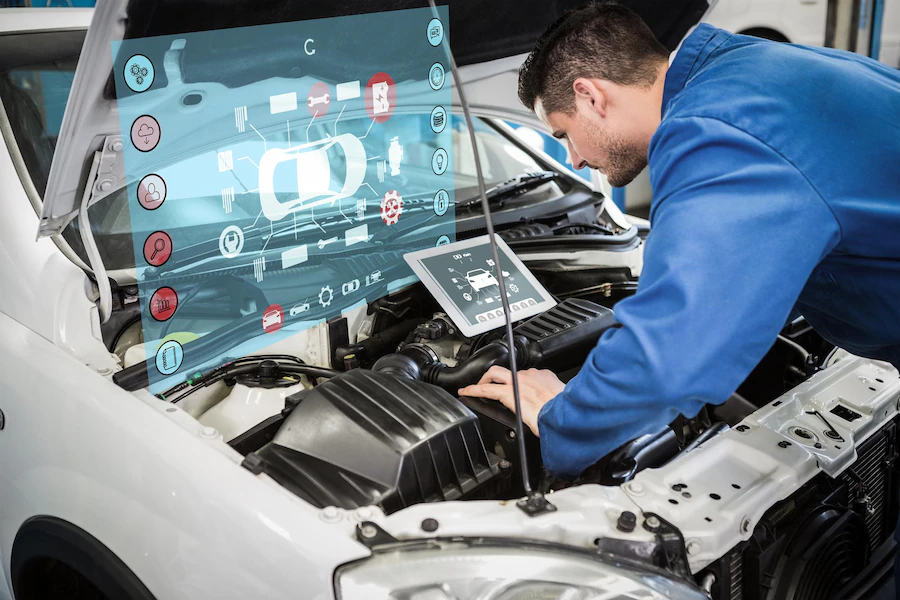
Artificial intelligence revolutionizes the intercooler domain by enabling smarter, more efficient operations. By analyzing data and adjusting to operating conditions in real time, these AI-driven systems can optimize performance, reduce energy consumption, and prevent issues such as oil contamination. The shift to AI-integrated cooling systems reflects a broader trend towards intelligent, autonomous vehicle components, further bolstering the efficiency and dependability of modern intercoolers.

Impacts And Opportunities In Intercooler Implementation

Recent advancements in intercooler technology significantly enhance engine performance and power while also addressing environmental concerns such as climate change. They present opportunities for technological change in the automotive industry, influencing legal and social aspects of society.

Intercooler Efficiency And Engine Performance

Upgraded intercoolers introduce improved cooling fins and advanced designs that lead to more efficient heat dissipation. This efficiency directly impacts an engine’s power output and overall engine performance. Vehicles that once suffered from heat soak or underperforming issues due to inadequate cooling can benefit from these advancements, resulting in increased horsepower and torque figures. Using better materials and construction methods promotes the longevity and reliability of the intercoolers, ensuring consistent performance even under rigorous conditions.

Environmental Impacts And Social Considerations

Advancements in intercooler technology contribute to the mitigation of climate change impacts. A more efficient intercooler reduces the engine’s tendency to suffer from heat-induced inefficiencies, subsequently decreasing the amount of fuel consumed and reducing emissions. Societal awareness and legal frameworks push for greener technologies, and intercoolers utilizing green hydrogen as a cooling medium exemplify innovation aligning with these social considerations. They serve to bridge the gap between the current state of technology and a more sustainable future, influencing both user practices and industry standards.

Future Outlook And Emerging Markets

The intercooler market anticipates significant growth with increasing demand for high-performance vehicles and stringent environmental regulations. Emerging markets present diverse opportunities where integrating the latest intercooler technologies can lead to enhancements in engine efficiency and a reduction in carbon footprint. With ongoing research directed at optimizing intercooler functions and adopting alternative cooling mediums, the prospects for further innovation remain high. As society leans towards more efficient and eco-friendly solutions, the role of advanced intercooler systems becomes pivotal in shaping future engine technologies and their acceptance in the market.

Conclusion

Advancements in intercooler technology have led to components that are more efficient and lighter in weight, enhancing engine performance across various measures. These improvements translate to better fuel economy and horsepower, proving indispensable for modern turbocharged engines. Users benefit directly through enhanced vehicle longevity and optimal driving experiences, affirming the value of contemporary intercooler systems.

Read Also:

Ankita Tripathy loves to write about food and the Hallyu Wave in particular. During her free time, she enjoys looking at the sky or reading books while sipping a cup of hot coffee. Her favourite niches are food, music, lifestyle, travel, and Korean Pop music and drama.

View all posts

Leave a Reply

Your email address will not be published. Required fields are marked *

Related

Powertrain Warranty Coverage

A Comprehensive Guide To Powertrain Warranty Coverage

In the automotive world, one crucial term is a warranty. This terminology underscores a significant aspect of car ownership that can save owners a heap of money should things go wrong. But what does a warranty cover? Specifically, what does a powertrain warranty involve? Keep reading to learn more. Understanding The Basics Of Powertrain Warranty Coverage The term warranty strikes a familiar chord amongst car owners, and often, the term powertrain does, too. This specific type of warranty covers the components that propel your vehicle. This includes major parts like the engine, transmission, and drivetrain. For most, the powertrain warranty is a safety net of sorts, safeguarding them against unexpected and costly repairs linked to these components. Powertrain warranties typically cover mechanical defects and failed parts due to faulty manufacturing. The duration of this type of warranty may range from a few years to the vehicle's lifespan, depending on the manufacturer's terms. However, it's important to understand that these warranties do not cover mishaps, improper maintenance, or general wear and tear issues. Consequently, having this knowledge at your fingertips helps you understand the protection you have with your vehicle under the powertrain warranty coverage. Key Components Included in Powertrain Warranties The crux of a powertrain warranty lies within exactly what it encompasses. Predominantly, it covers three primary parts of the vehicle: the engine, the transmission, and the drivetrain. The engine, being the heart of the vehicle, includes an array of parts, including the pistons and crankshaft. The automatic or manual transmission consists of gears that help transfer power from the engine to the drivetrain. This component is crucial for the vehicle's movement. So, a malfunctioning transmission may render your car stagnant. Finally, the drivetrain, either front-wheel drive, rear-wheel drive, or all-wheel drive, relies on the transfer of power from the engine to move the wheels. Any defect in this component will adversely impact vehicle mobility. Essential Factors To Consider When Shopping For A Powertrain Warranty When shopping for any warranty, specifics are key. With a powertrain warranty, pay close attention to the terms and conditions. They indicate what is and isn’t covered. Clarity on these details aids in avoiding unpleasant surprises in the future. Consider the duration, too. How long does the warranty last? Does it span the vehicle's part of the lifespan or the entire lifespan? This information is vital as it impacts your vehicle maintenance and budgeting decisions. Also, consider the warranty's transferability. In some cases, warranties can be transferred if you decide to sell the vehicle, which could increase the car's value. Furthermore, take note of the warranty provider's reputation. A warranty is only as good as the company standing behind it. Therefore, researching the provider's record on claim handling and customer satisfaction is essential. The Role of Powertrain Warranty in Vehicle Maintenance and Budgeting A powertrain warranty plays a core role in vehicle maintenance and budgeting. Its presence helps maintain the vehicle's vital components, ensuring its long-term performance and functionality. The coverage for expensive repairs protects against unforeseen financial strains. For instance, engine and transmission repairs can run into thousands of dollars. By covering these potential costs, a powertrain warranty helps car owners draw up a more accurate and stable budget for vehicle maintenance. In addition, the warranty fosters regular maintenance of the covered components, improving vehicle value over time. Regular maintenance can also mitigate serious problems that could potentially land the car in major repair situations. Overall, a powertrain warranty is instrumental in reducing financial uncertainty, protecting your investment, and maintaining your vehicle's health and value. A powertrain warranty can serve as a lifeline against costly repairs due to inherent mechanical issues, preserving your vehicle's performance. Altogether, armed with the right information, you can make an informed decision on whether a powertrain warranty is beneficial for you and your vehicle. Keep Learn About: What Does Elon Musk Have In His Vehicle Fleet? What Type Of Vehicle Is Ideal For Off-Road Driving?

READ MOREDetails
Used Car

Used Car Buying – How To Do It Right.

Used cars tend to be the most popular amongst UK drivers and it can be easy to see why. Second-hand cars have a lower purchase price, suffer from less depreciation and there is an endless amount of choice! The main disadvantage of buying a used car is the lack of knowledge regarding its history. When you buy a new car, you will be the first owner and don’t have to second guess how the car’s been treated or if it’s been involved in an accident. Reduce the risk of something going wrong with your next used car purchase by following these top tips below for safe car buying.  Know your affordability.  Before you make any large purchase, you should know how much you can afford to pay for it. This can speed up the buying process if you only shop for cars within your budget. Your budget may be one lump sum to pay for a car with cash or spread the cost into monthly payments with finance. Whichever way you choose to buy your next used car, you should try not to stray from your budget as you may get into a deal that you can’t afford to pay back. Check the market value.  Once you know how much you can spend on a used car, it’s time to see which cars you could buy. A quick internet search of local, trusted dealerships can help you to find used cars you can afford. It also gives you an idea of how much the cars you like would cost. For example, if you’re striving for a used BMW on finance, knowing how much it would cost to buy one can give you an idea of how much your monthly budget could be. Knowing the market value of the cars you want to buy also helps if you’re buying with cash and wanting to negotiate the price. If there’s a similar model from a dealer down the road but with a lower price, you could use this as leverage or get a better deal.  Check credit score for finance. No matter if you’re looking for finance for a Volkswagen or a Porsche, the first thing you should do is to check your credit score. Your credit score can affect your ability to get approved for finance and not knowing where you fall on the credit scale can be costly. A low credit score can make it harder to get approved if your low score is due to missed or late payments in the past or a lack of credit history. This is because you are seen as more of a risk to lenders and are more likely to default on future loans too. If you need to improve your credit score you should do so before applying for finance.  Check insurance rates. If you’re buying your first car, insurance rates can be some of the highest around. Newly qualified drivers are more likely to have a road accident in their first year of driving which bumps up the premium. Searching around for cheaper cars to insure and in your budget could help you save money. buying a used car isn’t just about the initial purchase price but also about being able to afford the running cost too.  Use a reputable dealership.  You can buy a second-hand car from a dealer or private seller but to help protect your purchase, you should consider buying your car from a reputable and trusted dealer in the UK. Buying from a dealer gives you an added layer of protection and means you are covered by the Consumer Rights Act 2015. This act means you are entitled to a full refund, repair, or replacement if the car is not as described or fit for purpose. Check the status of the dealer with the FCA and read verified reviews of other customers before committing to the sale.  Check the history of the car. Used cars run the risk of having a hidden history but you can check the history of a car you are interested in buying for free. You can check the tax and MOT status of a car and get more information by simply entering the registration number into the DVLA website. You can also make a one-off payment of around £10 with a trusted Car History Check website to see if the car has been stolen, previously written off or still has existing finance on it.  Test drive and check the vehicle.  Before you commit to buying a used car, you should always test drive it first to see how you like it. Take the car out for at least 30 minutes, drive it on different types of roads, and perform maneuvers to get a feel of how it drives. Also, take this opportunity to park up somewhere and check over the vehicle for any imperfections or damage.  Read Also: Beginners Guide To Buying A Classic Car Buying a Used Car? Few Negotiating tips, you can use Used car: simple steps for buying from a reliable cars dealership

READ MOREDetails
Mountain Bike

Tips for Buying a Beginner Mountain Bike

Planning to hit the dirt trail for the first time? Plus, are you in a dilemma as to which mountain bike suits you best? Well, I have some good news and bad news for you. The good news is that you’re not alone. The bad news is that the whole process might turn out to be trickier than you thought. I have some tips for you; tips that will help you make an educated decision. After all, you want the best performance, comfort, and quality for the price, don’t you? Read more and find out how to achieve that the easy way. 1. Get the Right Size: It’s not uncommon to hear one say “a medium-sized mountain bike works best for me.”But let’s be honest, a medium frame size for one brand might not have the same measurement as that of another brand. There’s a huge chance you might get the wrong fit. Consider a more practical approach. And for this, you need to take some measurements, which in most cases, are given by the manufacturers. Consider the reach, I mean the distance between the saddle and the handlebars. Additionally, consider the stack height, which is the distance between the center of the crank to the mid-section of the head tube. Remember, along front triangle is better for maximized grip and stability. So, you should consider going longer than the standard road bike measurements. In doing so, ensure there’s enough standover clearance. However, don’t go too low in order to maintain a full pedaling height. 2. Choose A Wheel Size: Unlike the frame, wheel size is more of a personal preference. But in most cases, the primary determining factors are the nature of the terrain and the riding conditions. There are two options for a mountain bike: 27.5-inch and 29-inch. 27.5-inch tires make the best choice for aggressive trail and downhill riding. The 29-inch plus size provides a better alternative to rolling over obstacles. It makes the best choice for cross-country and trail riding. Settle for 29-inch tires if you want to eat up more miles. Plus, consider it if you want to settle for a hardtail. For smashing trails, settle for 27.5-inch. 3. Full Suspension Or Hardtail? A majority of riders consider a hardtail as the best starting point. But in my opinion, the “bigger” full-suspension is better. Its advantages far outweigh the disadvantages. But depending on the terrain and how much you’re willing to spend, both should be given some consideration. For instance, consider a hardtail if you plan to ride smoother trails. Also, it makes a better option for a tighter budget. Consider a full suspension mountain bike if you need more comfort and speed for the technical trails. But in doing so, be ready to spend a bit more. Or, you can go for an old fashioned worm gearbox which has relatively low maintenance. 4. Choose Strength Overweight: For a road bike, going lighter is better. But for a mountain bike, strength is what matters a lot. You want something that can take a beating, maintain steering accuracy and speed, and keep up your confidence. So, a few extra pounds on your mountain bike won’t do harm. Conclusion: I hope this article has given useful practical skills and tips on how to choose your first mountain bike. As you do so, keep in mind that the best entry-level mountain bike isn’t complete without the right set of gear. So, consider keeping some budget for glasses, a backpack, and a dedicated trail helmet. Read Also: Is Investment Managers A Good Career Path In 2021? Is Commercial Banks A Good Career Path In 2021?

READ MOREDetails