Have you ever wondered why the phone signal works perfectly fine in the living room, but struggles to load a simple WhatsApp message on the other side of the room or in the extreme corners of your house? One minute, you are enjoying a strong network connection, and the next, you are walking around your room, waving your phone in the air to catch the signal.
The inconsistency in the networking connection is not just some ordinary internet problem; it has a lot to do with radio waves and how wireless signals behave indoors. From Wi-Fi calling to wireless signals, this article will uncover all the reasons does phone signals vary so drastically from one room to another.
What are wireless signals?
Wireless signals are invisible waves or electromagnetic waves that transmit data through the air. These signals travel freely between devices instead of needing a physical connection to transfer data. But the strength of these radio waves can vary depending on several factors.
The fluctuations of your phone network from one room to another depend on how strong and uninterrupted these waves are. This is also applicable if you are using a mobile hotspot connection to operate your digital devices.
For instance, if you invest in a reliable and globally recognised telecom operator like Vi Prepaid or Postpaid service, you might not have to worry about dealing with poor internet connections, as they will have their own networking towers installed across the city and other places in your state or country.
However, it is important to understand the features, data plans, and service quality before committing to any telecom operator.
When you opt for a reliable telecom operator like Vi, you get access to unlimited calling, fast internet connection, data rollover, and other exciting features that help enhance your overall networking experience. Now, let us look at the factors that influence signal strength fluctuations.
1. Walls can weaken the signals
Believe it or not, but walls in your home can also play a key role in interfering with and fluctuating the radio waves. Not all walls are made equally. Thick concrete walls, brick structures, and walls reinforced with metals can often weaken the wireless signals. Hence, you may also notice a drop in your signal the moment you step into another room or rooms with fewer windows.
2. Keep the windows open
The farther your phone is from networking tower, the more challenging it is for it to maintain a strong connection. Consider keeping the windows of your room open while using the networking services.
You also consider sitting close to your windows while working online or using internet. This way, you can enjoy the outdoor view and while suffering on the net.
3. Outdated Wi-Fi router
One of the most common reasons why your router might not offer desired network connectivity is because it lacks modern features and is unable to support the increased demand for internet usage and WiFi calling. So, if you have the same internet router for a couple of years or for a decade, it’s time for an upgrade.
4. Building design
Many might not be aware, but building infrastructure can present challenges for smooth and swift transmission of radio waves from one end to another.
Sometimes, even energy-efficient windows with metal coatings can reflect radio waves from passing through easily. As mentioned above, try to keep your windows open while using your internet or network services.
Conclusion:
Frequent fluctuations or variation of phone signal from one room to another can be super annoying. Hopefully, this article helped you understand the several reasons that affect the radio waves and why phone signal may vary throughout your flat or living spaces. Switch to reliable telecom operators and keep your windows open while using the internet to enjoy fast internet and networking experience.
Barsha Bhattacharya is a senior content writing executive. As a marketing enthusiast and professional for the past 4 years, writing is new to Barsha. And she is loving every bit of it. Her niches are marketing, lifestyle, wellness, travel and entertainment. Apart from writing, Barsha loves to travel, binge-watch, research conspiracy theories, Instagram and overthink.
Your roof is one of the most important investments you’ll ever make in your home. It safeguards your property from the elements, enhances curb appeal, and adds to your home’s overall value. Choosing the right Dallas roofing contractor is not a decision to take lightly.
With unpredictable weather conditions, from scorching summers to sudden storms, Dallas homeowners need experienced, reliable professionals who can ensure their roofs are both durable and efficient.
This guide will help you understand why the right contractor matters, what to look for, and how to ensure your roofing project goes smoothly from start to finish.
The Importance of Selecting a Quality Roofing Contractor
Understanding the Risks of Poor Roofing Choices
Hiring the wrong contractor can lead to long-term headaches and costly repairs. A poorly installed roof may look fine at first but can quickly reveal hidden problems. Leaks, water damage, and mold growth are some of the most common issues that arise from substandard roofing work. Mold not only damages your home but also poses serious health risks to your family.
Improper ventilation is another concern. Without adequate airflow, your attic can trap heat and moisture, leading to warped shingles, insulation damage, and higher energy bills. Over time, these problems can shorten the lifespan of your roof and compromise your home’s structural integrity.
Financially, poor roofing work can also affect your homeowner’s insurance. Many insurance companies will not cover damages resulting from unlicensed or negligent contractors, leaving you responsible for expensive repairs. Worse still, an improperly installed roof can reduce your property’s resale value or deter potential buyers. Simply put, cutting corners on your roofing project can have consequences that far outweigh any short-term savings.
How a Trusted Contractor Enhances Your Home’s Value
Choosing a reputable Dallas roofing contractor is an investment in your home’s future. A professional installation not only strengthens your home’s protection but also boosts its curb appeal. A well-installed, attractive roof communicates that the property has been properly cared for, which can increase its market value and appeal to prospective buyers.
Many trusted contractors also provide warranties on both materials and workmanship, offering peace of mind and long-term assurance of quality. In addition, experienced roofers understand the specific challenges of the Texas climate. They can recommend durable materials that withstand intense heat, heavy rain, and wind, ensuring your roof lasts for years.
Some contractors even offer energy-efficient upgrades, such as reflective shingles or improved insulation, to help reduce energy consumption and lower utility costs. When you hire a skilled roofer, you are not just repairing or replacing a roof; you are enhancing your home’s comfort, efficiency, and long-term worth.
Key Traits to Look for in a Dallas Roofing Expert
Licensing and Insurance: Ensuring Professional Accountability
Before hiring a roofing contractor, always verify that they hold the proper licensing and insurance. In Texas, contractors must comply with local regulations and maintain valid credentials that reflect their qualifications and knowledge of building standards.
Equally important is proof of insurance. A reputable Dallas roofing contractor should carry both liability insurance and workers’ compensation coverage. This protects you from financial responsibility if an accident or property damage occurs during the project. Always ask to see documentation before any work begins. Taking these precautions ensures that you are working with professionals who value safety, accountability, and compliance with industry standards.
Experience vs. Innovation: Finding the Perfect Balance
Experience is one of the best indicators of a contractor’s reliability. A roofer who has been in business for several years has likely encountered and solved a wide range of challenges, from storm damage repairs to full roof replacements. This hands-on experience equips them with the insight to prevent problems before they arise.
However, experience should be balanced with innovation. Roofing technology continues to evolve, with new materials, installation methods, and eco-friendly options emerging every year. A forward-thinking contractor who stays current with these advancements can offer you modern, energy-efficient solutions that last longer and perform better.
The ideal Dallas roofing contractor blends traditional expertise with a willingness to embrace new ideas. This combination ensures you receive both proven craftsmanship and cutting-edge results tailored to your home’s needs.
Questions to Ask Before Hiring Your Dallas Roofer
How to Evaluate References and Past Projects
A trustworthy contractor will have a portfolio of completed projects and satisfied customers. Ask for references and review photos of their previous work to get a sense of their craftsmanship and attention to detail.
When contacting references, ask questions about the project timeline, communication, adherence to budget, and how the contractor handled unexpected issues. Online reviews can also provide valuable insight into a company’s reputation. Check sources like Google, Yelp, and the Better Business Bureau for feedback from other Dallas homeowners.
Look for consistency in reviews. Praise for professionalism, punctuality, and quality work are good signs that you are dealing with a reputable company. Doing this homework helps ensure you hire a roofer who delivers on promises and maintains strong client relationships.
What Should a Detailed Roofing Estimate Include?
A professional roofing estimate should outline every key detail of the project. It is more than just a number; it is a roadmap for what you can expect.
Your estimate should clearly describe the scope of work, including materials, labor, installation techniques, and cleanup procedures. It should break down costs for materials and labor separately and list any potential additional fees. A well-prepared estimate also includes a timeline for project completion and outlines payment terms, such as deposit requirements and milestones.
It is equally important to discuss how the contractor will handle unforeseen issues like hidden damage or bad weather delays. Transparency in pricing and process builds trust and helps prevent misunderstandings later. A clear, detailed estimate is a strong indicator of a contractor’s professionalism and reliability.
Tips for a Smooth Roofing Renovation Experience
Setting Realistic Timelines and Understanding Weather Impact
Dallas weather can be unpredictable, which means planning your roofing project around the season is essential. Ideally, schedule work during mild weather months when there is less risk of rain or extreme heat. However, even with the best planning, unexpected weather delays can happen.
Discuss timeline expectations with your contractor and make sure they have contingency plans for rain or severe storms. Setting realistic expectations helps you stay prepared and reduces stress when conditions change. Regular communication about progress and potential delays keeps the project on track and ensures everyone is on the same page.
Communicating Effectively with Your Chosen Contractor
Open and consistent communication is key to a successful roofing renovation. Before the project begins, establish how you and your contractor will stay in touch, whether through phone calls, emails, or project management apps.
Regular updates from your contractor will keep you informed about progress, challenges, and next steps. Do not hesitate to ask questions or express concerns. A good contractor values transparency and will take the time to explain the process clearly.
By maintaining strong communication, you foster trust and collaboration, making the renovation smoother and less stressful. A contractor who listens and communicates well is far more likely to deliver the results you want.
Final Thoughts
Your roof is one of your home’s most important assets, and choosing the right Dallas roofing contractor can make all the difference in protecting that investment. A skilled, licensed, and communicative professional will ensure your roof not only looks great but performs reliably for years to come.
By taking the time to verify credentials, compare estimates, review references, and maintain open communication, you can confidently move forward with your renovation. With the right contractor by your side, your roofing project will enhance your home’s beauty, durability, and value, creating a safe and lasting shelter for you and your family.
Anxiety is a psychological issue that quietly steals our inner peace with no hype or warning. This condition robs many of us in our most private moments.
Picture this: You are sitting in silence, maybe sipping your morning coffee, when, without warning, a thought hits you. Did I remember to lock the door? Did I turn off the stove? What if the interview tomorrow completely goes wrong? With every question you ask, you take part in small rituals that can, without your knowing, worsen your anxiety. These patterns appear to be nothing but are what we typically do when we're not feeling our best. But when we indulge in them, they make our already stressful emotional state even more stressful and threaten to completely disrupt it.
Like these, many small daily habits make our anxiety worse without us knowing are as follows:
Constantly Checking Of Phone:
Every time in the middle of our sleep, or whenever we feel bored, our hands and mind go towards the phone. This repetitive checking of our phones with thoughts like “Did I miss an important message? Is someone out there trying to reach me?” at every buzz and beep feeds our anxiety more.
Being constantly alert is like living in a state of hyper-alertness, where even the slightest buzz of a notification can lead to provoke a very fragile peace of mind.
Overthinking Every Interaction:
You may rehearse talks held in the past, going over people's content in your mind, word for word, and possibly even intonation for intonation, while also going over and over any 'what-ifs' that seem to invite some bit of oracular thinking.
Did I mis-speak?
Did I come across incorrectly?
Did they really mean what they said, or did they say it because they thought I would think they meant what they said?
Procrastinating On Important Tasks:
It may seem like a small rebellion, but procrastination is a habit of withdrawing from the demands of life. As the deadline approaches, we feel the weight of procrastination like a weight hanging on our neck. We worry about unfinished tasks (despite working on them) and let our imaginations run wild with unanswered questions like:
What if I don't get it done on time?
What if my work isn't up to mark?
Why can't I just stop avoiding this and get on with it?
Comparing Oneself To Others:
In the modern digital world, comparing yourself with others via see on social media is common. You can't help but look at the pictures of success and pure bliss that fill your feed, and wonder if your life will ever be like that. You wonder what those people have that you don't, and if it's something you can or should try to achieve.
Ignoring Your Body’s Warning Signals:
Fatigue, stress, and anxiety can make us want to keep going and ignore our body's signals. Sometimes these signals are so easy to ignore that it's easy to associate them with skipping a meal or not getting enough sleep at night.
But when we ignore our body's signals, when we pretend that everything is fine, and when we tell ourselves that we'll feel better once we've passed the next deadline, we're only making our anxiety worse.
Don’t avoid it. Acknowledge your body's discomfort and give yourself a chance to mentally reset. Your body has natural signals that tell you when something is wrong. If you keep going, your mental health will suffer.
Engaging In Negative Self-Talk:
Our mental health can be profoundly affected by the way we converse with ourselves. If you are always telling yourself that you are not doing things right or you are doubting your capabilities, then you are really fueling your anxiety. This internal conversation can turn into an unending loop that makes you feel more and more inadequate and fearful.
Avoiding Social Situations:
Though it might come as a relief to avoid parties or any kind of social interaction, we know now that it can only lead to feeling more anxious and definitely more alone.
The habit of ignoring social spaces feeds our fear of them and makes us think we're much more unique in our situation than is actually the case. And when we don't hang out in group settings, we tend to psych ourselves out about it even more.
Consuming Negative Media:
The content we absorb can mold our perceptions and emotions. When we are exposed repeatedly to negative news or troubling material, our baser instincts take over. We start feeling more and more anxious.
What if the world is falling apart?
What if something really, really bad happens to me or my loved ones?
Thoughts like these can easily take over; after all, bad news is a powerful attention grabber, especially for an overthinker. But in the end, what do we gain from consuming so much negativity?
Skipping Meals Or Eating Unhealthily:
Our physical and mental health are inseparably connected. Poor nutrition and inconsistent eating habits can lead to energy highs and lows that intensify mood disorders.
You could be mentally fine, but then something happens that upsets your diet. You could be in a good dietary condition, but then something happens that upsets your mood. Taken together, these two findings suggest that when you have a poor diet, you may be more vulnerable to psychosocial stress.
Not Seeking Help:
One of the most toxic habits is not asking for help. This can mean anything from confiding in a trusted friend to talking with a professional. The stigma surrounding mental health can keep you in an anxiety-end loop, wondering: What if they don’t get it? What if I’m mocked? What if they left me with addictive medication?
The habit of not asking for help can have you double your already devastating state. You're already anxious, and now you're supposed to just eliminate your condition better.
The Takeaway
Think about some of your daily habits and acknowledge that they are not mere symptoms but are the emotional experiences that can feel all-consuming. They are the fears of the future, the worries about what lies ahead. If silence isn't peaceful for you, if your mind is filled with questions like, "What if I never find a job?" or "What if I fail my exam?" then you may be dealing with an emotional breakdown.
During times of acute anxiety, it is essential to focus on breathing exercises or other positive activities. However, remember that anxiety is a psychological issues that need prompt intervention. If you are suffering from prolonged and chronic anxiety, please don’t suffer in silence if you are exhibiting all these habits.
Anxiety is a treatable condition. Just try to add one more habit, a bit of professional care of mind, like we do for our physical condition (like a regular medical checkup), at the comfort of your home through a telehealth platform.
Read Also:
10 Health Problems Eased by Yoga
10 healthy habits to improve your health
5 Protein Enriched Food To Improve Mental Health
The Science Behind Thermal Sensors: How They Work
Temperature Measurement Demystified
At the core of our understanding of thermal sensors is temperature measurement a fundamental concept in science and engineering. Temperature is the measure of thermal energy within a given system, influencing various physical and chemical properties of materials. It has profound implications in different fields, including engineering, healthcare, and environmental science. Thermal sensors operate on the principle of converting thermal energy into measurable electrical signals, allowing for accurate temperature readings that are vital for monitoring and control systems. Thermodynamics and heat transfer govern their functioning, marking them as pivotal instruments in both industrial and consumer applications.
Thermal sensors can be broadly categorized based on how they measure temperature: contact and non-contact sensors. Contact sensors, like thermocouples and resistance temperature detectors (RTDs), require direct contact with the substance they measure. In contrast, non-contact sensors, such as infrared thermometers, detect temperature by capturing the infrared radiation emitted from an object. This fundamental differentiation significantly impacts their application, efficiency, and response time, showcasing the need for precise selection based on the context of usage.
The Role of Thermocouples and RTDs
Thermocouples and Resistance Temperature Detectors (RTDs) are two primary types of contact thermal sensors recognized for their reliability and effectiveness. Thermocouples consist of two different conductive materials joined at one end. When the junction experiences a temperature change, it generates a voltage that can be correlated to the temperature difference. Their wide temperature range, exceptional durability, and rapid response make them the preferred choice in extreme environments, such as in industrial processing and aerospace applications.
On the other hand, RTDs operate based on the principle that a material's electrical resistance varies with temperature. Typically made of pure metals, RTDs offer superior accuracy and repeatability compared to thermocouples, albeit at a higher cost and slower response time. The versatility of RTDs makes them suitable for a broad range of applications, including food processing, HVAC systems, and laboratory experiments. Both devices exemplify how different mechanisms can achieve similar objectives, yet their suitability will depend on specific operational requirements temperature range, environment, and accuracy.
Understanding Infrared Sensors and Their Unique Capabilities
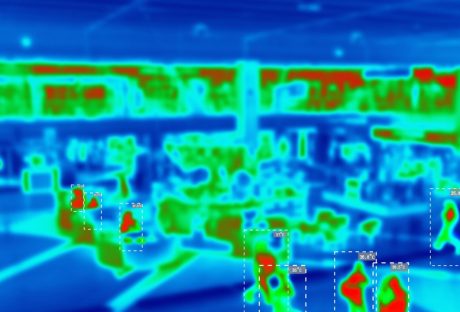
Infrared (IR) sensors represent a fascinating advancement in thermal sensor technology. These non-contact sensors measure temperature by detecting the infrared radiation that objects emit as a function of their thermal energy. This approach allows for safe and instant temperature readings from a distance, which is particularly invaluable in situations where traditional sensors would pose risks, such as in hazardous environments or for moving objects.
IR sensors extend beyond simple measurements; they harness sophisticated algorithms and optical systems to differentiate between various temperature profiles, enabling the operator to detect hotspots or temperature anomalies promptly. Applications in fields such as firefighting, electrical engineering, and medical diagnostics demonstrate their versatility. For instance, spotting an overheating electrical component before a system failure can prevent costly downtimes or accidents, while in healthcare, they can facilitate the quick assessment of body temperatures, crucial in managing infectious diseases.
Innovative Applications of Thermal Sensors Across Industries
From Automotive to Aerospace: A Thermal Revolution
The automotive industry is undergoing a dramatic transformation driven by advances in thermal sensing technology. With the inception of electric vehicles (EVs) and autonomous driving systems, ensuring optimal thermal management has become paramount. Thermal sensors monitor battery temperatures, preventing overheating and maximizing efficiency to enhance both safety and performance. The synergy between thermal sensors and battery management systems is central to extending the lifespan of lithium-ion batteries, correcting thermal imbalances, and optimizing charging cycles.
Equally pertinent, the aerospace sector employs thermal sensors for a plethora of applications including engine monitoring, structural health assessments, and environmental control systems in aircraft. The ability to maintain precise temperature metrics during flight operations is essential, considering the drastic temperature fluctuations experienced at high altitudes. Advanced thermal sensors are integrated into systems to ensure that safety thresholds are not breached, thus reinforcing the reliability and performance of modern aircraft.
Healthcare Innovations: Monitoring and Diagnostics
Healthcare has witnessed a significant infusion of thermal sensor technology, fundamentally reshaping patient monitoring and diagnostic practices. Continuous temperature monitoring is critical in determining fever thresholds and managing infectious diseases, while IR thermometers have transformed the efficiency of measuring body temperatures in clinical settings. The COVID-19 pandemic catalyzed the widespread adoption of non-contact thermal sensors in hospitals and public spaces, showcasing their ability to rapidly screen individuals for elevated temperatures.
Moreover, wearable thermal sensors have emerged as game-changers in personalized health tracking, allowing for continuous assessment of vital signs and enabling data-driven interventions. The integration of these sensors in home healthcare devices is not only improving patient outcomes but also facilitating remote health monitoring, thereby significantly reducing the burden on healthcare systems. As more sophisticated technology enters the fray, the potential for thermal sensors in diagnostics and real-time patient monitoring continues to expand, promising innovations that were once the domain of futuristic fiction.
Smart Homes and IoT: The Future of Temperature Control
As smart home technology proliferates, thermal sensors have become an integral part of Internet of Things (IoT) ecosystems. These sensors drive energy efficiency by enabling smart thermostats to optimize heating and cooling systems based on real-time temperature readings. Homeowners can achieve significant cost savings and enhance comfort levels through automatic adjustments that respond to fluctuations in indoor and outdoor temperatures.
Additionally, thermal sensors in security systems enhance safety by detecting changes in temperature that may indicate fires or unauthorized access. By integrating with smart home platforms, these sensors offer an unprecedented level of control and insight, allowing users to monitor their environments through mobile applications. As smart technologies evolve, the intersection of thermal sensing and IoT will likely lead to even more refined home automation systems, personalized climate control, and enhanced energy management strategies.
Choosing the Right Thermal Sensor for Your Needs
Key Factors to Consider for Optimal Performance
Selecting the appropriate thermal sensor for a specific application necessitates careful consideration of several factors. The first aspect to evaluate is the operational environment, as conditions such as humidity, electromagnetic interference, and potential exposure to corrosive substances can affect sensor performance and longevity. For instance, a high-precision RTD might be indispensable in laboratory environments, while a rugged thermocouple may be better suited for high-temperature industrial processes.
Moreover, one must consider the required temperature range and the precision level indispensable for the application's success. Different sensors have varying ranges with certain models optimized for extreme temperatures, while others excel in standard ranges. Additionally, resolution and accuracy are paramount often expressed in terms of Linear Measurement Accuracy (LMA) which details how accurately a sensor can measure a given temperature. Taking into account these technical specifications ensures that the thermal sensor will deliver reliable results, thus fulfilling operational requirements efficiently.
Comparative Analysis: Passive vs. Active Sensors
In the realm of thermal sensors, a fundamental distinction exists between passive and active sensors. Passive sensors, such as thermistors, generate signals based solely on their ambient temperature, making them typically less complex and cost-effective. Their simplicity, however, can impose limitations on their responsiveness and operational ranges. In contrast, active sensors, like thermocouples and infrared sensors, actively generate voltage or signal output in response to temperature changes, allowing for quicker response times and broader application scopes.
When choosing between passive and active sensors, considerations include the required responsiveness, accuracy, and environmental constraints. Active sensors are ideal for more complex applications demanding rapid and precise measurements, while passive sensors can suffice in simpler scenarios. Ultimately, understanding the operational demands and financial constraints will guide one towards the appropriate selection between passive and active thermal sensors.
Expert Tips for Sensor Calibration and Maintenance
The performance of thermal sensors hinges largely on appropriate calibration and maintenance practices. Sensor calibration ensures that the device is providing accurate measurements and is typically performed in controlled environments with reference standards. It is essential to regularly calibrate sensors against known temperature references, particularly in critical applications such as healthcare or aerospace, where even slight discrepancies could lead to significant consequences.
Moreover, maintaining thermal sensors encompasses both physical and operational care. This includes protecting sensors from potential contaminants, handling them carefully during installation to avoid damage, and ensuring they are appropriately housed in protective casings, especially in harsh environments. Regularly scheduled assessments and checks, as well as logging performance data, can help in early detection of potential issues. By establishing a robust calibration and maintenance regime, organizations can enhance the lifespan and accuracy of their thermal sensors, ensuring optimal operational efficiency.
Challenges and Future Trends in Thermal Sensing Technology
Addressing Accuracy and Sensitivity Challenges
As thermal sensing technology evolves, accuracy and sensitivity remain paramount challenges that researchers and engineers must navigate. Environmental factors, electromagnetic interference, and the physical characteristics of the materials being measured can all introduce variability in sensor performance. The need for extreme precision is particularly critical in fields like medical diagnostics and industrial automation, where slight variances can yield significant repercussions.
Advancements in materials science and engineering aim to develop sensors with enhanced sensitivity and robustness. Research is increasingly focusing on nanomaterials and innovative designs that can improve the response times and range of thermal sensors. Moreover, the deployment of machine learning algorithms to process and analyze sensor data can enable more accurate interpretations and compensations for environmental discrepancies, pioneering steps toward smarter thermal sensing solutions.
The Rise of Nanotechnology in Thermal Sensors
Nanotechnology represents an exciting frontier in thermal sensor development. At the nanoscale, materials exhibit unique thermal properties that can be leveraged to create highly sensitive and responsive sensors. By incorporating nanostructured materials in sensor designs, manufacturers are able to enhance the thermal conductivity and sensitivity, thus ensuring precise measurements even in challenging environments.
Innovations such as graphene-based thermal sensors are emerging due to their remarkable conductivity and strength. These sensors can be engineered to respond to minor temperature variations, which proves beneficial in applications requiring high accuracy, such as micro-electromechanical systems (MEMS) and biomedical diagnostics. As research continues to uncover the vast potential of nanotechnology in thermal sensing, we can expect a revolutionary shift towards more effective, compact, and reliable thermal sensor solutions.
What’s Next? AI Integration and Smart Thermal Solutions
The future of thermal sensing is increasingly intertwined with artificial intelligence (AI) and data analytics, paving the way for smart thermal solutions. By integrating AI algorithms into thermal sensor systems, real-time data analysis and predictive modeling can be achieved, allowing for proactive maintenance and innovative applications. For example, the convergence of AI and IoT thermal sensors in smart buildings can facilitate energy-efficient climate control systems, optimizing energy consumption based on real-time data.
Additionally, as the technology matures, we will witness the advent of predictive analytics that can lead to not only better temperature monitoring but also the prevention of potential malfunctions or safety hazards. This shift emphasizes a movement towards intelligent systems that not only react to temperature changes but anticipate them, revolutionizing entire industries from manufacturing to healthcare. As these technologies converge, the implications for safety, efficiency, and innovation are profound and offer a tantalizing glimpse into the future of thermal sensors.