











A Comprehensive Guide To Whitetail Deer Hunting: Tips For Beginners

Published on: 19 June 2023 Last Updated on: 05 September 2024
Resources And Further Learning

Whitetail deer hunting is an exhilarating outdoor pursuit that attracts beginners and seasoned hunters alike. This comprehensive guide provides valuable tips and insights to help beginners successfully embark on their whitetail deer hunting journey. From understanding deer behavior to honing hunting techniques, this guide covers everything you need to know to get started and maximize your hunting experience.

Understanding Whitetail Deer

Before diving into the hunting techniques, it’s crucial to understand the behavior and habits of whitetail deer. You can enhance your chances of success by gaining insight into their characteristics and preferred habitats.

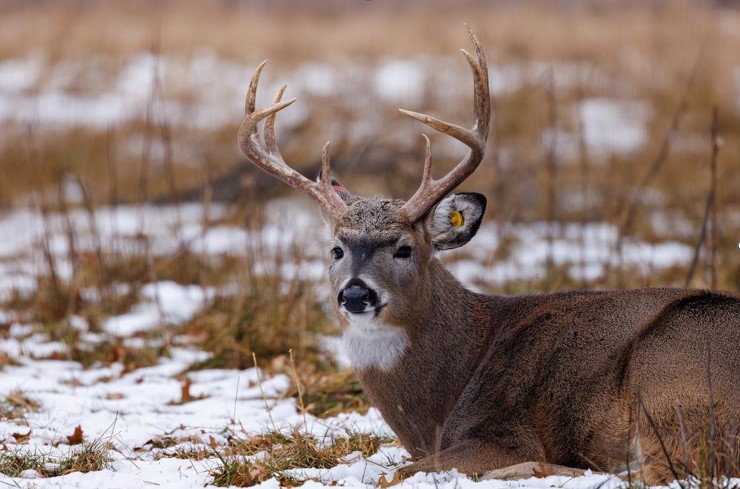
Whitetail deer are known for their keen senses and cautious nature. They are primarily crepuscular (active during dawn and dusk). Understanding their behavioral patterns and preference for certain habitats, such as wooded areas with nearby water sources, can help you identify optimal hunting locations.

Preparing For The Hunt

Preparing For The Hunt

Proper preparation is key to a successful hunt. This section will guide beginners on the essential steps, such as acquiring licenses and permits, familiarizing themselves with hunting regulations, and selecting appropriate gear and equipment. Additionally, we’ll emphasize the importance of physical fitness for an enjoyable hunting experience.

Before Setting Foot In The Wilderness:

  • Ensure you have obtained the necessary licenses and permits for deer hunting in your area.
  • Research local hunting regulations and restrictions to stay compliant and avoid any legal issues.
  • Regarding gear and equipment, invest in a reliable firearm or bow, appropriate ammunition or arrows, camouflage clothing, a comfortable tree stand or ground blind, and essential accessories like binoculars and a field dressing kit.

If you need reliable rangefinder binoculars to enhance your hunting accuracy, check out this article, “8 Best Rangefinder Binoculars In 2023 With Reviews.” Simply click here to read the article and make an informed decision on selecting the right equipment for your hunting needs.

Moreover, maintaining good physical fitness will increase your endurance and enable you to navigate rugged terrain easily.

Scouting And Locating Deer

To increase your chances of encountering whitetail deer, you need to know where to find them. We’ll explore the signs of deer activity, including tracks and rubs, and provide tips on locating bedding areas and feeding grounds. We’ll also touch upon the use of trail cameras and scouting techniques to gather valuable information.

When scouting for deer, watch for signs of their presence, such as fresh tracks, rubs on trees, and deer droppings. These indicators can lead you to bedding areas, where deer rest during the day, and feeding grounds, where they graze on vegetation.

Utilizing trail cameras in strategic locations can provide valuable insights into deer movement patterns, helping you plan your hunting strategy accordingly.

Hunting Techniques

Hunting Techniques

This section delves into the different hunting techniques for whitetail deer. We’ll cover stand hunting, including tips for selecting tree stands and ground blinds and stalking techniques that help you move quietly and utilize cover effectively. We’ll also discuss the art of calling and understanding deer vocalizations, scent control, and camouflage techniques.

Stand hunting involves positioning yourself in an elevated tree stand or concealed ground blind near deer travel routes or feeding areas. Choose a sturdy tree stand that offers good visibility and camouflage it with natural materials.

If opting for a ground blind, ensure it blends well with the surroundings.

Stalking, however, requires stealth and patience as you silently move closer to your target, utilizing available cover to remain undetected.

Mastering deer calls, such as grunts and bleats, can effectively lure them within range. Additionally, paying attention to scent control by using scent-eliminating sprays and wearing scent-blocking clothing can minimize your odor and prevent deer from detecting your presence.

Shot Placement And Ethical Considerations

A crucial aspect of hunting is ensuring ethical kills. We’ll provide guidance on understanding deer anatomy for proper shot placement and recommend aiming points for clean and humane kills. Furthermore, we’ll discuss the importance of tracking wounded deer and address ethical considerations surrounding hunting.

To achieve an ethical kill, it’s vital to understand deer anatomy. The preferred shot placement is behind the shoulder, targeting the vital organs for a quick and humane kill. Practice your aim at different distances to ensure accuracy and confidence in the field. Tracking wounded deer becomes crucial in the unfortunate event of a less-than-perfect shot. Follow blood trails and other signs of injury carefully, and be prepared to make the necessary effort to recover the animal. As responsible hunters, we must always prioritize ethical considerations, respecting the wildlife we pursue and the ecosystems they inhabit.

Safety Guidelines

Safety should always be a top priority during hunting. We’ll outline essential safety rules for handling firearms, precautions for using tree stands, and the importance of situational awareness. Additionally, we’ll touch on emergency preparedness and basic first aid knowledge.

Before handling any firearm:

  • Familiarize yourself with its operation and always treat it as if it were loaded.
  • Follow the fundamental firearm safety rules of keeping the muzzle pointed in a safe direction, keeping your finger off the trigger until ready to shoot, and identifying your target and what lies beyond it.
  • When using tree stands, ensure they are secure and wear a safety harness to prevent falls.

Maintaining situational awareness of your surroundings, including the presence of other hunters, is critical for a safe hunting experience. It’s also wise to carry a well-equipped first aid kit and be prepared for emergencies such as minor injuries or getting lost.

Processing And Butchering

Processing And Butchering

After a successful hunt, knowing how to handle and process the harvested deer is important. This section will cover field dressing techniques, transporting and storing meat, and basic butchering tips to ensure you maximize your harvest.

Field dressing is the process of removing the internal organs of the deer to cool down the carcass and preserve the meat. Ensure you have the necessary tools, such as a sharp knife and latex gloves, to perform this task properly. Properly field-dressed deer should be transported as quickly as possible to a cool environment.

Once home, the deer can be further processed by skinning, quartering, and deboning. Proper storage, such as refrigeration or freezing, will help maintain the quality of the meat until you’re ready to cook it.

Post-Hunt Activities

Completing the hunting cycle, we’ll discuss the necessary steps for reporting your harvest and complying with legal requirements. Additionally, we’ll explore options for trophy preservation and taxidermy, allowing you to cherish the memories of your successful hunt.

Check your local regulations for reporting requirements and ensure you fulfill them within the specified timeframe. If you wish to preserve the memory of your hunt, you may consider trophy preservation through taxidermy. Consult professional taxidermists specializing in deer mounts and discuss your preferences and budget to determine the best options.

Resources And Further Learning

Resources And Further Learning

This section provides valuable resources for beginners seeking additional information and learning opportunities. We’ll highlight online forums, communities, and websites dedicated to whitetail deer hunting. Furthermore, we’ll recommend hunting education programs, workshops, as well as books, magazines, and videos for further enrichment.

Expand your knowledge and connect with other hunters by joining online forums and communities dedicated to whitetail deer hunting. These platforms provide opportunities to ask questions, share experiences, and learn from seasoned hunters.

Consider participating in hunting education programs or workshops offered in your area to enhance your skills and knowledge further. Books, magazines, and videos focusing on deer hunting techniques, gear reviews, and hunting stories can also provide valuable insights and inspiration.

Conclusion

In conclusion, this comprehensive guide has equipped beginner hunters with valuable insights and tips for successful whitetail deer hunting. By understanding deer behavior, honing hunting techniques, and prioritizing safety and ethical considerations, you’re ready to embark on this thrilling adventure and create unforgettable memories in the wilderness. Remember always to respect wildlife and the environment, and may your whitetail deer hunting journeys be rewarding and fulfilling.

As you begin your hunting journey, it’s essential to prioritize physical fitness. If you’re looking to kickstart your fitness journey and improve your endurance for hunting, we have a helpful resource for you. Check out our article “4 Tips For Getting Starting With Your Fitness Journey Today” to find practical advice and guidance on getting started with your fitness routine. Taking care of your physical well-being will enhance your hunting experience and contribute to a healthier and more enjoyable lifestyle overall.

Read Also :

Abdul Aziz Mondol is a professional blogger who is having a colossal interest in writing blogs and other jones of calligraphies. In terms of his professional commitments, he loves to share content related to business, finance, technology, and the gaming niche.

View all posts

Leave a Reply

Your email address will not be published. Required fields are marked *

Related

CBD Oil For Dogs

The Top Benefits of CBD Oil For Dogs

The nootropics market has recently been overtaken by a miraculous substance, known as CBD oil. Cannabidiol, its full name, is actually one of the numerous compounds found in the cannabis Sativa plant, which unlike most of the other compounds, is very low on THC levels. It’s considered to do wonders for both physical and mental health by affecting the endocannabinoid system which is responsible for regulating the memory as well as the feeling of pain, sleepiness, anxiety, stress, and much more. Nevertheless, humans aren’t the only ones experiencing the benefits of this drug. Many pet owners have tried to improve their pets’ wellbeing by using CBD, especially for their dogs and cats. It has nearly identical benefits as the ones it has on humans. Nowadays, you won’t have any problem finding a dog or a cat page, selling this oil online. If you aren’t still persuaded by the potential effects of CBD on your dog’s health, then the following benefits will certainly change your mind. Alleviates pain and inflammation: Pets are experiencing pain and inflammation more often than you think. This unpleasant feeling can be caused by an injury that results in sprained joint or paw, arthritis which develops gradually as pets grow older, problems with the digestive system which cause inflammation of the internal organs, or skin inflammation which can easily turn into an infection. Dogs and other pets are showing signs that they aren’t in their best shape, which you are supposed to recognize in order to relieve them from the discomfort they’re feeling. Perhaps the most common indicator of experiencing pain is having trouble walking which is demonstrated by raising the injured leg in the air. Other signs include: showing no excitement towards everyday activities such as playing around or taking a walk; lack of appetite, excessive sleeping, and licking the place where they feel pain. CBD oil uses its anti-inflammatory traits to manage the pain and inflammation reception in the brain. It influences the way in which receptors respond to the pain signals which the body is sending to the brain. Read more about its benefits on chronic pain. Reduces anxiety: You’ve probably wondered countless times what provokes your dog’s aggressive behavior. The answer is unbelievably simple; anxiety. Dogs can be as anxious as humans or even more, as they can’t channel their stress and anger through conversation, only through producing loud noises or destroying the furniture at your home. This anxiety can be related to separation, as many dogs get nervous when their owner leaves the house. It can also result out of fear from an unexpected noise or a person which they haven’t seen before. CBD reduces anxiety and stress levels by affecting the hormone serotonin, which is known as the hormone of happiness. It doesn’t have a direct impact on the serotonin level, but it influences the brain receptors which respond to this hormone. Treating epilepsy: Epilepsy is actually a quite common medical condition in dogs, resulting from the improper function of the nervous system. When your dog’s nervous system doesn’t function in the manner it’s supposed to do, it’ll affect its movements which simply go out of control. Dogs are losing balance, falling frequently for no reason, fighting with imaginary enemies, etc. In case you’ve noticed this type of symptoms just once, then your dog probably had a seizure. However, if these symptoms become repetitive, it’s a certain indicator of epilepsy. CBD helps in the treatment and prevention of epilepsy by affecting the endocannabinoid system, responsible for maintaining the balance of our nerve functions. Although you can find this substance in both oil and tablet form, the former one is easier to administer as you can put drops into your dog’s food or directly to its tongue. If you’re not sure about the proper dosage, visit the following link: caninejournal.com/cbd-dosage-for-dogs, to clear things up. Wrap up: Being a pet owner means looking after your dog or cat by providing it with good nutrition and care, but also noticing its sudden physical and behavioral changes. In case you recognize some pain, anxiety, or epileptic signs, CBD oil is the right cure to choose! Read Also: How Your Pet Will Change Your Life How CBD Oil Capsules Are Changing People’s Lives Pet Supplements: Which Ones Are The Best For Your Pet? 4 Cool Things You Probably Didn’t Know About Service Dogs

READ MOREDetails
Waterproof Bed Your Dog Needs

Pawsitively Essential: 10 Justifications For A Waterproof Bed Your Dog Needs

People are eternally grateful for your beloved friends, and as pet owners, you should always put their comfort first. Purchasing a waterproof bed is one important, yet sometimes disregarded, step toward furnishing your dog's room so that it is comfortable and healthy. A Waterproof Dog Bed is convenient; it has several advantages for your pet and your house. This article discusses ten reasons why your dog needs a waterproof bed. 1. Mishaps Occur Dogs can have accidents, just like people do, especially puppies or older incontinent dogs. Water doesn't soak into the mattress since a waterproof bed is a barrier. This is especially helpful in keeping your pet's sleeping space fresh and odor-free. 2. Easy Clean-Up A waterproof bed makes cleanup easier after spills, muddy paws, or unplanned mishaps. Liquids are kept from seeping into the bed's core by the waterproof layer, making spot cleaning simple and avoiding stains and smells. Your pet's living environment becomes cleaner and healthier as regular upkeep becomes easier. 3. Mold And Mildew Prevention Wet conditions can encourage mold formation and mildew, harming people's and pets' health. As a barrier, a waterproof bed keeps moisture from building up inside the mattress. This preventative step guarantees a dry, pleasant sleeping area and protects your dog from future respiratory problems. 4. Sturdiness Of The Mattress Over time, moisture—from spills or accidents—can weaken a dog bed's structural integrity. Waterproof mattresses are engineered to endure the trials presented by submersion in liquid, hence augmenting their longevity. A waterproof option guarantees the bed stays in top shape and offers your pet long-lasting comfort. 5. Control Of Odor Not only does liquid absorb into a dog bed, but it also produces foul smells. Waterproof beds lessen this problem by keeping liquids from seeping through the mattress. This barrier ensures that your dog's sleeping area is clean and welcoming, making cleaning easier and aiding in odor management. 6. Exclusion Of Allergens Like people, dogs may have sensitivity to allergens like mildew and dust mites. A waterproof bed creates an effective barrier against these allergens, giving your pet a healthier place to sleep. Dogs who suffer from allergies or respiratory problems would especially benefit from this as it helps minimize potential triggers. 7. Fitness For Usage Outside A waterproof bed is a great tool if your dog loves being outside or if you take them on frequent travels. It may be used outdoors due to its moisture resistance, giving your dog a cozy and dry place to relax, whether at the beach, camping, or just hanging out in the backyard. 8. Control Of Temperature Temperature-regulating and breathable materials are frequently seen in waterproof beds. This guarantees that your dog is comfortable in all kinds of weather, whether on a sweltering summer day or a freezing winter night. Together with these temperature-regulating qualities, the waterproof feature offers a comprehensive solution for your dog's well-being. 9. Design That Is Cozy And Supportive In addition to being practical, waterproof beds are made with your dog's comfort in mind. Numerous choices have orthopedic and supporting designs that relieve dogs suffering from arthritis or joint problems. These beds are a great option for dogs of all ages and health concerns because of their twin functionality of comfort and waterproofing. 10. Pet Owners' Peace Of Mind And lastly, pet owners may rest easy knowing their bed is waterproof. You can unwind and spend quality time with your dog, knowing their sleeping area is guarded against spills and accidents. It also reduces anxiety about possible harm to your house, so you and your pet may live together harmoniously. The Sensible And Conscientious Option For Waterproof Dog Beds Purchasing a waterproof dog bed is a wise and advantageous choice that extends beyond ease of use. The numerous benefits include reducing the risk of accidents and making cleanup easier, encouraging a healthy sleeping environment, and guaranteeing the bed's longevity. A waterproof bed is a considerate investment in your dog's comfort and well-being and a useful addition. You are improving your pet's quality of life and strengthening your relationship with your cherished dog friend by giving them a dry, clean, and comfortable place to sleep. Top 6 Benefits Of A Waterproof Dog Bed While you are buying the best bed for your pooch, every pet parent will want the best dog products across the market. Below, I will discuss the top 6 benefits of the waterproof dog bed. 1) Materials And Features Of Waterproof Dog Beds  Before diving into several other benefits of a waterproof dog bed, let's look at what these are all about. Essentially, these are two types of waterproof dog beds. In this case, some enhance the waterproof lining, which wraps around the outermost shell of the bed. This is an ideal option to prevent liquids such as urine or water dripping from a wet dog from penetrating the interior filling of the bed. 2) Water Resistant Dog Beds One of the most confusing elements of purchasing a dog bed is whether you can trust the high moisture or the wet environments. Undoubtedly, there are substantial differences between water-resistant and waterproof dog beds. It is also essential to know them before committing to the purchase. Above all, waterproof dog beds will prevent any liquid from penetrating the fillings of the bed. Conversely, water-repellent and water-resistant materials will help you control the limitations of small quantities of water. 3) Waterproof Dog Beds, Hygienic  Since water, bacteria, and urine will have a more challenging time penetrating via the outer lining. In this case, you can be sure that the bed's bed will stay clean and hygienic for a longer time. Of course, cleaning a stained and dirty waterproof lining is incredibly easy. In this case, you can only use the hose or throw the washing machine. If the waterproof lining becomes destroyed beyond repair, this is easier to replace. You will only be able to do so by just buying a new cover instead of the entire bed. 4) Waterproof Dog Beds Are Odor-Resistant  When your dog comes back from a mud and wet place, it lies on the dog bed and smells very bad. That is why a waterproof dog bed is odor-resistant. In this case, there is no doubt that an odor is not just one of the most valuable but also a little pricey for having the mushy dog all around. Therefore, odor-resistant bedding will help you manage an issue without much effort. 5) Waterproof Dog Beds Are Long-Lasting  If you are buying any non-durable waterproof dog bed, it would be hard to be durable. Dogs are experts in replacing bed sheets and other cotton cotton-relatable. That is why I suggest you buy a waterproof dog bed with memory foam filling and synthetic fabrics to easily pick this up for many years. However, waterproofing has to compromise comfort in waterproof dog bedding. Read Also: Gift For Dog Lovers Asobubottle.Com: Best Pet Water Bottles In 2023! 6) Dog Waterproof Beds Can Easily Be Used Both Indoors And Outdoor  Dogs usually love to spend more time outdoors and also always love to run on grassy fields and beaches. As the summer season approaches, dogs should be kept indoors for a very long time to avoid any health threat. You can only can't use them indoors for softer or even more delicate materials. Indeed, multiple natural elements such as sun and rain can severely impact the structure, health, and look of your dog's dog. If you want to spend a little fortune, there are better ways to take care of your investment. Additionals: 5 Reasons Why Your Child Needs a Dog The Best Dog Breeds For Fitness Fanatics Food Allergies in Dogs and How You Can Prevent it? Can Dogs Make the Anti-Social Kids Socialize Better?

READ MOREDetails
CBD Oil

Is CBD Oil & Edible Treats Safe for Pets – Dogs & Cats

CBD oil is on the rise among individuals as well as pet owners. Learning about CBD and how it helps different ailments many people have got on board. Who can use CBD oil and what is CBD oil? What are the side effects of CBD oil the good ones and the bad ones? What is CBD oil? CBD oil is cannabidiol; which comes from hemp. Hemp produces chemicals that can be extracted for homeopathic remedies. CBD oil derived from hemp contains less THC than that of its relative to the marijuana plant; therefore you will not get your pet high from the amounts of THC in the CBD oil according to SimplyPets.com. When CBD is used it affects the endocannabinoid system, which all mammals have. Researchers have found that phytocannabinoid cannabidiol is also responsive to the system as our bodies naturally produce certain cannabinoids. This research has claimed that cannabinoids such as CBD have been found useful in helping many ailments. How can CBD oil help pets? Many pets go through changes in their lives such as aging. When we as humans grow older we slowly develop conditions that cause inflammation, pains, digestive issues, cancers, and many other illnesses. Pets go through a lot of these same conditions.  Pets develop stress and anxiety that CBD oil can help with. CBD uses the endocannabinoid system to mimic our bodies’ natural receptors to help with pains, moods, and emotions. The natural ones our bodies make are more localize and don’t travel far. Side effects of CBD oil: The side effects of CBD oil in pets are considered minimal. Pets may get dry mouth from the use of CBD oils as CBD can decrease saliva production. Lowered blood pressure is another possible symptom of a temporary side effect. Pets may also experience bouts of drowsiness. These are the most common negative side effects of CBD oil found. The positive side effects of CBD oil include being more playful. This is because they have less pain and inflammation which are also side effects of using CBD oil. Pets may be able to handle noises and strangers better as CBD oil also helps calm their nerves; helping with stress and anxieties.  Pets may appear to be less grumpy due to CBD oil helping with pains and inflammations. Is CBD oil safe for pets? CBD is being tested by researchers to find what all it is capable of; they know that it aids in many benefits. CBD oil is safe for pets in small amounts; pet dosages are a lot less than human dosages as they don’t need as much to help with their illnesses. CBD oil can be given orally if the pet will take it but may need to be mixed in with food. The biggest answer to this question is to ask what medicines your pet is already on.  Are these medications safe, do they have a long list of possible side effects? What are those side effects in comparison to the CBD oil you can give your pet? Read Also: CBD The Solution To Insomnia How Does The Training Of Defence Dogs Look Like?

READ MOREDetails