











What Is Uninsured Motorist Coverage?

Published on: 29 August 2018 Last Updated on: 11 September 2024
Motorist Coverage

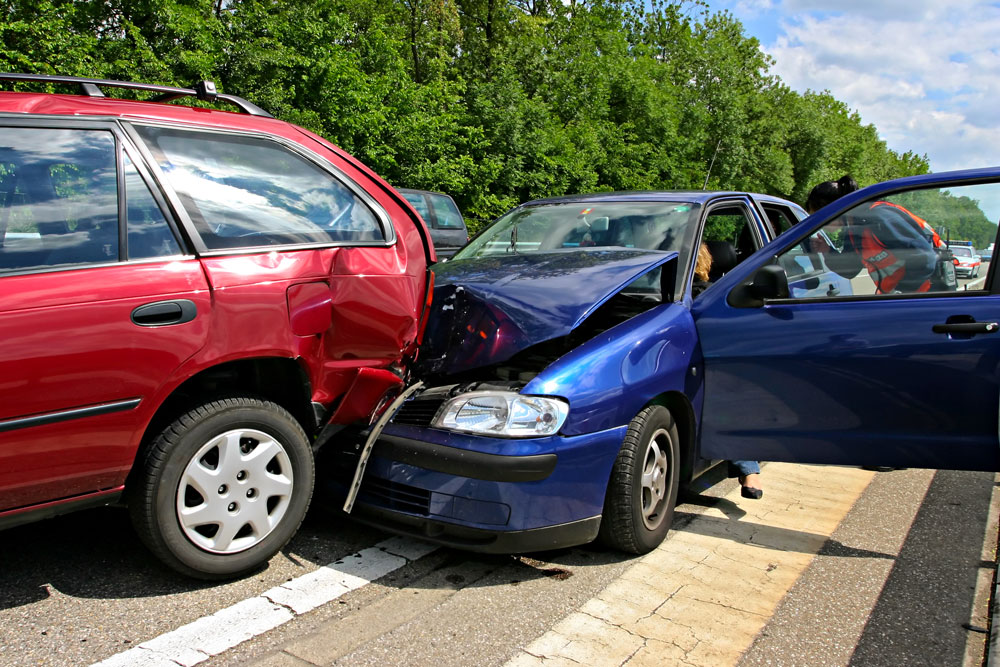
You may have wondered what your Uninsured Motorist Coverage actually entailed on your car insurance policy as a Tennessee driver. You may not have known, but insurance companies estimate that almost 15% of drivers are operating without insurance. If you are struck by an uninsured motorist, there is no way for you to recover money for damages, injuries, or pain and suffering that resulted from the accident. Therefore, many insurance companies — and a growing list of states — make Uninsured Motorist Coverage mandatory in their policies. This way, you are protected in the event that you are in an accident with an uninsured driver.

What does my Uninsured Motorist Policy Cover?

The specifics of your uninsured motorist policy will vary from company to company, but in the most general terms, you and your passengers are covered for bodily injury, property damage, lost wages, or pain and suffering. Additionally, the policy-holder will be covered in the event of a hit-and-run, where it is impossible to determine who the driver was, let alone if they were insured or not. Note that your uninsured motorist policy is not the same as an UNDERINSURED motorist policy, which will cover the difference between your injuries and the maximum of the other person’s policy.

Bodily Injury Coverage

If you or your passengers suffer personal injuries in an accident with an uninsured motorist, your policy will cover medical bills, lost wages, as well as pain and suffering. Without this policy, being struck by an uninsured motorist would shoulder each individual with the burden of a lack of coverage that was out of their control. Bodily and emotional suffering are often hard to quantify in a car accident, and therefore makes a personal injury lawyer indispensable to claim what is rightfully owed. If you or your passengers have suffered bodily or emotional injury as the result of a wreck with an uninsured motorist, it is suggested you consult with a personal injury lawyer in Knoxville, TN.

Property Damage Coverage

Property damage is easier to quantify than personal injury because it will reflect the values of repairs or replacements. Even though this is the case, there are still many nuances that you must navigate to ensure you get the proper reimbursement for your situation. Consulting with an attorney is the best way to ensure that your situation is fully rectified with your insurance company and that you or your passengers will feel fairly compensated for your accident with an uninsured driver. It was not your fault that the other driver was uninsured, and it should not be your financial burden.

Am I required to have Uninsured Motorist Coverage in Tennessee?

Yes, you are required to have an uninsured motorist clause on your insurance policy in Tennessee. Hopefully, you will never be required to use this coverage, but in the event that you must, you can rest easy knowing that you are properly covered even though the other driver was fully uninsured. A growing number of states legally require each insured driver to have this additional coverage, and Tennessee is one of these states.

Read Also : 

Feature image source: theandrewagency.com

Content Rally wrapped around an online publication where you can publish your own intellectuals. It is a publishing platform designed to make great stories by content creators. This is your era, your place to be online. So come forward share your views, thoughts and ideas via Content Rally.

View all posts

Leave a Reply

Your email address will not be published. Required fields are marked *

Related

Trucks Safer To Drive Than Cars

Are Trucks Safer To Drive Than Cars?

The debate over whether trucks are safer to drive than cars has been a topic of contention among motorists for years. While trucks offer certain safety advantages due to their size and weight, it's essential to examine the nuances of both vehicle types and dispel common misconceptions. Here, we'll explore the factors that contribute to vehicle safety and provide insights into the comparative safety of trucks and cars on the road. So, make sure to stay connected till the end as we are about to delve into a world of trucks vs cars. Let’s get started then. Size And Weight: A Double-Edged Sword One of the primary arguments in favor of trucks being safer than cars is their larger size and heavier weight. In a collision between a truck and a car, the truck's mass can provide a protective advantage by absorbing more of the impact force and reducing the severity of injuries to occupants. Additionally, trucks typically ride higher off the ground, which can offer better visibility and protection in certain types of accidents, such as side-impact collisions or collisions with smaller vehicles. However, the size and weight of trucks can also pose safety challenges, particularly in terms of braking distance and maneuverability. Trucks require more time and distance to come to a complete stop due to their increased mass, which can increase the risk of rear-end collisions or accidents in stop-and-go traffic. Additionally, trucks have larger blind spots and wider turning radii, which can make it more difficult for drivers to see other vehicles and navigate tight spaces safely. Vehicle Design And Safety Features Both trucks and cars are subject to rigorous safety standards and regulations aimed at protecting occupants in the event of a crash. Modern vehicles are equipped with an array of advanced safety features designed to mitigate the risk of accidents and reduce the severity of injuries. These features may include: Airbags: Both trucks and cars are equipped with front and side airbags designed to deploy upon impact and provide cushioning for occupants. Anti-lock Braking Systems (ABS): ABS helps prevent wheels from locking up during hard braking, allowing drivers to maintain steering control and reduce the risk of skidding or losing control. Electronic Stability Control (ESC): ESC helps prevent skidding and loss of control by automatically applying brakes to individual wheels and adjusting engine power as needed. Collision Avoidance Systems: Some vehicles are equipped with advanced collision avoidance systems that use sensors and cameras to detect potential hazards and alert drivers to take evasive action. While these safety features are common in both trucks and cars, the effectiveness of these systems may vary depending on the specific make and model of the vehicle. Additionally, trucks may be equipped with additional safety features, such as electronic trailer sway control or adaptive cruise control, which can further enhance safety on the road. Driver Behavior And Training Ultimately, the safety of any vehicle depends largely on the behavior and skill of the driver behind the wheel. As noted by the truck accident lawyers in Lexington, safe driving practices such as obeying speed limits, maintaining a safe following distance, and avoiding distractions are essential for reducing the risk of accidents regardless of the type of vehicle being driven. Additionally, specialized training and experience are crucial for operating larger vehicles such as trucks safely. Truck drivers are required to undergo extensive training and obtain a commercial driver's license (CDL) to operate commercial vehicles legally. This training covers topics such as vehicle operation, defensive driving techniques, and load securement, which are essential for safe and responsible truck driving. While car drivers are not subject to the same level of training and licensing requirements, they can still benefit from defensive driving courses and other educational resources to improve their skills behind the wheel. Roadways Prevalence And Rate Of Accidents NHTSA, or the National Highway Traffic Safety Administration, registered more than 6 million car accidents in 2018 in the U.S. Out of these, almost 3.5k reported severe injuries and near-death experiences. This indicates an average of 9 deaths for every 100 million road vehicles. On the other hand, severe truck accidents had a lower percentage of traffic fatalities, just 0.8%. This accounts for 4,370 deaths but with a higher rate of fatality. This indicates that out of every 100 million trucks on the road, 28 deaths took place. When it comes to roadway prevalence, cars tend to dominate major traffic for almost 86%. Further comes the light-weighted SUVs and vans, which accounted for 8%, and excessively heavy trucks for 5%, whereas two-wheelers make up only 1% of the rest. Commercial trucks weigh up to 80,000 lbs, whereas passenger vehicles do not weigh more than 4,000 lbs. This alone demonstrates the dominance of heavy machinery and transport on the road. Read Also: 10 Tips to Prevent Truck Accidents: The Complete Guide for Truck Drivers Concluding Words The question of whether trucks are safer to drive than cars is not a straightforward one. While trucks offer certain safety advantages due to their size and weight, they also present unique challenges in terms of braking distance, maneuverability, and visibility. Both trucks and cars are subject to stringent safety standards and equipped with advanced safety features designed to protect occupants in the event of a crash. Ultimately, the safety of any vehicle depends on a combination of factors, including vehicle design, safety features, driver behavior, and training. By practicing safe driving habits, staying vigilant on the road, and respecting the capabilities and limitations of their vehicles, motorists can help minimize the risk of accidents and ensure a safer driving experience for everyone. So, that’s the ned of this article. Let us know what you think about both these significant modes of transport in the comment box below. Thank you for reading- see you again! Read Also: Truck Accident Scenarios: Who Is Liable? Truck Driver App: Revolutionizing The Trucking Industry 3 Safety Regulations That Indiana Truck Companies And Drivers Must Follow

READ MOREDetails
Porsche Owners

Knowing Your Vehicle: 5 Maintenance Tips for Porsche Owners

There are certain luxury car marques that define an image as soon as the name is mentioned and Porsche is right up there as an iconic brand.If you are a Porsche Owners then you should know these beneficial tips for your car. If you took the decision to join the Porsche club a while ago you will want to ensure that you get to know how to get the best out of your car from a performance and retentive value perspective. Browsing a site such as webuyexotics.com will confirm the value and prestige that Porsche commands and you might even see a new model that might tempt you. In the meantime, you will obviously want to keep your car in the best possible shape and a great way to do that is to learn some useful maintenance tips. Here are some maintenance tips that all Porsche owners should know. Maintenance Tips for all Porsche Owners: Look after your brakes: You don’t need to be told how important it is to be proactive with the maintenance and repair of the braking system on any car but there are also some features and issues that are particularly relevant to Porsche models. If you don’t use your Porsche or you are not Porsche owners on a regular basis there is a potential risk that the brake discs can suffer from corrosion. If you are not using your car that frequently and it has been standing around for a while, even if that is in a garage, you should arrange to take a close look at your brakes to see how they are holding up. The issue to be mindful of is that on Porsche’s it can often be the back of the disc that is most badly affected, which you can’t see without closer inspection of the vehicle. You will probably notice if there is any pitting or corrosion as there will be a noticeable reduction in the efficiency of your brakes and you might feel vibration when you try to slow down. Check and replenish fluid: Another aspect of your braking system that is easy to overlook but could create a dangerous situation is the quality of your brake fluid. It is a good idea to check the state of the fluid at least once a year or less. You may not be aware that brake fluid diminishes with age and it also has the capacity to soak up moisture and suffer corrosion. Combined, those issues could cause your braking performance to suffer and that could be dangerous if your brakes can’t respond as you want. A simple but effective maintenance tip is to check the brake fluid and consider changing it when you perform an annual service. Don’t ignore steamy windows: There are a couple of specific Porsche models that are known for suffering from water ingress issues, namely the 996 Cabriolet and Boxster. A good clue to look for would be if your windows are steaming up. It is wise to take notice of this warning sign as the electrical contact unit under the floor of the lefthand front seat could become damaged by the moisture. The way to help avoid this scenario is to regularly check the drains located just beneath the soft top and ensure they are kept clear. If the problem persists, you should also check the membrane behind the door to see if it is working efficiently. Evidence of damp at the bottom of the door panels would suggest that it is not, which could be one reason why you are getting steamy windows. Check your transmission fluid: If you want to keep your car running smoothly and preserve the life of the engine a good maintenance tip would be to keep a close eye on the state of your transmission fluid. It is easy to see how healthy your transmission fluid is by the color. If it is pink or red that means it is clean, but if the fluid is black it is dirty and definitely needs changing as soon as possible. As a general guide, change your transmission fluid somewhere around 75,000 miles and don’t leave it any longer than 100,000 miles. A good way to check the fluid would be to let your Porsche warm up before removing the dipstick and checking the levels and color. Some models need an oil change quicker than others: It is a good idea to find out the average lifespan of the engine oil relevant to the Porsche model you own and the intervals can vary. A 993, for example, should get an oil change every 3,000 to 5,000 miles if you are going to enjoy a good performance and keep your Porsche on the road for as long as possible. Read Also: Best Carpet Maintenance Practices Prepping Your Vehicle For Winter Weather Driving Buying a Used Car? Few Negotiating tips, you can use Honda Cars in Watertown NY: 8 Things to Check Before Buying a Second-Hand Car

READ MOREDetails
Commercial Truck Insurance

4 Things You Need To Know About Commercial Truck Insurance

Different coverage features are available for commercial truck owners who wish to protect their vehicles. Commercial truck insurance plans also protect your employees. Remember, personal auto policies won’t cover commercial trucks. Here are four things to know when you’re shopping around for the right commercial truck insurance. 1. Commercial Truck Insurance Coverage: Coverage for commercial truck insurance plans fall under three categories: Basic Coverage: Basic coverage for commercial trucks includes collision and comprehensive protection. Collision insurance covers the cost of the other automobile in an accident wherein you (as the driver of the commercial truck) were at fault. Comprehensive insurance works similarly as collision protection, but this coverage helps cover costs from accidents other than collisions. Specialized Coverage: Companies who wish to add additional protection to their truck insurance policies may opt for specialized coverage. One example is cargo insurance wherein the insurance firm can cover the costs for losses or damages to cargo. The total claimable amount depends on the nature and value of the load. Non-Trucking Coverage: Individual coverage may not directly relate to commercial trucking but may still be reliable in certain situations. Commercial truck coverage may include bobtail, non-trucking liability, occupational accident, and personal item insurance. Here’s a brief description of non-trucking coverage plans: Bobtail insurance: Takes effect after the delivery of the package and the vehicle is being driven without cargo. Non-trucking liability insurance: Applies when the vehicle isn’t transporting cargo with or without a connected trailer. Occupational accident insurance: It covers the operator for accidental death or dismemberment during truck driving. Personal item insurance: This coverage covers the full or partial costs of lost or damaged personal items in the commercial truck. The coverage for the insurance plan can differ depending on the truck. Large vehicles that may be part of the security policy may include: Tractor trailers or 18-wheelers Garbage trucks Tow trucks Tank trucks Dump trucks Automobile haulers Flatbed trucks Box trucks 2. The Need for a Commercial Truck Insurance: Commercial truck businesses may need financial help to protect the company’s assets from burdens caused by particular incidents. A commercial truck insurance plan is ideal if your employees are driving vehicles to make deliveries, run errands, or drive people on behalf of the business. You may need coverage for your commercial truck business if you use your firms’ vehicles to: Carry equipment Transport hazardous material Use, carry, or transport heavy construction equipment Deliver newspapers Deliver retail or wholesale products Most commercial trucking companies will need basic coverage for their insurance plans. Still, there are certain situations wherein there might be a need for additional coverage. Ask your insurance agent if you may need other features for the insurance policy. 3. Getting Commercial Truck Insurance Quotes: The values concerning commercial truck insurance varies depending on the truck and nature of the business. These factors may make it difficult to gain a side-by-side comparison for different quotes. Work with your insurance agent to break down individual elements to help you achieve the right insurance policy for your trucking company. To get accurate values for your insurance quotes, your agents may ask you: The full names of the employees driving your trucks Locations of the truck operations (e.g., construction sites and hard hat areas) The commonly delivered packages Annual distance traveled in miles of the trucks Don’t forget to include the driving records of your employees when showing data to your insurance agent. The pieces of information will help you and your agent gathers quotes hoping to give you value from your insurance policy. 4. Commercial Truck Insurance Premiums and Deductibles: Premiums for commercial truck insurance policies are payable in advance through monthly payments. Insurance companies may allow policyholders to cancel the plan at any time. Cancellation may not affect the credit score, but you need to pay all the premiums before the date of cancellation takes effect. Also, insurance premiums may be higher if the policyholder or the truck’s driver has a bad driving record. Remember, insurance companies test the level of risk of policyholders. Hence, drivers with recorded accidents may have to pay higher deductibles than a truck operator with a clean driving record. Commercial truck insurance policies are essential to trucking businesses regardless of size. Commercial truck coverage joins the top things to consider when starting a small trucking company. All insurance policies help you gain peace of mind. It’s best to resist the temptation to cut coverage hoping to reduce costs. Work with a reliable insurance firm to help you see the coverage you need for your trucks and drivers. Read Also: Fred Loya Insurance Company Why You Need Classic Car Insurance? Car Insurance For Electric Vehicles Explained 4 Expert Tips For Finding The Cheapest Insurance For You 7 Reasons Why Teenagers Pay Extra For Car Insurance Why You Need To Choose High-Quality Spare Parts For Your Truck

READ MOREDetails