










What Are Renewable Sources And How To Introduce Your Household

Published on: 09 January 2018 Last Updated on: 22 February 2020
Choose Right Sourcing Company

In the face of exhaustion of so many natural resources and ever-increasing pollution some of them cause, the need has arisen for renewable and less aggressive sources of energy. You must have heard of so many alternatives to fossil fuels which, unlike them, can be regenerated or replenished.

If you are environmentally conscious or trying to become so, you are probably thinking about introducing some of those alternative resources, at least partially, since any decrease in CO2 emission or electricity usage is helpful to the planet. Numerous tech companies are attempting to introduce these technologies into our everyday lives like https://www.streetlights-solar.com/solar-street-lighting.html.

Here is a brief overview of the most popular and most convenient renewable energy sources. The most popular ones are biomass, geothermal, wind, solar and water. They are all very useful and applicable in the industry, however not all of them can be easily introduced in your household, so here some more info about that, too.

Solar Energy Systems

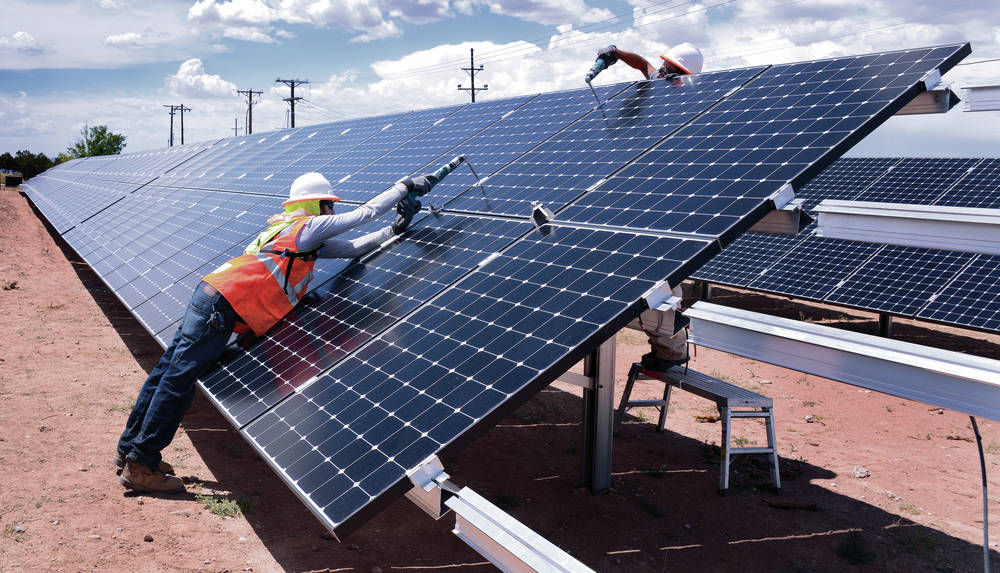
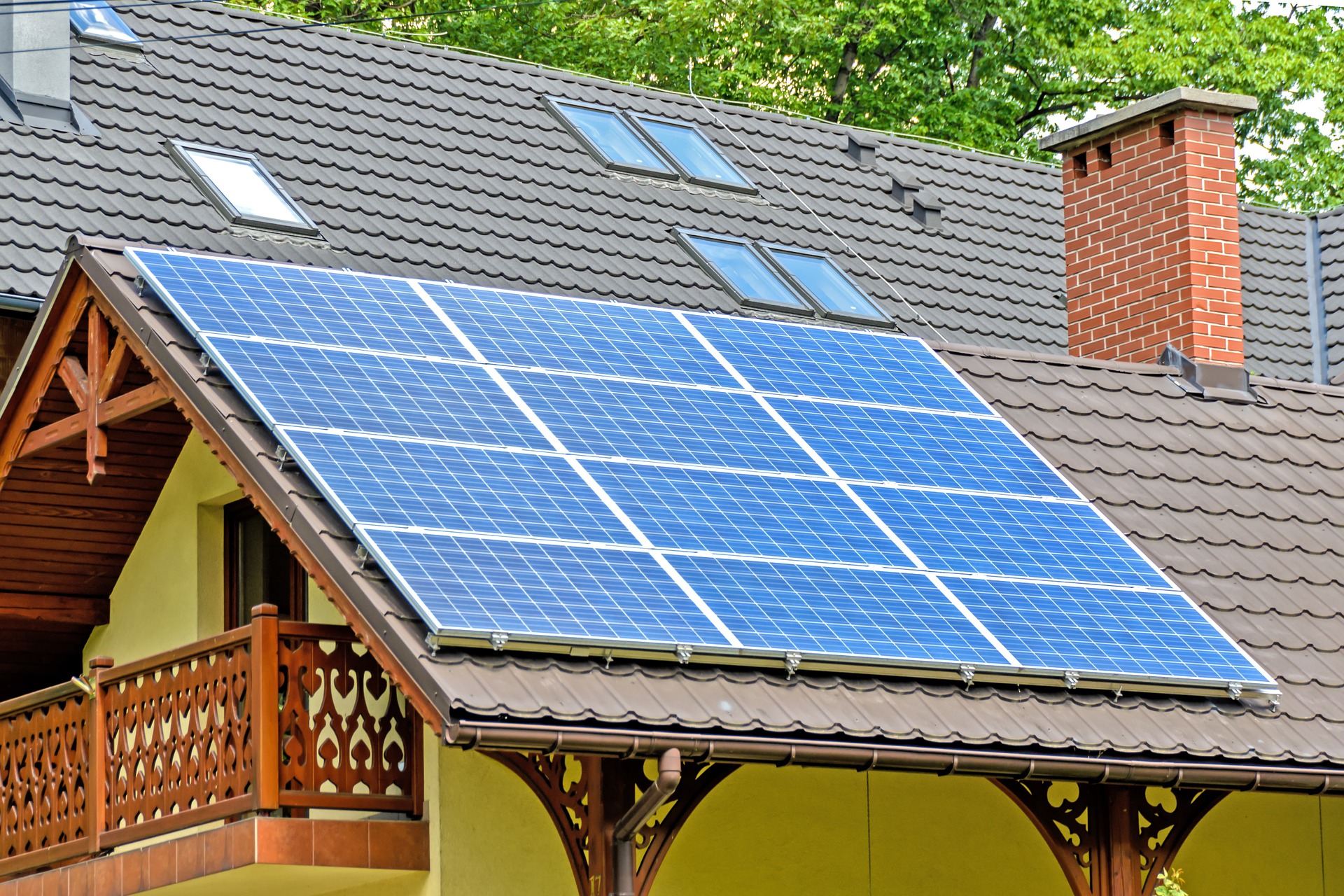
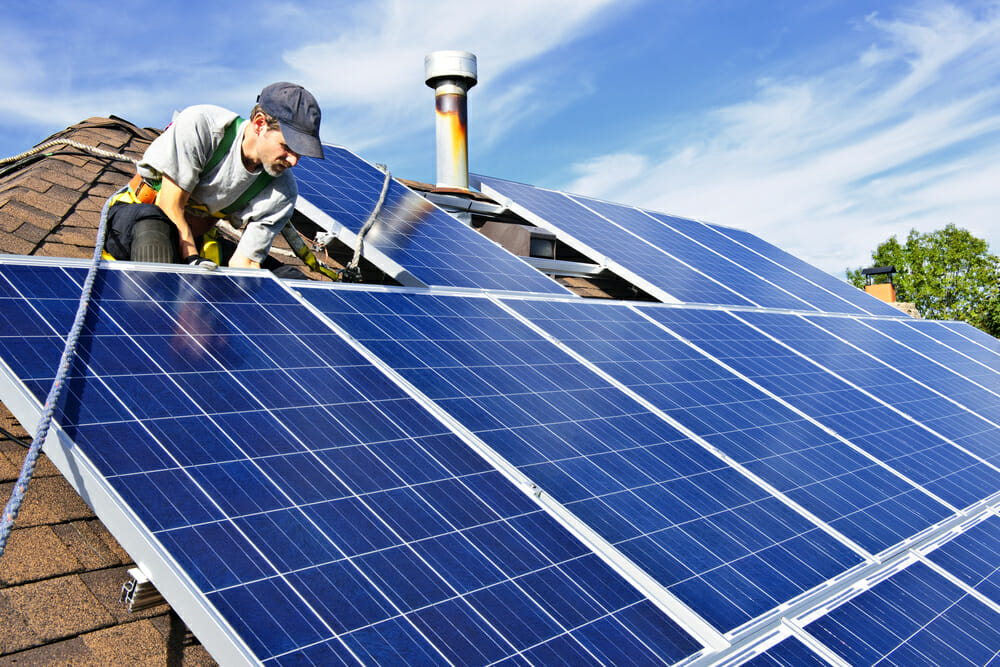
Photovoltaic (solar) systems have become the most widely spread renewable source of energy in households. Solar modules turn solar energy into electricity. They can be used to provide electricity, heating and hot water. These photovoltaic modules, better known as solar panels, have no movable parts, so they’re quite reliable and don’t require much maintenance.

The most common way they are made is a group of photovoltaic cells in order to reach a size and electrical output which makes it viable and usable. They are really practical and suitable to use both in rural and urban areas because they don’t take up too much space, they don’t make any noise and aren’t heavy. Once installed, these devices are completely independent of the electrical grid and can power the devices that are connected to them.

There are several types of photovoltaic cells, so always contact solar energy experts for help before you make a decision which ones to install. Solar panels come in different sizes, from 2 to 350 Wp electricity output, but the most widely sold and used sizes are from 160 to 240 Wp. Photovoltaic modules are either stand-alone, usually installed in a frame, free-standing or on a roof, or most often integrated into the building itself.

Wind Generators

I’m sure you’ve all seen those huge wind turbines beside the road, but did you know you can actually have a wind generator at home? Wind turbines normally use horizontal axis with propeller-like blades, but wind more aerodynamic wind generators and the ones with the vertical axis are also being developed in order to try and overcome the problem of noise in urban usage. They are less efficient than the horizontal axis turbines but offer a compromise which can bring them to the urban households.

Household wind generators are normally used to charge the battery bank for stand-alone electricity systems.  They are usually installed in distant, semi-rural locations in order to optimize the output potential. Wind generators for domestic use are usually sized from about 300W to as high as 20kW. It is necessary to assess the location’s potential before choosing the size.

Combination of wind and solar systems is ideal for the whole year-round, as the photovoltaic panels are the best in the summer, and wind generators are the most efficient in winter.

Small Hydro Generators

These generators are the least frequent domestic source of renewable energy as they operate by converting the flowing water energy to electricity and locations with sufficient source of the flowing water energy are incredibly difficult to find. Again, just like with the two previous systems, it is necessary to consults the experts assess the potential of hydro system site.

Despite the apparent difficulties, more and more people are opting to use some degree of renewable energies in a bid to combat the worst of climate change and global warming.

Read  More: 

  1. Grow These Flowering Plants In Your Home Garden To Remove Vastu Related Problems
  2. Additional Ways To Keep Your Home Warm
  3. Five Efficient Uses Of Propane In Your Home
  4. 5 Good Luck Plants That Deserves A Place In Your Home

Content Rally wrapped around an online publication where you can publish your own intellectuals. It is a publishing platform designed to make great stories by content creators. This is your era, your place to be online. So come forward share your views, thoughts and ideas via Content Rally.

View all posts

Leave a Reply

Your email address will not be published. Required fields are marked *

Related

Commercial Solar Lights

Illuminating the Future: How Commercial Solar Lights Are Revolutionizing Outdoor Lighting

Looking to brighten up the outside of your business in an eco-friendly and budget-friendly way? Well, you might want to consider commercial solar lights. They not only provide reliable lighting but also help you go green and cut down on your operating costs. Keep reading to discover more about the benefits of commercial solar lights and how to choose the right company to install them. Difference Between Non-Commercial And Commercial Solar Lights Like all lighting options, solar lights can be both small and large scale. Most people assume both have similar mechanisms of action and are just the same. However, that is not true!  Commercial solar lights cover large spaces such as streets, huge security areas, roads, and paths. These also cost a lot more than non-commercial systems. Non-commercial solar lights are those that we can use to illuminate homes. Other than the difference in battery capacities, these two do not differ in other specifications. The non-commercial lights have less battery storage capacity than commercial lights.  Harnessing the Power of the Sun Commercial lights are all about making the most of the sun's energy. They use something called photovoltaic cells, which are like little energy converters. These cells soak up sunlight during the day and turn it into electricity, storing it in batteries for use at night. The cool thing is, you don't need to rely on traditional power sources like electrical grids anymore. It's like getting free energy from the sun! Exceptional Energy Efficiency Solar lights are pretty impressive because they're super energy-efficient. They're designed to give you strong and reliable light without using up a lot of power. They use something called LED technology, which is like a tiny light bulb that's really good at saving energy. So, when you compare solar lights to regular lights, they save a lot of energy and help you cut down on your electricity bill. Everything You Need To Know About Commercial Solar Lights Sustainability is important for improving the current global conditions. Installing commercial solar lights takes us a step closer to that goal. Using commercial solar lights for outdoor lighting does not just help improve the space. It also helps the environment.  Here are the important things you need to keep in mind:  1. How much sunlight does the space receive? You will come across an integrated outdoor solar light or other solar lighting solution in a major city. Usually, these are in spaces that are not overcrowded with skyscrapers, receiving ample sunlight for the solar lights to store.  Picking a space that allows easy solar street light post installation is imperative. For example, the location's condition will help determine what you can expect from the product. Things to keep in mind are optimal software and hardware specifications that ensure smooth working. The area may have obstructions that can hinder the light's performance. Thus, in such a situation, your alternative would be installing a longer light post for it to work properly.  2. Size of the area you want to illuminate Outdoor commercial solar lights have systems that often have two distinct light units: High-intensity discharge (HID) lights and light-emitting diodes (LED). However, more recently, the use of LEDs is more beneficial. The energy-saving ability of LEDs is what helps it provide better illumination. Thus, before installation, you must decide which type of luminaires you want for your outdoor lighting needs.  Commercial solar LED light will be suitable if the area you consider illuminating has a broad space. Moreover, wattage requirements should also be decided beforehand. The rule of thumb is to use higher-wattage lights (or electrical products) as they become cost-efficient in the long run.  3. Software specifications you need to keep in mind Commercial solar lights come with Smart technologies, and some may not have that. However, it is wise to select a product that offers different controls. The trend of smart lights should not stay limited to indoor lighting. Thus, choose an option that has intelligent control tools. These improve the overall efficiency of the installed lights and guarantee a great value for your money!  4. Cost of the installation Outdoor lighting systems can become expensive to install and maintain. Depending on the space you want to illuminate, the cost can change. The expenses can be divided between- running electrical cables, connecting to the grid, and trenching. Then, there are operational costs, electricity bills, and ongoing maintenance costs, all of which can become quite burdensome.  Moreover, with the common idea that cheap can be synonymous with poor quality, asking the service provider is helpful. You should also remember that using less-energy-consuming products will be better than an energy-inefficient system.  Advantages of Commercial Solar Lights Saving Money One of the best things about commercial lights is that they can save you a lot of money. Once you set them up, they hardly cost anything to run. You won't have to worry about paying high electricity bills or spending a lot on maintenance. This means businesses can use their money more wisely. Good for the Environment Solar lights are also great for the environment. They help you use less fossil fuels and electricity from power grids, which is a big deal for reducing pollution and taking care of the planet. So, when businesses use solar lights, they're showing that they care about the environment and want to help make the world more sustainable. Built to Last Commercial lights are tough cookies! They're made from strong materials that can handle all kinds of weather, even when it gets really rough outside. These lights are like the superheroes of the lighting world – they keep working, no matter what the weather is like. Plus, lots of them have backup batteries, so they stay on even when the sun isn't shining. That means you can count on them to light up your space, no matter what. Choosing a Commercial Outdoor Lighting Company Go for One With a Proven Track Record  When you're looking for a company to help with your commercial solar lights, it's smart to pick one with a proven track record. Companies that have been doing this for a while really know their stuff. They've seen it all and can handle any tricky situations that might come up. Lights That Fit Your Needs You'll also want a company that can create lighting that's just right for your business. Think of it like getting a custom-made suit – it fits perfectly because it's made just for you. The same goes for lighting. It should match your specific needs, and a good company will make sure it does. Quality Components and Design Evaluate the quality of components employed in the company's lighting systems. High-quality photovoltaic cells, efficient LED fixtures, and durable construction materials are paramount for long-lasting and efficient solar lighting. To sum it all up, choosing commercial solar lights is like stepping into a new era of outdoor lighting. It's all about saving money, taking care of the planet, and making sure you have reliable lights. When you're picking a company to help with this, remember to look for ones with experience, the ability to customize the lights to your needs, high-quality parts, and excellent support. Read Also: Smart House Technology for Saving Energy 5 Features to Look for in a Business Energy Provider What You Should Know about Solar Energy for Schools Benefits

READ MOREDetails
Solar Incentives

What Are Solar Incentives?

In a bid to put an end to global warming, more and more technological inventions are tilting towards promoting the sustenance of the environment; which is practically the main reason why the solar panels are invented as a means of producing electricity in the first place. To get more people on board to subscribe to this new means of producing power, measures were put in place; in which one of them is to allow the owners of the solar panels to enjoy certain privileges, which are loosely called Solar Incentives. So you ask, What Are Solar Incentives? This is a measure put in place to ensure that owners of the solar panels enjoy certain benefits, just by installing and using the product. These solar incentives have led more people to subscribe to the idea of installing and using the panels for their homes and business; because not only is it profitable to the environments, it is also profitable to their finances in the long run. The following are some of the Solar Incentives there is: 1. Solar Investment Tax Credits: Of all solar incentives available, this is the one that is commonly known. In this case, Solar owners benefit by having the privilege, as made possible by the federal government, to take out a portion of the cost of the solar panels from their taxes. What that means is that the cost of the system is being subsidized by a certain percent, from your taxes. The common investment tax credit percent is 30% of the cost of the solar panel system. Enticing isn’t it? So, if the solar panel system costs $10,000, you are only paying 70% of that amount, with the remaining 30% already footed for from your taxes. The only twist to this is that to be able to claim the investment tax credit, your taxable income should be higher or equivalent to the investment tax credit. 2. State Tax Credit: This is basically similar to the federal investment tax credit, only that this time, a small portion of the cost of the solar panel system can be deducted from your state tax bill, relieving you of some costs that would have been invested in purchasing of the solar panel system. The only twist to this is, unlike the federal tax credit, this is not applicable to all states; only residents of some states are privileged to enjoy this package. For those that could enjoy this package, they could end of saving about 50% of the cost of the solar panel, making it easier for them to purchase the solar panel system and enjoy its benefits. 3. Solar Renewable Energy Certificates (SREC): The New Jersey’s Solar Renewable Energy Certificates (SREC) program have made it possible for residents in new jersey that have acquired and installed the solar panel system to enjoy a special kind of solar incentives called certificates – though this is not exclusive to new jersey alone. You may be asking, what are Solar Renewable Energy Certificates? These are a type of solar incentive that allows owners of a solar system to sell the certificates to their utility. By standard, if you can generate 1000 kilowatts hours (kWhs) from your solar system, you are eligible to get one SREC; and an SREC is worth at least $300. Now imagine how much that figure can rise up to if you can make 6000 kilowatts hours. Let me just leave you to do the mathematics yourself. If you were once unsure about purchasing a solar panel, this should make you change your mind. 4. Net Metering: It is common knowledge that some owners of the solar panel system produce more than they can consume, in which they decide to store the overflow in an On-site battery. What if I tell you that instead of storing that in an on-site battery, you can sell to your local utility company and get returns which can be used to foot other bills. Amazing deal, isn’t it? I can bet you think it is. That’s basically what Net Metering is all about. So in days, you create more electricity beyond what you can consume with your solar panel system, instead of hoarding it in your battery, you are given another opportunity to get returns for it. Think about the future energy bills and other bills you can foot by selling excess power produced by your system. 5. Cash rebates: These are basically cash backs for the owners of the solar panel systems. It could come from different parastatals – like the government, utility company etc. – that are concerned about promoting the use of solar energy. This could also help subsidize the cost of the solar system. With the aforementioned solar incentives available, the idea of investing in the purchase and installation of a solar panel system is becoming more appealing. What are Solar Incentives? I hope this article has done justice to answering that question. Read Also: Prepare Your Solar Panels For The Fall Everything You Need To Know About Portable Solar Power What You Should Know About Solar Energy For Schools: Benefits, Expectations, And More

READ MOREDetails
Solar Panels

Ready Rooftops – How to Install Solar Panels

Solar power has risen in popularity rapidly all over Australia since the sudden decrease in costs at the beginning of the turn of the century and the advances in solar technology which have made commercial solar power much more accessible and affordable for all. With the continuing rise in the use of solar power, more and more home and business owners are moving to this renewable energy source and enjoying the benefits of green power. If you are deciding whether or not to make the switch to solar power, there are some things you need to consider before you go solar. Understanding the installation process is important to ensure that you install your solar panels for optimum efficiency. Most homeowners and business owners can install panels right away but there are a few things to be aware of so that your panel installation is a success and you can enjoy the benefits of solar power for many years to come. Let’s take a closer look at a few things that individuals and businesses should keep in mind before and during the installation of a new solar panel system. Determine How Much Power Will Be Produced: Before you install solar panels on your property, it’s important to take some time to do the necessary calculations in relation to the property you want to install your solar panels on to find out how much your solar system will produce. It doesn’t take long to do the calculations and once you have the results, you can determine how much power you can expect from your solar installation. Most solar installation companies can do an evaluation of your property before you install your panels to ensure it’s a suitable match for solar energy. Evaluate Your Roof: Evaluating your roof to see that it is appropriate to generate solar power is critical before you install your panels. This is usually done by the company before any contract is signed to ensure that the user will be able to make the most of the solar energy collected. However, it is not a bad idea to consider assessing your roof and position beforehand yourself too. If a roof is very shaded or the property is hidden from direct sunlight by another building or foliage, it may be necessary to reconsider your decision to go solar or come up with a different approach. For example, it’s possible to build solar installations on lawns which can equally benefit your property. Decide How Many Panels You Will Need: Prior to your installation, you should find out how many solar panels you will need, in terms of the size and scale of the solar installation and the number of photovoltaic cells. In order to find out this information, you should analyse your property and the energy capacity it currently works off. By carrying out an energy audit, you should be able to say with certainty how much power you need to use to fuel your home or business and therefore be able to decide on the measurements for your installation without any problems. Structurally Sound: If you have decided that installing a solar panel system on your roof is the right move, you will have to make sure that your roof is structurally sound and can take the weight and physical attachment of the system. Solar panel installations can last up to 30 years without any need to remove them so it is best to know that your roof will not need to be refurbished a few years down the road. Install Your Solar Panels And Enjoy A Greener Future: Once you have evaluated your home to ensure that the property is a good candidate for a solar installation, you will need to call your installation company. They will give the property one final look-over before and give you the green light before you complete the necessary paperwork. After the contract has been signed, you will be able to go ahead and prepare the orders for photovoltaic or thermal cells and the right inverter for your electric wiring. As soon as everything is set in place, you can set a date for the installation of your solar panels. Your installation company will do the rest of the work for you, install the panels and connect you to the national electricity grid so that you can take advantage of any excess energy that is produced through your system. With your solar panels installed, you can enjoy all of the benefits of solar power and look forward to a greener future. Read Also: Prepare Your Solar Panels For The Fall How To Start Living Off The Grid Feature Image: modernize.com

READ MOREDetails