











Why the Vauxhall Insignia Should Be Your Next Car

Published on: 16 May 2018 Last Updated on: 12 September 2024
cars-975634

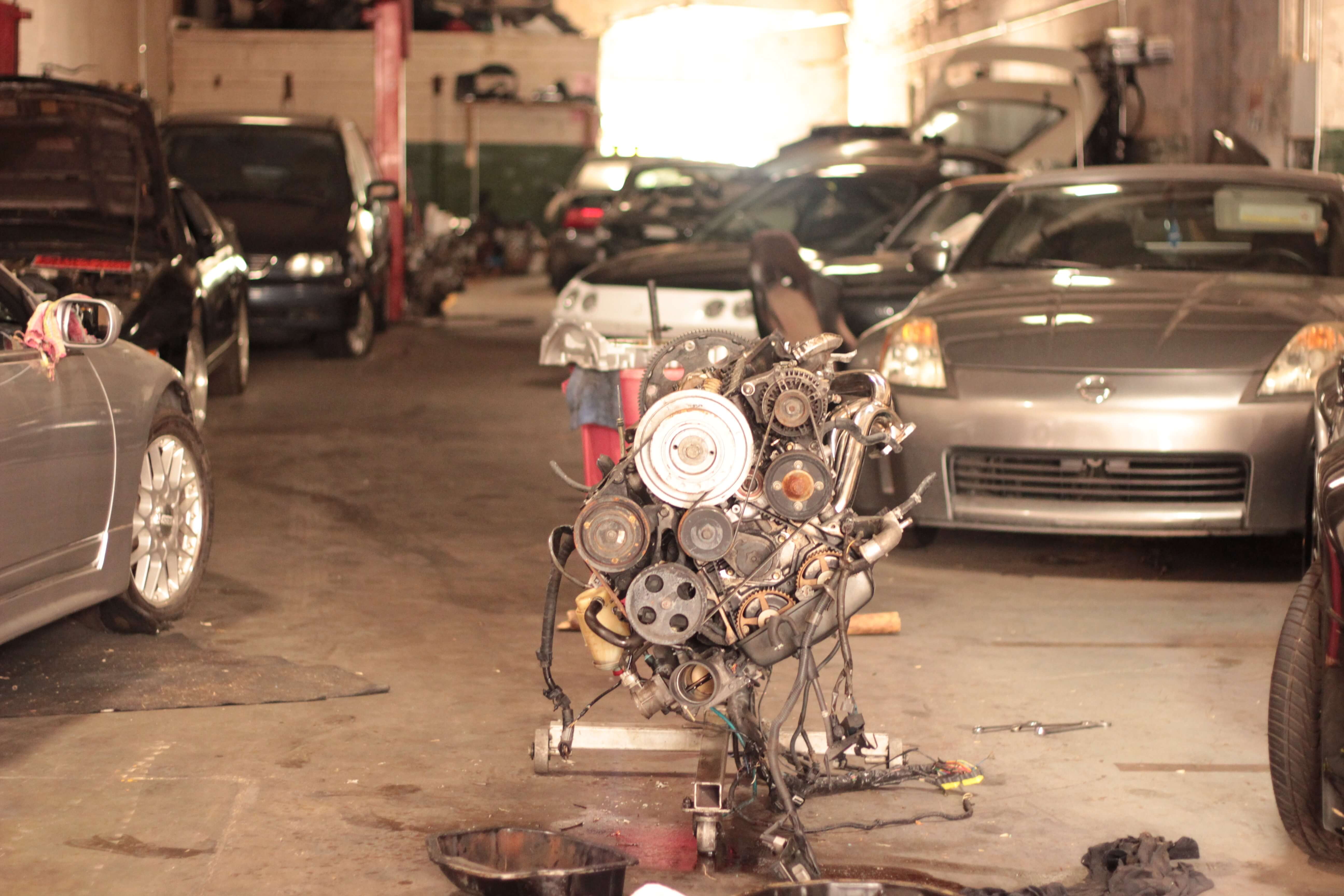
In the market for a new vehicle? It can be hard to know where to look with so many different makes, models and types of car to consider and this can make it a daunting prospect. One vehicle which currently stands out from the crowd and would be a smart investment for any motorist is the Vauxhall Insignia. Here are some of the reasons that can motivate you to buy Vauxhall Insignia as your next vehicle.

The Insignia :

Vauxhall is always a great brand to invest in because you know that you are getting great quality, a decent driving experience, and great practicality. Additionally, the iconic British manufacturer is known for its value for money and the Insignia is not an exception to the rule. The Insignia is a spacious 5-door full-size car that is well-suited to families, professionals and any motorist that wants a well-built vehicle which is comfortable, stylish and enjoyable to drive. You will surely love the design that you will get in this machine.

Variations :

The Insignia is available in a 5-door hatchback (Grand Sport) the Insignia Sports Tourer and the Insignia Country Tourer, so there is a type for every motorist. It is also excellent value for money and particularly when you shop in the used car market at places like AA Cars. It’s one of the best car design you will find in the modern market.

Owner Experience :

So, what makes the Insignia such a great buy? The Insignia builds on the success of the influential Vauxhall Astra (a UK favorite) with its practicality, driving experience, and quietness – this makes it a top choice for families. It can be cheap to run thanks to the wide range of economical engines with the petrol variations both returning 47 mpg, whilst the diesel versions return a brilliant 70.6 mpg and 55.4 mpg. It gives users one of the best riding experience in the car industry.

Style & Tech :

The Insignia has a sophisticated look and, although not the most exciting looking car on the road, it does feature plenty of great in-car technology and a generous equipment list. This includes the much-praised OnStar in-car assistant with vehicle diagnostics, crash response, and roadside assistance as well as sat-nav, Apple CarPlay and Android Auto and much more. The style and thought of the Insignia are well-thought-out and you cannot compare it to any other.

Conclusion :

Overall, the Vauxhall Insignia is a smart purchase for your next car as it is one of the most practical, comfortable and reliable automobiles currently available. There is a large focus on driver enjoyment so anyone that spends a lot of time behind the wheel will appreciate this, whilst the excellent in-car tech can further the experience of both driver and passenger. Finding a car which ticks all of the boxes can be challenging, but the Insignia is one which manages to do this and is certainly worth keeping a lookout for. You can be sure of getting the value for your money if you decide to invest in the Insignia.

Read Also :
Content Rally wrapped around an online publication where you can publish your own intellectuals. It is a publishing platform designed to make great stories by content creators. This is your era, your place to be online. So come forward share your views, thoughts and ideas via Content Rally.

View all posts

Leave a Reply

Your email address will not be published. Required fields are marked *

Related

Load Restraining

Tie Downs: Are They Effective at Load Restraining?

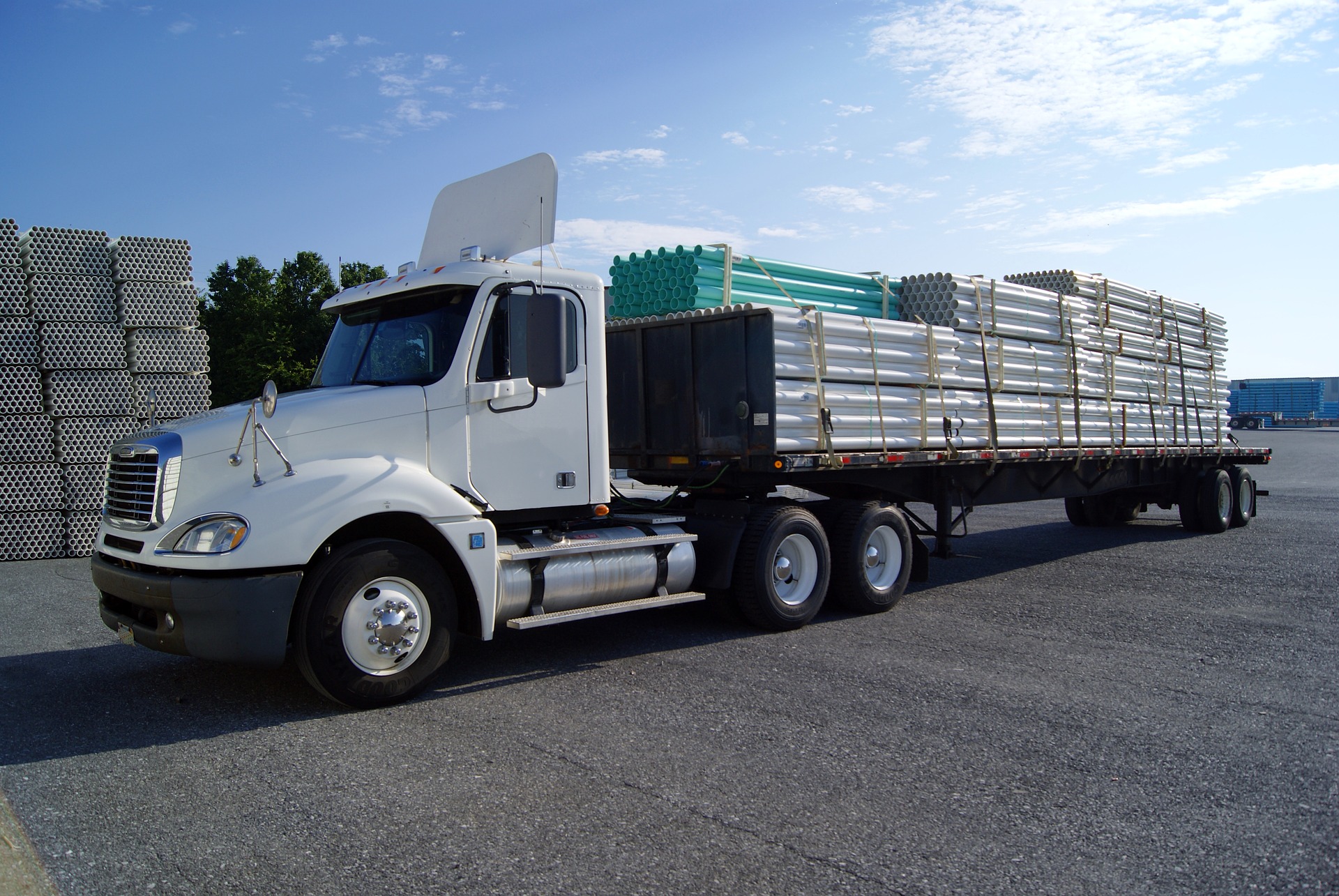
Unrestrained loads are one of the biggest causes of accidents on our roads today. This is why ensuring your load is safely secured is paramount before embarking on a journey. Forget the short cuts: A thorough job –with the right equipment—is crucial if you expect to reach your destination with your cargo intact. But what can you use to secure your load? There are many options at your disposal from nets to corner plates. However, we believe straps—ratchet tie downs in particular—are extremely effective at securing loads. We’ll outline all you need to know about these units including the different types so you’re prepared for your next journey. Why Bother With Tie Downs For Effective Load Restraining? Is this a priority? Maybe the following scenarios resulting from not utilizing them will shed some light as to their importance: Accidents: It may cause trucks to overturn because of the unbalanced weight distribution of the load in question. Damage to property: This includes either damage to your vehicle as well as the cargo being transported. Loss of lives: Injuries are likely to occur when these kinds of accidents happen. In worst case scenarios, it can lead to loss of lives whether it’s yourself, other motorists or pedestrians in the vicinity. Types of Tie Downs The one you pick will depend on the gear and load you’re hauling. However, these are the five most common types. Ratchet Tie Down Straps:   These are by far the most popular among most fleet owners. We suppose the fact that they’re deemed the most secure way to tie down heavy loads has something to do with it. They are known to provide the most strength and security, especially for the larger loads. Just make sure you check the load rating of the straps before you use them on something heavy. Plus they’re quite versatile as load restraints in many scenarios: You can use them either on the trailer, roof rack or bed of your truck. The downside to using this type is they’ll probably take you some time to figure out how they work. Note that given the nature of the hardware, we can’t entirely eliminate the risk of them damaging your load in transit. But for their effective performance, we think they are worth trying out. Lashing Straps: If you find the cost of the ratchet straps too steep, you can opt for the lashing straps. Not only are they less expensive options but you’ll appreciate that they’re easy to use. They’re the ideal pick for the lighter loads such as securing surfboards or plastic cargo bins. Two things you don’t have to worry about are these lashing straps crushing or damaging your cargo. Bungee Cords: One thing you’ll appreciate about this type is the versatility. You can use it to wrap cargo of all types and sizes. However, you can only use them to secure very lightweight items such as plastic items. Nylon Ropes: This is also another inexpensive option. The trick lies in mastering how to tie more than a couple of knots. You can consider learning the power hitch: The good thing about this knot is you can use it in almost every situation. Stratchits: Last but definitely not least on our list are Stratchits. These are by far the easiest tie downs to use when securing your cargo. Also, you get the best of both worlds: The strength and user-friendliness associated with lashing straps plus the versatility that comes with bungee cords. Another thing is they are adjustable: They can be adjusted from anything between 22” to 63”. Have any chairs or bicycles you want to transport? You can consider these and they’ll work just fine. What Determines the Number of Tie Downs You Use? When dealing with tie downs it’s important to note just how many to use to effectively secure your load. It’s really not about how many you can find just before embarking your trip: There are rules involved. Generally, the number will depend on the length and weight of cargo you’re transporting as stated below. When to Use One Tie Down It’s very possible to use only one tie down but only when your cargo is: Shorter than 5ft Weighs less than 1100lb When to Use Two Tie Downs Two tie downs can be used in the following scenarios: Cargo is 5ft or shorter and weighs more than 1100lb If it’s longer than 5ft but definitely not longer than 10ft When to Use Four Tie Downs You can use a minimum of four tie downs if your cargo is heavier than 10000lb. Additional tie downs can be used if your cargo is at least 10ft or longer. It’s strongly advisable to add one tie down for every additional 10ft just for reinforcement. Regardless of the number of tie downs you use, it’s in your best interests to always check the number of tie downs you need before carrying your load. Not only that but are they in a satisfactory condition? Always make sure of that for optimum performance. Final Words It’s pretty clear: Tie downs are pretty effective at securing loads. You just have to pick what matches your vehicle, load and not forgetting your budget. The most important thing is that you invest in one to avoid any unnecessary accidents. Your decisions determine whether you stay in control during your journey. Read Also: 4 Things You Need To Know About Commercial Truck Insurance Why You Need To Choose High-Quality Spare Parts For Your Truck

READ MOREDetails
Run Accident

How Much Compensation Can You Expect Run Accident Claims

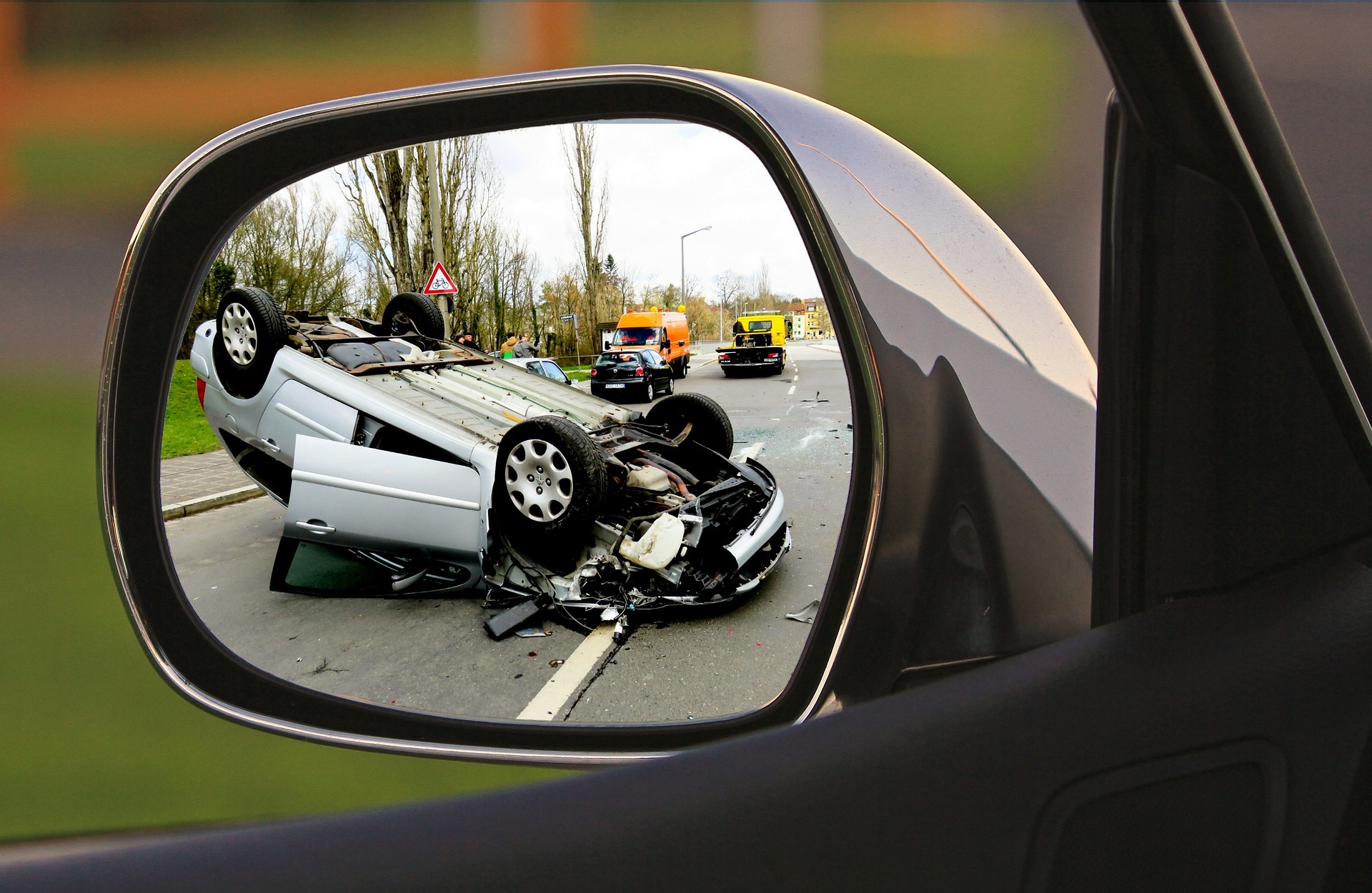
A hit and run accident is one in which a driver crashes into a pedestrian, hits another car, or crashes onto private property and then flees the scene without identifying himself or offering any emergency assistance. According to NHTSA, eleven out of a hundred traffic accidents are hit and run. Of this number, 4.3 percent leads to death. Consequences of Fleeing the Scene of the Accident: Depending on the type of injuries or damage caused in an accident, the penalties or charges for fleeing the scene of crime usually ranges from a felony to a misdemeanor. If you hit another person and had a reason to believe that they harmed as a result, then you could subject yourself to a jail term for not stopping to help them. A criminal conviction may be utilized as extra evidence in a civil case based on that particular accident. Usually, the civil case is placed on hold while the criminal case is ongoing, but once a conviction has been reached, then that is a powerful evidence of liability which could result in a faster resolution in a civil action. Therefore, a criminal conviction can go a long way in helping you to get the compensation you deserve for the damages you underwent during a hit and run accident. Handling Your Insurance Firm: If you are residing in a no-fault insurance state, it could be insignificant to identify or locate a hit and run driver because your insurer compensates you irrespective of who is at fault. In case you live in a state with traditional liability and carry uninsured or underinsured insurance, insurance firms should cover you for damages up to your policy’s limit. On the other hand, if you lack the UIM coverage, then you are most likely going to face serious problems recovering damages. You can also take a look at your homeowner’s policy. There may be a provision that covers the extraneous events. If your insurance cannot cover the damages, then you need to continue your search for the faulty driver. You also need to remember that every state has a statute of limitation and this may range from 2 to 5 years. If by the end of this period you don’t find the driver and file a lawsuit, then you are out of luck. The Limits of Your Policy: The value of your claim often depends on the amount of coverage bought. If you bought $200,000 in uninsured motorist coverage, then you have a maximum recovery of similar value. Buying low policy of limits less than $100,000 is a good thing, but this amount is not as much as it appears since hospital bills could skyrocket surpassing that limit. To be on the safe side, you should have policy limits of at least $500,000 in underinsured or uninsured motorist coverage. Final Word: In most states, the most common types of compensation for hit and run scenarios may be in the form of the uninsured/underinsured claim. It is therefore important to have the right amount of coverage to avoid getting stuck in case of a hit and run scenario. Read Also: Racing Games And Accidents; Is There A Link? Why You Need Classic Car Insurance?

READ MOREDetails
inland rail

Effect of Australia’s New Inland Rail on the Trucking Industry

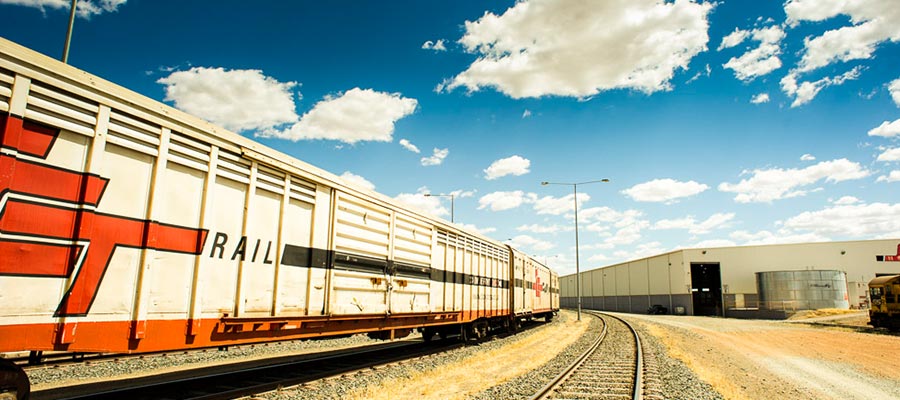
Spanning 18,000 Km from the east coast to the west coast, Australia is the fifth largest country in the world. Incidentally, the bulk of the population is settled in major cities along the coastline. The vast distances between major cities in Australia led to the development of the country’s robust inland freight networks. Australia plays a key role in the global economy and is the 20th largest exporter in the world. In 2017, the country made a positive trade balance of $44 B after exporting $243 B and importing $199 B worth of products. The country relies on its road and rail networks to mobilize all these products across the country efficiently. Significance of the Melbourne to Brisbane Inland Rail In a bold inland rail project to link Melbourne and Brisbane, Australia has invested about $10 Billion. The project will cover 1,700 kilometers to connect more than 20 major towns across three states, namely Victoria, New South Wales, and Queensland. The inland rail will streamline several bottlenecks and time constraints that have hampered freight transport between Melbourne and Brisbane. The project is also expected to create more than 10,000 jobs and boost Australia’s GDP by more than $16 Billion in 50 years. Australia’s Road Vs Rail Debate The development of the inland rail has fuelled the road vs rail debate in the freight industry. The debate questions on the efficiency and costs of using trains over trucks. Additionally, there is a concern on whether the new inland rail will put the heavy-duty truckers out of business. However, there is a lot of room in the country for both systems to coexist. With a few relevant adjustments, the road and rail systems can be integrated and complement each other. In effect, the new rail system in effect may enhance the trucking industry rather than retard it. Advantages of Rail and Road Freight Systems Both road and rail freight systems have niches where they can outdo each other. The following list highlights a few areas where it is advantageous to use road over rail transport and vice versa. Advantages of Road Transport 1. Efficient over short distances: Road transport offers several flexibility advantages that trains cannot match. Trains operate on a fixed rail line that cannot handle door to door deliveries. 2. Fast Scheduled Delivery: Trucks can deliver goods according to your schedule. This can save you from unnecessary storage costs. With rail transport, you have to adjust your programs to fit the train’s schedule. Advantages of Rail Transport 1. Cost-effective over long distances Using trains beats trucks over long distances. Trains carry more cargo and are up to 4 times more fuel-efficient than trucks. Also, the wear on your aftermarket parts for European trucks can be expensive over long distances. 2. Eco-Friendly: Trains are more environmentally friendly than trucks as they emit up to 75% fewer greenhouse gases. Also, trucks consume close to 9 times more energy per tonne-kilometer than trains. There are several ways in which the trucking industry can adapt to benefit from the development of Australia’s new inland rail system. For example, there will be immense opportunities to move cargo from to and from the train stations. Truck operators can extend the life of their vehicles and duration between services by plying shorter routes. Read Also: Freight Factoring Is Solving Common Trucking Challenges What To Consider When Buying Heavy Duty Truck Alignment Equipment Why Times Are Tough For Truckers And Why It Concerns You

READ MOREDetails