












6 Top CRM for Small Businesses in 2019

Published on: 05 April 2019 Last Updated on: 04 September 2024
CRM for Small Businesses

Growing your small business in a cost-effective way that increases your brand awareness and attracts more customers is no easy feat.

According to a Statistic Brain study, the failure rate for all companies across the US after 5 years is over 50%.

So how do you make sure you don’t fail? By ensuring your customers are happy, of course. Customer Relationship Management (CRM) systems allow you to collect data about your customer’s interactions with your business.

Read on to learn about the top CRM for small businesses.

Why Use a CRM?

Customer Relationship Management systems are a great way to analyze data from various channels. Channels include your business’s website, social media channels, customer support logs, and feedback reviews.

CRM let you see what your customers like about your business’s products and/or services. CRM also allows you to address any customer concerns and better your products/services.

The success of a business, particularly a small business, relies on its customers. That’s why CRM systems are one of the most essential business tools you need in order to grow your business.

Top CRM for Small Businesses:

Find out everything you need to know about CRMs by learning more about the pros and cons of CRM for small businesses.

We’ve compiled a list of 6 of the best CRM solutions for small businesses, check it out now:

1. Salesforce:
Salesforce

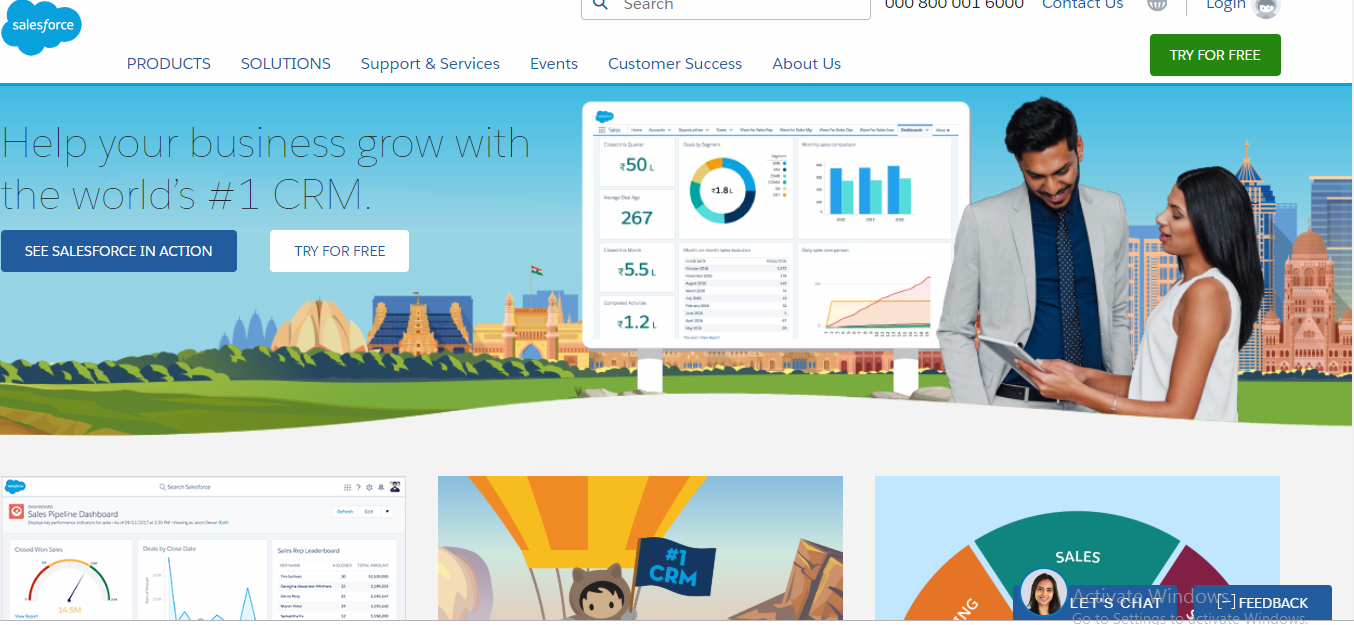
Salesforce offers an affordable package whilst still including all of the essential product’s great features.

Salesforce is easy to use and includes key features such as:

  • Lead generation
  • Contact and opportunity management
  • Sales forecasting
  • Workflow automation

Salesforce is ideal for small businesses who want an affordable CRM.

2. HubSpot:
HubSpot

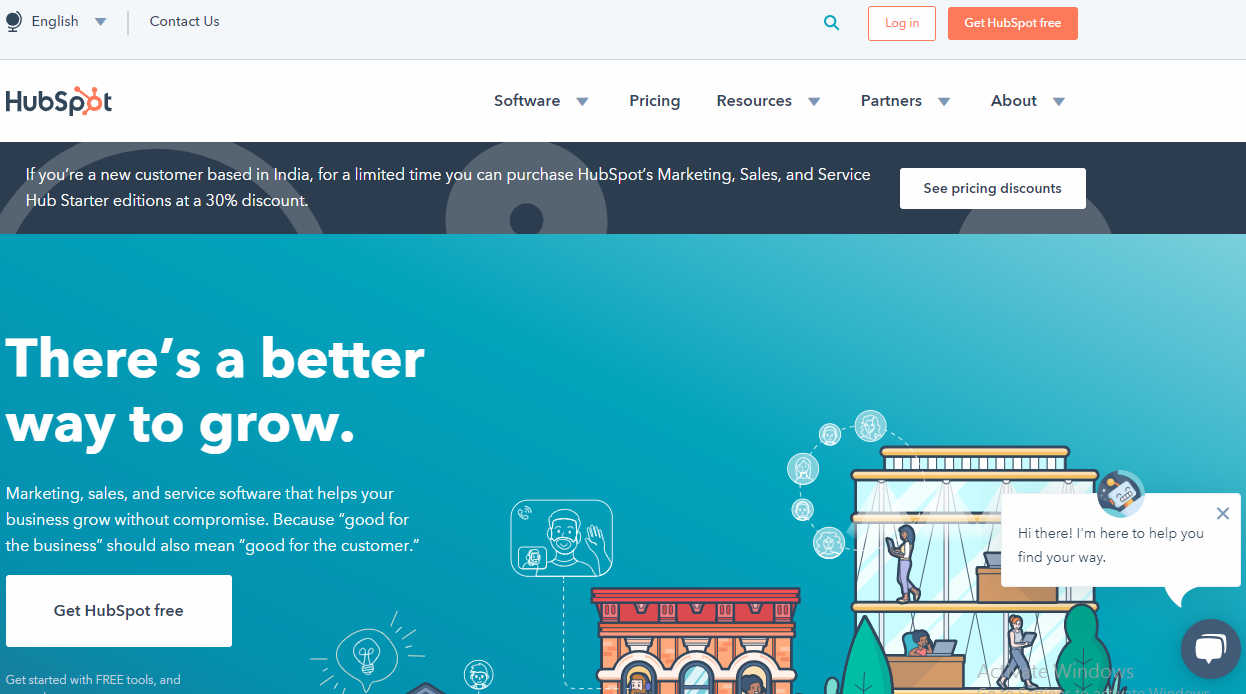
Be sure to add HubSpot to your list of must-have small business tools. The free version of HubSpot offers CRM solutions for small businesses and includes:

  • Learning guides
  • Invoice template generators
  • Email signature generators
  • Marketing plan template generators

HubSpot offers a great package for independent contractors and/or small businesses.

3. Agile CRM:
Agile CRM

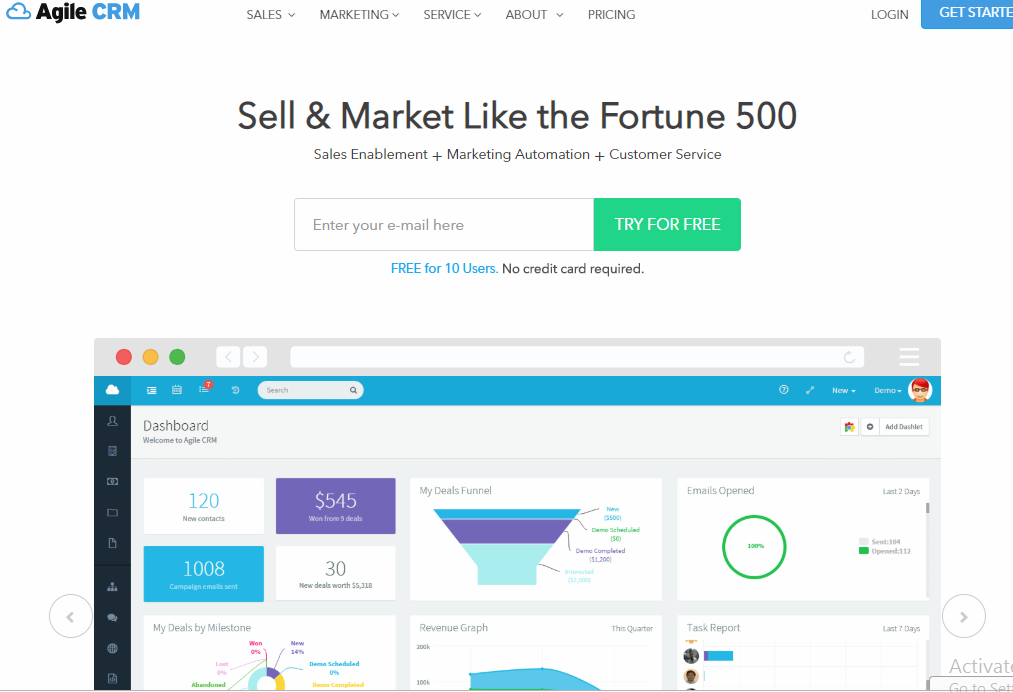
Up next in our top CRM software solution that your business needs are Agile CRM. Agile CRM allows you to:

  • Store details about 10,000 companies or contacts
  • Receive support for tracking emails
  • Set lead scoring and custom deal milestones
  • Access builder tools for forms, email templates, and website landing pages
  • Monitor social media

Agile CRM is great for small and big-sized businesses that want a whole range of customer relationship management tools.

4. Zoho CRM:
Zoho CRM

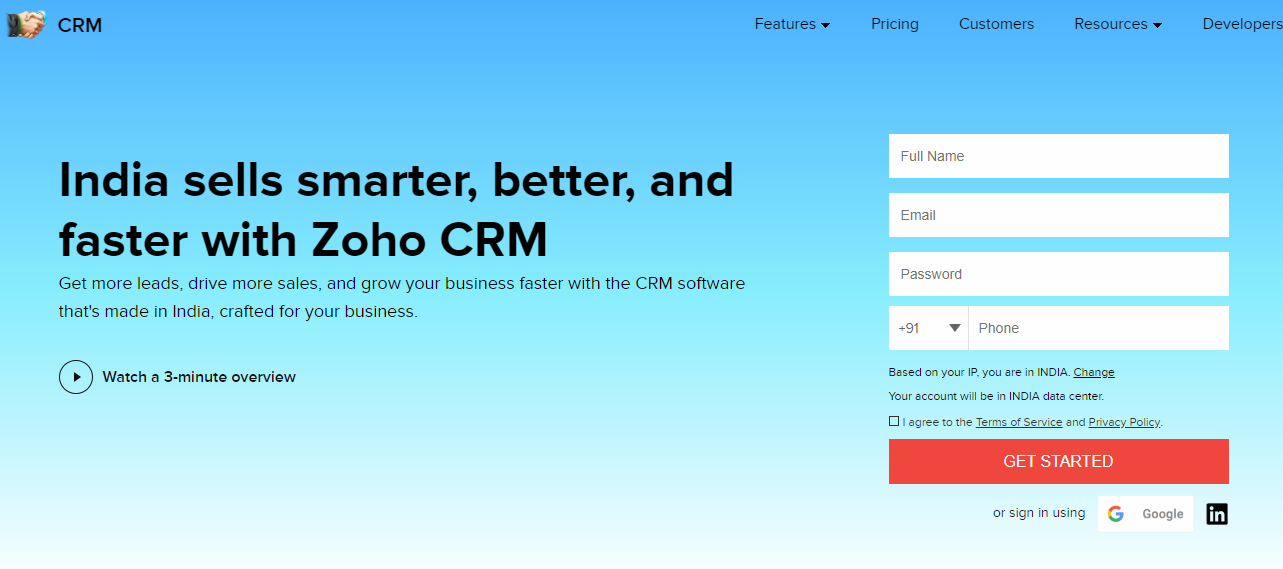
The multi-channel online CRM, Zoho CRM can collect data from your emails, calls, live chats, and social media channels. It is popular amongst small businesses because of it:

  • Is easy to use
  • Offers real-time analytics and notifications for every customer
  • Allows you to assign individual targets for your team
  • Features the option to build and automate your sales processes

Zoho Marketplace also ensures that you can increase your business functionality by offering various extensions that can be added to your CRM dashboard.

5. Streak:

Streak

If you are looking to implement a CRM system that is easy to use, you need to get a Streak. Streak can be installed and added as an extension on your Gmail. Streak CRM for Gmail features:

  • Easy collaboration options (with the ability to easily share contacts and files)
  • Webhook API access
  • Mail merge
  • Ability to manage deals

The streak is ideal for small business owners who are new to the world of CRM and need an easy to use platform to help grow their business.

6. Insightly:
Insightly

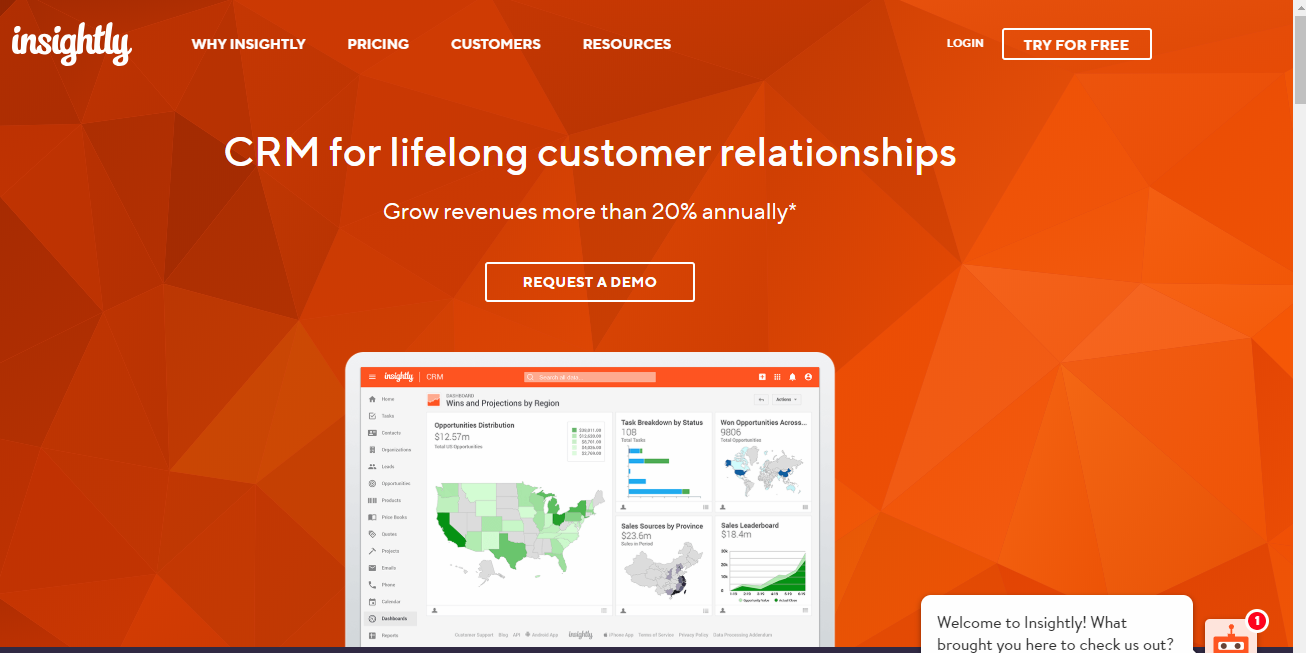
Insightly is great for small businesses because it is an affordable CRM that offers a range of features, such as:

  • Storage space of 10gb
  • send up to 2,500 mass emails a day
  • detailed reports and analysis options
  • API access
  • and the ability to import 25,000 records per session.

Insightly can be used by big, medium, and small-sized businesses who are looking for a tool that offers a range of features to better understand their customers.

7. Freshsales:

Freshsales is a full-fledged sales CRM software for businesses that range from startups to enterprises. With Freshsales you don’t need multiple tools to drive sales anymore.

The major advantages of choosing Freshsales are below

  • Simple UI with powerful features
  • Detailed overview of leads & customers
  • Configurable dashboards and reports
  • Great integrations
  • It also offers a free forever plan for unlimited users with basic contact management and a built-in phone system.

The Right CRM Software for You:

When choosing from our list of the top CRM for small businesses list, make sure you know what you want from your CRM.

If you want a more basic, low-cost CRM then opt for one that is free or cheaper. Or if you want one that has all the trimmings and helps you understand and analyze all parts of your business, then opt for one that has more features.

Discover more of the latest technology news now.

Read Also:

Content Rally wrapped around an online publication where you can publish your own intellectuals. It is a publishing platform designed to make great stories by content creators. This is your era, your place to be online. So come forward share your views, thoughts and ideas via Content Rally.

View all posts

Leave a Reply

Your email address will not be published. Required fields are marked *

Related

branding tips

5 Critical Branding Tips to Attract New Clients to Your Auto Parts Shop

Building a brand is hard work. You have to really understand your business, your market, and your customers. Then you have to learn all the new social media tricks while keeping your traditional customers happy. Thankfully, getting started doesn't have to be overwhelming. Here are 5 branding tips to help you establish your auto part shop's brand. Basic Branding Tips: Start here before checking out the actionable steps. Before making any branding decisions make sure you have a clear vision of who you are and what you do. We know, we know, it should be obvious that an auto body shop fixes cars right? The trick is conveying that in your branding strategy. Make sure you know exactly what image you want your brand to present. 1. Know Your Existing Brand: When most small businesses set out to build a brand they forget that they already have one. Your reputation with customers, suppliers, and the local community is the foundation of your branding efforts. Ask regulars what they like about the way you do things. Get people to join your mailing or emailing list with each purchase. This lets you find out what the community already thinks about you and shapes your branding efforts going forward. 2. Clarity Is Key: You can have the best, most viral campaign ever and it won't do you any good if people don't know what it's actually for. Make sure any move you make is clear on what your business is. That doesn't mean you need a broken car in every picture. Just be clear in any logos, names, and promotional materials what your business is and what it does. 3. Produce and Display Value: No matter what your business does you have to produce value. That's the only reason people will use your services. Be certain that a value approach drives your small business branding strategy. Don't just go for attention-grabbing techniques. Try to embody the core principles and benefit you bring to customers. Let them know why and how you'll work hard to help them with their problems. A great start would be explaining the long term benefits of high-quality parts. 4. Get Online: No one would accuse an auto parts shop of being a startup. That doesn't mean you can't use the newest customer engagement tools to your advantage. Create profiles for your shop on social media. Find a few hashtags that work for your business and use them strategically. Building a brand takes time and requires you to learn new techniques. Check out sites like https://www.ultrex.com.au/brand/subaru/ for good examples. 5. Always be Scaling: A lot of people slow down once their brand is established. This is a mistake. Creating a brand is just the first step in your business' journey to prosperity. You need to make that brand work for you and your goals. Once you've built your brand image you're perfectly placed to scale. Add in new programs that leverage your existing customer base and brand recognition, such as: Referral programs Giveaways Local sponsorships Email list marketing You want to seamlessly combine old school local business practices with the wonders of modern media. Don't Be Afraid to Try: Establishing a brand from nothing is nerve-wracking. As long as you follow the best branding tips available it can be easier than you think. For more useful branding and small business tips, check out our other articles here. Read Also: 5 Tools That Can Help You Get Your Business Organized How We Could Be Able To Get Benefits From The Outdoor Marketing 4 Simple And Cheap Methods To Attract More Customers For Your Small Business

READ MOREDetails
Buy A Farm

From Dreams To Reality: A Comprehensive Beginner’s Guide On How To Buy A Farm

Acquiring your very own farm is a significant entrepreneurial venture that involves obtaining an existing business entity to bring your dreams of ownership and management to life. This intricate process requires a well-structured approach, thorough research, financial prudence, and adept negotiation skills. The journey to buy a farm starts by identifying the right opportunity, which means evaluating industries, markets, and sectors that align with your expertise, interests, and long-term objectives. If you're serious about acquiring a business like this, you should look up farms for sale Ontario. This phase requires meticulous due diligence to assess potential risks, opportunities, and the overall health of the target farm. This analysis encompasses a close examination of financial records, operational procedures, market positioning, and customer base, as well as legal and regulatory considerations. A critical aspect of this decision-making process is conducting a comprehensive financial assessment. Scrutinizing the farm's financial statements offers valuable insights into its revenue streams, expenses, profitability, and growth potential. This evaluation aids potential buyers in gauging the farm's financial stability and sustainability, which is crucial for making a well-informed investment decision. The art of negotiation plays a pivotal role in shaping the purchase terms. Effective negotiations encompass discussions about the purchase price, and payment arrangements, including assets, liabilities, and any necessary contingencies. The aim is to strike a balance that ensures a fair deal for both parties while safeguarding the buyer's interests. Securing financing, if necessary, is a vital step in the acquisition process. Buyers can explore various funding sources, such as personal savings, bank loans, venture capital, or even seller financing. It is essential that the chosen financing structure aligns with the buyer's financial capacity and the farm's potential returns to ensure a successful acquisition. The final steps of the transaction involve creating legal agreements and documents that outline the terms and conditions of the purchase. Legal professionals play a crucial role in ensuring the sale's legality and protecting the interests of all parties involved.Acquiring your own farm from the available farms for sale presents a multitude of advantages. It serves as a canvas for manifesting your entrepreneurial spirit, allowing you to harness your expertise, insights, and aspirations to navigate the farm toward expansion and success. When you secure an existing farm, you frequently gain access to a well-established clientele, a functional operational structure, and even a potentially familiar brand, effectively lessening the obstacles commonly linked with commencing from square one. However, it is important to recognize that acquiring a farm also comes with its own set of obstacles and uncertainties. The buyer must be prepared to address potential operational issues, adapt to a new business environment, and navigate unforeseen challenges that may arise during the transition. In conclusion, buying your own farm is a multifaceted yet rewarding endeavor that demands meticulous planning, thorough due diligence, skillful negotiation, and a strategic financial approach. Successfully acquiring an established farm provides the avenue for realizing your entrepreneurial dreams, achieving financial growth, and turning your aspirations of farm ownership into reality. Here Are Twelve Crucial Ideas To Buy A Farm Rest assured, this comprehensive guide is here to walk you through the process step by step, guiding you as you transform your dream of owning a farm into a tangible and fulfilling reality. 1. Define Your Farming Vision and Goals The first step on this transformative journey is to define your farming vision and goals. Reflect on the type of farming experience you envision – whether it's cultivating crops, raising livestock, or a combination of both. Consider your long-term goals, such as sustainability, self-sufficiency, or generating income. This clarity will serve as the guiding light throughout your farm-buying journey. 2. Assess Your Budget and Financing Options Before delving into the realm of farms for sale, it's imperative to assess your budget. Farm ownership comes with a range of expenses, including the purchase price, operational costs, maintenance, and improvements. Research financing options tailored to agricultural properties and engage with lenders experienced in farm transactions to secure a suitable financing arrangement. 3. Research Ideal Farm Locations The location of your farm plays a pivotal role in its success. Research potential areas based on climate, soil quality, water availability, and proximity to markets. Each geographic region has its unique advantages and challenges for farming. Explore different options to find the location that aligns with your farming goals and preferences. 4. Understand Zoning and Regulations Farms are subject to various zoning regulations and land use restrictions. Familiarize yourself with local zoning laws, agricultural designations, and environmental regulations that could impact your farming activities. Ensure that the farm properties you consider are zoned appropriately for your intended agricultural pursuits. 5. Engage Real Estate Experts Navigating the complex landscape of farm real estate requires expert guidance. Enlist the services of real estate agents and professionals experienced in agricultural transactions. Their insights into market trends, property valuations, and negotiation tactics will be invaluable as you explore farms for sale. 6. Evaluate Farm Properties As you embark on property visits, carefully evaluate potential farms. Consider factors such as land size, topography, soil quality, infrastructure, and existing structures. Analyze the farm's potential for your intended farming activities and assess whether it aligns with your vision. 7. Conduct Thorough Due Diligence Thorough due diligence is essential before finalizing a farm purchase. Verify property boundaries, survey records, water rights, easements, and any existing liens. Engage professionals, such as land surveyors and attorneys, to ensure a comprehensive understanding of the property's legal and physical attributes. 8. Plan for Farm Operations A successful farm requires meticulous planning. Develop a comprehensive farm business plan that outlines your farming activities, production goals, resource management, and marketing strategies. Consider factors like crop rotation, livestock management, and equipment needs as you envision the daily operations of your farm. 9. Consider Sustainability and Conservation Sustainability and conservation practices are integral to modern farming. Explore methods to reduce environmental impact, conserve natural resources, and promote biodiversity on your farm. Incorporating sustainable practices not only benefits the land but also enhances the long-term viability of your farming endeavor. 10. Prepare for Transition and Ownership Transitioning from aspiring farmer to farm owner involves legal and logistical steps. Work with legal professionals to navigate the transfer of ownership, property titles, and any required permits. Additionally, consider forming relationships with local farming communities, cooperative networks, and agricultural extension services to foster knowledge sharing and support. 11. Implement Your Farming Vision With ownership secured, it's time to implement your farming vision. Begin by preparing the land, planting crops, or setting up livestock facilities according to your business plan. Seek guidance from agricultural experts and mentors to ensure a successful start to your farming journey. 12. Embrace the Farming Lifestyle Owning a farm is not just a business; it's a lifestyle. Embrace the joys and challenges that come with farming – the early mornings, the connection to the land, the satisfaction of a successful harvest. As you immerse yourself in the rhythm of farm life, you'll discover a profound sense of fulfillment and a deeper connection to the earth. In the tapestry of farm ownership, transitioning from dreams to reality requires careful planning, dedication, and a willingness to learn. By following this comprehensive beginner's guide, you're embarking on a transformative journey that connects you with the land, fosters self-sufficiency, and allows you to contribute to the rich tapestry of agricultural heritage. From selecting the perfect farm to embracing the farming lifestyle, each step brings you closer to turning your agricultural aspirations into a thriving reality. Read Also: PTO Generator Tips For Your Farm Or Business A Viable Alternative to Wild Fish: Can Salmon Farming Be Sustainable? Here Are a Few Reasons Why You Should Use Real Estate Farming Postcards to Increase Visibility of Your Business

READ MOREDetails
Thrift Stores

How Can Thrift Stores Encourage People To Donate?

Regardless of the type of items a thrift store offers, donations are essential for reaching objectives. Not only are donations needed for thrift stores to remain functional, but they’re also necessary for stores to help the local community. Owners must find ways to encourage donations positively, without leaving a negative impression in the minds of potential donors or clients. This guide can help. Simplify the Donation Process In a perfect world, people would be motivated by the kindness of their hearts to drive to a thrift store and unload all their donations personally. Unfortunately, this isn’t reasonable to expect from the majority of people these days. Put simply, today’s families are busy, with barely any time for rest, let alone time for social causes that go above and beyond. There are many things that thrift stores can do to make donating easier for everyone involved. For example, many thrift stores schedule pickups, either at nearby locations or at individual homes. These options are more convenient for donors, which makes it more likely for them to support local efforts. Don’t pickups represent a significant expense and hassle for thrift stores? Not with the help of modern technology. Modern thrift store POS system features often include convenient pickup scheduling. Donors may even be able to self-schedule pickup times or see the closest drop-offs online. Other features include self-service kiosks and online receipts for tax purposes that speed things up for donors. Provide Many Dropoff Options What if thrift stores aren’t able to handle pickups at individual homes because of personnel issues? They can still make donations as convenient as possible by providing a range of ways people can donate items: Secure donation boxes at partnering business parking lots Driver-attended box trucks 24/7 thrift-store donation boxes Even seemingly simple changes can have a large effect. For example, if a store normally accepts donations at the rear entrance, is it possible to implement a drive-through option instead? Even though donors probably only save five or 10 minutes, the convenience factor can make them more likely to contribute. Instead of viewing donation as a hassle, they’re more likely to see it as something they can take care of quickly on the way to work or while running errands. Understand the Donor Mindset A common misconception is that people are strongly motivated to donate because of charitable feelings. This is the case for some people, but not that many. In today’s hectic climate, people who donate often do so because it’s convenient and beneficial for them. In other words, they probably have a secondary motive in addition to helping out the community. This motive can be wanting to get rid of clutter, showing respect for a loved one’s final wishes, or simply hoping to avoid the hassle of a garage sale. A large number of people donate because they view it as preferable to simply throwing items away. Moms who are cleaning out their child’s closet often have this habit. Thrift stores shouldn’t criticize this attitude. Instead, they should welcome (high-quality) donations from any source, regardless of whether the person cares about the mission or not. What matters is the donation itself, not what motivates it. For this reason, attempting to increase donations by appealing to feelings of guilt or compassion toward less-fortunate individuals isn’t generally very effective. It’s good to have a mission statement, believe in it, and promote it in marketing, but this mission isn’t going to be a major driving force in prompting donations. Show Gratitude Once thrift stores understand that many potential donors have a quid pro quo mindset, it’s possible to find ways to encourage donations by appealing to this attitude. Some stores provide vouchers that donors can redeem for free items. For example, for $50 worth of items, donors could receive a voucher for a free $10 item. Doesn’t this cut into the already tight profit margins for thrift stores? Not necessarily. Few donors redeem the vouchers, and those that do are more likely to return to donate other items in the future. The benefits of being generous to donors generally outweigh the costs. The idea is to produce a feeling of satisfaction, a “reward” for donating. This feeling makes people more likely to tell friends and family members about the store, which is good for both donations and sales. At the very least, gratitude means saying thank you. Even an automatic email can do wonders for online donations. Read Also: Do You Really Want to Live on Mars? 3 Sustainability Tips for an Eco-Friendly Lifestyle 8 High-Need Animal Shelter Donations How to Collect Vintage Items

READ MOREDetails