While being a conscience buyer helps, more needs to be done to cut emissions and waste. If we don’t, then there won’t be a planet to enjoy in a few decades.
I personally use these 3 sustainability tips to keep the Earth and my wallet lean and green.
1. Energy Eco Tips:
The energy we use at home provides a multitude of ways to cut back on our resources and carbon footprint. Use these simple green tips to save on the cost of your gas and electric while helping save the planet.
Turn off the lights when you leave a room.
Instead of turning up the heat or AC, dress for the weather.
Turn off and unplug electronics when not in use.
Switch to renewable energy by contacting local solar companies that can provide cheaper and eco-friendly energy options.
Use LED lights or open the shades for natural rays of sunshine.
Buy energy efficient appliances like a washer/dryer or gas stove.
2. Reuse and Recycle:
Being thrifty and nifty with your trash saves me from buying new things when I can fix up something old and keeps trash out of landfills when I follow these environment tips.
Use reusable containers for food instead of plastic bags.
3. Healthy Living Sustainability Tips:
Sustainable living also includes our personal health and fitness as they can affect emissions too. From our mode of transportation to our diets, lifestyle choices take a toll on our environment just like our bodies.
These green tips for healthy living should not be left off our list.
Avoid animal products as they increase carbon emissions and use more water.
Begin an organic garden to save food transportation costs, cut grocery bills, and eat a well-balanced diet.
Take a bike to work to save on gas emissions.
Use all-natural self-care products like sunscreen that won’t poison the ocean.
Skip eating out because you can choose the ingredients and save on traveling costs when we cook at home.
Saving the Planet has Never Been Easier:
This may sound like a lot of work, but finding ways to implement these sustainability tips in our daily lives couldn’t be easier or more essential than it is today.
Companies usually an offer green section for recycled or eco-friendly products, organic food has now become the norm in most grocery stores, and renewable energy is accessible in any part of the world.
Share with us your favorite ways to be environmentally friendly in the comments below.
Content Rally wrapped around an online publication where you can publish your own intellectuals. It is a publishing platform designed to make great stories by content creators. This is your era, your place to be online. So come forward share your views, thoughts and ideas via Content Rally.
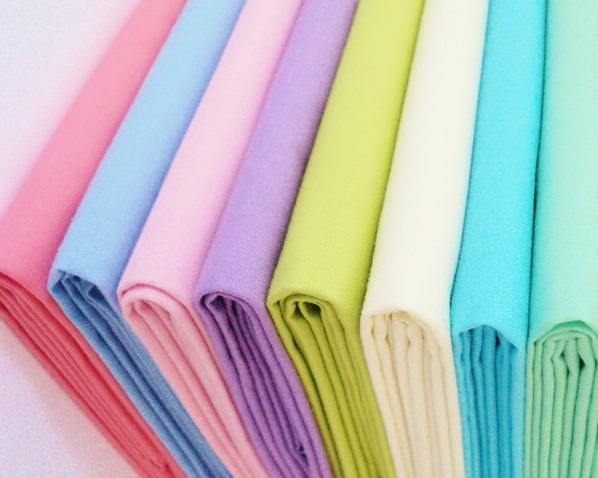
Shop cotton fabrics:
Our heart flutters we just think about shopping. While shopping selecting the right fabric within the estimated budget is the most important factor. Most of us choose cotton fabric other than the other fabrics that are available in the market. It hides the most intimate parts of your body as well as depicts what kind of personality you are.
Quality fabric:
As all of us expect our garment to be durable, and to retain for certain duration cotton fabrics will solve your queries. To cut the cost manufacturers distinguish high-quality fabrics from low-quality ones. One thing what you have to notice is the price and quality are not always related. While purchasing the fabric you need to look into the following:
Whether the fabric will suit a particular garment
The quality of the fabric
Man-made fibers are also available in the market. The basic difference between natural and synthetic fibers is that they are not obtained naturally.
Pick the right fabric while shopping:
After some experience and practice, you will understand the difference between the natural and synthetic blended fabric. Here are some of the tactics that you can follow while selecting the right fabric:
Cotton fabric keeps your skin breathable and hydrated on any weather climate.
Though the silk fabric looks good for everyone, they tend to crease up with your skin quickly.
Even while choosing a linen fabric, the fabric should be 100% blended before using.
Woven fabrics will help you in durability as the thread goes from left to right and up to down.
Popular fabric in the world:
Cotton is considered to be the most popular fabric in the world. It is amazingly versatile and all the garment decorators know how to get a detailed and well-crafted garment for your wardrobe. The most important quality of cotton that staples the minds of consumers is its durability, softness, material length etc. Since cotton is considered as natural fabric, smoothwares guide on clothing will help you in understanding.
There are some common ways to obtain cotton fabrics. Cotton fabrics are found naturally due to geological processes. Jute, cotton, hemp etc are produced by the natural growing plants for which humans give different shapes and structures.
Here is the reason why cotton fabric is best:
Fabric made of long and lengthy fiber materials is generally considered to be high-quality fabric material. Below are the reasons why cotton fabric is the best.
● Lifetime durability:
Fine yarns are more tightly bonded to make a strong fabric with more durability. Longer the fibers, finer the yarn will be. And also withstands water while washing.
● Adaptive breathability:
Some fabrics do not contain breathable holes. Cotton fabric keeps its consumers comfortable by creating thermal insulation holes that are associated with breathability.
● Softness and resistance:
Since the fabric has long fibers it will be easy to spin long fibers. Longer fabrics are closely bounded in different directions.
● Moisture control:
As the fabric is said to be breathable, it also transmits moisturizers away from the body and removes the absorbent and keeps the body hydrated. It also allows you to remain comfortable during exercises and promotes a joint between skin and clothing.
● Hypoallergenic:
Wearing cotton garments is always recommended by doctors for skin allergies. Because the cotton is said to be hypoallergenic as it is used in medical products such as gauze, bandages, buds, x-rays, tissues etc.
● Shrinkage and wrinkling:
You should always make sure the cotton clothes fits you before buying, as the cotton has poor elasticity. Stretching out the shrunk cotton material using ironing or pressing gives more elasticity.
● Weatherproof:
Most of the weather-resistant garments are manufactured with cotton materials. Dense fabric is used for weather-resistant clothing.
● Insulation:
Cotton fibers hold the fabric away from the skin further allows the skin to feel comfortable and breathable.
Types of cotton fabrics:
The method of weaving and production varies to create a wide range of cotton fabrics. Plain and twill are the two methods of weaving. Cotton fabrics include:
Muslin
Percale
Gingham
Broadcloth
Terry cloth
Poplin
Seersucker
Flannel
Uses of cotton fabric:
As there are many uses of cotton fabric some of them are listed below:
Accessories: Cotton is used in accessories such as trimmings, ribbons, handcuffs, umbrellas etc
Textiles or home utilities: The fabric is used in table clothes, bedclothes, hand towels, kitchen clothes, carpets, furniture coverings, bath towels etc.
Apparel fabrics: It includes blouses, shirts, nightwear, leisure wears, trousers etc.
Industrial textiles: Shoes, bags, clothing, medical supplies such as bandages, gauge and sewing threads
Bottom line:
Though the other fabrics are easily affordable in the market, our opinion about cotton fabric is always on the upper hand when looking for a long term. Hopefully, all the above-mentioned criteria you will have a conclusion of why cotton fabric is the best among others.
Read Also:
Things Need To Start Up A Boutique
A Guide To Finding The Perfect Sofa For Your Living Room
Types Of Mattresses: Which Best Suits Your Needs?
The New Trend: Drawer Boxes
Top-quality metal prints are made using a sublimation process that creates sleek, vibrant, and long-lasting pieces. A boutique shop like Print Partner, that services professional photographers and artists, infuses dyes directly into a specially-coated, precision-cut aluminum panel. The image is therefore durable, scratch-resistant, water-resistant, resists fading for many years and is easy to take care of.
If you want to know how to create aluminum photo prints using easy online tools and selections, Print Partner is happy to answer any questions about the process.
The image has great resolution and precise detail, with a luminous, high-definition look. The colors are accurate and true to the original photo. Metal prints have a wide, brilliant color range that stays put. The panel is borderless and frameless providing a clean and modern look that is sure to impress in the home or in commercial settings. You can also choose a gloss white or matte white finish. Matte white reduces reflective qualities, while gloss white enhances them and enriches contrasts.
These prints can be made to be several feet wide and larger images can be printed onto multiple sheets to create an attractive photo set.
Virtually any image looks great as a metal print. The HD aluminum panel improves all elements of the image: its durability, color appearance, fade-resistance, etc., for any style of image, whether it be full color, black & white, or monochrome. A panoramic landscape and close-up photography both look optimal when printed onto metal. However, because of a metal print’s presentation qualities – borderless, sleek, and modern, and with glossy and reflective options – there are some styles of images that really shine when printed onto this medium.
Metal’s specialty is vibrant colors and contrast. So, photos that feature interesting interplay between light and shadow are excellent. Think about when you have taken a photo on your phone or have accessed the editing tools on your computer. Turning up the contrast bar makes images bolder and creates a more dramatic difference between the light and dark. Metal prints do this in a much subtler way that stays true to the accuracy of the image (unlike cranking up your phone’s contrast to the extreme). It’s even more pleasing to the eye than the original photo.
What subject matter and types of images look particularly good printed onto metal?
Landscapes: a classic choice, especially ones with a broad range of nature’s stunning colors, sunlight, and shadows
Sunsets & Sunrises: one of the most popular choices for photo prints in general, the gorgeous spectrum of colors of a unique sunset or sunrise are prime for metal
Seasonal features: particularly fall for fantastic leaf colors and those beautiful autumn palates everyone loves
Water: the reflective qualities of water look brilliant and striking on a high dimension metal print
Black & White or Monochrome: though true and rich color ranges are great for metal, blacks look deeper, and, while contrasting with white, creates a spectacular effect
Macro & close-up: the detail contained in these unique shots make for curiously attractive prints
The professionals working at a boutique print shop can help you alter your image to meet the best specifications for your metal print. Look for teams comprised of professional photographers and artists to make the most of your metal masterpiece.
In an era where environmental concerns are as pressing as economic ones, the agricultural sector finds itself at a crossroads. Traditional farming practices, heavily reliant on non-renewable energy sources, are no longer sustainable or affordable.
This challenge has spurred a growing interest in renewable energy sources, such as solar and wind power, as viable alternatives for powering farm operations. Integrating these green solutions bolsters environmental sustainability and offers significant economic advantages and operational efficiencies.
The Case For Renewable Energy In Agriculture
The agricultural industry is a cornerstone of the global economy, but it is also a significant contributor to environmental degradation, primarily through its heavy reliance on fossil fuels. This dependency exacerbates climate change and places a financial strain on farmers due to the volatile prices of traditional energy sources.
As energy costs soar, economic pressure mounts, making the shift to renewable energy attractive. Beyond the environmental imperative, renewable energy stands out as a pathway to sustainability, enabling farms to reduce their carbon footprint and embrace a cleaner, greener future.
Benefits Of Integrating Renewable Energy Sources
Renewable integration supports enhanced air quality as well as health outcomes by decreasing pollution. Greater dependency on renewable energy sources will bring down air pollution and eliminate tons of premature deaths. Bad air quality has affected the health of so many people for a long time. Here are some more advantages of renewable energy integration:
Economic Advantages
The economic benefit is one of the most compelling reasons for adopting renewable energy in agriculture. Solar panels and wind turbines, once installed, significantly reduce the farm's energy bills. There's also the potential to generate income by selling surplus energy back to the power grid, thanks to net metering policies. Moreover, governments across the globe offer various financial incentives, such as tax credits and subsidies, to encourage the adoption of renewable energy technologies.
Environmental Impact
Switching to renewable energy sources drastically reduces greenhouse gas emissions, reducing the agricultural sector's carbon footprint. It also lessens the reliance on fossil fuels, contributing to biodiversity conservation and ecosystem preservation. Furthermore, renewable energy sources are inherently more compatible with sustainable farming practices, bolstering a farm's resilience to climate change impacts.
Operational Efficiencies
Renewable energy technologies offer enhanced reliability and stability in energy supply, which is crucial for the uninterrupted operation of farm activities. These technologies pave the way for automation and the integration of advanced agricultural technologies, further optimizing farm operations.
The use of rugged technology, designed to withstand harsh farm environments, enables more efficient data collection and real-time insights, dramatically improving decision-making and productivity on the farm. Rugged devices, such as durable tablets and sensors, ensure continuous operation and monitoring, allowing for more significant efficiency insights and operational control.
Additionally, by mitigating the risks associated with fluctuating energy prices, renewables provide farmers with a more predictable and secure energy future, enhancing operational efficiencies through cost savings and energy independence.
Challenges In Adopting Renewable Energy
Despite the benefits, transitioning to renewable energy comes with challenges. The initial capital investment for technologies like:
1. Prohibited Uses Of Solar Panels
Solar panels or wind turbines can be prohibitive for many farmers. Additionally, the spatial requirements for installing these systems may lead to land use conflicts, particularly on smaller farms. Technical hurdles, including maintenance expertise and the variability of energy production, may necessitate investment in energy storage solutions.
2. Existing Technology & Infrastructure
A greater challenge in integrating renewable energy is the present technology and infrastructure, along with their availability to connect renewables. Since there are reduced high-voltage direct powerlines in a few areas, it is difficult to leverage renewable energy. Technology-related challenges also persist when converting direct power into renewables. New grid inverters in smaller farms help to streamline operations.
3. Grid Operators
High levels of integrating renewable energy make it difficult for grid operators to balance demand and power supply. Renewables such as geothermal and water in farms offer baseload and consistent power that can be ramped up to meet adequate power demand. There are other renewables, such as solar and wind energies, and the integration of these can be difficult.
Strategies For Overcoming Challenges
Farmers can navigate these challenges through a variety of strategies. Financially, tapping into grants, loans, and incentive programs can offset the initial costs of renewable energy projects. Technologically, investing in energy storage and smart grid technologies can help manage the variability of renewable sources.
Collaboratively, farmers can participate in community solar or wind projects, which allow for shared costs and benefits. Additionally, advocating for supportive policies and regulations is crucial in creating a more conducive environment for renewable energy adoption in agriculture.
Future Trends In Renewable Energy For Agriculture
The future looks bright for renewable energy in agriculture, with technological advances making these solutions more accessible and cost-effective. The importance of sustainability certifications for farm products is also rising, driving the adoption of green practices. Moreover, the potential of emerging renewable sources, such as algae biofuel and tidal energy, promises to revolutionize sustainable farming further.
Integrating renewable energy sources into farm operations is not just a trend but a necessary shift towards sustainable agriculture and a healthier planet. The benefits far outweigh the challenges, offering a path to economic resilience, environmental stewardship, and operational efficiency.
As the agricultural sector stands at the forefront of the battle against climate change, embracing renewable energy solutions is imperative. The call to action is evident: for the sake of our planet and future generations, farmers, policymakers, and the agricultural industry must unite to harness the power of renewables to transform farm operations for a sustainable future.
The Bottom Line
At the end of the day, the environment is what we should all care about. When it comes to renewable integration, the ecology is sureshot of benefitting. With the help of renewable energy sources, a lot of farming practices will not only be digitized but also streamlined.
With that, we bring this article to an end. If you have the necessary insights into the topic, do comment below and share your thoughts. Thank you for reading.
Read Also:
From Dreams To Reality: A Comprehensive Beginner’s Guide On How To Buy A Farm
A Viable Alternative to Wild Fish: Can Salmon Farming Be Sustainable?
Here Are a Few Reasons Why You Should Use Real Estate Farming Postcards to Increase Visibility of Your Business