Published on: 26 February 2018
Last Updated on: 12 August 2024
With things like global warming and climate change becoming increasingly serious topics for discussion, the question of what we can do as individuals to make a difference is being asked more and more frequently. Sometimes it seems futile and the idea that one person can make a difference seems impossible. But the truth is that if lots of individuals are switched on to change then suddenly it’s not just a single person making a difference, it’s a community or a nation and at some point hopefully a world. But what can you do to make a difference and to start using natural resources more sparingly and sustainably?
Make informed choices :
Just because it is available and it’s cheap, doesn’t mean that it is good. While it might fit your pocket in the short term if it means that your choice is going to contribute to global warming or the rise of the oceans then maybe you need to think twice. Ask questions and tell suppliers what you want. Use a company like Econnex who broker energy solutions across a range of suppliers and make sure you tell them what you want. Price is important, but look to make use of suppliers who use solar and wind as a way of generating electricity, stay far away from old-school fossil fuel solutions. It is possible.
Re-use your water :
If you collect your used water you will be amazed how much you get through on a daily basis. And unless you have implemented a grey-water solution to collect the used water it all just runs into the drains and disappears. Washing machines and showers and dishwashers. Brushing your teeth. Washing the car. These all use water and lots of it. And there is no need for your water to disappear down the drain after one use, it’s not environmentally friendly and it’s expensive. Water needs to be used as often as possible and with a few simple systems implemented it can be done easily.
Solar is real :
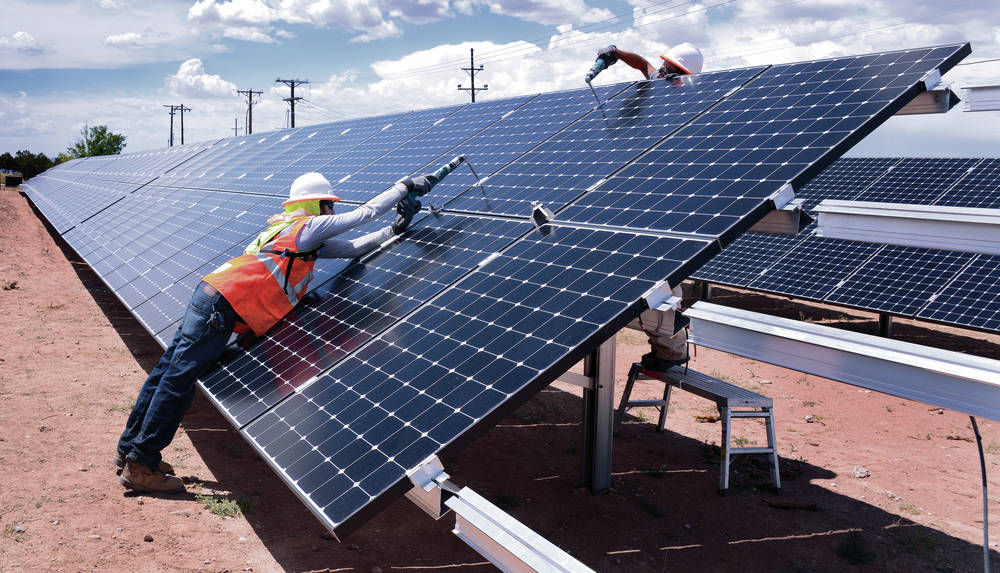
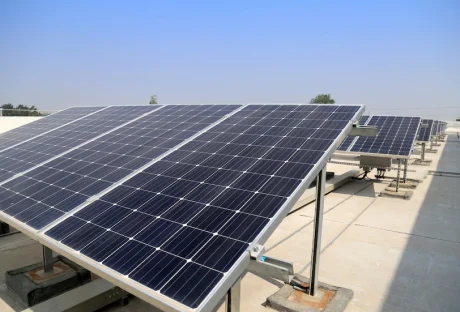
The sun has all the energy that we need and it is free. Traditionally storing solar energy has been the biggest problem preventing larger-scale rollouts of solar solutions. But on an almost daily basis, the technology that makes solar power effective is getting better and cheaper. Panels are much cheaper than they were ten years ago and batteries and other energy storage system are getting smaller and cheaper while increasing their capacity to store energy. Solar is the way of the future and it is something that can be done on a home-by-home basis. It is even possible to contribute electricity to the national grid and be a supplier rather than a consumer.
Collect rainwater :
Much like the sun in the paragraph above, rain is another resource that comes from the sky for free. It is clean and free and if we just put in place ways to store it, we could very quickly free ourselves from the need to buy water from the government. It might cost a bit to buy some tanks at the start of the process, but if your plan is to go off-grid and be totally independent then it’s a small price to pay for independence and sustainable living.
Content Rally wrapped around an online publication where you can publish your own intellectuals. It is a publishing platform designed to make great stories by content creators. This is your era, your place to be online. So come forward share your views, thoughts and ideas via Content Rally.
It is never the case where the majority of us get enough sleep (6 to 8 hours every night), eat a well-balanced or highly nutritious diet (a clean diet), and get an adequate amount of exercise (at least 20 minutes a day). There are varieties of energy supplements for both males and females.
This ‘lack’ can leave us feeling sub-par, and not at our mind and body’s peak performance. The only other sure alternative it leaves us with is to complement this ‘lack’ with either nutritional or energy supplements. This is a good thing because it replenishes us in times of need.
The fact of the matter is that even for those people who do get all 3 of the above (sleep, diet, and exercise) sometimes they too need energy supplements. It could be for health reasons like anemia (lack of iron in their blood) and feel lethargic most of the time, it could be a hormonal imbalance, environmental stressors or sometimes even a sickness that you didn’t know you had. So, in any of these instances, energy supplements are the way to go. There are lots of different types of energy supplements for both males and females.
Which Vitamins in Supplements Boost Our Energy?
Below are some popular choices:
Creatine:
Is a natural ingredient found in fish, pork, red meat, and poultry? When included in your diet, it can provide the body with a quick boost of energy.
The main currency of energy in the body is called Adenosine Triphosphate (ATP) and when the body uses up its ATP resources, it becomes what’s known as ‘Adenosine Diphosphate (ADP).’
Creatine does the job of reversing this process and provides energy to ADP which turns it back into ATP, resulting in an energy boost in your body. It’s that simple. Studies done on various athletes, for example, have shown this improvement when they took creatine as a supplement i.e. increase in several sprints in certain sports, powerful bursts of activity in things like weightlifting or jumping.
Not only did it improve energy-levels and stamina, but it has also shown to improve lean muscle mass in some adults. The reason for this was because it gave these individuals energy, which in turn helped them to train twice as hard and twice as long as they normally would. Find out more here.
CoenzymeQ10:
This is a substance we make naturally in the cells of our bodies. The 3 main parts of our body that contain the highest levels of Q10 enzymes are the liver, kidneys and the heart. The reason we have this in our body is to give us energy and protect our cells from oxidative damage. As you can imagine, when the levels of the CoQ10 enzyme declines, so does our energy levels.
Outside substitutes for CoQ10 are foods like nuts, fish, and meat in moderation.
Another reason to take it is that it decreases with age, and age-related issues like heart failure, certain cancers and diabetes, and it is always best to supplement with CoQ10 in this case. Although it is good to note that this enzyme will not increase the energy levels of people who have an adequate amount in their cells already.
Maritime Pine Bark:
This is not a very well-known or researched extract, but in recent studies it has been shown to provide energy to the body and surprisingly enough, some studies found that it may indirectly enhance the delivery of oxygen and glucose to the brain and as a result, it supports brain energy metabolism. So, it protects not only the body but also the brain against damage.
Rhodiola Rosea:
a slightly more popular herb than the one mentioned above, it is found in certain cold mountainous regions and is used mostly as an adaptogen promotes homeostasis in the body and enhances its capability to handle stress.
Many studies have also been done on this herb to see its effects on both physical and mental exhaustion. The results were positive, and they found this herb to be responsible for an increase in physical performance and a decrease in mental weariness. And was also found to help slightly with depression with no or very low side effects as compared to prescription drugs such as sertraline.
Read Also:
All That You Must Know About Prenatal Vitamins
The Top 6 Vitamins And Minerals All Women Over 40 Should Take
Vein Doctor Diana Wilsher Discusses Vitamins That Can Help You With Varicose Veins
Power, is an important aspect of our daily lives, considering a large number of power-consuming appliances and gadgets we have in our homes. Power can be expensive, if not well managed and sometimes inaccessible during prolonged periods of power failure. Power outages have become the new normal and this call for preparedness. Generators, in general, are key to this preparedness as they conveniently supply power when needed.
There are a number of generators, however, including solar and gasoline-powered generators. They both pack their advantages and disadvantages alike. Generally, they are a countermeasure to situations of power failures by providing a reliably steady supply of power. In operation, gasoline-powered generators may have harsh environmental implications. As a result, more homeowners are switching to solar generators, which are much safer for the family and environment at large.
This article is going to focus on the advantages of using a portable solar generator, in particular. But before we get to that, let us first understand what a solar generator actually is and how it works.
What is A Portable Solar Generator?
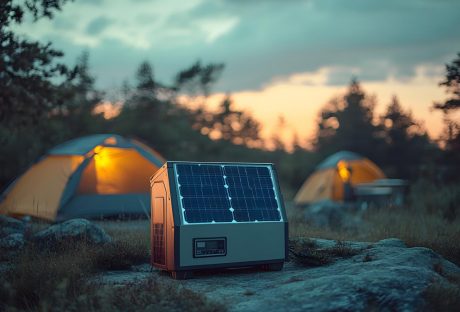
A portable solar generator is a unit comprised of three integrated components, including a generator, a frame, and a battery charger. The solar generator is powered by the sun and this solar energy is harnessed by the solar frame. The energy is stored in the battery for later use. This generator provides sufficient power to adequately supply your appliances and gadgets. It is a convenient resort during power failures. However, its use is not limited to periods of power failure alone, it can also be used to juice up your electronics occasionally and cut down on your electricity costs.
Installing a portable solar generator in your home is, therefore, a quite smart and cost-efficient strategy. You should, however, ensure that you find a solar generator that matches your home’s power needs. At PoweredPortableSolar.com, you can get furnished with sufficient information to help you reach an informed decision. Information on solar generator types, capacities and prices go a long way towards determining the ideal choice for your home.
The benefits of using a portable solar generator are immense and some of them are listed below:
1. Green Energy :
Solar generators are highly preferred over traditional gas generators for their environment-friendly nature. Entirely powered by the sun, they do not produce harmful emissions associated with traditional gasoline-powered generators which liberate fumes and gases that could be poisonous. Gas generator vapors also are a fire risk as they can easily ignite. With solar generators, harsh environmental implications are eliminated and fire risks, as well as other hazardous implications.
2. Renewable Energy :
Solar generators are fully powered by the sun. As long as there is sunlight, this energy can be freely harnessed. Unlike other energy sources that can be easily depleted, this one cannot run out. Harnessing solar energy is a guaranteed process as long as the components of the portable solar generator are suitably integrated. The energy is then stored in the battery which can be used later on to power appliances. Even on days with insufficient sunlight, the energy saved in the battery can be used to power your home.
3. Cost- Efficient :
As much as installing solar generators could require significant initial costs, it is cost-efficient in the long run. Portable solar generators enable you to meet your power needs with solar energy, a self-sustaining option. This means a considerable drop in your electricity costs. Normally, after initial installation, there are no more ongoing costs that need to be incurred on the portable solar generators. All you have to do is observe the basic maintenance measures, which are not costly. In most cases, they come down to cleaning them on several occasions.
4. Convenience :
They offer convenience, especially during prolonged periods of power outages. Power failures are bound to happen time and again. During bad weather especially, power failures could happen a lot and it could be very frustrating. Having a portable solar generator at hand counters this situation. You can keep your appliances supplied with power for a long period of time with no worries. Their portable nature, on the other hand, enables easy moving and storage when not in use. With no moving parts, they suffer less wear and tear and stay in shape longer.
Portable solar generators, as an alternative green, and a self-sustaining power source provides immense benefits to homeowners. Ranging from convenience, cost-efficiency, to renewability, portable solar generators are a great addition to your home. Although initial installation costs could be significant, long-term benefits are definitely worth it.
Read Also :
Everything You Need To Know About Portable Solar Power
What Are Renewable Sources And How To Introduce Them Into Your Household?
When you go to purchase a solar power system, you will find a variety of options. Some will include a battery. Others will not. The battery can either be a battery that stores the energy of the sun, one that stores the power of the wind, or a combination of the two.
Lithium-Ion Batteries
Lithium-ion batteries are a type of rechargeable battery that provides more storage capacity without taking up more space than lead-acid batteries. These types of batteries are useful for off-grid power stations. They have high charging and discharging efficiencies and long service life.
However, lithium batteries do have their limitations. These include the potential to catch fire. Furthermore, the battery's lifespan depends on how deep it is charged. This is known as the Depth of Discharge or DoD.
Most lithium solar batteries have a DoD of about 95%. While this means that the battery can be safely used for more than ninety percent of its total capacity, it also means that the battery will need to be recharged every so often.
In addition, lithium-ion batteries are generally more expensive than lead-acid batteries. Depending on how many batteries you want to purchase, it can cost from $5,000 to $15,000. To make up for the higher cost, there are federal tax credits available.
Compared to lead-acid batteries, lithium-ion solar batteries have a longer lifetime. Lead-acid batteries have a short lifespan, usually around five years. On the other hand, lithium batteries can last for twenty years or more. A properly installed lithium ion solar battery will have a very low risk of thermal runaway.
The round-trip efficiency is another characteristic of a lithium-ion battery. It is the difference between how much energy is used to charge the battery and how much is left when the battery is fully charged. Generally, lithium batteries have a round-trip efficiency of between 90 and 95 percent.
Some lithium solar batteries require three stages of charging. The first stage charges the battery until it is about 90 percent full. This is done by using a voltage regulator charge controller. At this point, the battery begins to drain the amperage.
The second stage of charging is where the battery is charged for a short period of time until the amperage is nearly full. If you use a store charger, this will increase the discharge rate. Because of the sensitivity of the battery to temperature, it is advisable to choose a battery that is designed for cold or warm weather conditions.
Lithium-ion batteries are generally more forgiving than lead-acid batteries. However, they may still need to be replaced in the future. Therefore, it is important to look for a company that has an excellent track record of customer satisfaction.
Another important consideration is the warranty. Ideally, you should be able to buy the battery with a warranty that guarantees the specific capacity of the battery. The warranty should also state how many cycles and years of good performance it can provide.
Choosing the right battery for your solar panel system is dependent on many factors. You will need to consider the frequency of discharging, the amount of available space, and the installation method.
DC Coupling
DC coupling in solar power systems is the process by which electricity generated by photovoltaic panels is routed directly into the batteries of an energy storage system. This can help reduce the overall Levelized cost of energy (LCOE) and provide increased energy independence. In addition, it eliminates the need for a second inverter or additional controls.
One of the main benefits of using a DC-coupled system is that it is more efficient. With an AC-coupled system, each DC output of a PV module must be converted to AC, resulting in efficiency losses. When the dc output of the PV modules is directly tied to the battery of an Energy Storage System, it is possible to maximize the amount of solar-generated electricity fed into the grid.
While an AC-coupled system can be a viable option for some applications, a DC-coupled system is preferred for most projects. The reason is simple. These systems are easier to install and operate. They are also slightly more efficient than their AC counterparts. For this reason, they are considered the best choice for new solar+ storage installations.
There are a variety of factors to consider when deciding between an AC and DC-coupled solar system. The specifics of a particular project will play a big role in this decision.
However, one important factor is interconnection costs. Using the same inverter to charge and discharge your battery system can decrease the cost of the installation. Also, co-locating your assets will reduce the cost of land acquisition and permit applications.
Another benefit of adding a battery bank to your PV system is that it can allow you to take advantage of tax credits. As a result, you can end up with a completely self-sufficient home. You will be able to store excess energy for use during periods of inclement weather or in the evening when the solar panels are no longer producing.
DC coupling is a promising development in the field of energy storage. It is a newer system architecture that can increase the efficiency of an Energy Storage System. Unlike the AC counterpart, a DC-coupled system has direct current wiring. This allows for faster, simpler installation. Furthermore, the systems can be expanded.
Inverters used in DC-coupled systems are usually smaller than those used in AC-coupled systems. Because of this, DC-coupled systems may be more suitable for residential or small commercial applications. Those that are more than 6kW will require multiple strings of solar panels. If you need more than a few kilowatts of energy, you will need to invest in MPPT solar charge controllers.
As more utilities and solar developers begin to develop DC-coupled solar+storage solutions, the industry is expected to become more mainstream. The technology has the potential to lower the cost of implementing solar+ storage projects and will make the energy storage market more competitive.
Hybrid Systems
Hybrid solar power systems offer a number of benefits over traditional solar systems. One of the biggest advantages is the ability to store energy in your own home. This is especially beneficial when the weather is cloudy or when the sun isn't shining.
Hybrid power systems can work alone, but they also work when connected to the grid. They allow you to store extra electricity in your battery and then return it to the grid at peak hours for high-value credits. The most efficient hybrid system will use a basic inverter that controls the flow of power into the battery.
Another major benefit of a hybrid system is its capability to store and provide power in case of an outage. While a traditional grid system does not have the battery backup capacity to keep your lights and appliances running during a power outage, a hybrid power system can do just that.
There are a number of components that go into making a hybrid system. These include batteries, an inverter, a combiner box, and a solar panel. Each of these items can be used to improve the efficiency of your system, which translates into lower costs and a longer lifespan.
A hybrid solar system is especially appealing to consumers in areas that are prone to losing power for long periods of time. These systems can be a great way to cut down on your energy costs and help protect your house from future rate hikes. Also, a hybrid power system can be more environmentally friendly than a system fueled by fossil fuels.
Most hybrid systems will use lithium-ion batteries as the main source of energy. Lithium-ion batteries are capable of holding more energy and have more capacities than lead-acid or other types of batteries.
While a hybrid system may be a bit more expensive than a purely on-grid system, it is still much cheaper than an off-grid system. In addition, some utilities do not have retail rates for solar electricity. Even with a small solar array, you can save up to two-thirds of your electric bill.
Another big advantage of a hybrid system is the fact that you will get credit for the amount of electricity you produce. Some utilities have net metering policies, which allow you to buy back excess energy from the grid for a higher rate than you pay for the actual electricity. Depending on your area, you may be eligible for a federal rebate.
For example, the Federal Investment Tax Credit is available through 2022, which will allow you to reduce the cost of your solar power installation by up to 30%. Moreover, in 2022 or 2023, the federal tax credit for solar power projects will be extended, which will further decrease the price of a hybrid system.
Read Also:
Is Energy A Good Career Path? – A Detailed Guide
Best Paying Jobs In Energy
Everything You Need To Know About Mobile Solar Generators