Published on: 16 December 2019
Last Updated on: 18 December 2019
Particularly popular in the Mediterranean and Eastern Europe region, kashkaval is a semi-hard yellow cheese. It derives its name from the Italian cheese “Caciocavolla”. Kashkaval cheese is made from cow’s milk or ewe’s milk. The version made from cow’s milk is called Kashkaval Vitosha. The one made from ewe’s milk is called kashkaval Balkan. There is also a variety that uses a mixture of both of these types of milk. The cheese made from the mixture of these two kinds of milk is called kashkaval Preslav.
The different names of kashkaval:
Kashkaval is very popular in countries such as Romania, Bulgaria, and Macedonia. This variety of kashkaval cheese is also to be found widely in countries such as Turkey, Hungary, and Croatia. Each country has a different name for this variety of cheese though. While the Turkish refer to this cheese as “Kasra”, the Greeks call it “Kasseri”. The Romanians, on the other hand, call it “Cascaval”.
Kashkaval belongs to the pasta filata cheeses. This means that the curd is given a hot bath during the production process. This semi-hard yellow cheese or Kashkaval cheese is allowed to age for a good six months. This lends it a piquant and spicy flavor on the one hand and salty flavor on the other. In taste, it is very similar to the cheddar cheese that is widely popular in the United Kingdom. The Kashkaval cheese is also famously referred to as “the cheddar cheese of the Balkans”.
Popular kashkaval recipes:
The slightly hard texture of this yellow cheese makes it perfect for grilling and grating. It is thus generously used in salads, pizzas, appetizers, and lasagna. One of the famous Eastern European street food made with the kashkaval cheese is kashkaval pane. It is favored for its portability and thus preferred as an appetizer or served in clubs and bars.
It is essentially fried cheese made with simple and easy to find ingredients such as flour, breadcrumbs, and eggs apart from the kashkaval cheese itself. Served hot right off the pan it is known for its crunchy, melty goodness! Another popular Bulgarian recipe made with Kashkaval cheese made in Eastern European homes is the Bulgarian cheese banitza or banitsa that is also served as an appetizer. It is can also be served in the main course alongside other dishes.
It is similar to a Greek cheese pie or a Serbian burek. To make this you will need two cups of crumbled kashkaval, 2 eggs beaten, 16 sheets of filo dough, 6 tablespoons of plain yogurt, two sticks of unsalted butter and chopped green onions and sea salt for garnishing. To make this recipe, you will need to combine the cheese, yogurt, and eggs in a large bowl and beat them until they are smooth.
The next thing to do is fold one filo sheet in half and brush it with melted butter. Portion out the filling in the sheets making either a cigar-shaped roll or an S-shaped scroll. Remember to fold up the bottom edge first and then roll it up until you are looking at a tight cylindrical shape. Repeat the process with the remaining sheets. Sprinkle with chopped green onions and sea salt if desired and place on a parchment-lined pan.
The next thing to do is bake these goodies in a pre-heated oven for about 20 minutes until they are brown and crisp. Serve hot with your favorite wine and your recipe is bound to be a hit among your guests in gathering or with your family when you are gearing up for a fun evening with food and wine! The bottom line is kashkaval is a popular cheese and can be replaced with cheddar for a slightly exotic dish or simply whipped up in an omelet!
Content Rally wrapped around an online publication where you can publish your own intellectuals. It is a publishing platform designed to make great stories by content creators. This is your era, your place to be online. So come forward share your views, thoughts and ideas via Content Rally.
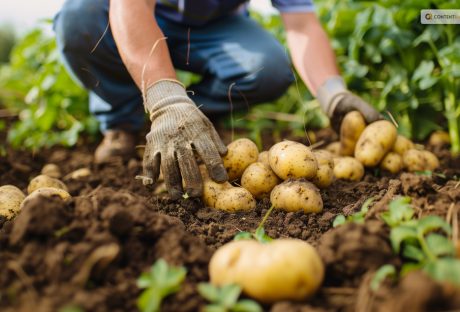
If there is something that I have learned in life, it is about gardening. Well, almost everything if not all. And if there is one thing that took me some time to master, it was knowing how to harvest potatoes at home!
Potatoes are one of the most versatile and popular vegetables in the world. They can be cooked in many different ways, such as boiled, baked, fried, mashed, or roasted. Moreover, they are also rich in carbohydrates, fiber, vitamin C, potassium, and antioxidants.
But how do you grow and harvest your own potatoes at home? You see, potatoes are not like cilantro or other plants. These are tubers.
In this article, I will show you everything you need to know about how to harvest potatoes, from planting to storage.
So, if that is something that you are interested in knowing, then I have you covered! Keep on reading this blog till the end to learn more...
How to Plant Potato Seeds or Tubers?
The first step in how to harvest potatoes is to plant them. You can start with either potato seeds or tubers. Potato seeds are small, round, and black, and they are usually sold in packets.
Potato tubers are the actual potatoes that you eat, and they have eyes or buds that can sprout new plants.
You can buy certified seed potatoes from a nursery or garden center, or use organic potatoes from the grocery store.
Here are some if the steps that you must take to plant them:
Planting Potato Seeds
To plant potato seeds, you need to sow them indoors in pots or trays filled with moist potting soil.
Place them in a sunny spot and keep the soil moist but not soggy.
The seeds will germinate in about two weeks and produce small green shoots.
When the shoots are about 3 inches tall, you can transplant them outdoors in your garden or in containers.
Planting Potato Tubers
To plant potato tubers, you need to cut them into pieces, each with at least one eye.
You can do this a few days before planting to let the cut surfaces heal and prevent rotting. Alternatively, you can plant whole small potatoes with several eyes.
To prepare the soil, you need to loosen it and add some organic matter, such as compost or manure.
You also need to make sure the soil is well-drained and slightly acidic, with a pH of 5.0 to 6.0.
You can use a soil test kit to check the pH level and adjust it with lime or sulfur if needed.
Planting Potato Pieces
To plant the potato pieces, you need to dig a trench about 4 inches deep and 12 inches wide.
Place the pieces about 12 inches apart, with the eyes facing up.
Cover them with 3 inches of soil and water well.
As the plants grow, you need to hill up the soil around them to cover the lower stems and prevent the tubers from being exposed to sunlight, which can turn them green and bitter.
You can also mulch the soil with straw, leaves, or grass clippings to retain moisture and suppress weeds.
How to Care for Your Potato Plants?
The second step in how to harvest potatoes is to care for your potato plants. You need to water them regularly, especially during dry spells, to keep the soil moist but not waterlogged. You also need to fertilize them every two weeks with a balanced organic fertilizer, such as fish emulsion or seaweed extract. Also, you can add some wood ash or bone meal to provide extra potassium and phosphorus, which are essential for tuber formation.
You also need to protect your potato plants from pests and diseases, which can reduce your yield and quality. Some of the common potato pests are:
Colorado potato beetles, which are yellow and black striped insects that feed on the leaves and can defoliate the plants. You can handpick them and drop them in a bucket of soapy water, or use an organic insecticide, such as neem oil or pyrethrin.
Potato leafhoppers, which are small, green, winged insects that suck the sap from the leaves and cause them to curl and yellow. You can spray them with a strong jet of water, or use an organic insecticide, such as garlic or hot pepper spray.
Wireworms, which are thin, brown, worm-like larvae that bore into the tubers and cause holes and tunnels. You can trap them with pieces of carrot or potato buried in the soil, or use beneficial nematodes, which are microscopic worms that parasitize and kill the wireworms.
Common Potato Diseases
One of the most common reasons why a potato cannot grow or survive is the diseases. If you were wondering what some of these can be and how to deal with them, I have you covered!
Some of the common potato diseases are:
Late Blight: It is a fungal disease that causes brown spots on the leaves and stems, and black or brown lesions on the tubers. It can spread rapidly and destroy the entire crop. You can prevent it by planting resistant varieties, avoiding overhead watering, and removing any infected plants and tubers. You can also use a fungicide, such as copper or sulfur, as a preventive measure.
Scab: This is a bacterial disease that causes rough, corky patches on the tubers. It does not affect the taste or edibility of the potatoes, but it reduces their appearance and storage quality. You can prevent it by planting resistant varieties, maintaining a slightly acidic soil pH, and avoiding excessive nitrogen fertilization.
Potato Virus Y: Lastly, this is a viral disease that causes mosaic patterns, mottling, or yellowing on the leaves, and misshapen or knobby tubers. It can reduce the yield and quality of the potatoes, and it can be transmitted by aphids or infected seed potatoes. You can prevent it by planting certified virus-free seed potatoes, controlling aphids, and removing any infected plants and tubers.
How to Determine When Your Potatoes Are Ready to Harvest?
The third step in how to harvest potatoes is to determine when they are ready to harvest. This depends on the type and variety of potatoes you planted, and the size and maturity you want.
There are two main types of potatoes: early and late.
Early potatoes are ready to harvest in about 10 to 12 weeks (about 3 months) after planting, and they produce small to medium-sized tubers that are tender and thin-skinned. They are best for boiling, steaming, or roasting.
Late potatoes are ready to harvest in about 15 to 20 weeks (about 4 and a half months) after planting, and they produce large, starchy tubers that are firm and thick-skinned. They are best for baking, mashing, or frying.
Early Harvesting
To harvest early potatoes, you can start digging them up when the plants begin to flower, or when the lower leaves start to yellow.
You can use a garden fork or a spade to gently lift the plants and tubers from the soil, or you can use your hands to feel for the tubers under the soil.
You can harvest as many or as few potatoes as you need, and leave the rest in the ground until you are ready to use them.
You can also harvest some of the young, tender leaves and stems, which are edible and nutritious.
Late Harvesting
To harvest late potatoes, you need to wait until the plants have died back completely, or until the first frost.
This allows the tubers to develop a thicker skin, which helps them store better.
You can use a garden fork or a spade to dig up the entire row of plants and tubers, or you can use a potato digger, which is a special tool that lifts and separates the tubers from the soil.
You need to be careful not to damage or bruise the tubers, as this can cause rotting or spoilage.
How to Dig Up, Cure, and Store Your Potatoes?
The final step in how to harvest potatoes is to dig up, cure, and store your potatoes. This is important to preserve the quality and shelf life of your potatoes, and to prevent them from sprouting, rotting, or shrinking. Here are the steps to follow:
Digging Up
After digging up your potatoes, you need to brush off any excess soil and remove any damaged, diseased, or green tubers.
Do not wash your potatoes, as this can remove the protective skin and invite bacteria and fungi. You can wash them just before cooking or eating them.
Curing
You need to cure your potatoes for about two weeks in a cool, dark, and well-ventilated place, such as a basement, garage, or shed.
This allows the skin to harden and heal any minor cuts or bruises and enhances the flavor and texture of the potatoes.
The ideal temperature for curing is between 50°F and 60°F, and the ideal humidity is between 80% and 90%.
You can spread your potatoes in a single layer on a newspaper, cardboard, or wooden crate, and avoid exposing them to light, which can turn them green and bitter.
Storing
You need to store your potatoes in a cool, dark, and dry place, such as a cellar, pantry, or closet. The ideal temperature for storage is between 40°F and 50°F, and the ideal humidity is between 65% and 70%.
You can store your potatoes in paper bags, cardboard boxes, mesh bags, or wooden crates, and check them regularly for any signs of sprouting, rotting, or shriveling.
You can also store your potatoes in a root cellar, which is an underground or partially underground structure that maintains a constant temperature and humidity.
Additionally, you can also store your potatoes in a clamp, which is a mound of straw, hay, or leaves covered with soil, that insulates and protects the potatoes from frost and rodents.
Wrapping It Up!
If you want to know about how to harvest potatoes, I hope that this blog has been of help to you. However, if there are any other queries related to the same, please feel free to let me know.
All that you need to do is scroll down till you reach the bottom of the page. Then leave your comments and suggestions in the box below. And I will be there to answer them all for you!
Read Also:
How to Harvest Lettuce: A Step-by-Step Guide for Fresh and Crispy Salads
Everything You Need To Know About Harvesting Basil!
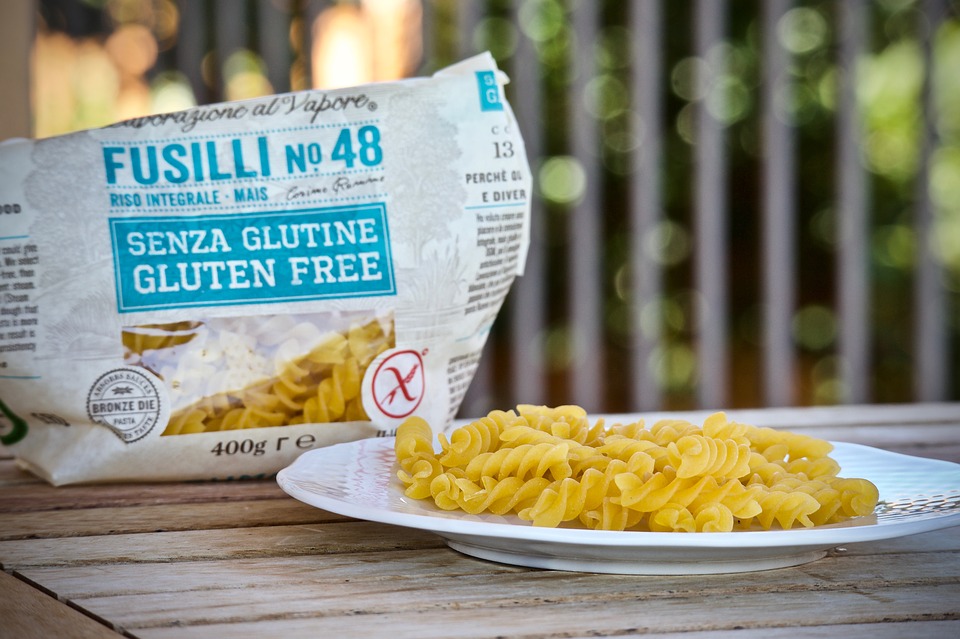
Going gluten-free has become a popular trend. More and more gluten-free products are taking up space on the shelves in grocery stores, yet at the same one, many people remain in the dark when it comes to the benefits of a gluten-free diet.
Let's begin to address that by describing what gluten is and what it actually does. Gluten is a protein found in such foods as wheat, cereal, and certain grains. One of its main purposes is to retain the elasticity in foods during fermentation. It makes bread chewable and prevents certain foods from having a doughy-like, sticky texture.
Worldwide attention:
With an increase in people being diagnosed with gluten sensitivity and celiac disease, gluten-free diets have received a lot of attention from physicians from all over the nutritional spectrum, including dieticians, bariatric physicians, and weight loss physicians.
There's a good reason for that. There are a number of health benefits which can be had from a gluten-free diet for anyone who has a gluten intolerance, such as improving energy levels, better digestive health, and decreasing cholesterol levels. Moreover, going gluten-free, even if it's for a little while, can help detox your body from wheat and processed carbs in general, too.
Restaurants, too:
It isn't just grocery stores that are helping their customers go gluten-free. There's little point in eliminating gluten from your shopping list if you're feasting on it when eating out or ordering in. Although those two options are becoming increasingly seamless with services such as Deliveroo continually adding more gluten-free restaurants to its platform. Celiac-friendly eateries available to order from include Uncle Pete's, with a customizable pizza on the menu, so going gluten-free doesn't mean that you can no longer enjoy the foods you love.
Whether buying from a shopping list or ordering from a restaurant, if you decide to embark upon a gluten-free diet, you’d only be eliminating foods from your diet that are unhealthy, anyway. For example, most fried food would be immediately off-limits, due to the breading. The same would be true of many desserts.
Reducing health risks:
By eliminating gluten from your diet, you’re reducing the risk of health-related conditions, such as certain cancers, and heart disease. It can also help you to fend off germs and viruses, as many of the foods you will eat contain essential mineral and vitamins, as well as antioxidants.
This will also mean minimising your intake of processed foods. Many processed foods that can be bought off the shelves contain high amounts of gluten, which is unhealthy, due to the fact that they contain artificial flavors and chemicals.
Weight loss, too:
Most foods on a gluten-free diet can help with weight loss, especially if you have a healthy balance of protein, fat, and carbohydrates. If you combine a gluten-free approach with the right proportions and combinations, however, and choosing gluten-free starches like quinoa, sweet potatoes, and brown rice, you’ll be eating healthier and more likely to lose weight.
Bear in mind that you’ll need to exercise caution when it comes to reading food labels. Many packages state that their food is gluten-free when it may not be the case. There will always be replacements in unhealthy goods that contain gluten with other unhealthy gluten-free varieties. That’s especially true of high-carb foods, such as bread. So just be sure to go in with your eyes open.
Read Also:
Tips To Lose Weight Naturally
Stay Away From These Foods To Remain Healthy
Source: Max Pixel
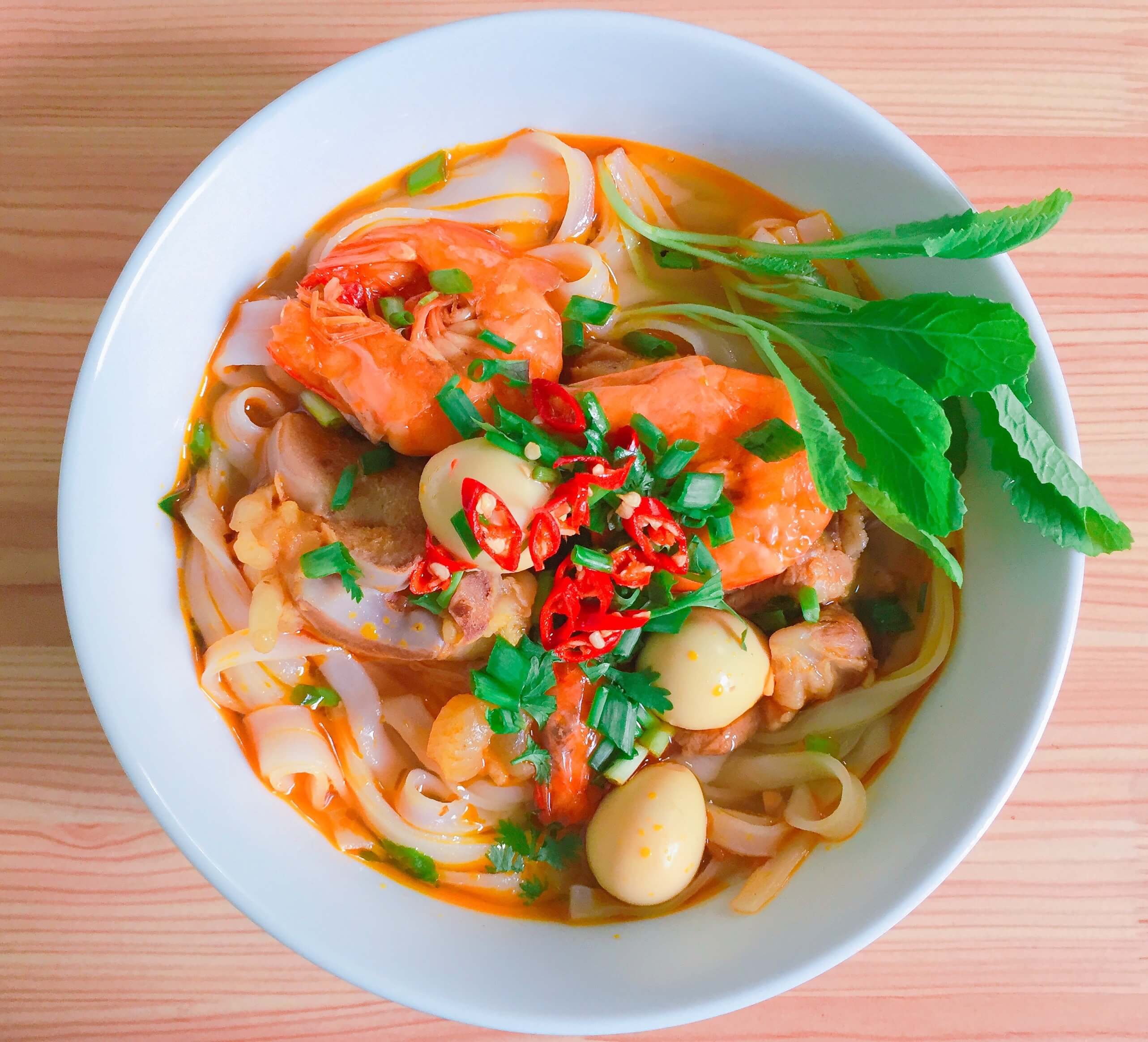
Vietnamese foods are among the best foods in the world. Besides in Vietnam, these foods are also popular in the UK. Vietnamese people professionally prepare these foods. However, you can enjoy these foods in the UK by visiting a reputable Vietnamese restaurant London offers. These foods are more beneficial than other meals. Here are the great reasons why you should include Vietnamese foods in your diet plan.
It improves digestion:
Rice is very easy to digest. These foods also include other digestible foods such as noodles, fish and chicken meat. A bowl of fresh herbs accompanies every Vietnamese meal. These herbs are essential in the metabolism of food as they relieve indigestion, headache and nausea.
Helps in weight loss:
These foods have a low content of calories and fat. Vietnamese meals consist of a large portion of fruits, vegetables, and herbs. What you eat profoundly influences your body weight. Are you eating healthily?
Regulates blood sugar:
Vietnamese foods are naturally gluten-free. Most of these foods are noodles, rice flour, and rice paupers instead of wheat. People with diabetes are advised to consume foods with less sugar. Vietnamese foods are the best in regulating blood sugar as the ingredients are low in sugar content.
It strengthens your hair:
Most Vietnamese food ingredients are rich in iron and Vitamin C. These nutrients speed up the growth of hair. Iron is also an essential element to strengthen hair.
It boosts your immune system and fights fatigue:
Each bowl of Vietnamese food consists of loads of minerals and vitamins that help enhance your immune system. They include Vitamin C, B6, B3, magnesium, folate, and iron. In each meal, there is a bowl of vegetable salad containing biotin, copper, zinc, potassium, magnesium, vitamins B3, B6, and biotin. These are essential minerals that fight against fatigue.
Keeps you young and beautiful:
Stay young naturally by eating healthy foods. Vietnamese foods contain minerals needed by your body to stay young and beautiful. In every Vietnamese meal, there are herbs, spices and vegetables rich in Vitamin A and E. Research have proved that Vitamin A aids in the healing of scars and scrapes and eliminating wrinkles hence leaving you with smooth skin. Vitamin E is also an essential mineral as it fights free radicals that enhance the ageing process.
Enhances fertility in both men and women:
First, there is little fat used in preparing Vietnamese foods. Secondly, most of the red and green vegetables used in Vietnamese foods contain Vitamin C and E that are essential in boosting sperm count. Broccoli, pumpkin, and squash have B6 and B12 that help in maintaining a healthy reproductive system.
Keeps you strong:
Rice is the Vietnamese staple food. You will realize that every bowl of Vietnamese food contains rice, noodles, and vegetables. These are great as a source of energy for your body.
These are significant health benefits of Vietnamese foods. It is advisable that you take these foods regularly for maximum benefits. You can find these foods in one of the best Vietnamese restaurants in the UK.
Read Also:
The Top 10 Best Foods To Eat In Early Pregnancy
Meals That Matter: The Best Foods And The Ways They Make You Fit