










The Essential Factors You Need to Consider when Installing Solar Panels

Published on: 06 December 2018 Last Updated on: 29 February 2020
solar-panels-943999_1920

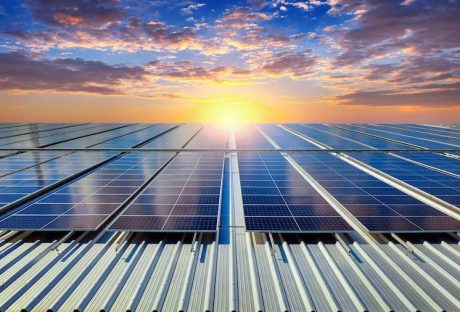
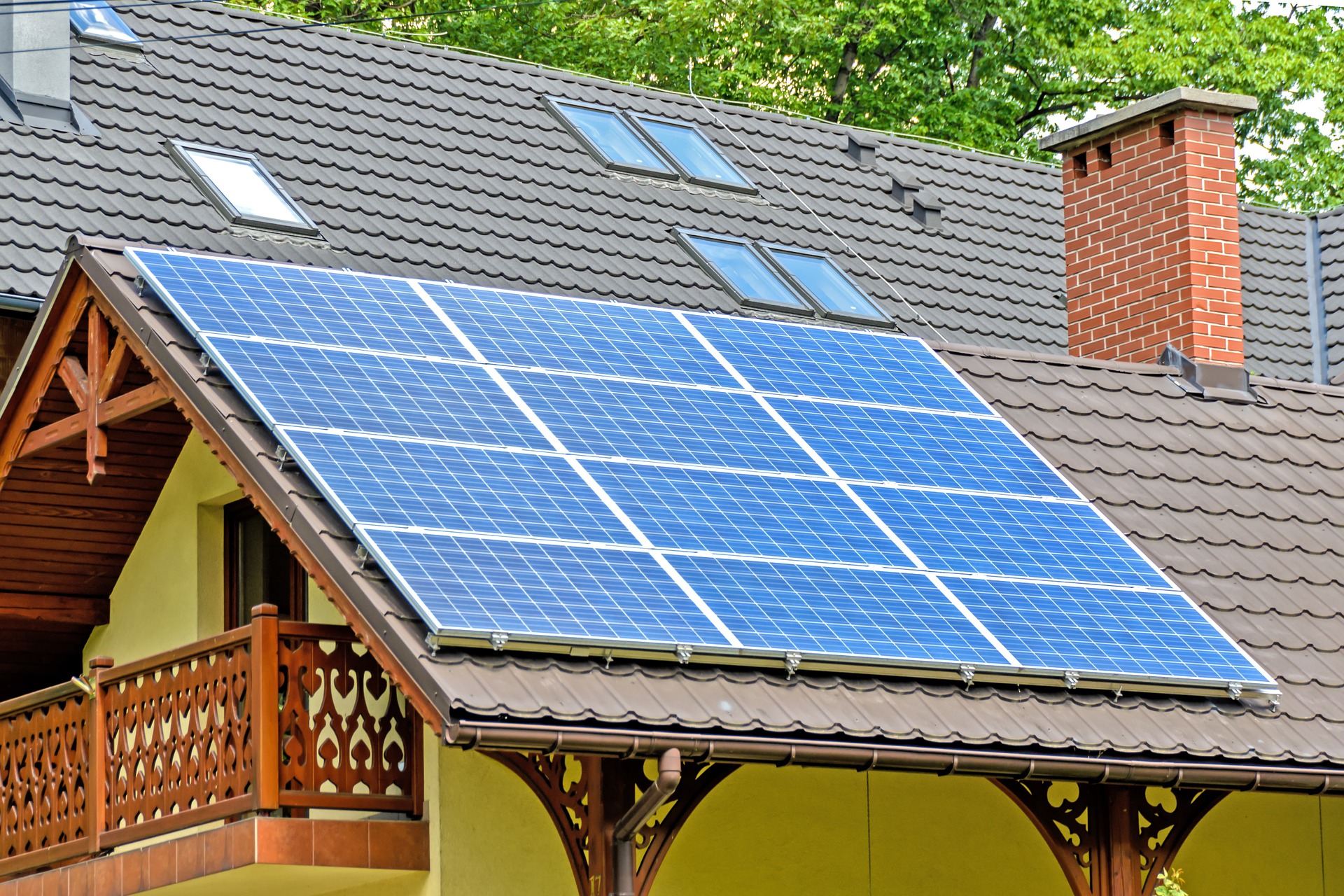
Solar panel systems have taken the world by storm, and it’s not just in ‘sunny’ countries like Australia where solar panel installations have become immensely popular. In the UK, more homeowners and householders are opting for solar panels as well, and the fact that the cost of installing your own solar panel system has gone down tremendously in the last few years has contributed to its popularity. But if you are thinking of having a solar panel system installed, there are some major considerations you need to think about as well. For one, solar panel installations need to be done in the proper way and with the proper accreditation in order for you to take advantage of the government’s Feed-in Tariff programme. What else do you need to consider, then? Here’s a list of the essential factors you need to consider when installing solar panels in your home.

The investment:

Truth be told, having a solar panel installation isn’t a cheap affair. It is an investment, and it’s best you know this from the start. But the good news is that the cost of a typical solar panel installation has already gone down by as much as 50% compared to the cost of a system eight years ago. But here’s the thing: while it’s not cheap, you are guaranteed to recover your investment over time, especially since your energy bills are going to be lower and you can even earn extra money through the Feed-in Tariff scheme. With the scheme, whatever extra energy you have that you don’t use can be sold back to the grid, and you will receive payments from the government every quarter for this.

The supply of energy:

Your solar panel installation will still work quite well even if you are in the UK, with its inclement and unpredictable weather. Of course, the system will work best during the sunnier seasons, but it doesn’t mean that it won’t produce energy whilst it’s winter time or when it’s cloudy. But while it is still within reason for you to expect your system to generate energy, even on cloudy days, you can never really tell how much the system will produce. What you can expect, though, is that your energy bills will definitely be reduced – sometimes by as much as 40 to 50%.

Where to place them:

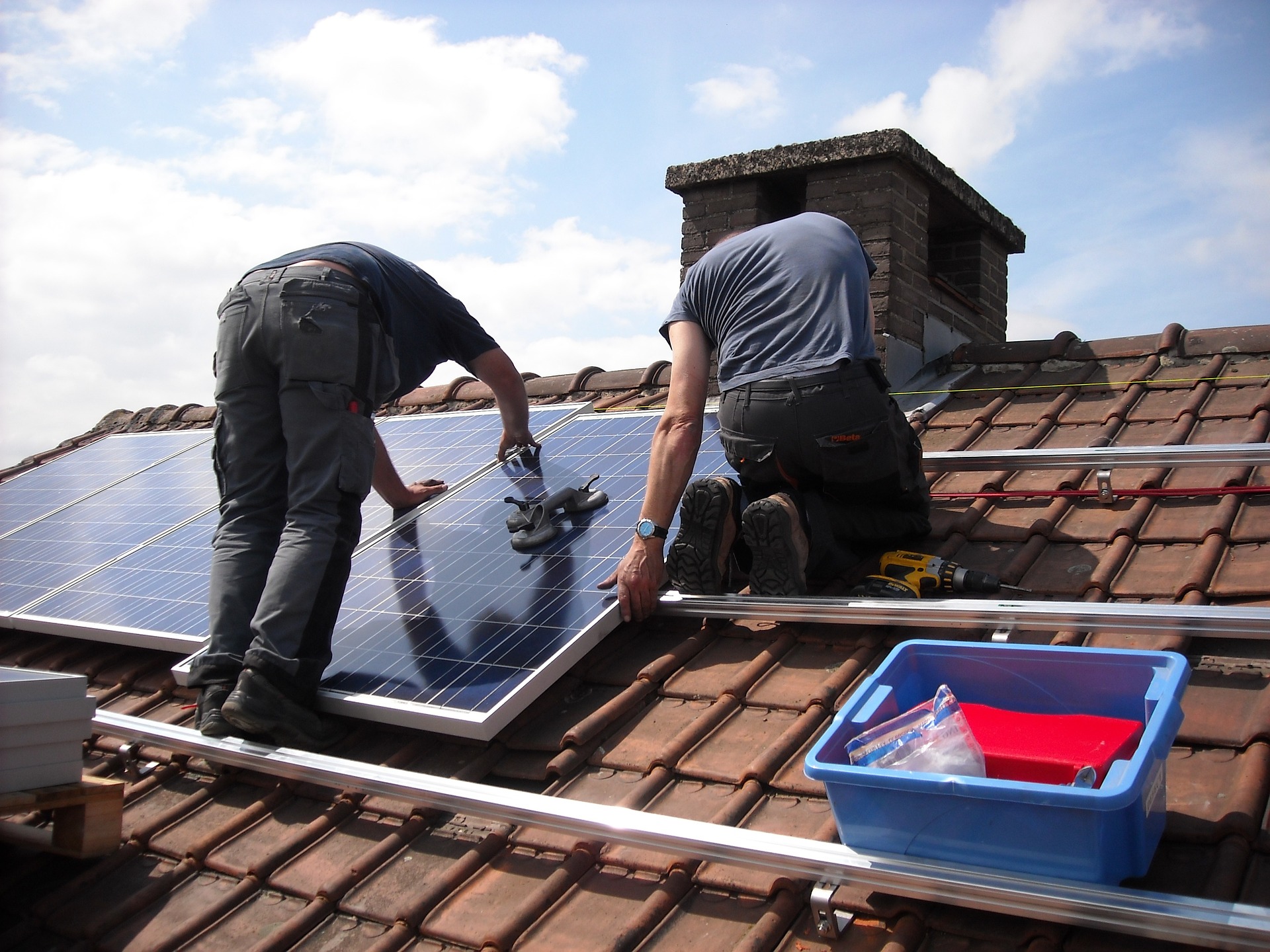
The placement of your solar panels is of utmost importance as well, so you also have to consider this, as confirmed by the specialists in solar in Manchester from Atlantic Renewables. Whilst your solar panels don’t require direct sunlight to work, they will have to be installed by a professional, preferably one who is accredited by the MCS (this is so you can get your Feed-in Tariff). The location of the solar panels matter, and so does the angle of placement. Make sure other buildings or structures or trees don’t overshadow your roof; but if this is the case, you have the option to install your solar panels on the ground as well.

Read Also:
Content Rally wrapped around an online publication where you can publish your own intellectuals. It is a publishing platform designed to make great stories by content creators. This is your era, your place to be online. So come forward share your views, thoughts and ideas via Content Rally.

View all posts

Leave a Reply

Your email address will not be published. Required fields are marked *

Related

Solar Panel

Five Factors That Impact Solar Panel Installation And Maintenance Costs

More homeowners are increasingly turning to solar power as an alternative energy source due to its ability to lower electricity bills and boost home resale values. While going green is an excellent move, installing and maintaining solar power systems are associated with high costs. By learning about the factors influencing them, you can easily decide if switching to solar power is worth your hard-earned money. Here Are Five Prime Factors That Impact Solar Panel Installation And Maintenance Costs 1. Your preferred solar panel contractor Selecting the right solar panel installer is critical as you transition to a more sustainable lifestyle. Proper installation and maintenance can make or break your project's cost-effectiveness, so don't be tempted by low prices alone! To get ahead of potential problems down the road, research companies for their qualifications and reviews before making any commitments. Investing in an experienced contractor may come at a higher upfront price tag but will ensure successful integration into renewable energy sources with long-term savings benefits. When you contact us, we will answer any inquiries regarding the cost of our solar power installation and maintenance solutions. 2. Roof type and angle The type and angle of your roof significantly impact your solar panel's installation cost and maintenance. Roofs that are flat, slate, or shingle can be challenging to work with, and installation may take more time and effort, which leads to higher costs. The angle and orientation of the roof also play a role. A roof with a steep slope facing south will provide optimum sun exposure, reducing installation costs and improving energy production. 3. Structural issues Structural issues also affect solar panel installation costs and maintenance. The integrity of the roof and the structural load-bearing capability are essential considerations. Reinforcement may be necessary if the roof cannot accommodate the solar panel's weight, which will increase installation costs. Similarly, any structural issues that require repairs, such as rot, sagging, or cracks, would require rectification before installation, which increases installation costs. 4. Solar system add-ons When upgrading your solar power system, several accessories could enhance its performance. Battery backup systems can store excess energy for later use and offer protection when the sun isn't shining as brightly or in case of an outage. While these add-ons come with additional costs upfront, they may provide long-term financial savings, greater reliability to offset any weather variations affecting production levels, and added peace of mind during emergencies. 5. Local costs Local codes and regulations can also influence solar power installation cost and maintenance. Permits and interconnection fees, for example, can vary between localities, and you must confirm any costs before proceeding with the installation. Licensing, inspection, and maintenance costs are additional expenses that may be imposed in your locality. Conclusion Investing in a solar energy system could be an effective way to reduce your utility bills. Still, the timeline of when you can expect to see those savings depends on several factors. In sunny areas with high current energy costs, these systems can pay off within five years, though other locations may have longer wait times that stretch out into ten or 20-year cycles before any real return is seen. It ultimately comes down to your value on environmentally friendly solutions and long-term investments versus the more immediate financial gains from traditional power generation sources. Read Also: Ready Rooftops – How to Install Solar Panels 8 Tips For Choosing Solar Panels For Outdoor Activity How Much Do You Save With Solar Panels? The Ultimate Guide

READ MOREDetails
solar lighting

The Benefits of Solar Lighting in a Nutshell

What comes to mind when someone says “solar?” Typically we think of the sun, the Earth’s fuel provider. What if I were to tell you that we could dramatically reduce our carbon footprint by using the power of the sun to fuel something as simple as outdoor lighting? It’s true! Over 10 million tons of carbon dioxide are produced annually just from residential outdoor lighting alone--that’s no drop in a bucket! The time to reverse the impact of carbon emissions is now, and believe it or not, one of the best ways to significantly reduce our carbon footprint is by using something a little unconventional: solar lighting. Solar Lighting Benefits: More Than Just Good for the Environment A lot of “green initiative” individuals are huge proponents for solar lighting simply because it’s great for the environment. Solar panels knock loose electronics from their interaction from photons striking silicon wafers, which in turn charge a battery to power a light fixture when the sun drops below the horizon. This awesome interaction (named the photovoltaic effect) uses absolutely zero fossil fuels to power lights. There’s nothing to burn nor any power lines that need to be connected. It’s one of the cleanest energy sources available to us. We like to call solar the “new energy revolution.” Beyond that, solar lighting is a lot cheaper than many people think. The price of a solar panel in the mid-70s was about 76 dollars a watt. Can you guess how much a solar panel price is a today? In 2013, solar panel prices were about 75 cents a watt. So 1 watt of energy produced by a solar cell costs similar to the change you’ll find under your couch cushions. And now that technology is used in solar panels on top of poles to power light fixtures. It’s a fantastic solution for parking lot and street lighting that saves money and reduces the overall carbon footprint. Beyond The Green There’s a lot more in store than you might think with solar lighting. First off, every solar light works independently. There’s no power connection needed, no trenching required, and no costs with using fossil fuels. If the power goes out, so do the lights! That’s not the case with solar lighting. In fact, we’ve seen cases of solar lights holding up during strong hurricane winds to remain on after the storm in contrast to traditional lighting which would need mountains of repair from the high winds ravaging the area. Secondly, several models of solar lighting are actually portable via a forklift or just two people. They’re fantastic for construction projects where permanently-grounded lights won’t bode well. Solar lighting works great in airports for when power goes out and backup systems fail. Or, if you prefer having the portable option just in case, feel free to go that route. The emphasis is that these lights can go virtually anywhere since they don’t need to be tied to an electrical grid. Just be sure that they have access to the sun--even though the best lighting systems are rated to last over a week on a single charge, the panel won’t cull much power if it sits in the shade of a tree permanently. Talk of the Town Solar lighting tends to be a bit of a head-turner. It preserves park beautification and adds a little flair to light fixtures. A lot of media outlets tend to give attention to cities that make green efforts, especially when they’re such a public-facing installation. On top of all the benefits you’ll receive for solar lights, you might get featured in a newspaper or on television for deciding to install solar on your city’s streets. That, in turn, should generate business. Solar is great for publicity. In Conclusion Solar lighting is a lot more than just going green. It’s about recognizing that clean power is the way of the future. It’s about preserving what matters to us and ensuring your business or municipality saves as much as possible while getting the job done. If you’re in the market for a new lighting project, consider solar. The savings are there. But don’t take our word for it; do the research yourself and you’ll find it’s the best option to light up the night. Thanks for reading. Read Also: A List Of The Essential Factors You Need To Consider When Installing Solar Panels In Your Home 10 Steps To Take To Set Up Solar Panels At Home How To Start Living Off The Grid

READ MOREDetails
Choose Right Sourcing Company

What Are Renewable Sources And How To Introduce Your Household

In the face of exhaustion of so many natural resources and ever-increasing pollution some of them cause, the need has arisen for renewable and less aggressive sources of energy. You must have heard of so many alternatives to fossil fuels which, unlike them, can be regenerated or replenished. If you are environmentally conscious or trying to become so, you are probably thinking about introducing some of those alternative resources, at least partially, since any decrease in CO2 emission or electricity usage is helpful to the planet. Numerous tech companies are attempting to introduce these technologies into our everyday lives like https://www.streetlights-solar.com/solar-street-lighting.html. Here is a brief overview of the most popular and most convenient renewable energy sources. The most popular ones are biomass, geothermal, wind, solar and water. They are all very useful and applicable in the industry, however not all of them can be easily introduced in your household, so here some more info about that, too. Solar Energy Systems Photovoltaic (solar) systems have become the most widely spread renewable source of energy in households. Solar modules turn solar energy into electricity. They can be used to provide electricity, heating and hot water. These photovoltaic modules, better known as solar panels, have no movable parts, so they’re quite reliable and don’t require much maintenance. The most common way they are made is a group of photovoltaic cells in order to reach a size and electrical output which makes it viable and usable. They are really practical and suitable to use both in rural and urban areas because they don’t take up too much space, they don’t make any noise and aren’t heavy. Once installed, these devices are completely independent of the electrical grid and can power the devices that are connected to them. There are several types of photovoltaic cells, so always contact solar energy experts for help before you make a decision which ones to install. Solar panels come in different sizes, from 2 to 350 Wp electricity output, but the most widely sold and used sizes are from 160 to 240 Wp. Photovoltaic modules are either stand-alone, usually installed in a frame, free-standing or on a roof, or most often integrated into the building itself. Wind Generators I’m sure you’ve all seen those huge wind turbines beside the road, but did you know you can actually have a wind generator at home? Wind turbines normally use horizontal axis with propeller-like blades, but wind more aerodynamic wind generators and the ones with the vertical axis are also being developed in order to try and overcome the problem of noise in urban usage. They are less efficient than the horizontal axis turbines but offer a compromise which can bring them to the urban households. Household wind generators are normally used to charge the battery bank for stand-alone electricity systems.  They are usually installed in distant, semi-rural locations in order to optimize the output potential. Wind generators for domestic use are usually sized from about 300W to as high as 20kW. It is necessary to assess the location’s potential before choosing the size. Combination of wind and solar systems is ideal for the whole year-round, as the photovoltaic panels are the best in the summer, and wind generators are the most efficient in winter. Small Hydro Generators These generators are the least frequent domestic source of renewable energy as they operate by converting the flowing water energy to electricity and locations with sufficient source of the flowing water energy are incredibly difficult to find. Again, just like with the two previous systems, it is necessary to consults the experts assess the potential of hydro system site. Despite the apparent difficulties, more and more people are opting to use some degree of renewable energies in a bid to combat the worst of climate change and global warming. Read  More:  Grow These Flowering Plants In Your Home Garden To Remove Vastu Related Problems Additional Ways To Keep Your Home Warm Five Efficient Uses Of Propane In Your Home 5 Good Luck Plants That Deserves A Place In Your Home

READ MOREDetails