











Is Indian Food Healthy? – Major Nutritional Benefits of Indian Cuisine

by

03 December 2024

Food

Is Indian Food Healthy

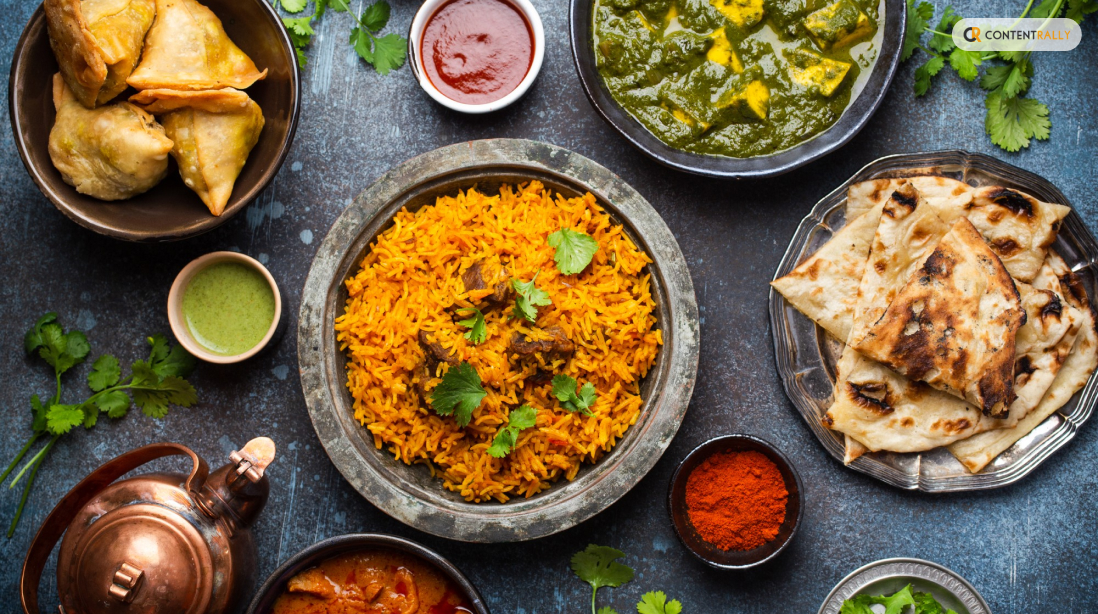
Is Indian food healthy? – Of course, they are. There are plenty of Indian dishes that are rich in nutrients, spices, and whole foods.

Although there are innumerable gastronomic options, there are many healthier options. In fact, some food recipes are based on Ayurveda, which is Ancient India’s system of medicine.

In this article, you will learn about the nutritional benefits of Indian food and the balanced dietary profile of Indian food. Also, you will learn about the health benefits of Indian food and healthy Indian cooking techniques.

Moreover, you will also learn about common myths about Indian food. Hence, to learn more, read on to the end of the article.

Is Indian Food Healthy?
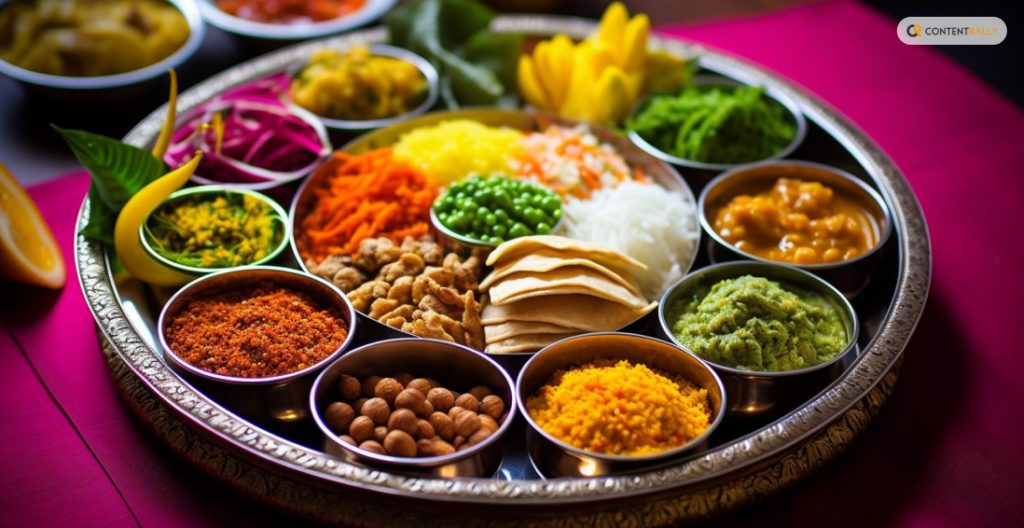
healthy Indian food

Indian cuisine has a variety of food options consisting of both healthy and unhealthy options. Here, this article aims to consider only healthy Indian food.

Generally, in Indian food, you will find a blend of diverse flavors and healthy food traditions. In fact, apart from satisfying your taste buds, Indian food will improve your health.

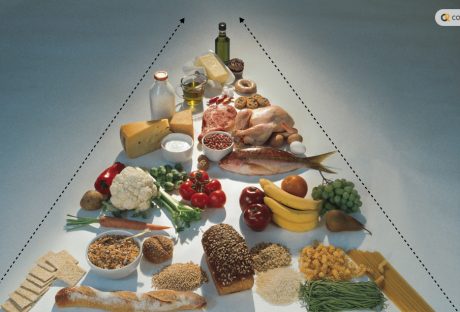
One of the most notable aspects of Indian food is that you will find a rich array of ingredients. Traditionally, the Indian diet uses a variety of whole grains, fruits, legumes, and vegetables.

Interestingly, each of them contributes significantly to health benefits. Whole grains like whole wheat, brown rice, and millet play a significant part in Indian meals.

Apart from that, Indian food items are rich in antioxidants. This is because they have many spices that are full of antioxidants. For example, antioxidants in cloves and ginger contain anti-inflammatory properties. Apart from that, cardamom also contains antioxidants.

Basically, antioxidants are molecules that prevent oxidation damage in your body cells. Moreover, it also reduces when damage is done. Hence, Indians mostly follow a diet that is high in antioxidants. As a result, there are fewer risks of diseases like heart disease and cancer.

Balanced Dietary Profile Of Indian Food

Here is a balanced dietary profile of Indian food that you need to know about:

Food ItemsBalanced Dietary Profile
Fruits and VegetablesGenerally, an everyday Indian diet includes 400 grams of vegetables and 100 grams of fruits.
Cereals and PulsesEach day, a balanced diet consists of 250 grams of cereals.
DiaryA balanced Indian diet consists of 200-250 ml of milk and milk products daily.
ProteinIndian food contains 85 grams of protein in the form of eggs, animal protein, and pulses daily.
Nuts and Seeds35 grams of nuts and seeds daily also fall under a balanced diet.

To ensure a balanced diet, you must cook your food well and make sure that the food is soft and less salty and spicy. Although Indian food has a lot of spices, the healthy options contain multiple healthy spices in the right amount.

Moreover, when consuming meat, milk, poultry, or any animal protein, make sure they are moderate in number. Furthermore, when you have a balanced diet, you must drink plenty of water and take fewer beverages.

Health Benefits Of Common Indian Ingredients
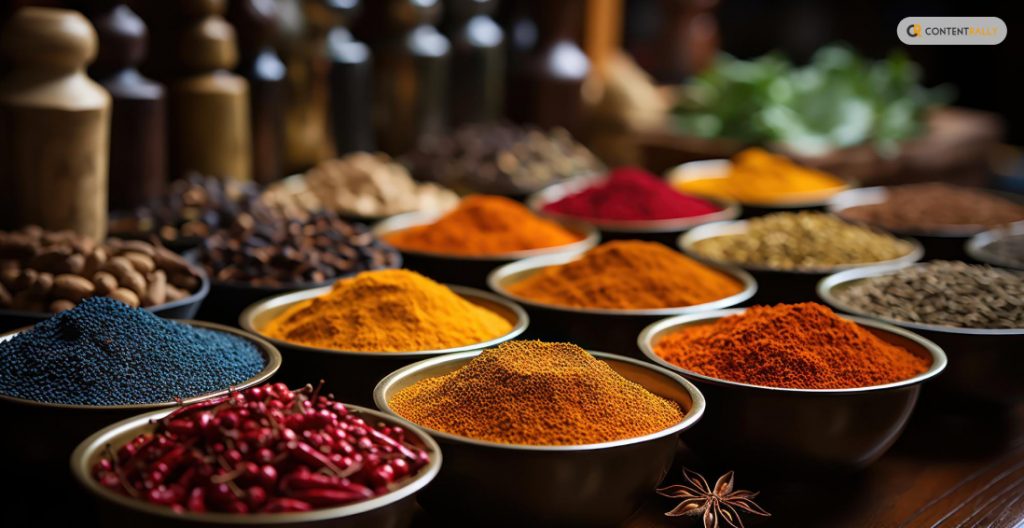
Health Benefits of Common Indian Ingredients

The following are the health benefits of common Indian food ingredients:

1. Spices

Since ancient times, India is known as the land of spices. Even today, India is the biggest exporter of spices in the world. Moreover, Indian food contains a variety of spices.

Here are some spices and their benefits:

  1. Turmeric: It contains curcumin. This item has antioxidant and anti-inflammatory properties.
  2. Cumin Seeds: They help in the digestion process and boost the immune system of your body.
  3. Coriander Seeds: These help you to regulate your blood sugar levels.
  4. Cardamom: It helps you to lower blood pressure levels.
  5. Cinnamon: This spice can reduce heart risks.

2. Vegetables, Pulses, And Lentils

Indian foods contain vegetables in food items. These vegetables provide vitamins inside your body. Also, vegetables lower cholesterol and improve vision. Moreover, many pulses contain vitamins A, B, C, and E. Apart from that, they also contain minerals like iron, potassium, and zinc.

On the other hand, lentils and vegetables also promote heart health. This is because they have less saturated fat and high fiber.

3. Whole Grains And High Fiber Foods

Healthy Indian food items contain whole grains like wheat flour and brown rice. These items provide fiber, carbohydrates, and protein.

On the other hand, chickpeas, and other fruits and vegetables help you in the digestion process. Thereby, you can maintain a healthy weight and ensure there are no risks of chronic diseases.

Indian Cooking Techniques And Their Impact On Health

Indian Cooking Techniques and Their Impact on Health

Generally, Indian cooking techniques preserve nutrients in the food items (vegetables, seafood, and meat). On the other hand, there are tempering methods and slow-cooking techniques, with the help of which you can ensure you get all the nutrients in your body.

Here are some of the major Indian healthy cooking techniques that you must know about:

1. Steaming

This is one of the healthiest cooking methods, where you ensure all nutrients in the food stay. Here, you cook the food with minimum water and little to no oil. In this case, you preserve all the vitamins and minerals in vegetables, fish, and meat.

2. Tadka

In this technique, you have to heat spices  quickly in a little oil. Then, you have to add them to the main dish. Thereby, you add flavor without increasing the fat content in the food.

3. Dum Cooking

Dum is a slow-cooking method. Basically, you have to seal food in a pot-shaped cooker and add a small amount of liquid. Hence, you  can allow flavors to develop inside the food. As a result, there is no need for excessive oil in the food.

4. Grilling

As you might already know, grilling is a simple way to cook vegetables and meat. Meanwhile, with this process, you can retain all the nutrients in the food. Also, you can add a nice-looking character to the food.

5. Pressure Cooking

In this way, you can cook food quickly with a low amount of water. As a result, you preserve most of the nutrients in the food item. Apart from that, this process also helps you to reduce your cooking time.

Why Is Indian Food One of the Healthiest Cuisines in the World?
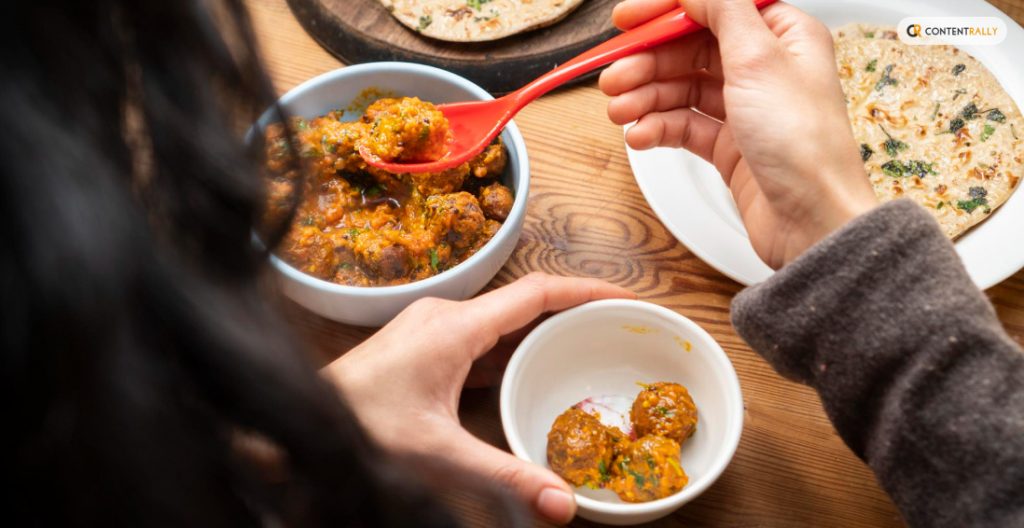
Why Is Indian Food One of the Healthiest Cuisines in the World

Indian food is one of the healthiest cuisines in the world. This is because of good reasons. One of the major reasons is that it relies heavily on lentils, whole grains, vegetables, and diverse spices with low health benefits and saturated fats.

As a result, these food items are rich in nutrients and are dense with fibers when prepared with traditional techniques.

The following are some of the major reasons why Indian food items are healthy:

  • Stable ingredients in Indian food are high in fiber.
  • Due to India being a large and diverse country, a wide variety of vegetables are available. As a result, all the essential vitamins and minerals are available through food.
  • Moreover, a variety of spices available in India come with potential health benefits.
  • Traditional Indian food items use less amount of oil in cooking. Also, they focus mostly on healthy fats like ghee (moderate amount, of course).
  • Lentils are common in Indian cuisine and offer a complete profile of amino acids.
  • Many Indian foods feature fermented items like yogurt, which improve your gut health.

The Vegetarian Advantage of Indian Cuisine
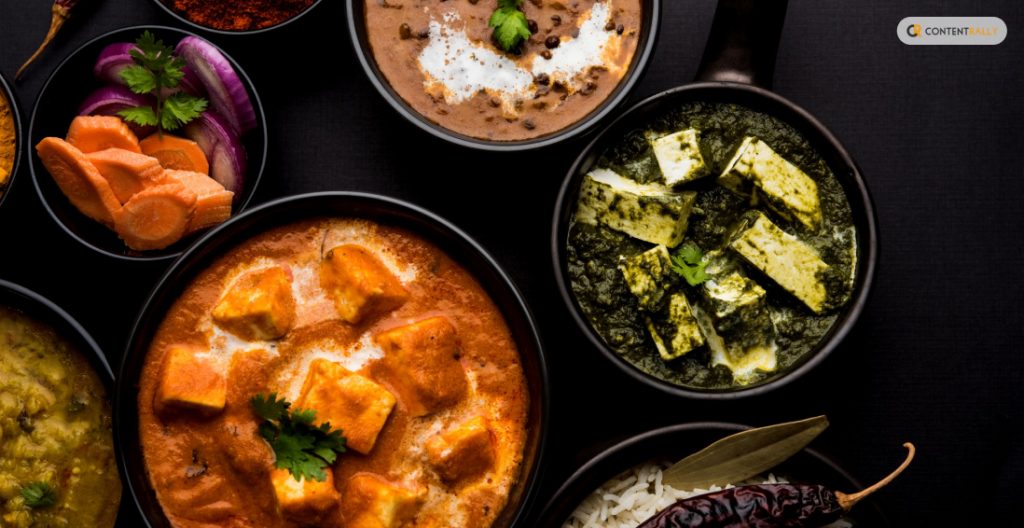
The Vegetarian Advantage of Indian Cuisine

India has an extensive variety of dishes full of flavors and delicacies. However, most consist primarily of lentils, vegetables, legumes, and whole grains.

This provides a nutritious, high-fiber, and well-rounded diet for vegetarians. Apart from that, these food items are full of diverse vitamins and many protein sources.

There is a vast array of vegetarian dishes in Indian cuisine. Moreover, due to the high range of species, it enhances the taste and offers potential benefits.

Common Myths About Indian Food Being Unhealthy
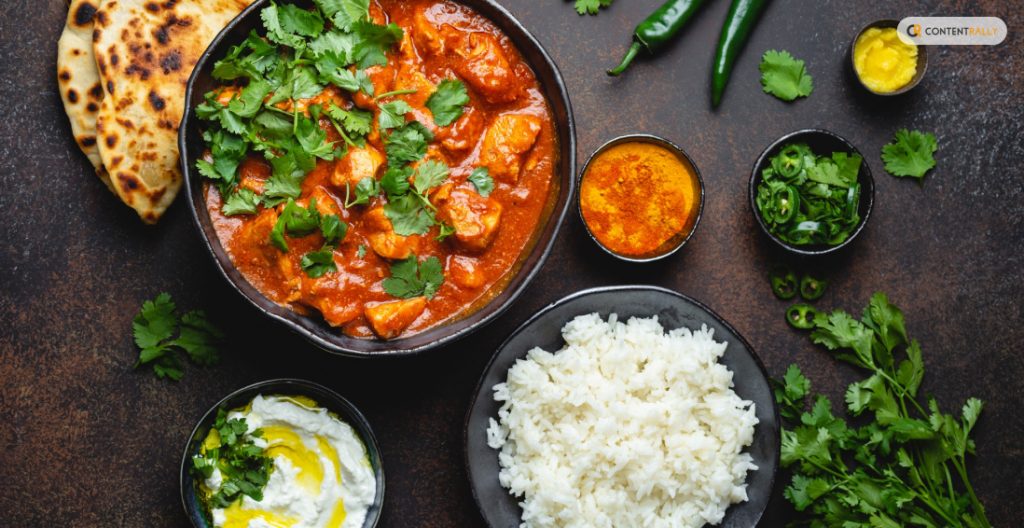
Common Myths About Indian Food Being Unhealthy

Here are some myths about Indian food that you will find common (however, they are just myths):

  1. Indian food is unhealthy and fatty”: This is a common misconception in the West because most Indian restaurants in Western Countries add a lot of oil and ghee to food items. However, this is not the case in Indian households.
  2. Indian foods are spicy”: When people think of spices, they align it with the word hot. Actually, India produces a lot of healthy spices. By adding those spices to food, you can make your food healthy.
  3. Indian desserts are too sweet”: Again, this is a myth as desserts differ with changing regions. Some regions in India create homemade desserts which are actually healthy.

Try Indian Food Now

Is Indian food healthy? – Now you know the answer to this question. You can see that there are multiple myths about Indian food, and they multiply with misinformation on social media.

India is the land of Yoga and Ayurveda. Hence, multiple healthy food options are available if you cook with the right ingredients.

Do you have more information about healthy Indian foods? Please share your opinions in the comments section below.

Read Also:
A passionate writer and an avid reader, Soumava is academically inclined and loves writing on topics requiring deep research. Having 3+ years of experience, Soumava also loves writing blogs in other domains, including digital marketing, business, technology, travel, and sports.

View all posts

Leave a Reply

Your email address will not be published. Required fields are marked *

Related

Sourcing Fresh Seafood Online

The Ultimate Guide To Sourcing Fresh Seafood Online

Today’s fast-paced world has made convenience and quality truly paramount, even when it comes to sourcing the freshest seafood. Fortunately, the rise of seafood delivery services has made it easier to enjoy the ocean's bounty from the comfort of your home. In this ultimate guide, we'll navigate the depths of seafood delivery, helping you make informed choices and enjoy the finest catches from around the world. Discovering The World Of Seafood Delivery Seafood delivery is your gateway to an ocean of culinary delights, whether you're a seafood connoisseur or a newcomer to the seafood scene. With a few clicks, you can access a diverse selection of fresh seafood, from succulent shrimp to mouthwatering lobster, delivered straight to your doorstep. Selecting The Right Seafood Delivery Service When embarking on your seafood delivery journey, choosing a reputable service prioritizes quality, sustainability, and customer satisfaction is crucial. Consider these factors when selecting your seafood provider: Sustainability - Look for services supporting sustainable fishing practices to protect our oceans and ensure a future seafood supply. Variety - Opt for a provider with a wide range of seafood options to satisfy your culinary cravings. Quality assurance - Check if the service offers guarantees on freshness, and find out about their sourcing methods. Customer reviews - Reading reviews and testimonials can provide valuable insights into the experiences of other seafood enthusiasts. Exploring Seafood Selections One of the perks of seafood delivery is access to a vast selection of seafood varieties. From classic choices like salmon and tuna to more exotic options like sea bass and scallops, you can explore a world of flavors without leaving your kitchen. Understanding Seafood Labels And Descriptions To make informed choices, it's essential to understand the labels and descriptions provided by your seafood delivery service. Key terms to look out for include: Wild-caught - Indicates that the seafood was harvested from its natural habitat Sustainably sourced - A sign that the seafood was procured in a way that ensures long-term ecological balance Organic - Denotes that the seafood was raised without synthetic additives or antibiotics Fresh vs. frozen - Consider whether you want fresh seafood or if frozen options are suitable for your needs Placing Your Order Once you've selected your desired seafood items, it's time to place your order. Most seafood delivery services offer user-friendly websites or apps, making the ordering process quick and convenient. Double-check your order details, address, and preferred delivery date to ensure a seamless experience. Delivery And Handling When your seafood delivery arrives, handle it with care. Follow these steps to maintain the freshness and quality of your seafood: Inspecting the packaging - Ensure that the packaging is intact and well-chilled. Storage - Store your seafood in the refrigerator or freezer according to the provider's instructions. Cooking freshness - Plan your meals to use fresh seafood within a few days of delivery for optimal taste and texture. Culinary Adventures With Seafood With your fresh seafood, it's time to embark on culinary adventures. Whether you're grilling, baking, sautéing or steaming, there are countless recipes to explore. From classic seafood paella to spicy shrimp scampi, the possibilities are endless. The Seafood Delivery Experience In your seafood delivery journey, you're engaging in a culinary experience that brings the ocean to your plate. As you explore different flavors and cooking techniques, you'll develop a deeper appreciation for the world of seafood. Seafood delivery services offer a gateway to the bountiful world of fresh seafood. By selecting the right provider, understanding seafood labels, and handling your delivery with care, you can enjoy high-quality seafood dishes in the comfort of your own home. Read Also: How Restaurant Space Landlords Can Be Successful 6 Tips to Maximize Refrigerator Use in Your Restaurant

READ MOREDetails
How To Freeze Dry Food

How To Freeze Dry Food At Home Fast? – Steps To Follow

How to freeze dry food? - To freeze-dry your food, you need first to freeze your food and then dry it under pressure to remove water content. This process is called lyophilization. In fact, it is one of the best methods to use if you want to dry your food. Actually, it is a common practice in both the pharmaceutical and food industries. In this article, you will learn how to freeze dry food at home with simple methods. However, before that, you will also understand the freeze-drying process and the types of food you can freeze-dry. Moreover, you will also learn the benefits of freeze-drying and essential tips to freeze-dry your food successfully. Hence, to learn more, read on to the end of the article. Understanding Freeze Drying Freeze drying is a process where you remove water from a food material by freezing it. Then, you turn the ice into vapor by putting the item under pressure. Hence, you can see that this process is a dehydration technique where you sublimate the water in a product. It means that the water content in your product changes from a solid state to a gaseous state (sublimation). Here, the water does not turn into liquid. Generally, this method is helpful when you want to preserve any perishable materials. Here, the goal is to extend the shelf life of the material. In this case, you freeze the material and reduce the pressure. Then, you add heat to allow the frozen water in the food (material) to change directly to vapor. How Does Freeze Drying Work? Freeze drying consists of three stages: freezing, sublimation, and desorption. Here is an explanation of the three stages: 1. Freezing This process involves freezing the food at a very low temperature. Generally, you have to freeze to -30 to -50°F. 2. Sublimation (Primary Drying) In this stage, you have to pass mild heat over the frozen material while the material is under vacuum. Hence, the ice crystals vaporize into water vapor. After that, you remove the water vapor with the help of a vacuum pump. 3. Desorption This is the second stage of drying. Here, you have to remove all the remaining moisture from the surface of the food. Benefits Of Freeze Drying Food The following are the major advantages of freeze-drying that will benefit you a lot: Generally, the foods that you freeze-dry retain up to 97% of their nutritional value. For instance, the food retains vitamins, minerals, and antioxidants. Those foods have a long shelf life. Moreover, you do not need to store it in cold chains. Once you freeze-dry your food, you will end up removing 98% of its water content. Hence, you will reduce its weight by 90%. Thereby, it will be easy for you to carry that food on camping and backpacking trips. Freeze-dried food is easy to prepare. This is because you just have to add water to rehydrate them. Moreover, the shape and size of the food remains intact. Also, freeze-drying helps in preventing the growth of pathogenic organisms. You can preserve a wide range of foods with freeze-drying. This includes meat, fish, fruits, vegetables, eggs, ice cream, and more. When you freeze-dry food, it does not get brown or caramelize. However, this is quite common when you dry food traditionally. How To Freeze Dry Food At Home? Here are the steps you must follow to freeze dry food at home: Wash your food items that you want to freeze-dry. Also, remove dirt and residues from the food. This way, you can ensure food safety. Cut your food into small pieces. This way, you can make the freeze-drying process faster. Place your food on a flat tray. Moreover, make sure to spread the food evenly. Basically, if you spread your food properly, you can freeze the food evenly. Place your food in your freezer, and set the temperature correctly. Then, place the food in your freezer for two weeks. Actually, you need this time to remove the moisture in the food. After the completion of two weeks, remove the trays from the freezer. After that, quickly place the food items in airtight bags. Make sure to take out one tray at a time to ensure that the food does not rehydrate. Make sure to place the food bags in the freezer, and also in a cool, dark spot. Check the food after a couple of days. This way, you ensure whether all the food is dried-up or not. Tips For Successful Freeze Drying The following are some essential tips by following which you can successfully freeze dry your food: 1. Preparing the Food Harvest the food produced when it is ripe. Then, wash the food, remove the damaged parts, and prepare it as desired. This is because if you cut your food into small pieces, it will dry faster. 2. Arrange the Food Place your food on a tray and arrange it into pieces. Also, make sure to place those pieces in such a way that they do not touch each other. 3. Use A Freeze Dryer With the help of a freeze dryer, you can automatically lower the temperature. Moreover, a freeze dryer also helps you to create a vacuum. 4. Store The Food Once you freeze-dry your food, store it in an airtight container. Also, you can store it in a bag which you can vacuum-seal it. 5. Cook Raw Foods: One of the drawbacks of freeze-drying is that it does not kill harmful bacteria. Hence, you must cook freeze-dried foods thoroughly before consumption. Related: The Importance Of Proper Cutting When Preparing Meals Common Uses For Freeze-Dried Ingredients The following are some of the common uses of freeze-dried foods: Works as essential food supplies at times of emergencies. They have a long shelf-life and you can use it to maintain food quality. You can use freeze-dried food in stews, soups, baked goods, etc. You can eat freeze-dried food as a healthy snack any time. If you freeze-dry your seasonings, you can retain the flavor and freshness for years. Wrapping Up You now know how to freeze dry food. Generally, in manufacturing, food companies and manufacturers prefer freeze-dried food over regular food. This is because they are easy to prepare and are portable and lightweight. Also, such food removes the moisture from the food to make it compact. Do you have more suggestions for freeze-drying to offer? Please share your ideas and opinions in the comments section below. Additional Readings: How to Thicken Chili – Tried and Tested What To Look For And What To Avoid In Healthy Dog Treats The Difference Between Bacterial Amylase and Fungal Amylase

READ MOREDetails
benefits of cheese

Please Pass the Cheese! 7 Awesome Benefits of Cheese

It may or may not surprise you that each American eats an average of 35 pounds of cheese a year. There are lots of ways to eat cheese - with crackers, on sandwiches, deep fried, in salads- so this really isn't too high a statistic considering all the things you can do with this tasty food. If you're one of the many people who loves cheese, you might be a little worried that it will hurt your health one day. Well, the good news is that you're probably worried for nothing - it might even have the opposite effect! Here are seven awesome benefits of cheese that you probably didn't know about. 1. Good For Skin And Hair: One thing that cheese is really good for is helping to keep your skin and hair healthy. Cheese is great for the skin because it contains lots of Vitamin B, which helps your skin stay healthy and glowing. It helps get rid of acne and other skin problems by helping the healthy skin cells grow. Cheese also has protein in it. When we think of protein, we tend to think of beef or pork, but cheese is actually more healthy than these things and gives you a slimmer, healthier alternative. Cheese has calcium, too, which is great for keeping your hair healthy and shining. 2. Helps Bones and Teeth: Cheese is also helpful in maintaining healthy bones and teeth. If you eat only one ounce of Parmesan cheese, you get 336 milligrams of calcium, which becomes even more the more cheese you eat. Other types of cheese come close, too. This is good for your bones because normal healthy men need 1,000 milligrams of calcium a day to keep their bones in shape. So, eating just three ounces of cheese will fill all your needs for the day! Along with phosphorous, another chemical found in cheese, calcium helps to prevent the enamel on your teeth from wearing down. In the end, this means fewer cavities and money spent on dentist visits for you. 3. Helps Maintain Healthy Weight: People tend to hate the idea of gaining weight, but the truth is that everyone needs to have fat in their bodies to survive. Well, cheese can help you to maintain a healthy weight and have the healthy fats that you need for temperature regulation and a good immune system. Some people are even looking to gain weight, and cheese is a good way to do it in a healthy way. It has a good amount of fat and protein, which can help to strengthen your muscles. 4. Lowers Risk Of Heart Problems: Heart disease, the biggest killer in the US, is a terrifying idea for anyone. The good news is that eating cheese can lower your risk of getting it and maybe extend your life. A study from 2017 actually showed that people who eat a little cheese each day have a 14% lower chance of developing heart disease. It might be a worthwhile investment! On a related note, eating cheese also helps to lower your risk of having a heart attack. Maybe deep-fried cheeses like mozzarella sticks aren't the way to go, but cheese and crackers? Eat a little bit of those every day - you just might be saving your own life! 5. Benefits of Cheese Against Cancer: While we're on the topic of saving your life, eating cheese also lowers your risk of developing certain cancers later in life. Cheese is rich in the antioxidants that fight cancer cells in your body. This means that they won't fester and hurt the healthy cells that your body needs. Right now, there are more studies that are supporting the idea that eating cheese has an effect on the development and prevention of colon cancer. Who knew that something so delicious also might just help you have a longer, healthier life? 6. Lots Of Variety: Another super cool thing about cheese is that there is a lot of variety when it comes to picking a kind you like. Like something flavorful and sophisticated? You might like an aged Gouda or cheddar. Something to spread on crackers or dip bread in? Brie or Gorgonzola might be for you! One of the absolute best things to look into when considering your cheeses is French cheese. Everyone knows that no country does "classy" quite like France, so why not take a stab at cheese from a country known for its high-end cuisine? From strong to smooth, you're sure to find a type of cheese that pairs well with other aspects of your diet. 7. Pairs Well With Fruit: Though this isn't strictly a health benefit of cheese in and of itself, cheese is really good because it pairs well with fruit. Fruit is healthy because different fruits contain lots of different vitamins. Vitamins A and C, to name a couple, are really common. Lots of people need something rich to pair with the sweetness of fruit, and that's where cheese comes in. It's perfect to contrast flavors with the sweet, tangy fruits, which might lead to you wanting to eat more of them and get those great vitamins. Cheese Is The Best! From this intel, you've probably gathered that your phobia that cheese is bad for you is just that: an irrational fear. If you want all these great health benefits, cheese is actually food you should be seeking out! Now that you know all about the wonders cheese can do for your health, you might want to check out this article about variants of everyone's favorite cheesy dish - pizza! Now count with me. Three, two, one... say cheese! Read Also: 3 Variants Of Thin Crust Pizzas More Than Just A Fad: The Benefits Of Going Gluten-Free

READ MOREDetails