












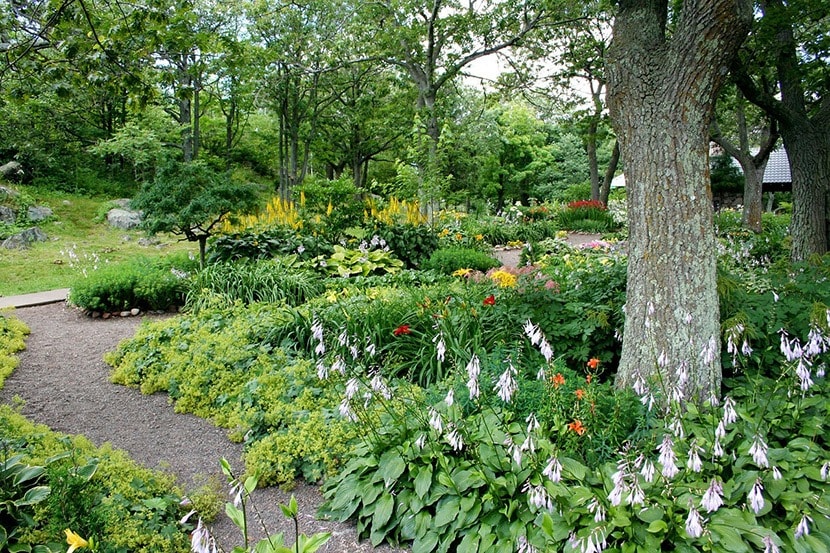
3 Amazing Flower Street Garden – How to Design?

Published on: 18 March 2017 Last Updated on: 29 October 2024
Amazing Flower Street Garden

When it comes to planting your garden, perhaps you love nothing but the joy of rooting, tilling, and otherwise nourishing your plants and flowers to grow to be amazing and beautiful. Really, you are passionate about gardening, and would not trade the experience for anything.

That said, perhaps you have experimented with tons of different types of gardening, from hydroponics to indoor planting. This time around, you are probably curious to take on planting flowers…on the street.

While you might find it to be a piece of cake, there is a certain art to it, and we are here to help you out! Read on to learn more in this article on how to design an amazing flower street garden. Pretty soon, you will be well on your way to an excellent garden that you can show off to your family and neighbors.

Without further ado, let’s get started!

How to Design an Amazing Flower Street Garden

First things first, it is necessary to take some time to research just how you are going to start your flower street garden. It is not just a matter of rushing into doing so, but rather taking the time to yield great results. Trust us: in the end, it will all be worth it. Here are three, simple steps to follow:

1. Select your plants and flowers
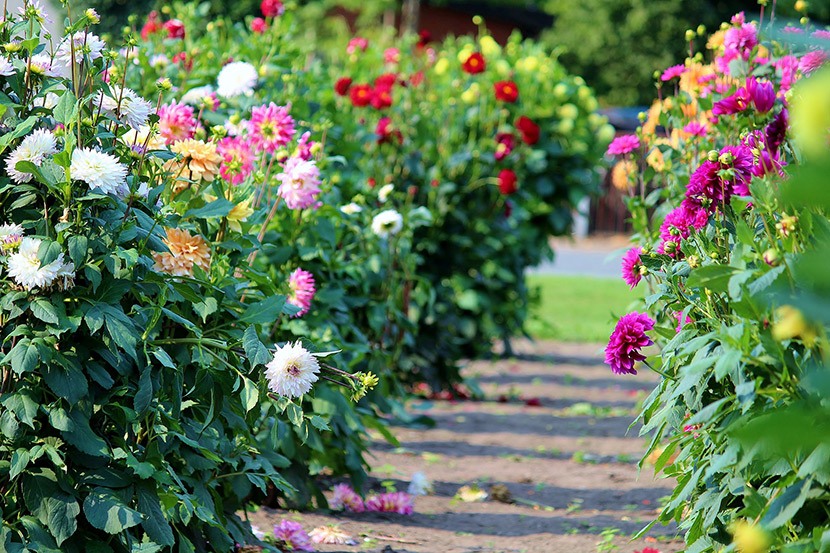
Select your plants and flowers

Aside from choosing plants and flowers that look aesthetically-pleasing and color-coded with each other, it is also a matter of choosing some which can co-habit together peacefully.

In other words, you need to select plants and flowers that can grow well without having to fight for the same nutrients in the soil, let alone fertilizer.

Really, competition can be fierce for some of them, which can end up leading not only to inadequate nutrients being distributed unevenly but also inadequate growth on both parts of the plants and flowers.

For instance, zinnias and geraniums go well together, both in terms of being planted together and color-scheming. Another good one to refer to is that of Melampodium and shrub rose, which add that extra pop to your home curb appeal.

2. Keep them orderly

Paradoxically speaking, this point is both about keeping your street garden limited just to a few plants and flowers, but also diversifying them for an aesthetically pleasing sight.

What do we mean by this? In other words, it is advisable not to go crazy with too many different species of plants and flowers within a given plot of land, considering that, again, they will have to compete for nutrients (which can affect how they grow), as well as create a hodgepodge of all sorts of species which can make it look a bit too disorganized and detract from its attractiveness.

That said, a rule of thumb is to plant just a few varieties: we recommend planting no more than ten sorts of perennials, five kinds of shrubs, and two types of trees. Again, strike a balance between color scheme and practicality, and doing so will make all the difference when it comes to the beautiful results of your street garden.

3. Maintain them regularly

Maintain them regularly

Finally, it is a matter of just getting around to planting and nourishing your plants and flowers along the side of your street. Besides just the basics of watering and giving them enough sunlight to flourish, you will also have to maintain it regularly with appropriate fertilization and pruning from time to time, especially if you are growing plants and flowers that tend to get quite thick and heavy with foliage and so forth.

Hence, for the latter, it is a good idea to have at least a prune tool around to make it easier (and safer) to efficiently keep the plants and flowers under good maintenance. From shears to pole saws to lawnmowers, pruning tools come in all sorts of shapes and sizes, so it is essential to know which ones are the best for the type of pruning you need to do.

*bonus* Give them love and care. While this point sounds corny, it is important nevertheless to care for your plants and flowers like they are your own children.

Doing the basics such as watering, fertilizing, and pruning is a good start, but to take it above and beyond to keep them safe from harsh weather and investing in safety fences to keep out pests and other sources that might otherwise damage, will make the street garden even more lovely and happier.

For an idea of what to expect for street gardens, check out this video here:


Read also: 5 Essential Tips To Designing A Beautiful Front Yard Garden

Overall, street gardening is an interesting concept that is not a bad idea to consider, should you be passionate about planting flowers, in general. With the right amount of tools and planning, you should be able to create an amazing and attractive street garden to call your own.

Abdul Aziz Mondol is a professional blogger who is having a colossal interest in writing blogs and other jones of calligraphies. In terms of his professional commitments, he loves to share content related to business, finance, technology, and the gaming niche.

View all posts

Leave a Reply

Your email address will not be published. Required fields are marked *

Related

5 Tips to Keeping Animals Away From Your Garden

5 Tips to Keeping Animals Away From Your Garden

Animals might be cute, furry, and very pleasing to look at but they can seriously be destructive to your field, some of us may enjoy their company, others might want to kill them instantly! Either way, if you do not take care of who enters your garden, your plants may not thank you. Check out the rest of the article to understand what kind of animals can spoil your garden and how to restrict their movement. Who are these animals? Some of the most common garden animals include chipmunks, squirrels, skunks, mice, moles, rats, and opossums. To learn more about possums, click get rid of possum. These animals dig holes into the ground, eat your fruits and vegetables, multiply or lay eggs in your garden, and generally wreak havoc. Other larger animals include dogs, deer, birds, snakes, etc. Just having them run around the garden can cause large-scale destruction. Ways to get rid of animals in your garden There are several ways to control the entry of animals in your garden. Some are more effective than others. To learn more about these methods, read on. 1. Identify the creature : The best way to control animals is to identify them first. This way you would know exactly how to deal with them by understanding their behavior and ways of living or multiplying. You can then target the animal with exactly the right technique that is needed to get rid of them. It is necessary to identify the animal to learn about its habitat, control them, and devise an effective solution. 2. Make your garden animal proof : By making your garden attractive to animals, you will invite more pests into it. Therefore, certain methods need to be adopted to make sure that the animals stay away. One such method is to cut down on places that can house such animals, like tall grass, bushes, or a pile of leaves. Some animals can even crawl under your deck or porch. Minimize any food sources, like birdbaths and seed booths, where animals like squirrels may come to feed. Moreover, you should cover your compost pile that attracts raccoons and fruit and vegetable patches with nets to avoid dogs, cats, deer, etc. 3. Fences, nets, and traps : Fences are a great option to help minimize the entry of animals. For smaller animals, like rats, squirrels, rabbits, and more, small fences around your garden are enough. But for larger animals, like dogs and deer, larger and taller fences are required. Putting up taller fences can go a little heavy on your pocket, so securing plants is probably a better option. Nets are a great way to prevent animals from actually feeding on your produce, like fruits and vegetables. Just adding a mesh or net around your patches can make a huge difference. Traps can be placed throughout the garden to catch animals with the help of baits. Use some food, like cheese, crackers, or biscuits, to lure animals into the trap, which then slams shut. Animals are also not harmed this way. It’s easy to catch possums, rats, squirrels, etc. with the help of traps. 4. Repellents : Some animals can be repelled using auditory techniques, like certain sounds, and repellents that smell a certain way, thus driving or scaring away the animal out of your garden. Some examples of repellents are - predatory urine, garlic clips, and castor oil. But these repellants need to be applied and monitored on a regular basis to make sure they are effective. Some of these repellents, however, can be toxic to humans, so be careful, which repellents you choose. Auditory repellents include motion-sensitive water sprayers, ultrasonic repellers, and visual scare devices, such as reflective tape. The only problem with these repellents is that pests may become immune to these methods, and therefore they may decrease in effectiveness over time. Make sure you read all the directions given on any repellants or products before using them. 5. Do on the spot management : For example, when moles create boroughs in your garden, you can place mothballs in the holes to repel them. Moles don’t eat your garden produce but their tunnels can cause your plants to die since plants may not find space to grow underneath the ground with enough nutrients. If certain animals have entered your garden, immediately introduce the predator species into your gardens, such as cats and dogs, to scare away the pests. Cats and dogs prey on animals, like mice and rats. In some cases, you can hand aluminum foils with strings in your garden. The shiny material can scare away the animals. Again, the effectiveness of this method may die with time. Pests are destructive to your garden and should definitely be identified and eradicated. However, there’s no need to kill these animals in order to get rid of them. You can also use humane ways to get animals out of your garden. Use the methods given above in order to get rid of animals, including possums, from your garden. This will help you get a more secure and flourishing garden in no time! Read Also : 5 Summer Garden Maintenance Tips And Tactics You Have To Know Grow These Flowering Plants In Your Home Garden To Remove Vastu Related Problems

READ MOREDetails
Rug Layering

Tasteful Or Messy? How To Nail The Rug Layering Trend In Your Home

Rug layering, a trend that has gained popularity in interior design, can be perceived as both artsy and deliberate or, alternatively, as a bit sloppy, depending on the execution and context. When done with care and a discerning eye, rug layering can add depth, texture, and visual interest to a space, elevating it to a more eclectic and personalized level.  The key to artful layers Artful layering involves combining rugs of varying patterns, textures, or sizes in a way that complements the overall design scheme, creating a harmonious and intentional aesthetic. Starting with a Large selection of stylish rugs is the best way to move forward in a stylish and purposeful way by allowing for a dynamic interplay of colors and materials, contributing to a space that feels curated and thoughtfully designed. While a good rug collection is the best way to nail this trend, some thought and artistic design is still required in the process. If not executed thoughtfully, rug layering runs the risk of appearing haphazard or messy. The key to avoiding a sloppy look lies in keeping a sense of cohesion and balance. It's essential to consider the color palette, scale, and patterns of the layered rugs, making sure they work together rather than clash.  Proper placement is also crucial; overlapping rugs in a purposeful manner can create zones within a room, defining different functional areas and enhancing the overall design. Without this intentional approach, however, rug layering may come across as disorganized and lacking in visual harmony.  If you would like to add additional warmth to your home, and perhaps find a way to tie your rooms and decor together, then blankets are a great way to do that. They blend in easily and provide both aesthetic and practical value. Why add warmth with rugs and blankets?  Rugs and blankets play crucial roles in enhancing the comfort, aesthetics, and functionality of a home. Rugs, with their diverse textures and patterns, serve as versatile decor elements that can tie together various design elements within a room. They not only add warmth to hard flooring surfaces but also define and delineate living spaces. Whether it's a luxurious Persian rug in the living room or a cozy sheepskin rug in the bedroom, these floor coverings contribute to the overall ambiance of a home. Similarly, blankets are multifunctional essentials that go beyond providing warmth. They introduce layers to interior design, allowing homeowners to infuse colors and textures that complement their style. Blankets draped over sofas or neatly folded beds serve as both decorative and functional accessories. In addition to their aesthetic value, blankets offer a sense of coziness, inviting individuals to snuggle up during chilly evenings. Together, rugs and blankets contribute to a home's atmosphere, creating a welcoming and personalized space where style meets comfort. Ultimately, the method of rug layering chosen is really dependent on individual taste. For those who appreciate a more eclectic and bohemian look, carefully layered rugs may be considered artsy and avant-garde. The key here is to strike a balance that aligns with the overall design vision and the desired atmosphere of the space. Read Also: Home Decoration At Its Best: 7 Key Ideas To Recreate Your Home Top Home Remedies To Make A Floor Non-Slip Ideas for Modern Flooring Designs for Home Improvement Plans

READ MOREDetails
Home Maintenance

How To Approach Home Maintenance With A Focus On Well-Being

We all know, at least by intuition, that having our living spaces clean is important – and not just because of the visual appeal of it. Then, what are the main reasons why it’s so crucial for our lives? Sure, the look of a clean home, the convenience of finding things in their place, habits it helps us foster, and the sense of obligation – especially if you live with other people, all of them play their part. But, there’s something that really makes house cleaning vital: the link between it and our physical and mental well-being. So, what aspects of health are we talking about here, and how exactly does keeping your home in shape make a difference? According to Hire A Maid and their team of seasoned experts in house cleaning, there are a few main health-related considerations that connect to the state of our living spaces. We’ll discuss them below, and then explain how to approach home maintenance with a focus on well-being. What Are The Approaches Of Home Maintenance With A Focus On Well-Being There are a lot of approaches to home maintenance with a focus on well-being. In this case these approaches are quite suitable and feasible in terms of keeping your health nice and up to the mark. Below I am going to discuss the approaches of home maintenance with a focus on well-being.  1) Germs & Contaminants This one is pretty straightforward: cleaner space means fewer germs and other contaminants. Your goal shouldn’t be to live in a completely sterile bubble, it’s more the means to lower the chance of illness by keeping those pesky germs at bay, especially during flu season.  To that end, you should regularly wipe and disinfect surfaces throughout your home and give extra attention to the high-touch ones. It’s a tried and tested way to keep yourself and your family safe.  And don’t forget the kitchen and bathroom, where a combination of moisture and food particles creates ideal conditions for pathogens to thrive. To make sure all of these areas are regularly addressed, it’s best to craft a realistic cleaning routine – one that’s easy to stick to but still addresses all microbe-prone surfaces regularly.  2) Allergens & Air Quality Allergies are a common issue, one that many people unfortunately have to deal with even in the safety of their own homes. Allergy symptoms may be somewhat unpredictable, but luckily, it’s possible to lessen their grip on your day-to-day life. It’s quite simple really: regular cleaning reduces the amount of allergens the same way it reduces the number of germs.  Dust is a common culprit for triggering reactions, along with dust mites. And even if you and your family members don’t suffer from allergies, dust and dust mites can irritate almost anyone.  To reduce the amount of irritant particles and improve the quality of air in your home, focus on dusting regularly and efficiently, use a high-quality vacuum, and tackle upholstery, carpets, and bedding whenever possible. 3) Order & Stress Levels Aside from being an eyesore, clutter can crowd your mind as much as your space. The hassle of moving around through the mess, a decrease in productivity – these are just some of the ways in which clutter and neglected cleaning tasks can add to your stress levels.  Before you know it, it becomes a loop where the sight of the mess and the dread of having to address it feed into each other, making you feel increasingly overwhelmed.  Tackling clutter is about reclaiming peace as much as it’s about reclaiming your space. Start small – a drawer, a shelf, a corner, and work your way through the home. If possible, rely on others for help, whether it’s family members or hiring a cleaning professional. Once everything is in order, brainstorm ways to keep clutter from creeping back in. The ripple effects of a clean home on our well-being are extensive. Improved sleep, heightened concentration, and a general sense of wellbeing are all byproducts of a space that breathes cleanliness and order. Furthermore, the discipline and habits cultivated through regular home maintenance can translate into other areas of life, promoting a lifestyle that values mindfulness, health, and balance. What Are The Monthly Home Maintenance Checklists? While this is about a monthly home maintenance checklist, preserving the property’s condition is essential. Below, I am going to discuss the monthly home maintenance checklists.  1) Cleaning HVAC Filters  While this is about adequately installed HVAC filters, this will help you breathe easily in your home. This further ensures that your cooling and heating systems will also work efficiently.  2) Test Smoke Alarms  Always ensure that smoke detectors are functional in the home. This is a key feature for early detection in handling several other safety hazards. On the other hand, you must replace such batteries every six months to keep consistent and reliable operations.  3) Clearing Drains and Sinks  Always ensure that you are regularly clearing sinks and drains. These will prevent the inconvenience and chaos of several other clogs.  4) Examining Electrical Cords  Always examine several electrical cords. In this case, you must inspect the cables for frayed wires, or else you will lose the connections, which would prevent the electrical hazard.  5) Lubricating Door Locks and Hinges  Always lubricate the door hinges and locks to prevent doors from further squeaking. This ensures the smoother operations of several other locks.  6) Cleaning Gutters And Downspouts  After regularly purging the blockages and water damage, you might get a flawless water service across the entire washroom.  7) Checking Plumbing For Leaks Always ask the plumber to detect leaks as early as possible. This will save and prevent money along with extensive damage. Ensure you check the shower heads, plumbing, and faucets for such leaking to avoid headaches. It takes work to handle this kind of service, especially every season.  What Are The Four Types Of Maintenance Strategies That You Must Know?  Did you know that predictive maintenance is about rapidly gaining and sparked by several other advancements across the IIoT? Below, I will discuss four types of maintenance strategies you must know.  1) Reactive Maintenance  After all, reactive maintenance is quite simple as it can fix several other things they usually break. Since repairs still need to be planned. Ultimately, this is a suitable method in which you can employ equipment that is optional for operations. Or else this has a low cost.  2) Preventive Maintenance  Another one of the most suitable approaches, which entails periodically pausing the operation of assets, is preventive maintenance. One of the main objectives of this maintenance is to enhance the lifespan of assets.  3) Reliability Centered Maintenance After all, reliability-centered reliability-centered maintenance acknowledges equipment failure, which is not always unpredictable. This delves deep in terms of analyzing each equipment’s potential failure patterns. This is also applicable to craft a tailored maintenance plan.  4) Predictive Maintenance Did you know that predictive maintenance is a vibration of analyzing a sensor that might warn of an impending malfunction? This prompts inspection, and this would also be feasible for timely repair. In Conclusion It’s clear that the benefits of regular home maintenance go beyond the surface. Fighting off germs, clearing the air from allergens, reducing stress levels – the impact on well-being is undeniable. It’s all about including mindful cleaning habits into your life, for the sake of your and your family’s well-being. So, embrace these tasks, rely on a routine, don’t hesitate to ask for help tackling them, and enjoy a living space in which you can thrive. I hope you liked this article! Read Also: Home Maintenance Tips To Keep Your Home In Good Condition Home Maintenance Plans And Cleaning Tips During Covid-19

READ MOREDetails