











The Many Uses of Industrial Vacuum Ovens

Vacuum Ovens

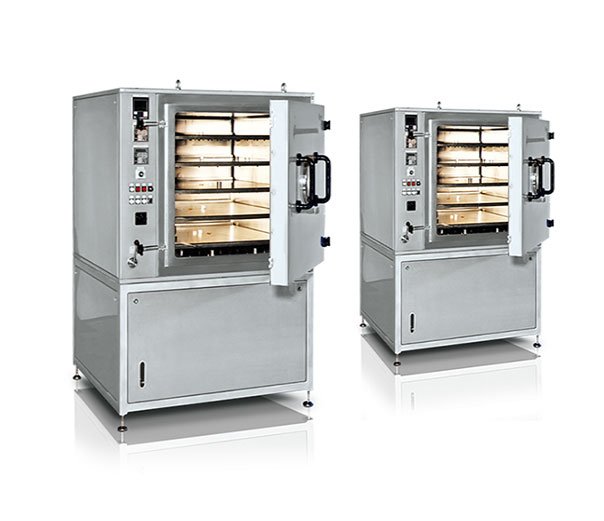
Vacuum ovens play a critical role in several industries like agriculture, pharmaceutical, semiconductors, electronics, textiles, and food processing. Vacuum ovens are essential tools in laboratory tests, engineering, aerospace, and in many different industries. It’s also commonly used in drying cannabis, herbs, fruits, and vegetables.

The technical process in the operation of a high vacuum oven involves removing the moisture of the solid material inside the chamber. It’s ideal for drying hygroscopic materials, or those that quickly absorb moisture in the air.

Examples of hygroscopic substances are methanol, sodium hydroxide, honey, sulfuric acid, and glycerin.

How Does an Industrial Vacuum Ovens Work?
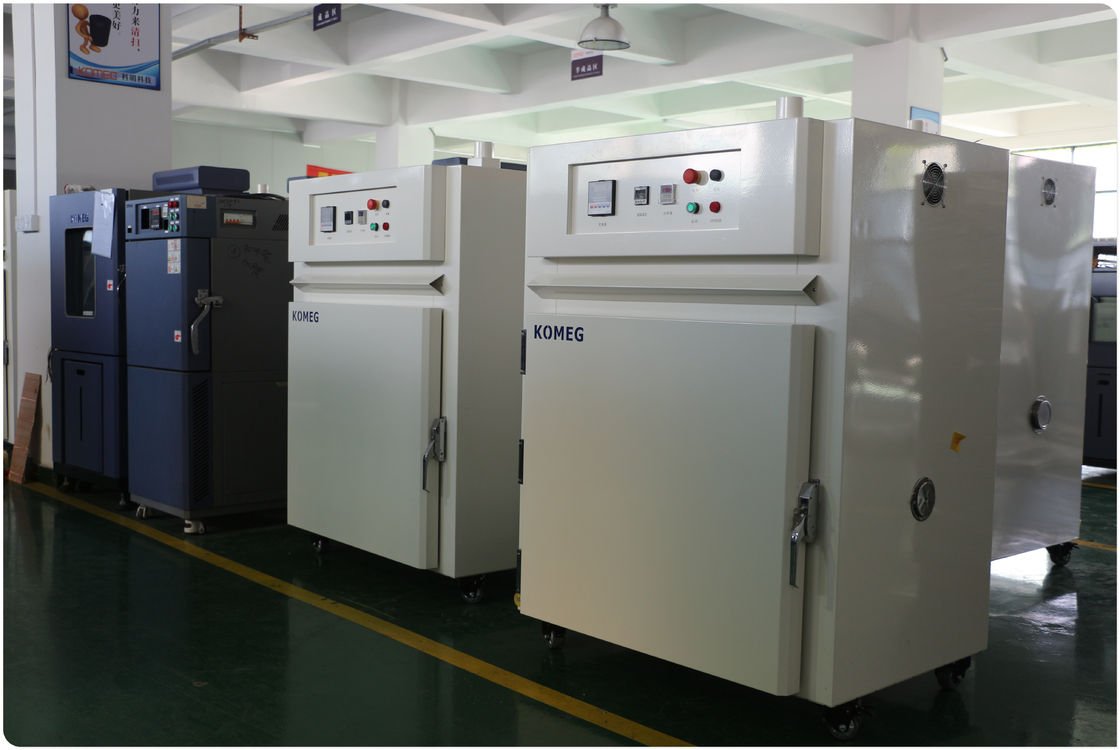
Industrial Vacuum Ovens

Vacuum ovens work by reducing the pressure just below the vapor pressure of water. As a result, the water will boil. Through the use of the vacuum pumps, the pressure around the oven is slowly lowered. The boiling point of water inside the material will drop down, and this will trigger evaporation.

What most people do not know is that water will boil at a lower temperature as long as you lower the pressure around it. If you boil water at very high altitudes where the temperature is low, it will still boil even at less than 100°C.

Inside the vacuum, the pressure is lowered to the point where the liquid will boil at room temperature.

A high vacuum oven can dry a substance faster compared to an air oven because of compact pressure and low humidity.

When is a Vacuum Oven Used?

You can use a vacuum oven in the following scenarios:

  • For particle accelerators and vacuum coating. The process will stretch the distance that the particle should cover before it collides with another particle.
  • To take out particles in the air that may trigger a chemical reaction on the substance to be dried. This process is used in vacuum melting.
  • To decontaminate surfaces by cutting the number of molecular impacts per second. It’s useful in laboratories that require atomic disinfection.
  • To trigger a chemical reaction by agitating the equilibrium in normal conditions.
  • To remove volatile substances or dissolved gases. This process is called degassing or freeze-drying.
  • To clean microwave tubes during the manufacturing process.
  • A high vacuum oven can be used in drying, curing, and baking. They can heat up to as high as 800°C. On average, the standard oven can accommodate up to 13,000 liters.
  • Prevent oxidation and decarburization. Decarburization refers to the process of reducing the amount of carbon in the metal.
  • Thermal ovens, meanwhile, are used mainly in pharmaceuticals, cosmetics, and the plastics industries. They are designed to dry heat-sensitive substances. Thermal ovens are also used in hospitals to disinfect and dry blankets, pillowcases, etc.
  • They can also be used to remove solvents from a particular solution. The solvent will separate quicker in a vacuum environment compared to room temperature.

Before, the material used on ovens is cast iron, which transfers heat very quickly. Nowadays, manufacturers use stainless steel, which is better at withstanding the pressure without sustaining cracks and deformity.

Read Also:
Content Rally wrapped around an online publication where you can publish your own intellectuals. It is a publishing platform designed to make great stories by content creators. This is your era, your place to be online. So come forward share your views, thoughts and ideas via Content Rally.

View all posts

Leave a Reply

Your email address will not be published. Required fields are marked *

Related

Roofing Painting

Roofing Painting Contractor Leads: Ask Before Hiring One

Are the shingles of your roof starting to get loose? Or perhaps the entire roof itself is in need of a fresh paint job but you can’t do it yourself? For roofing and painting contractors in your area – especially those working alongside a lead generation firm like Ippei Leads – anything you want them to do to your roof is a blessing as it means yet another business opportunity. But before hiring one to fix or repaint your roof, here are four questions you might want to ask them first: 1. Can they meet your roofing needs no matter what type your roof is? The roofing and painting contractor you want to hire should be able to service these two major types of roofs: Residential roofing, which is typically easier to repair and repaint Commercial roofing, whose massive size and lower slope make fixing and repainting it more challenging yet profitable at the same time If the roof of your place of business is leaky, for example, and the contractor you talked to doesn’t have any experience with fixing commercial roofing, you shouldn’t hire them since they most likely wouldn’t know how to tackle the said problem. Also, if you need to have the whole roof of your house replaced with a brand new one, and the contractor you contacted hasn’t dealt with residential roofing before, you should skip them lest you want them to install an oversized one that’s more suitable for commercial use. 2. Do they have the license to operate as a roofing and painting contractor? Aside from their knowledge of both residential and commercial roofs, the roofing and painting contractor you plan on hiring should have a license to operate, most especially in the following states where it’s a requirement: Alabama Alaska Arizona Arkansas California Florida Hawaii Idaho Illinois Louisiana Massachusetts Michigan Minnesota Mississippi Nevada New Mexico North Carolina (but only if the roofing job will cost you at least $30,000) RhodeIsland South Carolina Utah Virginia If you reside or run a commercial building in any of these states, and the contractor couldn’t show you an authenticated copy of their statewide license, don’t hire them. 3. Do they have both liability and workers’ compensation insurance? The roofing and painting contractor you want to hire may know the difference between a residential and commercial roof. They may also have the license to operate in the state where you reside or do business. But aside from these, you should ask them upfront if they’ve got the following two types of insurance that will shoulder them financially in case of any mishap during the roof repair or repainting job: Liability insurance: There’s no telling when a contractor’s worker may accidentally drop a rusty nail or any tools on top of your (or your customer’s) head while doing the job or someone suddenly passes out after smelling the noxious fumes emitted by the paint. It’s important for the contractor to have liability insurance so their insurer can cover some or all of the medical expenses resulting from an injury during the repair or repainting job. Workers’ compensation insurance: Even if you or anyone else not connected to the contractor you hired didn’t sustain any injuries at all, a worker of theirs might suddenly get caught in a slip and fall accident while fixing or repainting your roof. The contractor should secure a workers’ compensation insurance so financial assistance can be provided to cover their crew’s medical costs and lost wages until the said person is physically capable of working for them again. It’s also a big plus if the roofing and painting contractor also carries commercial vehicle insurance aside from the two mentioned above to protect the cars, trucks, or vans that they use to do their job. 4. Do they have a contract prepared for you? As evident in their name, a roofing and painting contractor should show you a contract before repairing or repainting your roof. The said document should be legally binding and must contain the following: A detailed description of the repair or repainting job the contractor will do to your roof Breakdown of materials they’ll use for the roof repair or repainting job The estimated total cost of the said job Dates when they'll fix or repaint your roof A warranty of at least one to two years wherein you can have any part of your roof replaced if ever they accidentally damage it while fixing or repainting it A termination clause wherein the contract itself could become null and void if either you or the contractor violates any of its terms and conditions Don’t hire a roofing or painting contractor who plans to take on fixing or repainting your roof with only a handshake or verbal agreement to seal the deal. Conclusion: Roofing and painting contractors in America have been experiencing an upward profit margin growth since 2014. No wonder then that there are several of them as of late. But you can’t afford to get stuck with one who might do a sloppy job of fixing or repainting your roof which can lead to further problems down the road for you. So, before hiring a roofing and painting contractor for your roof, you should ask them first the four questions listed above to avoid any regrets on your end. Read Also: 5 Myths About Roofing Services To Avoid Professional Roofing Services And Different Decorating Styles

READ MOREDetails
Appliances

Best Practices That Extend The Life Of Your Appliances

Replacing your home appliances might not be an appealing endeavor because it carries a hefty price tag. When your appliance has been experiencing frequent breakdowns, you know that unit replacement is the only option you have. There are factors that determine the longevity of your units such as the brand, type, and age. Home appliances can serve you for many decades. However, the manner you are using your home appliances can either shorten or lengthen their lifespan. Your air conditioner, for instance, needs regular servicing. An AC repair technician should inspect your unit to find out if there are underlying problems that can cause the unit to breakdown. As for other home appliances, giving them TLC should be the best practice to follow. Even simple practices can definitely make a huge difference in extending the lifespan of your appliances. Clean and unplug your appliances: The simple and yet most frequently forgotten practices are cleaning and unplugging your appliances when not in use. It is important for your appliances to be as clean as possible because dust, stains, and grease can negatively impact your appliances. Whether it is a food processor, oven, fridge or air conditioner, all of them needs regular cleaning. When you are finished using an appliance, do not forget to clean it right away. Cleaning your home appliances might have already slipped your mind but it is an important practice that can keep your appliances in tip top shape. Keep your washing machine at a matching level: All appliances have moving parts which are the ones that wear out first. Even your washing machine has these moving parts and they need to be well taken care of so they stay fully functional. Your washing machine can only get longer lifespan if you consider keeping it level. Check the surface of your washing machine using a spirit level. Be sure to adjust the legs so you can keep them at a matching level to prevent fewer breakdowns and to maximize the performance of your washing machine. Your washing machine's internal motor and drum will thank you for it. Avoid putting firm items your food processor: Your food processor allows you to blend ingredients and speed up food preparation. However, your food processor's lifespan can be shortened if you use it for cutting hard ingredients like nuts or coffee beans. These ingredients might blend but they can have a negative impact on the food processor's blades. Avoid blending them whole. You should cut them into smaller pieces before you put these ingredients in your food processor. Your food processor will continue to serve you if you use it the way it is intended. pre-wash dishes before Placing them in the dishwasher: You can save time when you use your dishwasher for washing dirty dishes. However, if you directly put your dishes in the dishwasher without pre-washing them, this practice can do serious damage to your appliance. Dishes with sticky food items need to be prewashed as the dishwasher might not be able to wash them off completely. Not only will you reduce wear but also ensure that your dishes are free from grease or oil. Scheduled maintenance: Regardless of your home appliance, maintenance is sure to prevent untimely repairs or replacement. While home appliances are expected to last for a decade or even more in some cases, your appliances will stop functioning as they should if you do not consider scheduling regular maintenance. The purpose of maintenance is to ensure that minor problems are properly addressed before they become severe. Problems with your appliances that are not immediately addressed can be the reason for considering replacement earlier than you expected. While DIY maintenance can save you money, there is no guarantee that you have thoroughly inspected all aspects of your home appliance. You still need to consider calling a professional to do the job. They have the tools, knowledge, and expertise to ensure that your appliances will be in working condition. You do not have to buy new appliances if you know how to take good care of the existing ones. By following these practices, you can be sure that your home appliances will make your life easier even in many years to come. Read Also: How Can Appliance Repair Services Help You Smart House Technology For Saving Energy 5 Easy Ways To Detect A Water Leak In Your Home 7 Smart Tips To Improve The Efficiency Of Your Refrigerator

READ MOREDetails
Keep Your Home Warm

Additional Ways to Keep Your Home Warm

Having a good furnace is the most important thing you need if you want to keep warm in the winter. Hopefully, you have performed an important annual service before you started using your furnace regularly. If you haven’t, you should consider doing so now, because you can never be too sure that your furnace won’t fail you. If, however, it does, you will need help from professionals like hughesairco.com. Keep in mind that having a good furnace is not the only thing that helps your home feel warm. While a furnace will heat up your home, it is the insulation that will help it stay warm. Here are some useful tips about insulation. Windows Your windows are probably the biggest source of heat loss at your house. The large glass surfaces aren’t good at keeping the warmth in by themselves, so they may need some help from you. There are several improvements you can make to your windows which will make them a source of savings rather than a black hole when it comes to conserving energy and heat. Read More: Essential Things To Consider Before Hiring A Window Tinting Expert Double Pane Windows The simplest way to preserve some heat inside your home is to have double pane windows. There is not much to explain about the appearance of these windows. There are two panes of glass with air in between them. The reason why they work well to preserve heat is the way heat is transferred. Solid objects are much better at heat transfer than gases are. That’s why you can put your hand inside the hot oven but really shouldn’t touch anything. Similarly, the glass heats up far quicker than the air but is also much quicker to lose the heat. So, the inside pane of glass heats up from the contact with the inside air. If there was nothing between that pane of glass and the outside air, the heat transfer would be just as quick. However, with double pane windows, the glass needs to transfer the heat to the air in the middle, which is slow to take the heat and slower to transfer it to the outside pane, and subsequently to the outside air. Read More: Before You Forget : Things You Need To Consider Before Windows Replacement Window Insulation Windows need to have some sort of stripping on them. However, not all stripping is the same. There are different materials which are more or less suited to insulate the window. Make sure to research thoroughly which kind suits your needs and the climate of your home. Be sure to check the weather stripping around all of your windows. If it is old and cracked, it is time to change it. In most cases, you should be able to do it alone, but if you feel like you aren’t the person for the job, contact a contractor. When it comes to insulation, you have another option. Clear plastic films which attach to the inside of your windows and insulate it from within. Most hardware stores carry these items and, like the weather stripping, they are inexpensive and really easy to install on your windows. The same effect can be achieved with plastic kitchen wrap or bubble wrap, but the end result will not be as appealing as with professional items designed specifically for that purpose. Repair the Gaps In some cases, the insulation of your house itself might be lacking, especially near the windows. If you bought the house and don’t really know the state of the insulation, make sure to check that with an expert. Once you have identified the weak spots, it is an easy task to fix the problem. Keeping your house well insulated will prevent you from pushing your furnace to work overtime and potentially damage it, especially during the peak heating season. To contact Hughes Air Heating & Cooling 220 W 6th Ave, Mesa, AZ 85210, USA 480-247-6927 Read More:  How To Salvage Your Furniture After A Flood 5 Essential Tips To Designing A Beautiful Front Yard Garden Best 5 Designer Secrets To Make The Most Of Small Spaces

READ MOREDetails