











What You Should Know about Solar Energy for Schools Benefits

Published on: 10 November 2018 Last Updated on: 22 February 2020
Solar Energy

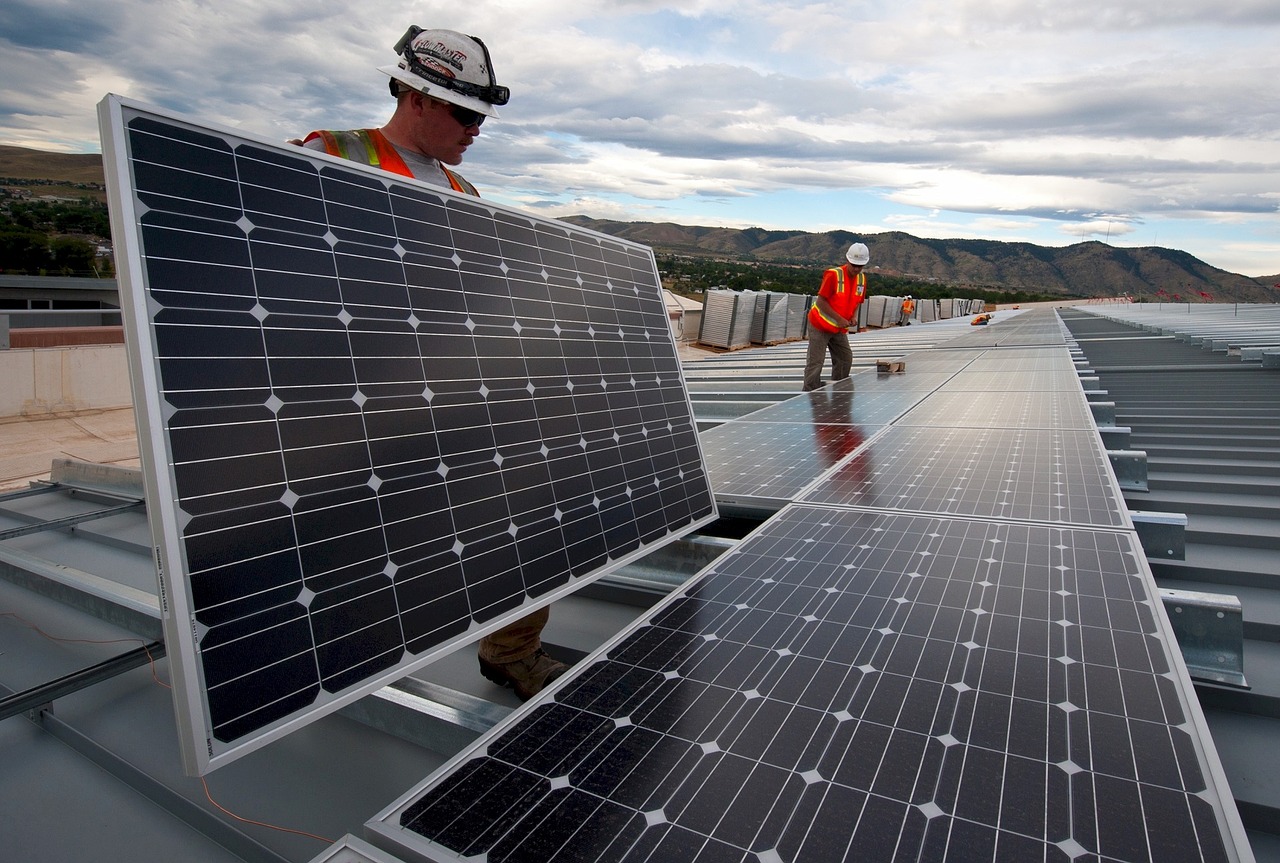
The use of solar energy has grown by leaps and bounds in recent times, and now, you don’t just see it in residential or commercial buildings any longer – solar panel systems are now being utilised for more schools as well. The government encourages this growth and has even come up with its own form of support for schools and other educational institutions wanting to go solar. There are indeed a lot of benefits brought by having your own solar energy, but what else can you expect from it? How can you make sure that your solar investment is fully utilised? Here’s everything you need to know about solar energy for schools: benefits, expectations, and more.

How you can save on expenses – and earn:

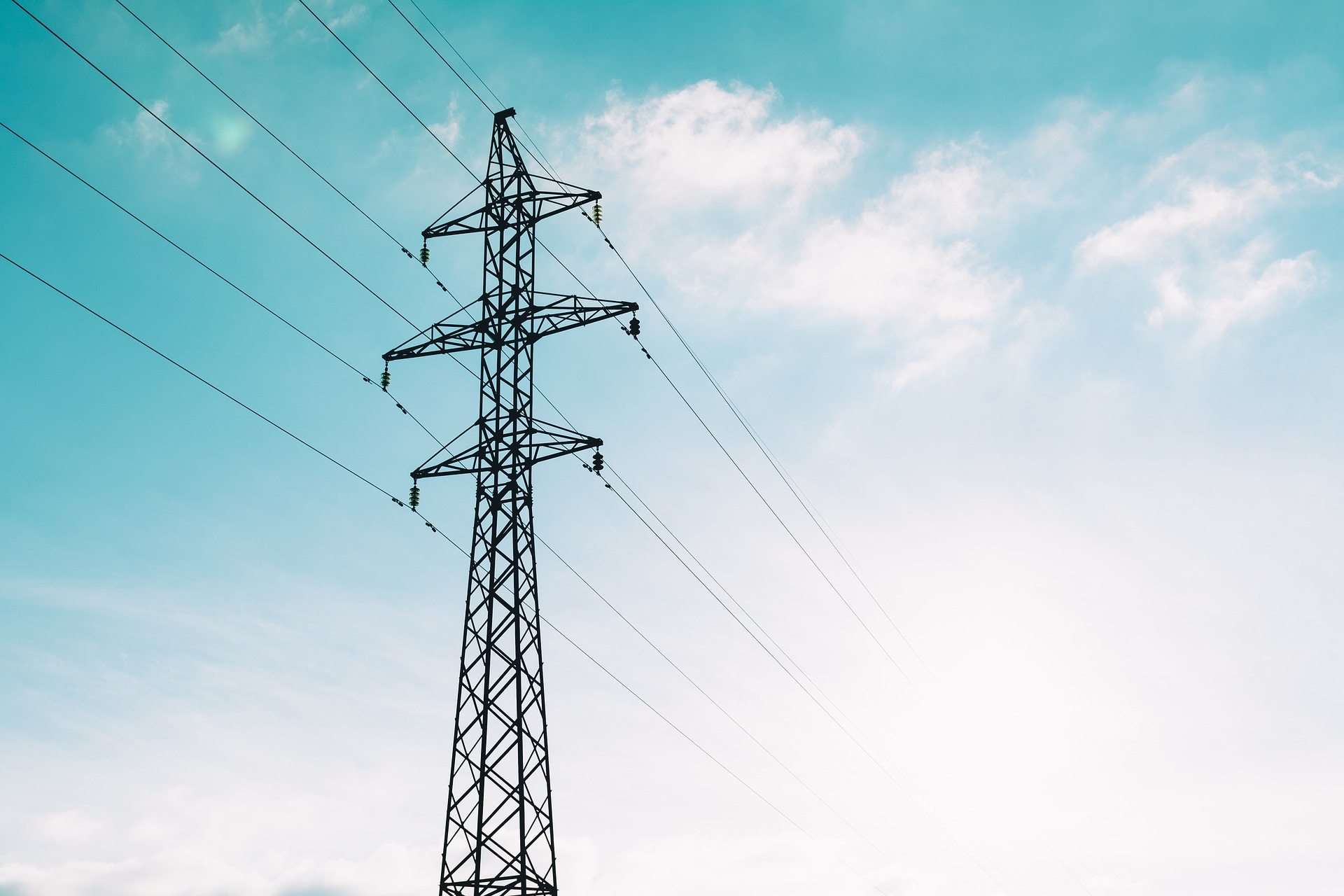
With solar energy, there are three ways through which you can save and earn on your expenses. One way is with your actual usage of energy from the grid. Since you produce your own energy, your energy usage from the grid will go down, thus resulting in lower electricity bills. The second way is through what you can earn based on the electricity your panels can produce. This the Feed In Tariff. The third way through which you can save and make money is when you get paid for whatever electricity isn’t used by your school. This is referred to as the Export Tariff.

Will the sun be enough?

This is one of the more common questions asked by many, and the answer is a simple yes. There is enough sun, even in the UK, for your solar panel system to work – and work well, at that. Although bright sunlight is always best in regard to solar energy, your solar panel system will continue to produce energy even when the days are cloudy. For every 1 kilowatt of solar panel installed, you can expect to produce an average of between 750 to 900-kilowatt hours of energy. If you are located in the south, your system will generate even more.

Is it the best solution for my school?

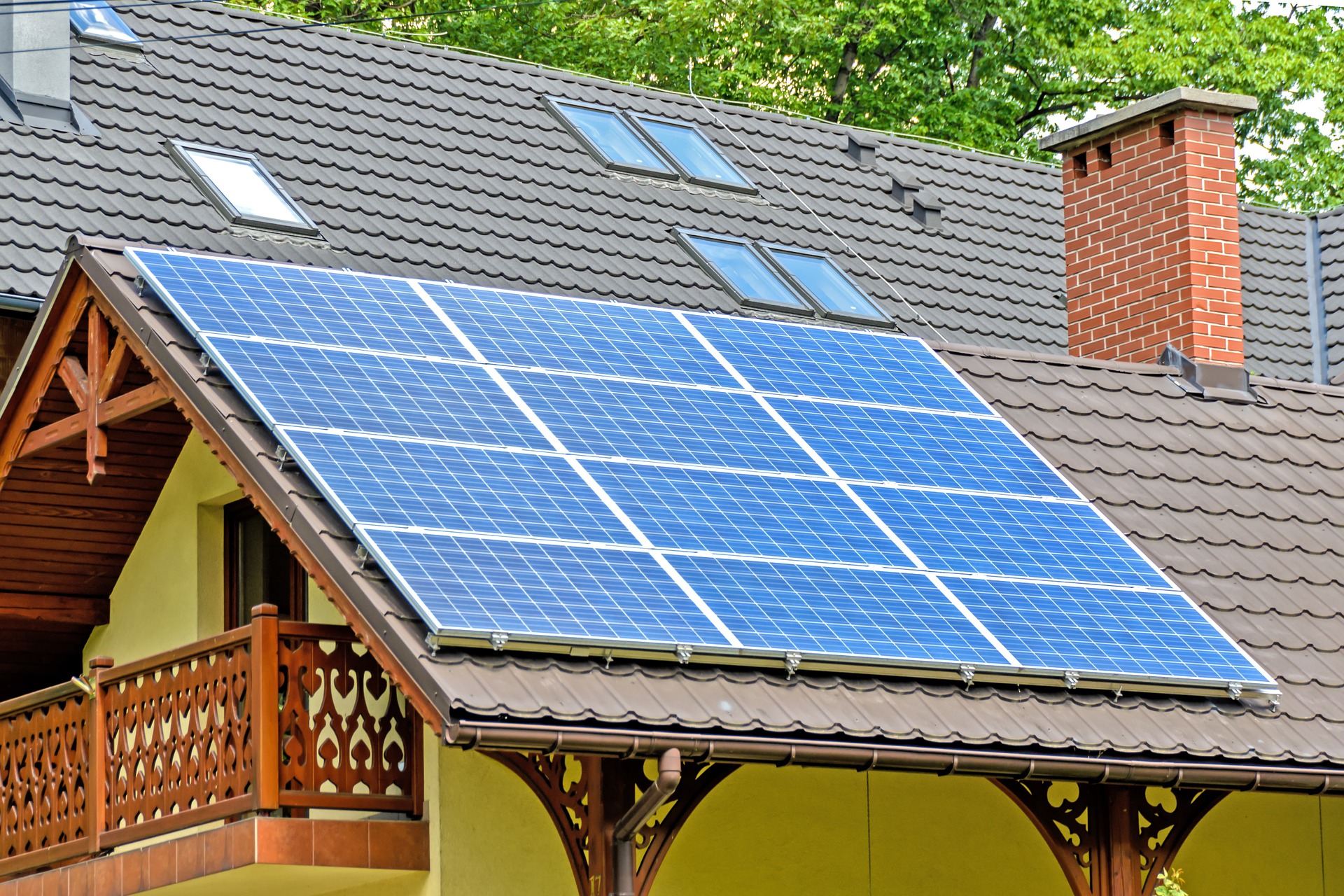
Granted, while a solar energy system is generally a good and worthwhile investment, you still have to be sure that it’s the right solution for your school, as experts in solar in Cheshire like Atlantic Renewables attest. Many of the schools in the UK are suitable, however. For instance, does your school have a roof that is flat or pitched and is the roof facing south-east, south-west, or south? If it is, that’s already good news. Also, if you don’t have any buildings or trees shadowing your roof, this is a good sign as well. You should also have a strong roof, although most roofs are already strong enough to hold solar panels.

How to pay for it:

There are different things you can do to help you pay for a solar panel system for your school, one of which is help from your local education authority. You can ask them to provide you with the capital you need at a very low or even zero rate of interest. Another way through which you can finance your solar panel system is to go to your local council. Community funding is also possible, and you may be surprised at how many communities have already worked together to bring a solar energy system to fruition for schools.

Read Also:
Content Rally wrapped around an online publication where you can publish your own intellectuals. It is a publishing platform designed to make great stories by content creators. This is your era, your place to be online. So come forward share your views, thoughts and ideas via Content Rally.

View all posts

Leave a Reply

Your email address will not be published. Required fields are marked *

Related

Choose Right Sourcing Company

What Are Renewable Sources And How To Introduce Your Household

In the face of exhaustion of so many natural resources and ever-increasing pollution some of them cause, the need has arisen for renewable and less aggressive sources of energy. You must have heard of so many alternatives to fossil fuels which, unlike them, can be regenerated or replenished. If you are environmentally conscious or trying to become so, you are probably thinking about introducing some of those alternative resources, at least partially, since any decrease in CO2 emission or electricity usage is helpful to the planet. Numerous tech companies are attempting to introduce these technologies into our everyday lives like https://www.streetlights-solar.com/solar-street-lighting.html. Here is a brief overview of the most popular and most convenient renewable energy sources. The most popular ones are biomass, geothermal, wind, solar and water. They are all very useful and applicable in the industry, however not all of them can be easily introduced in your household, so here some more info about that, too. Solar Energy Systems Photovoltaic (solar) systems have become the most widely spread renewable source of energy in households. Solar modules turn solar energy into electricity. They can be used to provide electricity, heating and hot water. These photovoltaic modules, better known as solar panels, have no movable parts, so they’re quite reliable and don’t require much maintenance. The most common way they are made is a group of photovoltaic cells in order to reach a size and electrical output which makes it viable and usable. They are really practical and suitable to use both in rural and urban areas because they don’t take up too much space, they don’t make any noise and aren’t heavy. Once installed, these devices are completely independent of the electrical grid and can power the devices that are connected to them. There are several types of photovoltaic cells, so always contact solar energy experts for help before you make a decision which ones to install. Solar panels come in different sizes, from 2 to 350 Wp electricity output, but the most widely sold and used sizes are from 160 to 240 Wp. Photovoltaic modules are either stand-alone, usually installed in a frame, free-standing or on a roof, or most often integrated into the building itself. Wind Generators I’m sure you’ve all seen those huge wind turbines beside the road, but did you know you can actually have a wind generator at home? Wind turbines normally use horizontal axis with propeller-like blades, but wind more aerodynamic wind generators and the ones with the vertical axis are also being developed in order to try and overcome the problem of noise in urban usage. They are less efficient than the horizontal axis turbines but offer a compromise which can bring them to the urban households. Household wind generators are normally used to charge the battery bank for stand-alone electricity systems.  They are usually installed in distant, semi-rural locations in order to optimize the output potential. Wind generators for domestic use are usually sized from about 300W to as high as 20kW. It is necessary to assess the location’s potential before choosing the size. Combination of wind and solar systems is ideal for the whole year-round, as the photovoltaic panels are the best in the summer, and wind generators are the most efficient in winter. Small Hydro Generators These generators are the least frequent domestic source of renewable energy as they operate by converting the flowing water energy to electricity and locations with sufficient source of the flowing water energy are incredibly difficult to find. Again, just like with the two previous systems, it is necessary to consults the experts assess the potential of hydro system site. Despite the apparent difficulties, more and more people are opting to use some degree of renewable energies in a bid to combat the worst of climate change and global warming. Read  More:  Grow These Flowering Plants In Your Home Garden To Remove Vastu Related Problems Additional Ways To Keep Your Home Warm Five Efficient Uses Of Propane In Your Home 5 Good Luck Plants That Deserves A Place In Your Home

READ MOREDetails
Electricity Rates

Follow These Simple Steps to Compare Electricity Rates Online

You may ask – “Why to bother comparing electricity rates?” Well, the majority of power supply companies in Australia are known for price differentiation. They have different prices for different customers. The rates also change with location. There are many reasons for such situations including: Electricity demand Cost of fuel Maintenance and operating cost of power companies Government regulations, etc. Hence, it is vital to compare the rates before you opt for one company. However, if you have not done so before, there is a high chance you are already paying high prices. Well, worry not as various websites have got you covered! Those dedicated websites can help you compare the electricity rates and plans of various companies across the continent and avail the best deal on offer. How to compare? The process to compare electricity pricing plans differs from websites. However, there are a few simple steps that are generally applicable. Note that, you can also compare gas plans as well. The steps include: Select the type of energy you are looking for: electricity, gas, or both. Enter your postcode. Select the type of property you own – house or business. If house, you may have to provide the number of residents. For example, 1 person, 2 to 3 people, 4 to 5 people, or more than 5 people. Provide some other information. Like, whether you have a smart meter, solar panels, etc. Select the electricity distributor in your area. Select the electricity provider in your area. Enter your recent electricity bill. You can skip this step though. In case you want to provide, you will have to input additional information like peak/off-peak rates, controlled load, etc. After you have entered all the information, hit the respective button to proceed. In the next page, you will get to compare electricity rates and plans of various power companies in your area. What to look for? Look for the following when you compare electricity plans: 1. Late payment fee: The charge you incur if you fail to pay the bill within the due date. 2. Payment processing fee: Some companies charge you a processing fee for each payment. They can also charge you an additional amount for payments made using a credit card. 3. Paper billing fee: You have to pay a fee for having a hard copy of your bill delivered to your home. 4. Tariff charge type: Electricity suppliers have either of the following: Single tariff – Fixed charges up to a particular limit (kWh). Charges increase after crossing this limit. Time of use tariff – Charges differ with time. Companies may have different charges for weekdays and weekends. Weekends may not have off-peak charges, unlike that of weekdays’. 5. Solar feed-in: If you have solar panels installed, you can get subsidies on your bills. Although low, solar feed-in charges can help you save some. 6. Green power: The amount of green power that you can opt for differs with companies. Generally, it ranges from 25 to 100%. So, easily compare electricity rates from these websites, and you might be able to save a considerable amount on your next bill. Read Also: How To Save More Money? Portable Generators: 5 Ways To Keep Them Clean And Running

READ MOREDetails
Heat Pump

What Size Heat Pump Should I Buy for a Swimming Pool?

A swimming pool is a great addition to any home, providing a place to relax and exercise in the comfort of your own backyard. However, keeping a pool at the desired temperature can be expensive, especially in areas with extreme temperatures. This is where a heat pump for a swimming pool can be a great solution. A heat pump for a swimming pool works by transferring heat from the air to the water, thereby heating the pool without the need for traditional heating methods such as gas or electric heaters. The Size of the Heat Pump When it comes to choosing a heat pump for a swimming pool, the most important factor to consider is the size of the unit. The size of the heat pump will determine its effectiveness in heating your pool, as well as its energy efficiency and overall cost. Desired Temperature To determine the size of the heat pump you need, you will need to consider several factors, including the size of your pool, the desired temperature, and the climate in your area. The general rule of thumb is to choose a heat pump that is capable of heating the pool to the desired temperature in one hour. This means that if you have a 20,000-gallon pool and want to heat it from 60°F to 80°F in one hour, you will need a heat pump with a heating capacity of 20,000 BTUs per hour. Climate The climate in your area also plays a significant role in choosing the right heat pump. In areas with mild climates, a smaller heat pump may be sufficient, as it will not have to work as hard to maintain the desired temperature. However, in areas with extreme temperatures, a larger heat pump may be necessary to effectively heat the pool. Additionally, the type of pool cover you use can also affect the size of the heat pump you need, as a cover helps to retain heat and reduce heat loss. Energy Efficiency Another factor to consider is the energy efficiency of the heat pump. A more energy-efficient heat pump will use less electricity and cost less to operate. Look for heat pumps with high Seasonal Energy Efficiency Ratings (SEER) and Energy Efficiency Ratings (EER) to determine their efficiency. Cost In addition to choosing the right size and energy efficiency, it is important to consider the cost of the heat pump and installation. While larger heat pumps may have a higher initial cost, they may be more cost-effective in the long run due to their energy efficiency and ability to heat the pool more effectively. On the other hand, smaller heat pumps may be more affordable upfront, but may not be as effective in heating the pool and may result in higher energy bills. When it comes to installing a heat pump for a swimming pool, it is important to work with a professional. A professional can ensure that the heat pump is properly installed and maintained, and can also advise on the best type and size of heat pump for your pool and climate. In conclusion, choosing the right size heat pump for a swimming pool is essential for effective heating and energy efficiency. Consider the size of your pool, desired temperature, climate, energy efficiency, and cost when selecting a heat pump. Additionally, work with a professional to ensure proper installation and maintenance. With the right heat pump, you can enjoy a warm and comfortable swimming pool without the high costs associated with traditional heating methods. Additional: The Many Uses of Industrial Vacuum Ovens Risks of Imbalanced Swimming Pool Chemistry Car Wont Start After Getting Gas – How To Fix This Problem? Swimming Pool Cleaning and Maintenance: Cheap Online Pool Supplies

READ MOREDetails