










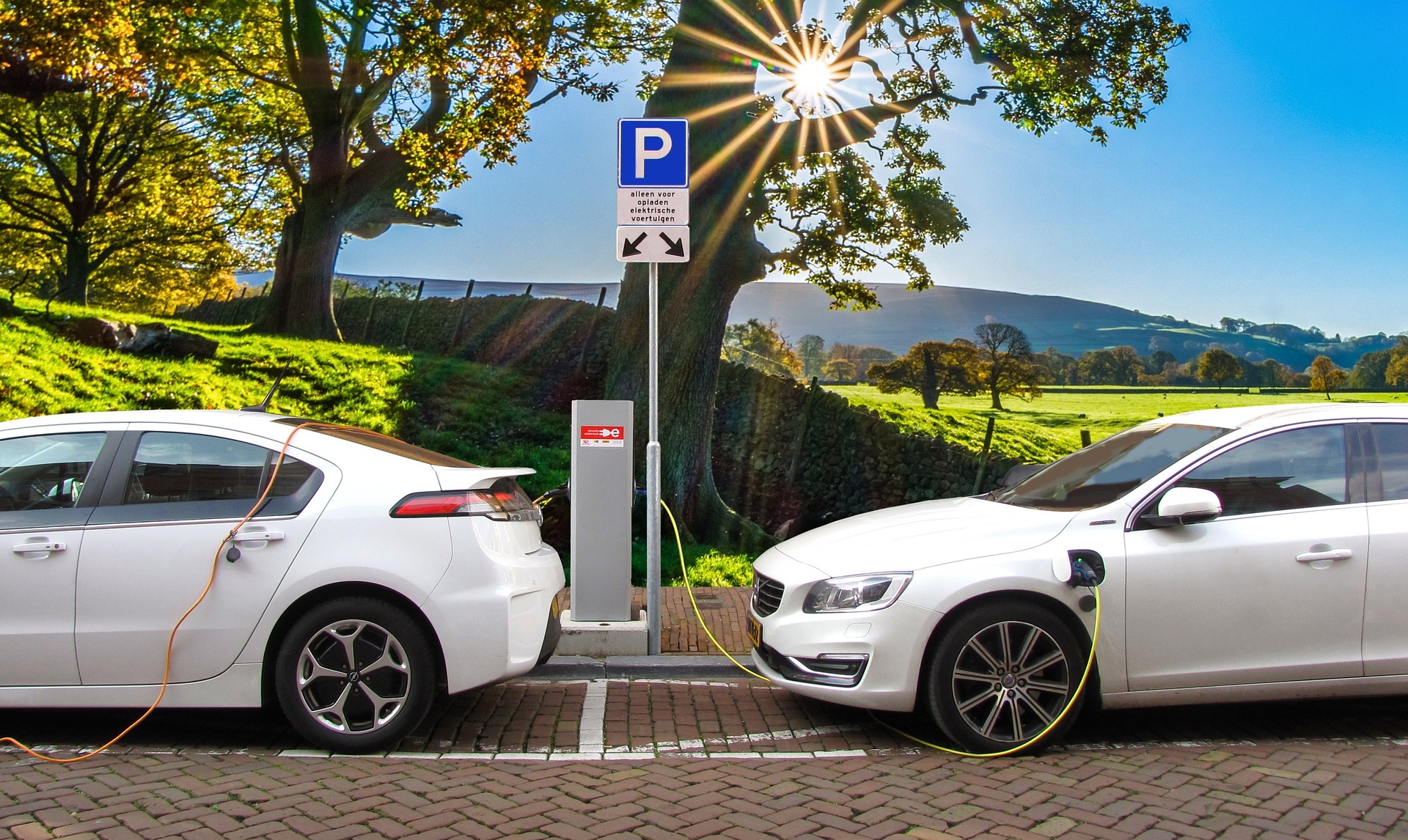
Car Insurance For Electric Vehicles Explained

by

20 November 2018

Automotive

Electric Vehicles

You’ve taken the leap into electric vehicles, leaving behind petrol fumes and high bills at the forecourt lured by the prospect of low running costs, no vehicle tax, and low emissions. Or maybe you’re just considering ditching fuel tanks for plugs and are doing the maths, calculating whether the savings you can rack up with an EV, from the government’s rebate to lower servicing charges, can offset the higher initial outlay.

While electric vehicles are exempt from vehicle tax and from charges in London’s congestion zone, and you can rack up discounts on parking permits from many councils, you can’t avoid some of the standard costs of owning a vehicle. A major, unavoidable expense is for car insurance, which is a legal requirement for any vehicle using or even parked on public roads in the UK. If you’ve never sought out or arranged insurance for an electric vehicle, you might be baffled about where to start.

Cost and Providers:

You may heard electric vehicles are significantly more expensive to insure and that you’ll need to see out a specialist provider. It’s true that the market for electric vehicles, and therefore for insurance for electric vehicles, is still in its infancy. As of the end of September 2018, there are just 178,000 plug-in vehicles (including fully electric vehicles and plug-in hybrids) registered in the UK, out of a total of 37.3m vehicles on our roads. But the number is rising quickly: there were 5,000 new registrations of plug-in vehicles each month of 2018, while in 2014 just 400 new plug-in vehicles were being driven off lots.

With the increasing uptake of EVs and hybrids, especially in the run up to the 2040 ban on petrol and diesel vehicles, the cost and complication of insuring them will fall. Electric vehicle insurance policies will become standard fare from mainstream insurers.

Today, the higher purchase price of EVs drives up insurance premiums for them, as insurers need to consider to cost of replacing your vehicle if it’s stolen or damaged beyond repair.

But even now you might find insuring an electric vehicle might be comparable to, or even cheaper, than insuring a petrol- or diesel-powered car, owing to the small size and less powerful engines on EVs and the discounts some insurers can give you for driving environmentally-friendly cars.

However, the process of obtaining insurance quotes and policies for an electric vehicle is different than that for EVs and a rundown will be helpful as you start your electrically-powered journey.

What Impacts Cost of Insurance for Electric Vehicles:

You’re probably familiar with the features of a standard vehicle that can inflate, or reduce, your monthly premiums for its insurance, including its car insurance group, the size of its engine, and purchase price. For insuring electric vehicles, there’s a new calculus, accounting for who owns the battery and the risk posed by (not kidding) power cables.

leased batteries:

Some EV manufacturers like Renault and Clio offer motorists the option of buying the vehicle outright but leasing its battery, with a monthly fee and mileage agreement. These arrangements spare you the steep cost of replacing batteries when they lose functionality after a few years. But if you’re leasing the battery, you’ll need to inform your insurer when obtaining quotes, as a leased battery will affect who needs to be paid if your electric vehicle is written off. Additionally, some policies may not cover leased batteries.

power cables and liability:

Much like your smartphone, your electric vehicle will need to be charged, just with a very big cord. If you’re charging in your driveway or garage, you won’t have to worry about the cord trailing large distances. But if you’re charging your vehicle while it’s parked on the street or at a public charging station, that cord could pose a tripping hazard. When obtaining an insurance policy for your electric vehicle, you should ensure it provides enough liability cover to protect you if a member of the public face-plants over your cable.

fires from at-home charging:

If your electric vehicle or cable fire while plugged in in your driveway or garage you might wonder which insurance policy will pay out: your home insurance policy or the one for your car. That ultimately depends on where the fire originates, but the risk of an electric fault within your vehicle causing a fire that then destroys you home can push up premiums for car insurance for EVs.

green discounts:

Some insurers will offer discounts of up to 5% on your annual premiums as a reward for you driving an environmentally-friendly car. Others will make charitable donations to green causes in your name from your premiums or plant a certain number of trees.

Read Also:
Content Rally wrapped around an online publication where you can publish your own intellectuals. It is a publishing platform designed to make great stories by content creators. This is your era, your place to be online. So come forward share your views, thoughts and ideas via Content Rally.

View all posts

Leave a Reply

Your email address will not be published. Required fields are marked *

Related

Motorcycle

Things To Consider Before Buying Your First Motorcycle

It’s easy to get excited as you buy your first-ever motorcycle after learning the motorcycling basics and passing a motorcycling safety course. However, don’t rush and buy just about any motorcycle that you see. Here are things to consider before buying your first motorcycle. 1. Your Needs When it comes to buying a vehicle, your needs should be your priority. Consider all your needs when choosing a motorbike to purchase. This includes the traffic on the route that you take every day as well as the distance that you cover on a daily basis. By taking your needs into account, you can save yourself from feelings of regret later. 2. Your Type There are many different types of motorcycles. Choose a certain type of motorcycle that fits your style of driving. If you just want a regular type of bike, choose the standard type of motorcycle. Although they don’t have big buildings and super-sized machines, they’re great because they’re flexible and approachable. If you’re a professional car driver who wants to outrun cars on the road, you might want to go for sports bikes, like a Harley-Davidson livewire. However, they’re not the best choice for beginners. If you want a bike but still want the comforts of a car, touring bikes could be great for you. These types of cars have some of the features of a car, such as GPS, windscreens, stereos, automatic transmissions, and carrying capacities. The above-mentioned types of motorcycles are only a few of the many of them. It will be great for you to do your research before finding a bike to purchase. 3. Your Size This one is a no-brainer. Motorcycles come in different sizes and shapes. Choose one that fits your size and build. Don’t choose one that is too small or too big for you; this will only get in the way of your comfort. To be sure, try a motorcycle on for sizing, or if possible, take it for a short ride. This will give you a clue about the ergonomics of a bike and how it fits the figure of your body. 4. Your Options There can be thousands of different motorcycles on the market today, and each has different features that may or may not attract you. Because you have a long list of options, you may have a hard time making your final buying decision. To save time, only pay attention to the ones that could be the most beneficial to you and your needs. 5. Your Long-Term Budget When buying a motorcycle, you’re spending money not only on purchasing the vehicle but also on maintaining it on a regular basis. This is why it’s so important to estimate all the expenses associated with owning a bike like car cover, protectors, luggage, etc. Your total expenses may include the cost of your safety gear. The Moto Expert has a variety of high-quality helmets, jackets, pants, and gloves that you can choose from. The cost of regular maintenance may also add up to your total outlays. You might also want to consider your oil consumption every day. While it may not be that costly, it can greatly affect your economic stability in the long run. The idea is to be able to assess yourself whether you can handle all the financial responsibilities of owning a vehicle. 6. Your Preferences After taking all the necessary considerations, it’s time to think of your own preferences. What brand, color or shape do you want? The level of engine performance does you prefer? What parts and accessories do you want your bike to have? Since this will be your first-ever motorcycle, don’t think twice about giving yourself exactly what you want. Although your needs come first, you shouldn’t forget about your wants. Things To Consider Right After Buying Your First Motorcycle Now that you've bought your first motorcycle, the excitement is real! But wait! Don't get ahead of yourself just yet. There are a few things you need to handle to make sure you're fully prepared for the road. Let’s go through some key steps you should take right after purchasing your bike. Get The Right Gear Safety is a top priority, and that means getting the right gear. A high-quality helmet is non-negotiable. It’s the most important piece of safety equipment you’ll own. Make sure it fits snugly and meets safety standards. Beyond that, invest in a good jacket, gloves, and boots to protect you in case of an accident. You might be tempted to skip some of these, but it’s always better to be safe than sorry. The right gear doesn’t just protect you; it also adds comfort during your rides. Insurance And Registration Next up, don’t forget to get your motorcycle registered and insured. Many places won’t even let you hit the road without the proper paperwork in place. Insurance can save you a lot of headaches in case of damage, theft, or accidents. So, ensure you compare policies and choose one that fits your needs and budget. Plus, having your registration updated ensures you’re riding legally. This is a quick step, but super important if you do not want to get into any legal trouble later! Learn The Bike You’ve got the basics down, but now it’s time to truly understand your bike. Spend some time getting familiar with how it handles. Practice slow turns, quick stops, and general maneuvers in a safe, open space before hitting the busy streets. Every bike is different, and the more you know your own, the better rider you’ll become. Plus, it’ll boost your confidence and make your rides more enjoyable! Maintenance And Care Finally, regular maintenance is key to keeping your bike in great shape. Check your tire pressure, oil levels, and brakes frequently. Keeping an eye on these small things can prevent bigger (and more expensive) problems down the road. It might seem like a hassle at first, but trust me, getting into a maintenance routine will save you time and money in the long run. Enjoy your new ride, but always stay prepared! It’s all about being safe, smart, and ready for the adventures ahead. Read More: 5 Signs Your Car Needs a Tune Up How to Choose the Right Motorcycle Tires for the Motorcycle Choosing the Right Anti-Theft Devices For Your Car In Houston TX

READ MOREDetails
car wont start after getting gas

Car Wont Start After Getting Gas – How To Fix This Problem?

Imagine you are in the middle of a long highway, and your car stops working suddenly. There are no towns in sight for hundreds of miles, so there are no pumps and garages either. However, you still have gas in your tank. Do you know why your car wont start after getting gas? If you wish to prevent such a dreary situation, you must learn the answers to this aforementioned question. Here, I have listed several reasons why this might happen and what you must do to avoid them. Why Car Wont Start After Getting Gas? The primary reasons why your car won't start after getting gas on the engine can vary from person to person. However, for most vehicle owners, these are the most commonly associated reasons: 1. The Battery Is Dead Or Corroded Image Source: repairsmith-prod-wordpress.s3.amazonaws.com If you don't see your car running even after you hit the gas, then the car battery is the most common problem that most people face. There is a high chance that your car battery has got depleted over time or its battery terminals have corroded. As a car driver, you should know that all car batteries have a life of three to five years. There are various ways why your car battery might deplete fast. This includes leaving the headlights on when not driving. To test this, try charging the battery somehow and testing the alternator together at 12v. 2. The Alternator Is Damaged Image Source: themotorguy.com In the previous point, I explained how the battery could be the source of all your troubles. In the end, I explained charging the battery and alternator at 12v. If you see your battery start functioning properly but still won't start your car, then you know whom to blame. For the uninitiated, the alternator is the machine that charges up the battery as the car is running. If it's damaged, your battery will never be fully charged and will discharge pretty quickly. Therefore, always keep a multimeter in hand to check the status of your alternator. Use it to test the alternator in two ways. If the readings are lower than these readings, then change your alternator: When the engine is off: If the multimeter reading is less than 12v, it's faulty. When the engine is on: If the multimeter reading does not increase more than 12v, it's faulty. 3. The Fuel Filter Is Clogged Image Source: themotorguy.com The fuel filter is a car part that is responsible for filtering out contaminants in the fuel reaching the engine. This mainly includes solid particulates like dirt and other debris. However, since the fuel filter traps all the dirt, it can get clogged with particulates over time. You can understand this by gauging the efficacy of your car. If its mileage and performance decrease suddenly over time, then your filter is clogged. Therefore, a good practice is to clear out and clean your fuel filter every 25,000 miles. 4. The Fuel Pump Is Defective Image Source: mechanicbase.com The fuel pump is one of the most important machines that help turn your car. The fuel pump helps in pumping your engine full of fuel from your fuel tank. Therefore, if your car is not starting, it could be that the engine is not getting any fuel due to a damaged fuel pump. Your car's fuel pump can get damaged over time due to the heat of the car engine, which is always situated close to it. If you think your fuel pump is at fault here, then you can start by checking its pressure using a fuel gauge. This is another pretty common reason as to why your car wont start after getting gas. 5. There Are Defects In The Starter Motor/Circuit Image Source: sontianmotor.com The starter motor or circuit is responsible for turning or revving your engine. Therefore, whenever you press the ignition button, the starter turns your engine, which in turn makes your car accelerate.  Therefore, if your car is not starting even though it has gas, your starter motor can be at fault here. This can happen because it may have a solenoid. On the other hand, it can be because of a faulty ignition switch as well. If this is the case, then you need to get a mechanic to repair it. Repairing the starter motor can cost up to $360. 6. There Is Not Enough Spark Image Source: speednik.com If you have a petrol engine, then your car will definitely have spark plugs inside. These plugs are responsible for igniting the oil in the engine, which then helps it run. If you notice your engine misfiring a lot when starting up, then your spark plugs are to blame. Getting them changed based on the recommendations of the car manual. How To Fix This Issue? If your car struggles to start after putting gas in, then there is an issue with the parts explained above. Therefore, to fix this issue and get your car and yourself back on track, there is a pretty simple fix. This is what you need to do, in a step-by-step fashion, as described below: 1. First, try starting the car engine and again until it starts working. 2. Next, you can try opening the car hood and checking all the wires attached to the car battery. If you see any of the fires disconnected, try connecting them (only if you know how to). Apart from doing these two actions, there is nothing much that you can do. If you see your car remain still after performing these two actions, then you need to contact the nearest garage or mechanic around you. If you are stranded in the middle of a road or on a highway, then you should keep the numbers of various garages and mechanics handy. A call to a mechanic or garage will solve your problem quickly if you can't tow it to the closest one. Frequently Asked Questions (FAQs): People ask lots of questions regarding why their car wont start after getting gas. Here are my answers to their questions: Q1. Why Does My Car Sputtering After Getting Gas? Ans: There can be two reasons why your car sputters after getting gas on it. The two reasons are:Your EVAP control valve is damaged.You are using the incorrect fuel for your engine or a low-quality one. Q2. Can Bad Gas Make My Car Not Start? Ans: Bad gas refers to the residual fuel in your engine that has not burnt completely. Over time, this gas can get stuck to the motor and the fuel pump. If this happens, then your car will not function properly. Conclusion There are many reasons why your car wont start after getting gas. These reasons include damaged batteries, starters, fuel pumps, spark plugs, and fuel filters. The only solution to this problem is to have any broken parts fixed. Therefore, to keep it working at its best, have your automobile checked out and serviced on a regular basis. Read Also: What Type Of Vehicle Is Ideal For Off-Road Driving? 7 Ways to Find the Best Auto Repair Shop for Your Vehicle Car Shakes At Idle But Smooths Out While Driving – How To Fix This Problem?

READ MOREDetails
Car Title Loans

5 Benefits of Car Title Loans and One Important Warning

Benefits of car title loans include ease, speed, and lack of influence from your credit score to name a few. However, one must remember that ‘easy cash’ is never truly easy and treat this method of financing as an extreme case aid that it is. 5 Most Important Benefits of Car Title Loans : 1. A quick source of cash : The process of taking out a car title loan is so simple, you’ll have money on hand within a few hours. You won’t even need to collect any specialized paperwork to apply. The majority of lenders only require a simple form that you can complete in under 10 minutes. 2. Your credit score is irrelevant : Any car owner can get this type of loan as long as their vehicle is worth more than the loan amount and they have a source of income. Your credit score won’t even be asked when applying for auto title loans. 3. Your car stays with you : One of the most important benefits of car title loans is that you don’t have to give up your car after taking one. That’s why this financing method is so great as you won’t be deprived of an asset that you need to make money for repaying the debt. Note that you can even take out this loan in order to pay for car repairs. 4. Interest rates are lower than payday loans : The majority of payday loans and various cash advances that are often used as a quick source of cash have very ‘unfriendly’ terms. That’s because those financing options are extremely risky for the lender as they literally give you money for free. You can get some idea of how ‘not cheap;’ those loans are from the PEW Charitable Trusts statistics. Car title loans, on the other hand, have default collateral, which is your vehicle. This enables the lenders to cut down the interest rates and make the overall terms more favorable. 5. Flexible payback schemes : Paying off a car title loan will be easier than many other quick cash options because these plans are very flexible. Due to the collateral, lenders feel more secure and therefore are open to negotiations. You can definitely hope to get a long-term installment plan adjusted to your personal needs. One Warning About Auto Title Loans : First of all, you need to understand that this warning does not negate the benefits of car title loans in any way. Instead, like any warning, it’s here to remind you not to abuse the good thing that this financing offers. It’ might be easy to fall into the trap of ‘easy money’ illusion and take out a greater loan than you are able to handle. To prevent this, you should consider your reasons very carefully. Do you need cash badly? Is your situation an emergency? When will you be able to get the money needed to pay off the debt? Take out this loan only if your answer to the first two questions is ‘yes’. The last one is necessary to plan out the best payback scheme for your circumstances. Read More : Invest In A New Car, Without A Financial Liability How To Get An Auto Loan At A Low-Interest Rate How To Get A Loan On A Day With Bad Credit?

READ MOREDetails