











Car Wont Start After Getting Gas – How To Fix This Problem?

Published on: 11 February 2023 Last Updated on: 04 September 2024
car wont start after getting gas

Imagine you are in the middle of a long highway, and your car stops working suddenly. There are no towns in sight for hundreds of miles, so there are no pumps and garages either. However, you still have gas in your tank. Do you know why your car wont start after getting gas?

If you wish to prevent such a dreary situation, you must learn the answers to this aforementioned question. Here, I have listed several reasons why this might happen and what you must do to avoid them.

Why Car Wont Start After Getting Gas?

The primary reasons why your car won’t start after getting gas on the engine can vary from person to person. However, for most vehicle owners, these are the most commonly associated reasons:

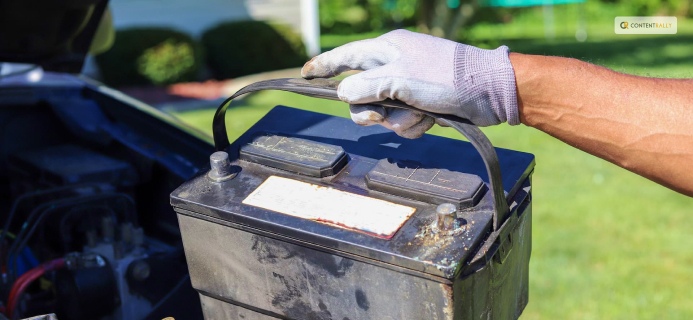
1. The Battery Is Dead Or Corroded
The Battery Is Dead Or Corroded
Image Source: repairsmith-prod-wordpress.s3.amazonaws.com

If you don’t see your car running even after you hit the gas, then the car battery is the most common problem that most people face. There is a high chance that your car battery has got depleted over time or its battery terminals have corroded.

As a car driver, you should know that all car batteries have a life of three to five years. There are various ways why your car battery might deplete fast. This includes leaving the headlights on when not driving.

To test this, try charging the battery somehow and testing the alternator together at 12v.

2. The Alternator Is Damaged
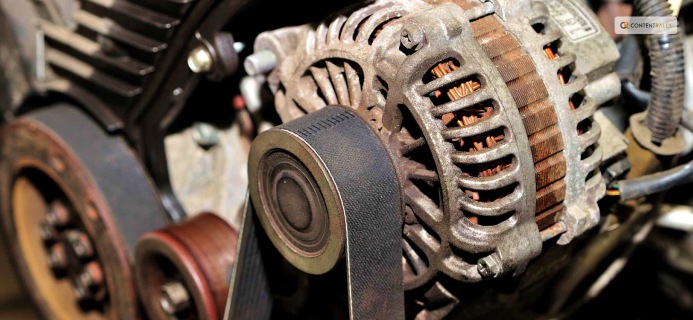
The Alternator Is Damaged
Image Source: themotorguy.com

In the previous point, I explained how the battery could be the source of all your troubles. In the end, I explained charging the battery and alternator at 12v.

If you see your battery start functioning properly but still won’t start your car, then you know whom to blame.

For the uninitiated, the alternator is the machine that charges up the battery as the car is running. If it’s damaged, your battery will never be fully charged and will discharge pretty quickly.

Therefore, always keep a multimeter in hand to check the status of your alternator. Use it to test the alternator in two ways. If the readings are lower than these readings, then change your alternator:

  • When the engine is off: If the multimeter reading is less than 12v, it’s faulty.
  • When the engine is on: If the multimeter reading does not increase more than 12v, it’s faulty.

3. The Fuel Filter Is Clogged
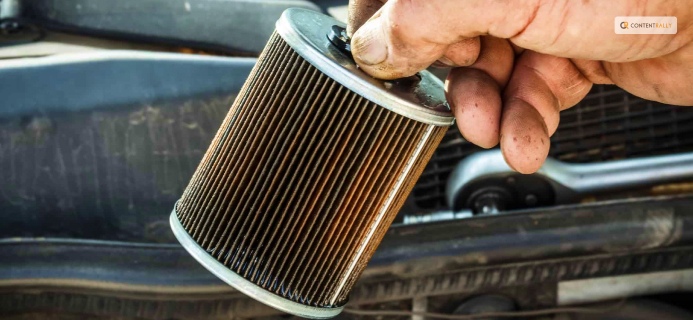
The Fuel Filter Is Clogged
Image Source: themotorguy.com

The fuel filter is a car part that is responsible for filtering out contaminants in the fuel reaching the engine. This mainly includes solid particulates like dirt and other debris.

However, since the fuel filter traps all the dirt, it can get clogged with particulates over time. You can understand this by gauging the efficacy of your car. If its mileage and performance decrease suddenly over time, then your filter is clogged.

Therefore, a good practice is to clear out and clean your fuel filter every 25,000 miles.

4. The Fuel Pump Is Defective
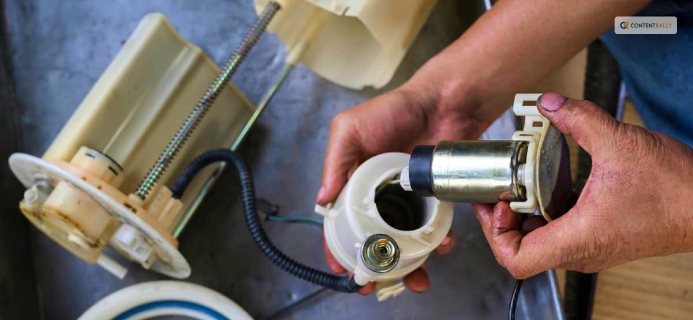
The Fuel Pump Is Defective
Image Source: mechanicbase.com

The fuel pump is one of the most important machines that help turn your car. The fuel pump helps in pumping your engine full of fuel from your fuel tank. Therefore, if your car is not starting, it could be that the engine is not getting any fuel due to a damaged fuel pump.

Your car’s fuel pump can get damaged over time due to the heat of the car engine, which is always situated close to it. If you think your fuel pump is at fault here, then you can start by checking its pressure using a fuel gauge.

This is another pretty common reason as to why your car wont start after getting gas.

5. There Are Defects In The Starter Motor/Circuit
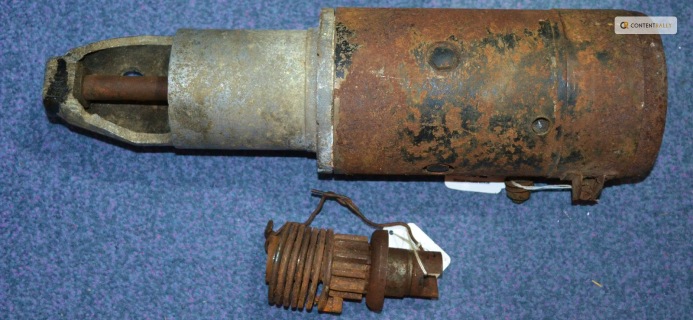
There Are Defects In The Starter Motor/Circuit
Image Source: sontianmotor.com

The starter motor or circuit is responsible for turning or revving your engine. Therefore, whenever you press the ignition button, the starter turns your engine, which in turn makes your car accelerate. 

Therefore, if your car is not starting even though it has gas, your starter motor can be at fault here. This can happen because it may have a solenoid. On the other hand, it can be because of a faulty ignition switch as well.

If this is the case, then you need to get a mechanic to repair it. Repairing the starter motor can cost up to $360.

6. There Is Not Enough Spark

There Is Not Enough Spark
Image Source: speednik.com

If you have a petrol engine, then your car will definitely have spark plugs inside. These plugs are responsible for igniting the oil in the engine, which then helps it run.

If you notice your engine misfiring a lot when starting up, then your spark plugs are to blame. Getting them changed based on the recommendations of the car manual.

How To Fix This Issue?

How To Fix This Issue?

If your car struggles to start after putting gas in, then there is an issue with the parts explained above. Therefore, to fix this issue and get your car and yourself back on track, there is a pretty simple fix. This is what you need to do, in a step-by-step fashion, as described below:

1. First, try starting the car engine and again until it starts working.

2. Next, you can try opening the car hood and checking all the wires attached to the car battery. If you see any of the fires disconnected, try connecting them (only if you know how to).

Apart from doing these two actions, there is nothing much that you can do. If you see your car remain still after performing these two actions, then you need to contact the nearest garage or mechanic around you.

If you are stranded in the middle of a road or on a highway, then you should keep the numbers of various garages and mechanics handy. A call to a mechanic or garage will solve your problem quickly if you can’t tow it to the closest one.

Frequently Asked Questions (FAQs):

People ask lots of questions regarding why their car wont start after getting gas. Here are my answers to their questions:

Q1. Why Does My Car Sputtering After Getting Gas?

Ans: There can be two reasons why your car sputters after getting gas on it. The two reasons are:

Your EVAP control valve is damaged.
You are using the incorrect fuel for your engine or a low-quality one.

Q2. Can Bad Gas Make My Car Not Start?

Ans: Bad gas refers to the residual fuel in your engine that has not burnt completely. Over time, this gas can get stuck to the motor and the fuel pump. If this happens, then your car will not function properly.

Conclusion

There are many reasons why your car wont start after getting gas. These reasons include damaged batteries, starters, fuel pumps, spark plugs, and fuel filters. The only solution to this problem is to have any broken parts fixed. Therefore, to keep it working at its best, have your automobile checked out and serviced on a regular basis.

Read Also:
Content Rally wrapped around an online publication where you can publish your own intellectuals. It is a publishing platform designed to make great stories by content creators. This is your era, your place to be online. So come forward share your views, thoughts and ideas via Content Rally.

View all posts

Leave a Reply

Your email address will not be published. Required fields are marked *

Related

Evolution Of Braking Systems In Modern Vehicles

Evolution of Braking Systems in Vehicles: Prevent Rear-End Collisions

The automotive industry has witnessed a significant evolution over the years, especially in the realm of vehicle safety. One of the most noteworthy advancements is in braking systems, which have evolved dramatically in newly built cars. These advancements are particularly crucial in preventing rear-end collisions, one of the most common types of car accidents. This article delves into how modern braking systems have been developed and refined. Further, it highlights their role in enhancing road safety and reducing the frequency of rear-end collisions. 1. The Traditional Braking Systems To appreciate the advancements in modern braking systems, it’s important to understand traditional braking mechanisms. Older vehicles typically employ hydraulic braking systems. Here, the driver’s application of the brake pedal creates hydraulic pressure in the brake lines, activating the brake pads or shoes. While effective in their time, these systems had limitations in response time and efficiency. Particularly under sudden or emergency braking scenarios, it often leads to rear-end collisions. 2. Introduction Of Anti-Lock Braking Systems (Abs) A significant milestone in the evolution of car braking systems was the introduction of Anti-lock Braking Systems (ABS). ABS prevents the wheels from locking up during emergency braking, thereby maintaining tractive contact with the road surface. This technology significantly reduces stopping distances and improves vehicle control, particularly on slippery surfaces. By preventing wheel lockup, ABS allows drivers to maintain steering control, which is crucial in avoiding rear-end collisions. 3. Electronic Brakeforce Distribution (EBD) And Brake Assist Further advancements led to the development of Electronic Brakeforce Distribution (EBD) and Brake Assist systems. EBD optimally distributes the brake force among the wheels based on road conditions and vehicle load. Thus, it enhances braking effectiveness and stability. Brake Assist, on the other hand, detects emergency braking by monitoring the speed and force with which the driver applies the brakes. It is applied automatically to maximize braking power. This is particularly effective in reducing the severity of rear-end collisions. 4. The Rise Of Adaptive Braking Systems The latest in braking technology is the advent of adaptive braking systems, which are part of the broader suite of Advanced Driver Assistance Systems (ADAS). These systems use sensors to monitor the vehicle’s surroundings and can autonomously apply the brakes while detecting an imminent collision. For example, if the car ahead suddenly slows down, the system will automatically apply the brakes if it senses that the driver has not reacted quickly enough. 5. Regenerative Braking In Electric Vehicles With the rise of electric vehicles (EVs), regenerative braking has become increasingly prevalent. This system recovers energy that is typically lost during braking and uses it to recharge the car's battery. While the primary purpose is to improve efficiency and range, regenerative braking also contributes to safer braking. It provides smoother and more controlled deceleration, which can be crucial in preventing rear-end collisions. 6. Impact Of Braking Systems On Driver Behavior And Safety The evolution of these systems has not only enhanced vehicle safety but also influenced driver behavior. Modern braking systems provide drivers with a sense of security, potentially leading to more confident driving. However, drivers need to understand that while these systems are incredibly effective, they are not infallible. Responsible driving, awareness of road conditions, and understanding the limits of these technologies are essential in maximizing their benefits in preventing rear-end collisions. How Braking Systems Have Evolved All These Years? The remarkable evolution of braking systems in modern vehicles is indeed a testament to the strides made in automotive safety technology. This journey, from basic hydraulic brakes to the advanced adaptive and regenerative braking systems of today, has been driven by a relentless pursuit of safety and efficiency. Each innovation in this domain has played a significant role in mitigating the risks associated with driving, particularly in preventing the common and often dangerous rear-end collisions. These sophisticated systems reflect the automotive industry's deep commitment not only to enhancing vehicle safety but also to improving the overall driving experience for motorists around the world. By incorporating these advanced braking technologies, manufacturers are ensuring that vehicles are not just faster but also more efficient. Additionally, they are safer and more reliable. However, as we embrace these technological advancements, drivers must remember that these systems are designed to augment, not replace, human judgment. They can also never remove the principles of responsible driving. While these systems provide an added layer of safety, the onus still lies with drivers to maintain attentiveness, adhere to traffic rules, and practice safe driving habits. Concluding Words As we look to the future, the horizon of automotive technology is bright, with the promise of further innovations in braking systems. These advancements might continue revolutionizing the way we drive, making roads safer and reducing the incidence of accidents. The focus on developing smarter, more intuitive braking systems will undoubtedly play a central role in this ongoing quest for enhanced road safety. In this context, the future of automotive safety is not just about technological advancements; it is also about fostering a culture of safety among drivers, ensuring that technology and human responsibility work hand in hand to prevent accidents and save lives. Read Also: Pros And Cons Of Buying A Used Car 2018 Tesla Model S: The Complete Electric Vehicle 6 Reasons Why Vehicles Are Now Safer Than Ever

READ MOREDetails
Heavy Haul

Get to Know Interstate and Intrastate Heavy Haul Transport

Heavy haul fleets offer interstate and intrastate transport choices, and both cover different regulations and protocols. Interstate hauling refers to the trucks that cross state lines in delivering cargo. Intrastate, meanwhile, means the fleet operates locally. Its permit and operational limitations don’t allow it to cross state lines. They also differ in terms of regulations they have to comply with. Regulations Covering Interstate Heavy Haul Fleet: The Federal Motor Carrier Safety Administration is the primary agency that oversees and monitors interstate heavy hauling fleets. Trucking companies need to comply with the Federal Motor Carrier Safety Regulations and the Hazardous Material Regulations. Of course, each state has its regulations, fees, and permits covering cargo trucks that pass its borders. Regulations Covering Intrastate Heavy Haul Fleet: For intrastate operations, the state has the primary responsibility to ensure that the fleet is following all rules and regulations governing transport. Typically, the rules and regulations are the same as the Federal Motor Carrier Safety Regulations. But some states, due to the products they move, have stricter quarantine regulations. They also have different rules on the number of hours a truck driver needs to be on the road, the health qualifications, and age limits. What is a DOT number? The Department of Transportation, where the Federal Motor Carrier Safety Administration is attached, assigns different numbers to heavy haul trucks. For instance, there’s a particular number if the truck is transporting hazardous material across state lines. The same goes for the weight of the cargo or if the truck is carrying 9-15 people. For intrastate trucking operations, the regulations vary. Some states don’t require a DOT number and some do. The DOT number should not be confused with the DOT certification. If the fleet is DOT certified, it simply means that the truck driver possesses the competence, skills, and knowledge to drive such a big vehicle across the country. Truckers can’t secure a commercial driver’s license without this DOT certification, and they have to renew their permit every two years. State authorities always check the DOT certification when they flag down delivery trucks and heavy haul fleet. Fees: In terms of fees, it stands to reason that when the fleet routinely crosses state lines, it is subject to much higher fees. To illustrate, their insurance coverage is higher because they are exposed to more risks. The longer the truck driver is on the road, the higher the risks he would be exposed to. Each state also has its fees, surcharges, and levies. For intrastate cargo, the fees, license plate, and insurance coverage are lower. Again, each state has its own rules covering fees, so for the most part, the trucking company only has to worry about those. These regulations are necessary considering that the trucks remain the primary mode of transport for cargo across the US. For example, statistics show that trucks carry 80% of the total cargo that’s shipped around the country. The industry is also worth $726 billion every year. Read Also: Why Times Are Tough For Truckers And Why It Concerns You How Servicing For Your Commercial Boiler Works: A Step-By-Step Guide To The Process

READ MOREDetails
car insurance

Get Cheap Car Insurance For Young Drivers

Today, getting the insurance done is very difficult for the young drivers. Insurance provides a shield from any type of financial loss which occurs due to uncertain risk. The insurance companies have set very strict rules for the cheapest 18 year olds car insurance. Even the insurance companies have also information collected with them about the driving behavior of the teens. The data collected with them is in very informative and in detail. All the details like traffic and the accident violations are with them including the driving conditions, driver details, nature of the accident and car information. This helps them in predicting the behavior of young drivers. Car Insurance Interest Rates: The data is used by the company so they charge a high rate of interests especially from those who have age less than 25 years. So the young drivers have to get the same policy at high rates which are provided at a lower rate to the experiences ones. They also do not have liability coverage. It is always better to get the quotes of the cost by which you will also be able to determine the price in advance and the budget can be set accordingly. The rates can also be compared with it. Car insurance for the 16 years old is mandatory and for them it is important to know the saving time and insurance cost. The rates change drastically as a lot of factors are taken into consideration like vehicle owned by a teen or not and the state you live in. If you have the driving education course completed then also you can enjoy the discounts.   The average rate for the car insurance for 17 years old depends on the car you drive, the place where you live and the coverage which you get. For the teens a separate policy is also there which is basically based on coverage limits. The discount is also provided if the parents also monitor the driving skills of the teens which can be really beneficial.   18 years old can get the affordable car insurance if they have good driving record along with the no violations of the accidents. Car insurance is a huge expense for them and they have to work really hard to afford the insurance liability. Only then they will be provided if they will be fulfilling the minimum requirements needed for the car insurance.   There is difference in car insurance for the 19 years old males and females. The young males have to pay more than the females because statistically it is considered that the young males are more risky drivers. Rather there will not be much difference between the premium paid by the males and females.   For the 20 years old, the insurers have to determine whether they have risky drivers or not as the twenty years old drivers are not teens anymore. It is very important to find the right insurer and also determine the insurance which you need. The Best Car Insurance Company: Cheap auto insurance provides you the best insurance policy with the help of professional assistance. You can get the market’s best insurance discounts and the deals. It is very important to spend money on the right insurance policies which will also help the teens in the long run. There are a lot of insurance policies offered on which you can focus. The car model also has an effect on the price of car insurance. The price also depends on the safety features in the car as this will lower the risk of a claim for stolen vehicles. The young drivers can easily get insurance at affordable rates. Read Also: Best New Cars For Teenagers How To Choose The Best Auto Insurance Company? Tips For Reducing Car Insurance Costs Why You Need Classic Car Insurance? Road Ready: 5 Essential Things To Keep In Your Car 4 Expert Tips For Finding The Cheapest Insurance For You

READ MOREDetails