











Used Car Buying – How To Do It Right.

by

15 December 2023

Automotive

Used Car

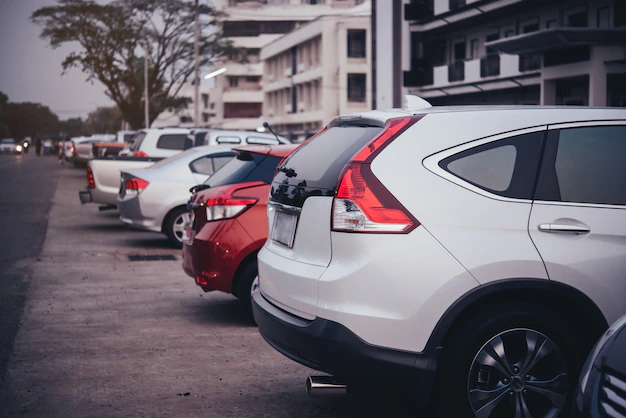
Used cars tend to be the most popular amongst UK drivers and it can be easy to see why. Second-hand cars have a lower purchase price, suffer from less depreciation and there is an endless amount of choice!

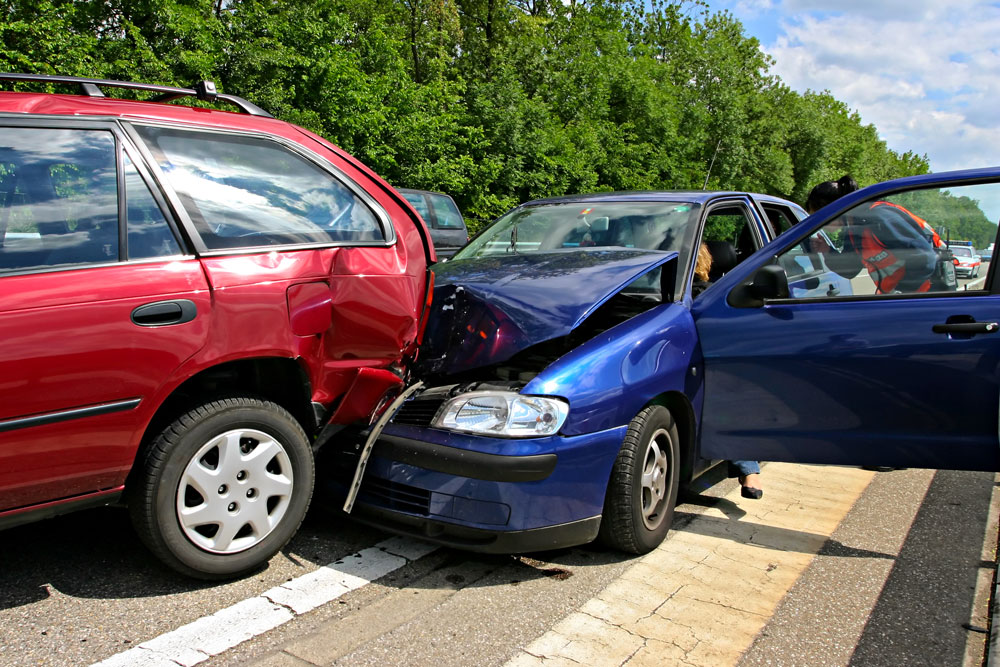
The main disadvantage of buying a used car is the lack of knowledge regarding its history. When you buy a new car, you will be the first owner and don’t have to second guess how the car’s been treated or if it’s been involved in an accident.

Reduce the risk of something going wrong with your next used car purchase by following these top tips below for safe car buying. 

Know your affordability. 

Before you make any large purchase, you should know how much you can afford to pay for it. This can speed up the buying process if you only shop for cars within your budget. Your budget may be one lump sum to pay for a car with cash or spread the cost into monthly payments with finance. Whichever way you choose to buy your next used car, you should try not to stray from your budget as you may get into a deal that you can’t afford to pay back.

Check the market value. 

Once you know how much you can spend on a used car, it’s time to see which cars you could buy. A quick internet search of local, trusted dealerships can help you to find used cars you can afford. It also gives you an idea of how much the cars you like would cost.

For example, if you’re striving for a used BMW on finance, knowing how much it would cost to buy one can give you an idea of how much your monthly budget could be. Knowing the market value of the cars you want to buy also helps if you’re buying with cash and wanting to negotiate the price. If there’s a similar model from a dealer down the road but with a lower price, you could use this as leverage or get a better deal. 

Check credit score for finance.

No matter if you’re looking for finance for a Volkswagen or a Porsche, the first thing you should do is to check your credit score. Your credit score can affect your ability to get approved for finance and not knowing where you fall on the credit scale can be costly.

A low credit score can make it harder to get approved if your low score is due to missed or late payments in the past or a lack of credit history. This is because you are seen as more of a risk to lenders and are more likely to default on future loans too. If you need to improve your credit score you should do so before applying for finance. 

Check insurance rates.

car-insurance

If you’re buying your first car, insurance rates can be some of the highest around. Newly qualified drivers are more likely to have a road accident in their first year of driving which bumps up the premium. Searching around for cheaper cars to insure and in your budget could help you save money. buying a used car isn’t just about the initial purchase price but also about being able to afford the running cost too. 

Use a reputable dealership. 

You can buy a second-hand car from a dealer or private seller but to help protect your purchase, you should consider buying your car from a reputable and trusted dealer in the UK. Buying from a dealer gives you an added layer of protection and means you are covered by the Consumer Rights Act 2015.

This act means you are entitled to a full refund, repair, or replacement if the car is not as described or fit for purpose. Check the status of the dealer with the FCA and read verified reviews of other customers before committing to the sale. 

Check the history of the car.

Used cars run the risk of having a hidden history but you can check the history of a car you are interested in buying for free. You can check the tax and MOT status of a car and get more information by simply entering the registration number into the DVLA website. You can also make a one-off payment of around £10 with a trusted Car History Check website to see if the car has been stolen, previously written off or still has existing finance on it. 

Test drive and check the vehicle. 

Before you commit to buying a used car, you should always test drive it first to see how you like it. Take the car out for at least 30 minutes, drive it on different types of roads, and perform maneuvers to get a feel of how it drives. Also, take this opportunity to park up somewhere and check over the vehicle for any imperfections or damage. 

Read Also:

Nabamita Sinha loves to write about lifestyle and pop-culture. In her free time she loves to watch movies and TV series and experiment with food. Her favourite niche topics are fashion, lifestyle, travel and gossip content. Her style of writing is creative and quirky.

View all posts

Leave a Reply

Your email address will not be published. Required fields are marked *

All Comments

I appreciate you sharing this blog post. Thanks Again. Cool.

I like the efforts you have put in this, regards for all the great content.

I truly appreciate your technique of writing a blog. I added it to my bookmark site list and will

Related

Motorist Coverage

What Is Uninsured Motorist Coverage?

You may have wondered what your Uninsured Motorist Coverage actually entailed on your car insurance policy as a Tennessee driver. You may not have known, but insurance companies estimate that almost 15% of drivers are operating without insurance. If you are struck by an uninsured motorist, there is no way for you to recover money for damages, injuries, or pain and suffering that resulted from the accident. Therefore, many insurance companies — and a growing list of states — make Uninsured Motorist Coverage mandatory in their policies. This way, you are protected in the event that you are in an accident with an uninsured driver. What does my Uninsured Motorist Policy Cover? The specifics of your uninsured motorist policy will vary from company to company, but in the most general terms, you and your passengers are covered for bodily injury, property damage, lost wages, or pain and suffering. Additionally, the policy-holder will be covered in the event of a hit-and-run, where it is impossible to determine who the driver was, let alone if they were insured or not. Note that your uninsured motorist policy is not the same as an UNDERINSURED motorist policy, which will cover the difference between your injuries and the maximum of the other person’s policy. Bodily Injury Coverage If you or your passengers suffer personal injuries in an accident with an uninsured motorist, your policy will cover medical bills, lost wages, as well as pain and suffering. Without this policy, being struck by an uninsured motorist would shoulder each individual with the burden of a lack of coverage that was out of their control. Bodily and emotional suffering are often hard to quantify in a car accident, and therefore makes a personal injury lawyer indispensable to claim what is rightfully owed. If you or your passengers have suffered bodily or emotional injury as the result of a wreck with an uninsured motorist, it is suggested you consult with a personal injury lawyer in Knoxville, TN. Property Damage Coverage Property damage is easier to quantify than personal injury because it will reflect the values of repairs or replacements. Even though this is the case, there are still many nuances that you must navigate to ensure you get the proper reimbursement for your situation. Consulting with an attorney is the best way to ensure that your situation is fully rectified with your insurance company and that you or your passengers will feel fairly compensated for your accident with an uninsured driver. It was not your fault that the other driver was uninsured, and it should not be your financial burden. Am I required to have Uninsured Motorist Coverage in Tennessee? Yes, you are required to have an uninsured motorist clause on your insurance policy in Tennessee. Hopefully, you will never be required to use this coverage, but in the event that you must, you can rest easy knowing that you are properly covered even though the other driver was fully uninsured. A growing number of states legally require each insured driver to have this additional coverage, and Tennessee is one of these states. Read Also :  Along For The Ride: Passenger Rights In-Vehicle Accidents There Is A Pothole Problem In America – How To Protect Your Car From Damage? Feature image source: theandrewagency.com

READ MOREDetails
image001

Car Leasing Tips: How Leasing a Car Has Changed?

Ever wondered why so many people opt for leasing a car? In essence, a leasing contract these days can be flexible and even economical, if you know how to properly customize your contract and make it fir your financial situation. During the last few years, leasing has grown significantly in popularity. With that growing popularity, there are a number of new options now for consumers. The problem is, most people still don’t know about these options. Read also: Tips to Keep Your Kids Safe in a Car Make a Number of Deposits and Reduce Interest Rates In most contracts, your security deposit is equal to your monthly payment rounded up to the closest 50 dollars. Let’s say you’re monthly payment is 525 dollars. In this case, your security deposit will be 550 dollars. Now, if you agree to pay more than two refundable deposits, the leasing company will reduce the interest rate, because they figure that their risk is lower. However, not all leasing programs have this option, so it’s best to check with the company yourself. Continue Leasing until You’re Ready for a New Car At the end of their contract, some people go into “panic mode” because they are not sure what car they want next. One option is to keep the car on a month-to-month basis, until you decide whether to buy the car you’re leasing or opt for a new one. We should point out that this a short-term solution, so don’t get carried away. Nonetheless, it will give you some additional time to think about the next car. Transfer the Lease Before the Contract Ends Around 80% of leases can be transferred with no strings attached. But some companies out there require you to keep some liability for the vehicle. This means if anything happens, you as the original leaseholder will be held accountable – so you can end up paying for additional mileage. With that being said, this option is good if you find yourself in the situation where you need to end your lease. Adapt Your Mileage to Suit Your Personal Needs If you’re afraid you’ll end up driving more miles than the contract says and paying additional money to the leasing company – which is one of the main concerns when people think about leasing – you shouldn’t worry too much. Before, the cheaper option was to buy miles upfront than it was to pay the so-called penalty miles later. Today, you can easily see the same costs for both up front and backend miles. The Bottom Line And there you have it – a few leasing strategies that will help you get a better deal on your new car. If you want to know more about leasing, browse the Internet for a few hours or go down to your local dealership to get familiar with your options a bit better. Read also: Will Self-Driving Cars Replace Human Error?

READ MOREDetails
truck-

Why Times Are Tough For Truckers and Why It Concerns You

It wasn't all that long ago that truck drivers were paid competitive wages and offered benefits for doing their jobs. But in recent decades, a job that once provided stability and a comfortable paycheck has become much more trying for truckers.  When the trucking industry was deregulated in the 1980s, there was a rise in the number of trucking companies, leading to an increased demand for drivers. That need for more drivers has been a pox upon the trucking industry virtually ever since, and it shows no signs of letting up anytime soon. The American Trucking Associations says that the industry is currently short about 48,000 drivers. By 2025, that number will rise to approximately 890,000 drivers.  Ask a commercial driver who has been working a big rig for a long period of time and they will tell you how much times have changed. In many ways, drivers feel as though they are under siege, either through regulation or by the companies that find more and more ways to save the money they pay some of their hardest workers.  The changes in the trucking industry are important to everyone who shares the road with tractor-trailers. The fact that the industry is in limbo is a big concern for all of us. Truck Driver Pay Isn't Keeping the Pace The trucking industry has been struggling to retain the number of drivers that they need in order to meet shipping demands. While the industry refers to this as a shortage of drivers, many labor experts also believe that it is really a shortage of truck driver pay. Workers that used to gravitate toward the role of a truck driver are finding other sectors that offer more pay, or at least similar pay for more optimal working conditions. Truck drivers spend long stretches of time away from their homes and families. Unless adequate pay entices those workers to get behind the wheel of an 18-wheeler, they will find other sources of income. This means that the current workforce is stretched thin. Truck drivers are increasingly being hired as independent contractors, which means they lack the benefits that they used to enjoy and end up footing the bill for downtime. Self-driving Trucks are on the Horizon Though not an immediate threat to those who choose truck driving as a profession, the possibility of self-driving trucks is an ever-present entity in the trucking industry. While many believe that the automated trucks of tomorrow will have a human being in the vehicle to oversee and intervene in case of an emergency, the possibility of self-driving trucks raises a number of questions that remain unanswered. Now that companies are throwing their hat into the automated truck ring, the recent fatal crash involving the Tesla Autopilot system has also raised major concerns about the effectiveness and safety of a human operator taking over from an automated system. Until this technology is truly road-ready, it will remain a big question mark in terms of its impact on road safety and trucking labor. Many Regulations Currently loom Over the Trucking Industry A number of regulations have been hanging over the trucking industry in recent years. Electronic logging devices are slated to be mandatory on all trucks. Speed limiters are expected soon. These devices are promoted as being a boost to road safety by slowing trucks down and holding drivers and companies more accountable for hours spent on the road and for traveling too fast. However, many in the industry, including drivers, are concerned that these devices could cause more problems than they fix. Some drivers feel as though logging devices are a way to shift blame for violations onto them, and there have been many concerns (and lawsuits) over how the information from these devices is used to harass and intimidate drivers behind the wheel. Likewise, many drivers are concerned about the implementation of speed-limiting devices, which inhibit the ability of a truck to exceed a predetermined speed. Some safety advocates say these devices will improve road safety, but others are concerned that speed limiters will limit the ability of a driver to be as flexible and adaptable as they need to be in order to avoid causing traffic congestion. Yet another concern with speed limiters is that they create large speed differentials with other vehicles on the road, which increases the likelihood of collisions. Trucker Health and Sleep Apnea One of the biggest challenges for truck drivers is maintaining a healthy lifestyle. Driving a truck means being sedentary for long periods of time. Eating healthy while on the road is difficult. It's easy to see why truck drivers, when compared to the average worker in the United States, have twice the rate of obesity and diabetes. Sadly, they are also twice as likely as all other workers to not be covered by an insurance plan. These less-than-optimal conditions set the stage for the high rate of sleep apnea among truck drivers. The FMCSA says that close to one-third of commercial truck drivers have obstructive sleep apnea, a condition that affects the quality of sleep and diminishes daytime alertness, among other health concerns. One report found that truck drivers with sleep apnea are five times more likely to be involved in vehicle crashes. These issues represent some of the greatest obstacles in the path of the trucking industry. As long as there is a demand for shipping, these companies will no doubt find a way to meet it, but the price is being paid by those who are behind the wheel. The fact that we all share the road with them means that we, too, have a vested interest in these struggles. There will be many changes to come for the trucking industry in the years ahead. Unless those in charge find a way to keep these drivers healthy, happy and better-taken care of, many of the problems mentioned above will only get worse. Read More: Important Things To Transport During A Relocation Finding The Right Moving Company How To Get A Loan On A Day With Bad Credit?

READ MOREDetails