











Evolution of Braking Systems in Vehicles: Prevent Rear-End Collisions

Published on: 08 January 2024 Last Updated on: 11 September 2024
Evolution Of Braking Systems In Modern Vehicles

The automotive industry has witnessed a significant evolution over the years, especially in the realm of vehicle safety. One of the most noteworthy advancements is in braking systems, which have evolved dramatically in newly built cars.

These advancements are particularly crucial in preventing rear-end collisions, one of the most common types of car accidents. This article delves into how modern braking systems have been developed and refined. Further, it highlights their role in enhancing road safety and reducing the frequency of rear-end collisions.

1. The Traditional Braking Systems

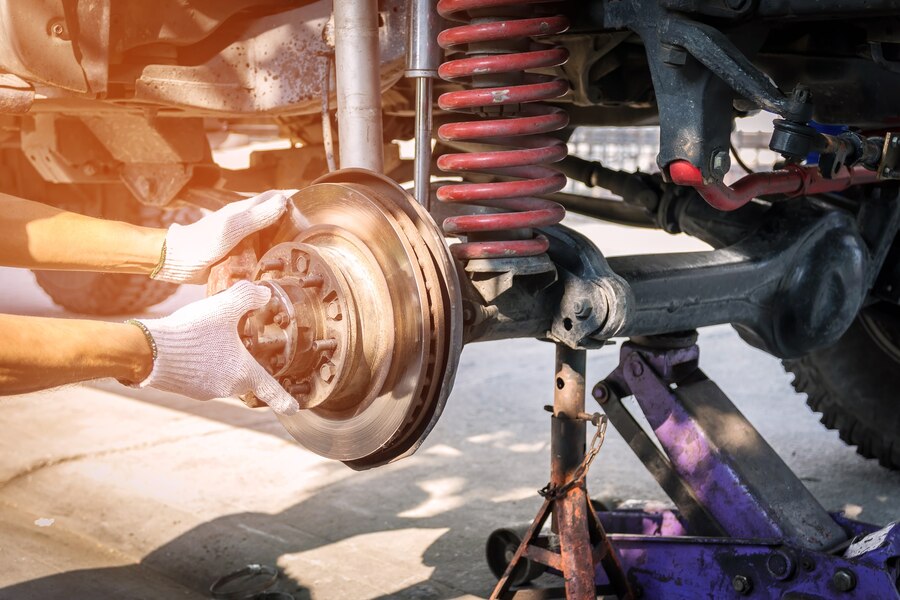
To appreciate the advancements in modern braking systems, it’s important to understand traditional braking mechanisms. Older vehicles typically employ hydraulic braking systems. Here, the driver’s application of the brake pedal creates hydraulic pressure in the brake lines, activating the brake pads or shoes.

While effective in their time, these systems had limitations in response time and efficiency. Particularly under sudden or emergency braking scenarios, it often leads to rear-end collisions.

2. Introduction Of Anti-Lock Braking Systems (Abs)

Introduction Of Anti-Lock Braking Systems

A significant milestone in the evolution of car braking systems was the introduction of Anti-lock Braking Systems (ABS). ABS prevents the wheels from locking up during emergency braking, thereby maintaining tractive contact with the road surface.

This technology significantly reduces stopping distances and improves vehicle control, particularly on slippery surfaces. By preventing wheel lockup, ABS allows drivers to maintain steering control, which is crucial in avoiding rear-end collisions.

3. Electronic Brakeforce Distribution (EBD) And Brake Assist

Further advancements led to the development of Electronic Brakeforce Distribution (EBD) and Brake Assist systems. EBD optimally distributes the brake force among the wheels based on road conditions and vehicle load. Thus, it enhances braking effectiveness and stability.

Brake Assist, on the other hand, detects emergency braking by monitoring the speed and force with which the driver applies the brakes. It is applied automatically to maximize braking power. This is particularly effective in reducing the severity of rear-end collisions.

4. The Rise Of Adaptive Braking Systems

Rise Of Adaptive Braking Systems

The latest in braking technology is the advent of adaptive braking systems, which are part of the broader suite of Advanced Driver Assistance Systems (ADAS).

These systems use sensors to monitor the vehicle’s surroundings and can autonomously apply the brakes while detecting an imminent collision. For example, if the car ahead suddenly slows down, the system will automatically apply the brakes if it senses that the driver has not reacted quickly enough.

5. Regenerative Braking In Electric Vehicles

Braking In Electric Vehicles

With the rise of electric vehicles (EVs), regenerative braking has become increasingly prevalent. This system recovers energy that is typically lost during braking and uses it to recharge the car’s battery.

While the primary purpose is to improve efficiency and range, regenerative braking also contributes to safer braking. It provides smoother and more controlled deceleration, which can be crucial in preventing rear-end collisions.

6. Impact Of Braking Systems On Driver Behavior And Safety

The evolution of these systems has not only enhanced vehicle safety but also influenced driver behavior. Modern braking systems provide drivers with a sense of security, potentially leading to more confident driving.

However, drivers need to understand that while these systems are incredibly effective, they are not infallible. Responsible driving, awareness of road conditions, and understanding the limits of these technologies are essential in maximizing their benefits in preventing rear-end collisions.

How Braking Systems Have Evolved All These Years?

The remarkable evolution of braking systems in modern vehicles is indeed a testament to the strides made in automotive safety technology. This journey, from basic hydraulic brakes to the advanced adaptive and regenerative braking systems of today, has been driven by a relentless pursuit of safety and efficiency.

Each innovation in this domain has played a significant role in mitigating the risks associated with driving, particularly in preventing the common and often dangerous rear-end collisions.

These sophisticated systems reflect the automotive industry’s deep commitment not only to enhancing vehicle safety but also to improving the overall driving experience for motorists around the world.

By incorporating these advanced braking technologies, manufacturers are ensuring that vehicles are not just faster but also more efficient. Additionally, they are safer and more reliable. However, as we embrace these technological advancements, drivers must remember that these systems are designed to augment, not replace, human judgment.

They can also never remove the principles of responsible driving. While these systems provide an added layer of safety, the onus still lies with drivers to maintain attentiveness, adhere to traffic rules, and practice safe driving habits.

Concluding Words

As we look to the future, the horizon of automotive technology is bright, with the promise of further innovations in braking systems.

These advancements might continue revolutionizing the way we drive, making roads safer and reducing the incidence of accidents. The focus on developing smarter, more intuitive braking systems will undoubtedly play a central role in this ongoing quest for enhanced road safety.

In this context, the future of automotive safety is not just about technological advancements; it is also about fostering a culture of safety among drivers, ensuring that technology and human responsibility work hand in hand to prevent accidents and save lives.

Read Also:
Barsha Bhattacharya is a senior content writing executive. As a marketing enthusiast and professional for the past 4 years, writing is new to Barsha. And she is loving every bit of it. Her niches are marketing, lifestyle, wellness, travel and entertainment. Apart from writing, Barsha loves to travel, binge-watch, research conspiracy theories, Instagram and overthink.

View all posts

Leave a Reply

Your email address will not be published. Required fields are marked *

Related

Motorcycle

Things To Consider Before Buying Your First Motorcycle

It’s easy to get excited as you buy your first-ever motorcycle after learning the motorcycling basics and passing a motorcycling safety course. However, don’t rush and buy just about any motorcycle that you see. Here are things to consider before buying your first motorcycle. 1. Your Needs When it comes to buying a vehicle, your needs should be your priority. Consider all your needs when choosing a motorbike to purchase. This includes the traffic on the route that you take every day as well as the distance that you cover on a daily basis. By taking your needs into account, you can save yourself from feelings of regret later. 2. Your Type There are many different types of motorcycles. Choose a certain type of motorcycle that fits your style of driving. If you just want a regular type of bike, choose the standard type of motorcycle. Although they don’t have big buildings and super-sized machines, they’re great because they’re flexible and approachable. If you’re a professional car driver who wants to outrun cars on the road, you might want to go for sports bikes, like a Harley-Davidson livewire. However, they’re not the best choice for beginners. If you want a bike but still want the comforts of a car, touring bikes could be great for you. These types of cars have some of the features of a car, such as GPS, windscreens, stereos, automatic transmissions, and carrying capacities. The above-mentioned types of motorcycles are only a few of the many of them. It will be great for you to do your research before finding a bike to purchase. 3. Your Size This one is a no-brainer. Motorcycles come in different sizes and shapes. Choose one that fits your size and build. Don’t choose one that is too small or too big for you; this will only get in the way of your comfort. To be sure, try a motorcycle on for sizing, or if possible, take it for a short ride. This will give you a clue about the ergonomics of a bike and how it fits the figure of your body. 4. Your Options There can be thousands of different motorcycles on the market today, and each has different features that may or may not attract you. Because you have a long list of options, you may have a hard time making your final buying decision. To save time, only pay attention to the ones that could be the most beneficial to you and your needs. 5. Your Long-Term Budget When buying a motorcycle, you’re spending money not only on purchasing the vehicle but also on maintaining it on a regular basis. This is why it’s so important to estimate all the expenses associated with owning a bike like car cover, protectors, luggage, etc. Your total expenses may include the cost of your safety gear. The Moto Expert has a variety of high-quality helmets, jackets, pants, and gloves that you can choose from. The cost of regular maintenance may also add up to your total outlays. You might also want to consider your oil consumption every day. While it may not be that costly, it can greatly affect your economic stability in the long run. The idea is to be able to assess yourself whether you can handle all the financial responsibilities of owning a vehicle. 6. Your Preferences After taking all the necessary considerations, it’s time to think of your own preferences. What brand, color or shape do you want? The level of engine performance does you prefer? What parts and accessories do you want your bike to have? Since this will be your first-ever motorcycle, don’t think twice about giving yourself exactly what you want. Although your needs come first, you shouldn’t forget about your wants. Things To Consider Right After Buying Your First Motorcycle Now that you've bought your first motorcycle, the excitement is real! But wait! Don't get ahead of yourself just yet. There are a few things you need to handle to make sure you're fully prepared for the road. Let’s go through some key steps you should take right after purchasing your bike. Get The Right Gear Safety is a top priority, and that means getting the right gear. A high-quality helmet is non-negotiable. It’s the most important piece of safety equipment you’ll own. Make sure it fits snugly and meets safety standards. Beyond that, invest in a good jacket, gloves, and boots to protect you in case of an accident. You might be tempted to skip some of these, but it’s always better to be safe than sorry. The right gear doesn’t just protect you; it also adds comfort during your rides. Insurance And Registration Next up, don’t forget to get your motorcycle registered and insured. Many places won’t even let you hit the road without the proper paperwork in place. Insurance can save you a lot of headaches in case of damage, theft, or accidents. So, ensure you compare policies and choose one that fits your needs and budget. Plus, having your registration updated ensures you’re riding legally. This is a quick step, but super important if you do not want to get into any legal trouble later! Learn The Bike You’ve got the basics down, but now it’s time to truly understand your bike. Spend some time getting familiar with how it handles. Practice slow turns, quick stops, and general maneuvers in a safe, open space before hitting the busy streets. Every bike is different, and the more you know your own, the better rider you’ll become. Plus, it’ll boost your confidence and make your rides more enjoyable! Maintenance And Care Finally, regular maintenance is key to keeping your bike in great shape. Check your tire pressure, oil levels, and brakes frequently. Keeping an eye on these small things can prevent bigger (and more expensive) problems down the road. It might seem like a hassle at first, but trust me, getting into a maintenance routine will save you time and money in the long run. Enjoy your new ride, but always stay prepared! It’s all about being safe, smart, and ready for the adventures ahead. Read More: 5 Signs Your Car Needs a Tune Up How to Choose the Right Motorcycle Tires for the Motorcycle Choosing the Right Anti-Theft Devices For Your Car In Houston TX

READ MOREDetails
Motorcyclist

What Are the 6 Steps to Take to Become a Proud Motorcyclist?

There's nothing quite as amazing as the open road and fantastic scenery provided while riding a motorcycle. For anyone thinking about becoming a true, blue motorcyclist, there are a few tips that can make this possible. When it comes to riding though, becoming a part of the "club" may seem a bit difficult at first. To get started, use the tips found here. Here are the 6 Steps to Take to Become a Proud Motorcyclist: 1. Riding Style When it comes to riding a motorcycle, there is more information at cleanharleys.com. However, before buying a bike, it's necessary to figure out the style of riding a person wants to do. This is a step that is completely dependent on the rider(Motorcyclist). To figure this out, think about the style of bikes that are attractive. For example, a person should consider if they migrate toward the cruisers, or if the neo-retro bikes turn their heads. Even if a person can't decide, there are options. Take some time to test out several options to find the ones that work. 2. Visit a Local Motorcycle Shop or Dealership  Riding a motorcycle is as much about being part of a community as it is about actually riding. Once a person begins riding, they will find even more motorcyclists to talk to and hang out with. A great way to meet these people is by going to a few local shops and dealerships. One of the best ways to use these dealerships is by visiting the ones that have the models that are appealing. Take some time to talk to the salespeople and don't be afraid to ask questions that seem basic. 3. Do Research on the Potential Purchases In the past, buying a motorcycle was restricted to visiting local dealerships and reading magazines and newspapers. However, today, it's possible to find out as much as possible about motorcycles online. There are even forums completely dedicated to buying a bike and becoming a motorcyclist. Virtually any forum that is purchased will have a few members who are interested in helping out a new rider. Another thing that can be learned through a forum is whether there are common issues with the bike being purchased. Reviews are also smart for learning how a motorcycle really works, so keep this in mind. 4. Get to Know the Licensing Requirements Before a person starts riding, they need to have the proper motorcycle license. An unlicensed rider is one of the most common victims of accidents. With a license, a person's odds of being involved in this type of mishap can be avoided. Remember, though, each state is going to have different rules regarding motorcycle requirements. It's possible for a rider to find out what is needed and required by their state by going to the DMV website. Here a person can learn everything they need to know about the motorcycle license. They can also learn about any motorcycle-specific laws they need to be aware of in the state where they are going to ride. 5. Sign Up for a Motorcycle Safety Course As a new rider, one of the first things a person should understand is that motorcycling can be a dangerous sport. If a person isn't careful and doesn't learn the rules of the road, they can actually die while riding. With the stakes so high, it's important to learn basic riding skills along with tips for avoiding accidents. For these classes, training bikes are often provided. This class is also a great way to do a bit of riding before making a costly purchase. There are some people who may even decide that riding isn't the right thing for them after taking this class. The truth is, riding a motorcycle isn't right for everyone. At a very basic level, riders have four appendages for operating five different controls. While ABS brakes are becoming more common on bikes it can take a while for a rider to become proficient in the driving process. This means that attending this safety class and practicing all the skills that are taught will go far when it comes to reducing the likelihood of an accident. 6. Build a Riding Community and Keep Riding There's no question that riding a motorcycle can be a lot of fun. Riding a bike and hanging out with other riders while sharing stories with other enthusiasts is much more fun. A person should consider going to their local bike night to figure out where most motorcyclists will ride in the local area. Not only is it fun to hang out with other riders, and all the trips that people can take together, a new rider can learn from experienced riders. The fact is, becoming a real motorcyclist will take some time. The best way to really get the hang of it is to start riding and not stopping. It's a good idea to ride as much as possible to keep the skills fresh. It's also a good idea to maintain the study of motorcycle techniques. The truth is, the learning curve to ride a bike can be quite steep; however, the payoffs are real. Additionally, motorcycle riding will provide a lifetime of learning, along with all the adventures that a person can have. Riding a Bike: A Fun and Thrilling Past Time Riding a motorcycle is a great way to have fun and enjoy the open road. It's also fun to ride with others and enjoy the stories and adventures that can be had with one another. Remember, though, to become a true rider, there are more than a few factors that need to be considered. Be sure to keep this information in mind to make the right decisions and avoid being involved in an accident while riding a motorcycle.invest in the best training to  Just remember, buying a bike is a big investment. It's also a dangerous one if a person doesn't take the time to learn how to operate and drive it properly. By taking the right steps, enjoying everything the biking culture offers will be possible. Read Also: Things To Consider Before Buying Your First Motorcycle How To Get An Accurate Valuation Of Your Motorcycle When Selling The Decline Of Cars Sales Has Led To An Increase Of Motorcycles In The UK

READ MOREDetails
EV Charging Stations

Maximizing The Efficiency Of EV Charging Stations: Best Practices And Tips

Efficient EV charging stations are central to the electric vehicle revolution, supporting a sustainable transition to electric mobility. With the rapid adoption of electric vehicles, the need for optimized charging solutions is more critical than ever.  Keep reading to discover the best practices and tips for maximizing the efficiency of EV charging stations, an essential element in the evolving landscape of electric transportation. Understanding the Basics of EV Charging Stations Electric Vehicle (EV) charging stations are pivotal in supporting the shift to electric mobility. They come in various forms, including Level 1, Level 2, and DC Fast Charging, each serving different needs. The efficiency of these charging stations impacts not only the charging time but also the overall experience of EV owners and operators. Level 1 Charging: When and Where It Works Best Level 1 charging, the most basic form of EV charging, is ideally suited for situations where time is not a pressing factor. This type of charging is perfect for overnight use at home, utilizing standard 120-volt AC outlets. It allows EV owners to conveniently charge their vehicles while they sleep, ensuring a full battery for the next day's commute.  In workplaces, where cars are often parked for the majority of the day, Level 1 charging also finds its place. It provides a slow, steady charge, sufficient for topping up an EV during an eight-hour workday. This slow charge rate is actually beneficial for battery health, as it causes less strain and potential long-term wear on the battery compared to faster charging methods. Moreover, Level 1 charging is a cost-effective solution for businesses and public spaces that aim to offer EV charging without the need for expensive infrastructure upgrades. It's an accessible option for visitors and employees alike, who can plug in and charge their vehicles without special equipment.  Despite its slower charging speed, Level 1 charging remains a viable and practical option, particularly in residential settings and for businesses looking to provide a basic charging service. Its simplicity and compatibility with standard outlets make it an indispensable part of the EV charging ecosystem. Level 2 Charging: Balancing Speed and Efficiency Level 2 Charging represents a significant step up in efficiency and speed from Level 1, making it a popular choice for both home and public use. Operating on a 240-volt AC supply, similar to what large household appliances like dryers and ovens use, Level 2 chargers offer a much quicker charging experience than their Level 1 counterparts. For residential settings, Level 2 charging is an excellent investment for owners looking to have a home EV charging station. While it requires a dedicated installation, the ability to charge an electric vehicle significantly faster (typically in just a few hours) adds a great deal of flexibility for EV owners. This makes managing daily commutes and unexpected trips far more manageable, without the overnight wait required by Level 1 chargers. In public settings and workplaces, Level 2 charging stations serve as a practical middle ground between the slow Level 1 and the rapid but more complex and expensive DC Fast Charging options. They are capable of providing a substantial charge during a shopping trip, workday, or meal, making them ideal for installation at malls, offices, restaurants, and similar locations. Level 2 chargers are not just about speed; they also maintain a balance in terms of energy efficiency. They are fast enough to offer convenience and adaptability, yet they still operate within a range that is generally manageable for both residential and commercial electrical systems. This balance makes Level 2 chargers a versatile and widely applicable solution in the expanding infrastructure of EV charging.  DC Fast Charging: Meeting the Needs of Fast-Paced Lifestyles DC Fast Charging caters to the fast-paced lifestyles of modern EV users, offering the quickest way to replenish an electric vehicle's battery. This type of charging, utilizing direct current (DC) instead of the alternating current (AC) used in Level 1 and Level 2 chargers, can significantly reduce charging times, often adding 60 to 80 miles of range in just 20 minutes. A key advantage of DC Fast Charging is its ability to support long-distance travel and quick top-ups. This makes it an ideal solution for highway rest stops, urban areas with high turnover parking spots, and locations where drivers need a rapid charge to continue their journey. The ability to quickly charge is particularly beneficial for EV users who cannot charge at home or for those embarking on longer trips where time is a constraint. The rapid advancement of EV technology is also evident in the evolving capabilities of DC Fast Chargers. With continual improvements, these chargers are becoming more efficient and powerful, reducing charging times even further and enhancing the overall user experience. Best Practices for EV Charging Station Installation The strategic placement of charging stations is crucial. They should be accessible and visible, yet mindful of the local power grid's capacity. Upgrades to the power infrastructure may be necessary to support these installations, especially in densely populated areas. Integration with Renewable Energy Sources Pairing charging stations with renewable energy sources, such as solar panels, can significantly enhance their efficiency and sustainability. This integration not only reduces the carbon footprint but also can offer cost benefits in the long run. Smart Charging Technology Incorporating smart technology into charging stations can lead to more efficient energy use. Technologies that allow for demand-response interaction and scheduled charging during off-peak hours can optimize energy consumption and reduce costs. Tips for EV Owners: Maximizing Charging Efficiency For EV owners, the journey towards enhanced charging efficiency not only improves vehicle performance but also nurtures the longevity of their beloved electric companions. Embracing smart charging practices is more than a technical exercise; it's about harmonizing your daily rhythm with your vehicle’s needs.  Imagine aligning your charging schedule with the quieter hours of the day, when electricity rates take a dip, allowing you and your vehicle to recharge cost-effectively in unison. Caring for your EV’s battery goes beyond mere routine; it's akin to nurturing a valuable relationship. Regularly checking the battery and steering clear of charging in harsh temperatures can be seen as acts of kindness towards your vehicle, ensuring its heart beats strong for longer journeys.  When it comes to public charging stations, especially the swift fast chargers, integrating charging into your daily errands or coffee breaks can turn a mundane task into a seamless part of your day, reducing waiting times and enhancing your overall experience. The Role of Government and Policy in Supporting Efficient EV Charging Infrastructure The role of government and policy in nurturing efficient EV charging infrastructure is pivotal in accelerating the transition to electric mobility. Through strategic policy frameworks and incentives, governments can significantly influence the development and accessibility of EV charging networks. By implementing subsidies and tax rebates for the installation of charging stations, they make it more feasible for businesses and homeowners to adopt EV technology. Furthermore, governments can drive innovation and efficiency in this sector by funding research and development initiatives. This support can lead to advancements in charging technology, making it faster, more efficient, and more accessible. Regulations that encourage the use of renewable energy in EV charging stations also play a crucial role in ensuring the sustainability of the EV ecosystem.  The Future of EV Charging: Innovations on the Horizon Emerging technologies in EV charging, such as wireless charging and battery swapping, hold the potential to revolutionize this space. These innovations could lead to faster, more efficient charging solutions, making EVs more accessible and convenient for a broader audience. Efficient EV charging stations are key to the widespread adoption of electric vehicles. As we move forward, the continuous evolution of charging technologies and supportive policies will play a critical role in shaping a sustainable, electric-powered future. Read Also: Best New Cars For Teenagers Important Tips To Maintain Your Luxury Car Reap The Benefits Of An EV Charger Rebate In California

READ MOREDetails