












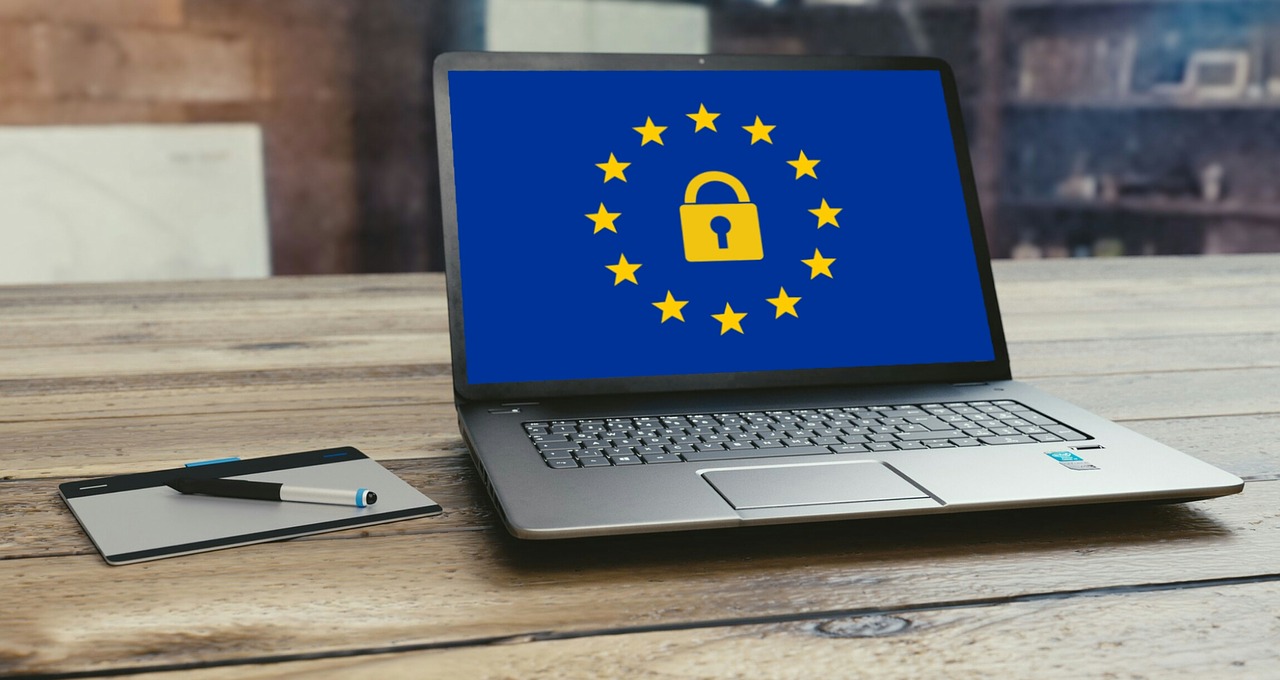
Demystifying the common GDPR Myths

Published on: 23 October 2018 Last Updated on: 15 November 2021
GDPR

As one of the most common discussions around the internet today, data protection has seen huge changes in 2018. Indeed, the introduction of the European Union’ General Data Protection Regulation (GDPR) program is making companies finally face up to their corporate responsibilities. While this has been more than a long time coming, it has not been dealt with well for the most part in the recent decades.

This step from the EU is a merciful way to help make the regulation change as soon as possible. However, like all major regulatory changes, some half-truths and full-blown myths have emerged. What are some of the common tall tales told about GDPR that you need to look out for?

1. GDPR is just a mechanism to fine companies!

Absolute hogwash, to put it bluntly. GDPR is a mechanism to send data protection back to the people who the data actually is about, not the company. A company can be fined as much as £17m, or 4% of their annual turnover, by the GDPR. However, this isn’t some committee looking to pay for their holidays and Christmas party: this is here to stop citizens being ripped off any longer by companies.

2. GDPR fines are handed out without warning

We don’t know where these kinds of ideas come from, but it’s just not true in any capacity at all. fines in GDPR will be proportionate to the issue at hand: a small company with a GDPR breach will be fined a reasonable amount. Also, you are given two – almost three – warnings about GDPR compliance failure.

You won’t just find a team of armed guards in EU flags turning up, don’t worry!

3.GDPR came from nowhere

For years, GDPR was reported on and discussed at length. It was not a surprise. Companies were given the best part of a full calendar year to get their systems into spec before the May 2018 roll-out.

Companies that missed the GDPR call-out would simply have not been paying attention to data protection policy changes. This was not a surprise for anyone who followed the industry. If you were a business that did not see GDPR coming, then we recommend that you spend some more time looking at European law changes: this was not a surprise!

4. GDPR is constraining businesses

Again, not true – GDPR merely makes businesses take responsibility for the data that they have. GDPR is making it harder for consent to be presumed, and instead, it has to be clearly provided. The days of pre-ticked boxes for consent are gone. It’s also going to be much easier for people to withdraw their consent if they so choose.

This is not constraining businesses, it’s merely making a part of the web that was thoroughly amateur in its people protection a bit more stringent in the way that you think and acts like a business.

5. GDPR was not necessary

This is also quite untrue: GDPR was absolutely necessary. It’s simply putting in place a foundational program that reinforces key terms such as the Data Protection Act, and also makes companies more likely to care for the data they hold instead of using it recklessly.

This myth, that GDPR is not necessary and was just added in to add more ‘red tape’ is not the case at all. All of the data breach stories of the recent years would have been almost impossible under GDPR: in a bid to give people back power over their own data, GDPR was essential.

GDPR compliance is a fixed process

This has been around for some time and is not the case at all. While it may have rolled out in 2018, the EU is fully aware that getting ready for it will take some time and effort. While the two years to get ready was more than enough, with ICO regulation kicking in as of May ’18, there is going to be change to it as time goes on.

This is not like the Y2K bug; out of all the painful misconceptions about GDPR, this may be among the worst. You might not like the need to be more specific with data regulation, but GDPR is a good thing – the myths make it sound like the end of the world. All it is, in reality, is an end to lawlessness in data protection and regulation.

Final Take Away   

Hence, these are some of the crucial facts that you have to take care of while you want to improve your business in the correct order at the correct point in time. Do not make your choices in grey while you want to develop your current business in the right direction.

Read Also:

Content Rally wrapped around an online publication where you can publish your own intellectuals. It is a publishing platform designed to make great stories by content creators. This is your era, your place to be online. So come forward share your views, thoughts and ideas via Content Rally.

View all posts

Leave a Reply

Your email address will not be published. Required fields are marked *

Related

safety awareness ideas

5 Safety Awareness Ideas to Maintain a Safe Workplace

In 2018, expenses from nonfatal workplace injuries and illnesses amounted to nearly $60 billion. That equates to $1 billion in weekly spending by employers. You need to know how to maintain safety awareness ideas in your workplace. These expenditures can have devastating consequences for businesses. Especially those without appropriate plans in place. Instead of waiting for an accident to impact your revenue, productivity, and employee health, get proactive. Check out these five safety awareness ideas to keep your employees safe and your business protected. 5 Safety Awareness Ideas to Maintain a Safe Workplace: 1. Incentivize Safe Behavior: Reward employees who consistently follow company rules and put safety first. Small rewards encourage employees to go the extra mile when it comes to following safety best practices. They also provide precedents for other workers to follow. Not sure where to start when it comes to implementing safety protocol and company rewards? Check out the Safety 2019 safety conference to learn more about workplace safety strategies that work. 2. Provide Proper Training and Equipment: Training represents one of your most important tools for promoting a safe work environment. So, make sure employees have access to the right training for their positions. And follow up with them to guarantee they complete their training. Having the correct tools and equipment will also ensure your employees stay out of harm's way. Ensure that all employees receive comprehensive training for the equipment and tools they'll use on the job. You can take online osha 10 training as a good starting point. What's more, stay on top of equipment and tool maintenance. That includes using protective machine covers to cut down on damage from rust, dirt, oil, and grime. 3. Hire the Right Candidates: Workplace safety starts as early as the hiring process. As you interview potential employees, consider their qualifications within a safety context. By working with a company that can help with machine guarding safety, businesses can ensure that they are able to educate the workers on the proper safety protocols at work. Expecting that your future employees will already be trained in safety knowledge is a far-fetched idea. Pose questions to find out how much attention they pay to details and whether or not they're open to training and following safety regulations. 4. Understand the Physical Demands Your Employees Face: Enlist a physical therapist to help you better understand the physical demands of the positions for which you hire. The physical therapist will use their findings to create a Physical Demands Analysis (PDA). A PDA provides employers with a systematic structure for the evaluation of all non-essential and essential job tasks for each position. It represents a scientifically proven means of assessing the compatibility of an employee with a specific job. 5. Keep the Lines of Communication Open: Schedule regular meetings to discuss safety regulations and workplace injury and illness prevention. Therefore, during meetings, encourage employees to speak up when it comes to safety and health concerns, and take their suggestions seriously. Proving over-prepared never hurt any workplace. Moreover, since your employees come with different experiences and perspectives, they can provide you with the information you need to make your workplace, healthy, productive, and safe. Safety Awareness Ideas to Save You Money: Did you find these five safety awareness ideas helpful when it comes to your workplace? How will you begin implementing them in your business in the immediate future? When it comes to the business news you need to succeed, we've got you covered. Follow our business blog to remain informed and stay ahead of the entrepreneurial curve. Read Also: How To Improve Workplace Security Staying Safe In The Office: 8 Workplace Safety Tips Everyone Should Know

READ MOREDetails
Customer Data

4 Ways To Address Privacy Concerns Around Customer Data

A single data breach can expose tens of millions of customers to spam, scams, identity theft, fraud, and more. It’s also a quick, easy way to destroy your brand reputation and lose a massive chunk of your customer base. In the worst-case scenario, you could end up paying millions of dollars in fines. If serious enough, your team members or executives could even face some jail time. But customer data still needs to be kept safe and private, even when the risks are far less grand in scale. Simply leaking your customers’ email addresses and exposing them to junk mail can erode their trust in you. To protect your customers and assuage any customer concerns, always handle their data with care. Here are a few important ways to protect data, limit the risks, and put your customers at ease. 1. Use Zero Party Data Perhaps the best way to put customers at ease about their data is to give them more control over what you know. Letting them decide what they share with you — and don’t — can protect their privacy and boost your brand reputation. Giving customers a chance to consent or opt out of sharing first-party data when they visit your site or app is a nice touch. But if you really want to put your customers in the data driver's seat, zero party data is the way to go. With zero-party data, your customers and prospects respond to surveys, polls, questionnaires, and more. These inputs can be used to personalize their experience, or anonymized and aggregated to help your brand make data-driven decisions. Either way, when customers provide this data, they usually expect some kind of user benefit. A personalized product recommendation, useful content, or a customized landing page are all ways to deliver that small reward. 2. Be Transparent Ideally, you should tell all of your customers exactly what you collect, what you use it for, and why. As long as you’re not up to anything nefarious (you aren’t, right?) transparency should be as simple as a brief pop-up disclaimer. In fact, transparency could help improve your credibility and customer trust in your brand. And that trust can in turn have a direct impact on your business growth and performance. It’s particularly important not to collect any extra bits of customer data you don’t need and they haven’t agreed to share. Gathering and storing extraneous data heightens the risk to your customers if there’s a breach. In some countries, regions, or industries, it could even be illegal. Besides all this, it can take up unnecessary room on servers, cloud storage, etc. To be on the safe side, always get permission from customers before collecting any kind of data.  3. Anonymize and Encrypt Some of the worst data breaches on record have also turned out to be some of the most ridiculous. Companies have accidentally leaked massive spreadsheets with customer names, addresses, passwords, and credit card data all linked together. But even anonymizing data doesn’t necessarily give customers any real protection or privacy. It’s all too easy to put two-and-two together and figure out someone’s identity. To ensure that data is truly safe, your company should always use the latest encryption methods and data protection protocols. Consult with experts about the best practices, software programs, and other tools to suit your company’s needs. Data security is not the place to cut corners, so be willing to dedicate a significant portion of your budget to protecting customers. Otherwise, you risk putting them in danger of identity theft, financial loss, reputational damage, and more. 4. Train Employees and Vet Vendors Customer data should be kept strictly confidential and only shared with employees and vendors on a need-to-know basis. Your employees need to understand how crucial it is to protect sensitive data and how exactly they need to do it. Before handling potentially sensitive data, employees should undergo appropriate screenings and training. Train them not to share details like passwords or door codes, and limit access to sensitive cabinets, rooms, or computers. Third-party vendors and contractors can be a potential cause of concern for data privacy. That’s why it’s important to carefully vet them, just as you would employees. The more you share data, the higher the risk of a breach or exposure along the way. If a vendor has access to your data, and its systems are compromised, your data could be leaked. Or, bad actors at the company you shared with could use the data in unsafe or inappropriate ways. Worst-Case Scenarios In the event that a data leak or cybersecurity event does occur, your company should have an emergency plan in place. Know what you’ll do in the event of a breach — how you’ll stop it from progressing and contain the damage. The plan should clearly indicate roles and responsibilities and include considerations for various scenarios. Many companies, universities, and government agencies have their plans publicly available online, as a resource. Whatever you do, never attempt to conceal a data breach from the media, your customers, or the public. You could end up facing fines, lawsuits, sanctions, jail time, and irrevocably brand-damaging press. Instead, own up to the breach immediately and let your customers know how you plan to handle it. In order to earn back their trust, you’ll have to prove you know how to do the right thing. Read Also: Data Security In The Cloud: Strategies For A Safe Migration Process Mining and Data Privacy – Key Points to Remember 5 Ways To Prevent Cyber Attacks

READ MOREDetails
Become a Hacker

How to Become a Hacker: X Steps to Follow

A hacker is a professional who focuses on the security mechanism of your network systems and computers. Therefore, don’t think of hackers as unethical people who break into the security system of your phone or computer to steal your valuable information. It is only that some people use their expertise in the wrong ways. Here are some 12 steps on how to become a hacker. 1. Learn UNIX-Like Operating Systems UNIX-like and UNIX are the operating systems of the internet. You can use the internet without knowing UNIX but you can never become a hacker without having the UNIX knowledge. There are several forms of UNIX-like OS but the most popular one is Linux. You can run Linux hand in hand with MS Windows on your machine. You need to download Linux and install it on your computer. The other UNIX-like OS is BSD systems that comprise of DragonFly BSD, OpenBSD, NetBSD, and FreeBSD. You have to understand the difference between BSD and Linux. Even though we have other solutions like Open Indiana, it is good to rely on Linux, BSD, and MacOS because they are more popular and have several programs for your use. 2. Write HTML You have to build your proficiency in HTML especially if you are not a programming professional. HTML is used to code everything that you see on any website such as the design components, images, and pictures.  You start by learning how to make a basic homepage and grow from there. You can open the source information in your browser to see the examples of HTML. You can either write basic HTML in simple text or processing programs like Notepad. 3. Learn the Programming Language   If your goal is to become a hacker, you need to learn programming languages to write your masterpiece. The best language to start with is python because it is well documented, has a clean design, and relatively kind for beginners. Apart from being an excellent language for starters, python is flexible, compelling, and suites large projects well. Once you get into serious programming, you will have to learn Java, JavaScript, and PHP C, and C++. These programming languages will give you the right background that will help you to develop hacking skills. 4. Think Creatively Once you have the basic skills, you need to start thinking artistically. A hacker is like an engineer, philosopher, and artist all rolled up into one person. These professionals believe in mutual responsibility and freedom. The world has so many fascinating problems that are waiting for answers. Hackers delight in solving these problems, exciting their intelligence, and sharpening skills. Hackers have a broad range of intellectual and cultural interests outside hacking. Play as intensely as you work and work as intensely as you play. For most hackers, the boundaries between art and science or work and play tend to merge or disappear into a high level of creative playfulness. You can enroll in martial art training if you want to learn how to become a hacker. 5. Learn to Appreciate Solving Problems  Hackers believe that it is a moral responsibility to solve problems. Once you solve a particular problem, put is in the public domain so that you can assist other people to solve the same issue. However, you will not be giving away all your creative product. You will begin to command a lot of respect when you share the knowledge that you have accumulated over time. 6. Learn Recognizing and Fighting Authority The main enemies od hackers are drudgery, boredom, and authority figures who use secrecy and censorship to stifle the freedom of information. Monotonous works discourage the hacker from hacking. You can embrace hacking as a way of life by rejecting the ‘normal’ concepts of property and work. Instead, choose to fight for common knowledge and equality. 7. Be Competent Any person who spends a lot of time on Reddit is able to write up a ridiculous cyberpunk username and pose to be a hacker. However, the internet is an excellent equalizer that values competence over posture and ego. Spend a lot of time to work on your craft and not the mage and you will gain a lot of respect quickly instead of modeling yourself around the superficial things that people think around hacking in the popular culture. 8. Write Open-Source Software Take time and write programs that other hackers believe are useful and fun. Give your fellow hackers the sources of these programs for their use. Hackers respect individuals who have written capable programs and share with their colleagues for use. 9. Help in Testing and Debugging Open-Source Software Reputable open-source authors know that good beta-testers are worth their weight in dollars. These beta-testers know how to localize problems well, describe symbols, can tolerate bugs in quickie releases, and are more than willing to apply few simple diagnostic routines. Try to get a challenge that is under development that you have interest in and strive to become a good beta-tester. 10. Publish Useful Information You also need to gather and filter interesting and useful information into documents or web pages like FAQs lists and avail them. The respect that those who maintain FAQs have is equal to that of open-source authors. 11. Assist in Keeping the Infrastructure Working It is volunteers who operate the hacking culture and the internet’s engineering development. You need to do a lot of unglamorous but necessary tasks to keep everything running. It includes the administration of mailing lists, moderating of newsgroups, maintenance of huge software archives, and the development of RFCs among the other technical standards. You will command a lot of respect by doing all these things with a high level of dedication. 12. Serve the Hacking Culture Itself You will not be able to do this exercise until you have been around for some time. The hacking culture does not have leaders to say but it has tribal elders, culture heroes, spokespeople, and historians. After being in the trenches for a long period, you can develop into one of these.  Hackers don’t trust the blatant ego among their tribal elders and hence attaining such fame visibly is dangerous. Instead of striving for it, it is wise to position yourself so that it drops in your lap so that you can be gracious and modest regarding your status. Read Also:  How Dangerous Is Ransomware Anyway? Why DRM Is The New Standard For Document Security How To Improve Workplace Security

READ MOREDetails