












Lifting and Rigging Equipment—Your Hardware Guide

Rigging Equipment

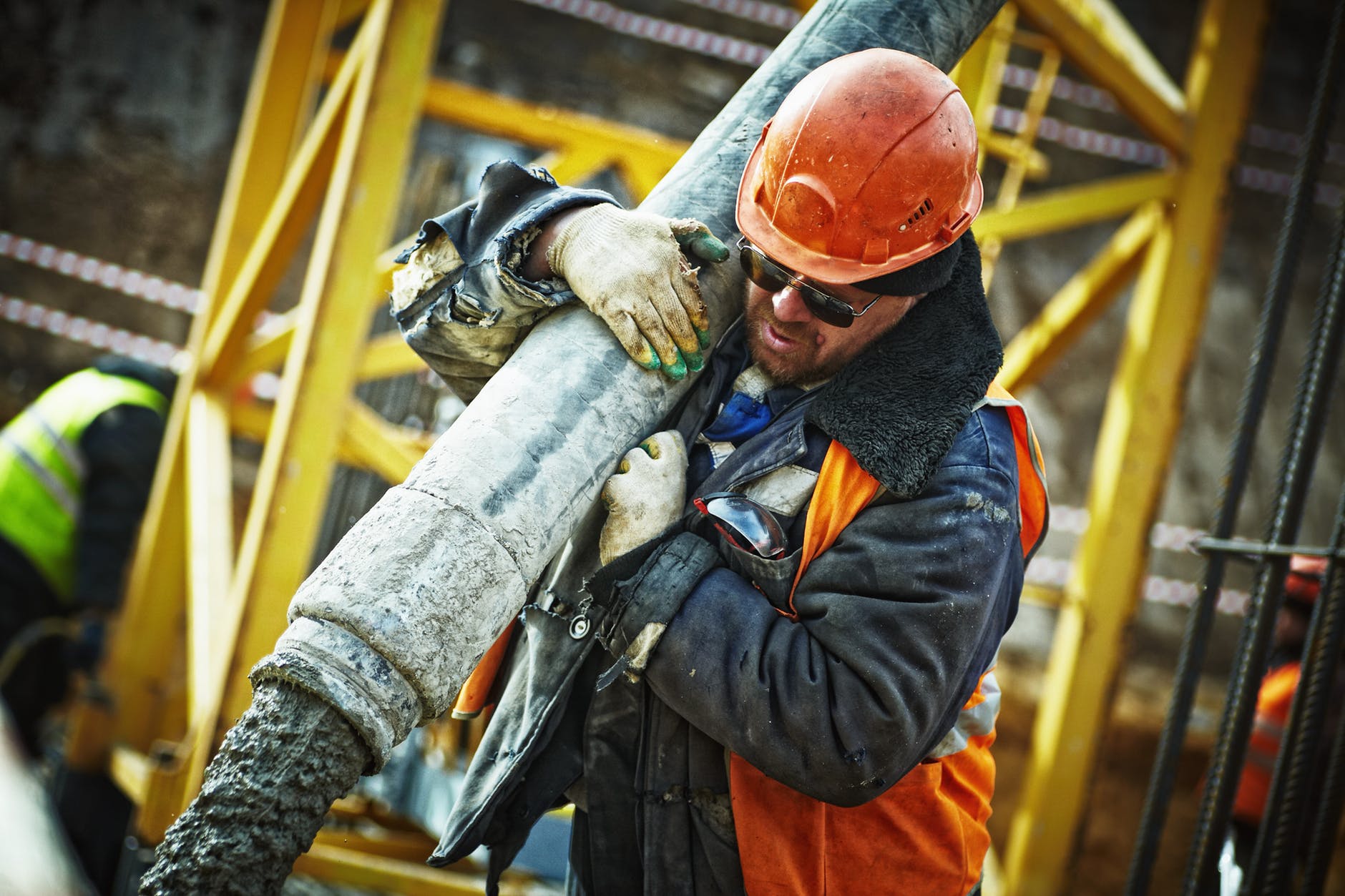
Though some individuals think they can do anything, construction workers are not strong enough to lift and monitor heavy loads. That’s where lifting and rigging equipment comes in.

Building construction and transportation of cargo wouldn’t be possible without the correct equipment. Most of the equipment used to load trucks and harness heavy building components are designed to get the job done fast. These heavy machinery components are also there for safety.

So what kind of rigging and lifting equipment can you get & how versatile are they? Go through the following types of rigging and lifting equipment to find out.

Types of Equipment for the Job

Load Measuring

Most of the time when there’s an exceptionally heavy load that needs to be lifted workers will use load monitoring equipment. The monitoring device is used to weigh loads under heavy stress. They are needed with lifts where the friction of the load could result in more strain on the tackle or hoist.

The monitoring device can also be used when loads that need to be lifted are more than 90% of capacity the equipment can handle. Measuring devices are also used to give the exact weight of a load.

Shackle Equipment

Shackles are manufactured with anchor and chain formations to be used for rigging projects. Typically shackles come with safety bolts, screw pins, and round pins. An anchor shackle has a rounded eye which makes it suitable for attaching multiple slings and hooks.

A Chain Shackle features a straight eye and they’re designed to connect to a single lifting device.

Eyebolts

There are two types of eyebolts; the shouldered or unshouldered eyebolt.

  • Shouldered eyebolts: Used for angular and vertical lifts. When used for angular lifts the shouldered eyebolt should only be used for lifting angles of less than 45°.
  • Unshouldered eyebolts: These components can only be used for vertical lifts as angular lifts will bend the threaded shaft.

The eyebolt is used to firmly attach a securing eye to a structure. They feature self-locking nuts for safety and security.

Usually, the minimum thread connection between an eyebolt and tapped hold is 1.5 times the diameter of the thread engagement. Minimum thread engagement must be maintained for safety purposes.

Hooking Equipment

A hook is typically attached to a hoist and it’s used to lift heavy loads off the ground. Hooks are known to be the weakest component to lifting equipment. They tend to bend if there’s an overload of material being hoisted. To avoid bending, always use a safe working load.

Loads are centralized with full capacity when combining shackles with multiple sling eyes and integrating them onto a hook. Hooks should also feature a safety latch to bridge the throat opening which prevents the release of load lines.

Wire Load Clips

Wire load clips are used to make an eye on a wire rope. You get three different types of load clips:

  • U-bolt
  • Fist grip
  • Collet connection clip

Load clips are never used more than once for an application. They may not have the same torque if they’re used for the second time.

Ring Components

Forged steel rings are not made by welding the rings together. They’re solid rings that are standard in lifting operations. Rings should not be welded closed as they’re susceptible to snapping. Rings should always be inspected for openings, cracks or twists before they’re used for lifting heavy loads.

Turnbuckles

A turnbuckle is used to adjust the tension and length of ropes, tie rods & cables. Typically turnbuckles consist of two threaded eye bolts. For durability and safety turnbuckles should always be forged using alloy steel.

Turnbuckles are rarely used in rigging systems but when they are they should be secured to a frame with lock pins or wires to prevent them from loosening.

Hoists

A hoist is a mechanical lifting device that moves heavy objects vertically and they support hanging loads. You’re able to evenly distribute weight by using pulley systems or gears. Hoists can be a fixed or they can be mobile. They’re designed for:

  • Construction work
  • To lift engines out of heavy trucks or buses
  • Logging
  • Mining
  • Automotive removal

Hooks are incorporated onto a fixed end. The rope or cable is connected to a crane and the hook is used to engage the load.

Manual Hoist

Manual hoists are operated without electricity. A manual hoist uses two different chains called the hand chain and the load chain. The hand chain is used to control the lifting and the lowering of materials. The load chain is used to support the materials being lifted.

Powered Hoists

You get three different types of powered hoists:

  • Electrical
  • Air/Pneumatic
  • Hydraulic

The lifting speed of a powered hoist is a lot faster. Usually, scales can be integrated into powered hoists to measure the weight of a load.

What is Lifting and Rigging Equipment Used For?

If you’re not sure if this article is for you, what we’ve discussed can be used to lift and maneuver heavy objects safely, such as:

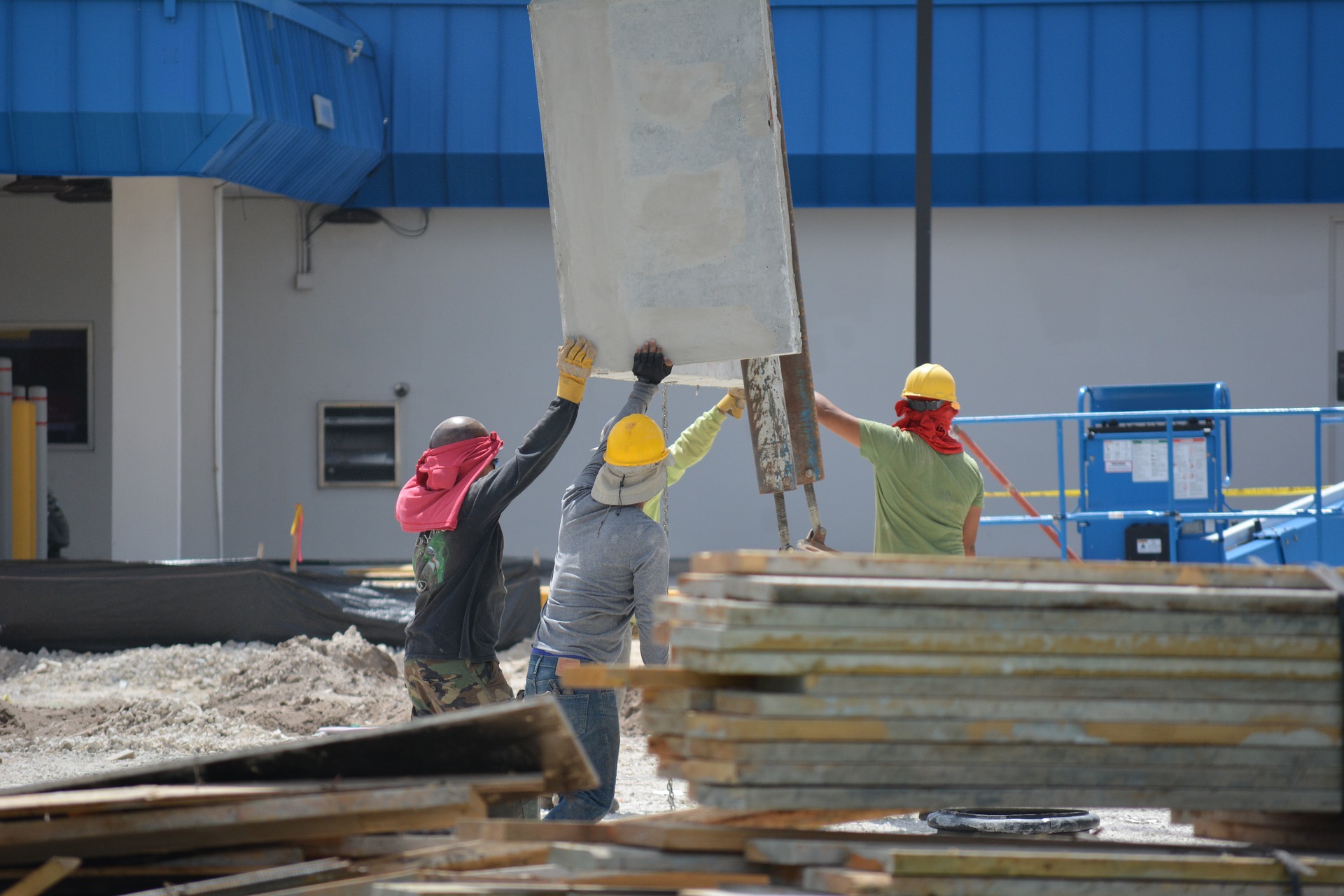
  • Hoisting heavy pillars
  • Loading cargo onto trucks
  • Lifting heavy machinery
  • Securing components to a machine
  • Securing cargo
  • Monitoring the weight of heavy loads

Final Thoughts

There are many safety measures construction workers have to adhere to when working with heavy machinery. Always check your construction equipment for any cracks, dents or weak points before working on a site.

When buying equipment always exam hoists, hooks and any connection links to make sure they’ resecure & sturdy. Someone’s life could depend on it.

Read Also:
Content Rally wrapped around an online publication where you can publish your own intellectuals. It is a publishing platform designed to make great stories by content creators. This is your era, your place to be online. So come forward share your views, thoughts and ideas via Content Rally.

View all posts

Leave a Reply

Your email address will not be published. Required fields are marked *

Related

First Investment

Invest Real Estate in Detroit: 7 Things You Need to Know Before Buying Your First Investment

Making your first investment can be a complicated and confusing process to understand. Although you know some people who have found their fortune in real estate investment, there are still several risks linked with it. You need to take extra measures to make sure you earn something from what you’ve invested. If you’re looking to get the most out of your first investment, here are seven things you need to know before buying one in Detroit: 1. Conduct research: Purchasing your first real estate investment isn’t easy. You have to do thorough research to make sure you target the type of clients you hope to do business with in the future. This process, for instance, is all about the economic side of your investment. As you’ll shell out a massive amount of money, it’s vital that you do proper research and use a useful analytical approach to determine the property that will entice your target clients. Instead of thinking about your personal preferences, it’s a good idea to study the financial factors of the specific place where the Detroit property is located. If you’re searching for real estate investment options, visit bestrealestatedirectory.com for more information. 2. Pay a down payment: Typically, properties subjected to investment ask for higher down payments than a regular building. If you buy your first real estate investment, you might need a considerable amount of cash on your pocket to accommodate at least 20% down payment. This is much greater than the 3% down payment you pay for the house you’re living in. Also, investment properties require strict requirements for approval, and you also need to spend much money for the renovation before paying the down payment. 3. Estimate the profits and expenses in advance: To make sure you make the right decision, it’s a good idea to determine how much money you currently have as well as the money you plan to borrow for your first investment. Once you’ve come up with a computation, start estimating the amount of money needed to buy and renovate a property and the corresponding operation costs. From there, assess the price you want to sell your property for and subtract the expenses so you can get a calculation of your potential profit. While these figures might not be accurate, having an estimate beforehand will help you stay on track with your finances. 4. Shop around for investment loan options: If you have limited funds to get started with your first investment, you can look for investment loan opportunities that can help you collect more money. All you need to do is find the right option that can change your current financial situation. While different options offer various benefits, be sure you choose the one that fits your circumstances. Moreover, try to check the features of each option such as if it allows you to split your repayments for a specific period of time. 5. Clear up all your debts prior to investment: As you might need more money to fund your first real estate investment, you’ll end up considering some investment loan options. However, you can’t get the most out of these financial options if you’re still carrying debts. Most financial organizations will assess your ability to borrow and pay debts, and if you fail to pay your accounts on time, chances are they’ll not approve or grant your application for a loan or any financial solution. That’s why it’s important to pay off all your debts before starting up a real estate investment. Most investment success stories would agree on this tip. 6. Go for a low-cost home: Although you’re prepared to spend thousands of dollars on your first investment, it’s wise to choose properties that are offered at a low price. After all, you still need more funds for the renovation of the real estate before you get to sell or rent to your target clients. Additionally, if you want to keep yourself in the safe zone, make your investments as low as possible by looking for low-cost properties in Detroit. Bear in mind, the lower your investments are, the higher chances of earning a high profit from it. 7. Don’t let emotions affect your decisions: When buying for the first investment, think of it as a business investment and not as a personal one. Don’t allow your emotions to overpower your decisions and goals since a substantial financial investment will be at stake here. Instead of letting your emotions affect your plans, treat it as a business in a way that you have to negotiate to obtain the most favorable price. Conclusion: Buying your first real estate investment can be a risky financial decision you can possibly make. Without proper planning and preparation, your investment might become a terrible experience. However, if you keep the tips mentioned in this article, you’ll be able to gain more money and be on the winning side of the game. Read Also: How Do Law Firms Help Companies With Their Real Estate Issues? Real Estate Syracuse NY Investment: Flipping Houses And How To Make Money From Them

READ MOREDetails
Find Cheap Home

10 Best Ways To Find Cheap Homes To Flip

Flipping homes for profit is a popular way to make money in the real estate market. It involves buying a property, renovating it, and then selling it at a higher price. But the key to making money in this business is finding cheap homes that you can flip for profit. Here are 10 of the best ways to find cheap homes that you can flip for profit: Top 10 Ways To Find Cheap Homes To Flip 1. Search Online Listings Online listings are one of the most convenient ways to find cheap homes that you can flip. You can search by location, price range, and other criteria to narrow down your search and find properties that fit your budget and investment goals. Additionally, many online listing sites offer additional information about each property, such as estimated renovation costs and potential resale values. 2. Attend Foreclosure Auctions Foreclosure auctions are another great way to find cheap homes that you can flip. At these auctions, banks or other lenders will sell off properties they have repossessed from borrowers who have defaulted on their loans. The properties are usually sold at significantly discounted prices, which makes them attractive investments for flippers looking to make a quick buck. However, it’s important to note that these auctions tend to be highly competitive, so you need to do your research beforehand if you want any chance of success. 3. Network with Real Estate Agents Real estate agents often have access to exclusive listings of properties before they hit the open market, which makes them an invaluable resource when searching for cheap homes that you can flip for profit. Reach out to local agents in your area and let them know what type of property you’re looking for, so they can keep an eye out for potential deals on your behalf.  4. Look Into Pre-Foreclosures Pre-foreclosures are another great option when searching for cheap homes that you can flip for profit, as they tend to be priced below market value due to their distressed nature. To locate pre-foreclosures in your area, contact local banks or check public records such as court filings or county tax records, which may list individuals who are facing foreclosure proceedings on their properties.   5. Utilize Property Wholesalers Property wholesalers specialize in locating distressed properties. They negotiate deals with sellers before flipping them off at a markup price. This makes them ideal partners when searching for cheap homes that you can flip for profit quickly and easily. You don't have to go through all the legwork yourself. Be sure to thoroughly vet any wholesaler before doing business with them, as there are plenty of scammers out there looking to take advantage of unsuspecting buyers!  6. Drive Around Neighborhoods Sometimes the best deals aren’t always listed online or even advertised publicly, so driving around neighborhoods is still one of the best ways to uncover hidden gems when searching for cheap homes. Keep an eye out for signs advertising “fixer uppers” or “handyman specials.” These types of properties tend to be priced lower than comparable houses due to their condition. This allows savvy investors like yourself to make some serious profits after renovations! 7. Join Real Estate Investment Groups Real estate investment groups provide members with access to exclusive deals on properties throughout their city or region, which makes them great resources when searching for cheap homes that you can flip quickly and easily. Many groups also host regular meetings where members discuss strategies and share tips about maximizing profits from flips—making them invaluable resources, regardless if this is your first time flipping houses!   8. Research Tax Sales & Government Auctions Tax sales occur when municipalities auction off delinquent tax liens on residential real estate. At the same time, government auctions happen whenever federal agencies liquidate seized assets such as foreclosed houses. Both options offer investors unique opportunities to purchase discounted real estate; however, it’s important to note that there tends to be quite a bit of competition at these events. So, it pays to do some research beforehand if you want any chance of success!  9. Look Into Probate Properties Probate refers to a process wherein a deceased person's assets are distributed according to his/her will. However, sometimes certain pieces of real estate may be left behind unclaimed—which presents an excellent opportunity for flippers looking to score bargain prices! To locate probate properties in an area, contact local courts and inquire about any upcoming sales. 10. Check Out Bank Repositions & Short Sales Banks typically repossess (or repo) houses from homeowners who fail to pay mortgage payments, while short sales involve selling a house below its market value in order to avoid foreclosure proceedings. Both options offer investors the chance to acquire discounted real estate. However, short sales tend to be more complicated since you must negotiate directly with the lender, whereas bank repositions require less paperwork since they are already owned by the institution itself! Additional: 4 Tips For Finding The Perfect Home 6 Expert Tips for Finding The Right Home to Buy 10 Work-From-Home Jobs For Moms And Dads Mirrors For Sale – Finding a Perfect Home Decorative Item

READ MOREDetails
construction

Construction Plans in Australia

The urban areas of a country can be a tell-tale sign of its booming economy and overall success. If the cityscape is sprawling with skyscrapers, along with the building of even more, then it’s thriving and clearly experiencing growth. After all, some of the more famous Australian skyscrapers have cost billions to construct, raising up buildings not only to be used but marveled at too! Of course, construction plans can grow beyond the urban areas too. Whether it’s industry suited buildings or creating residential areas, Australia is making moves to get its construction industry into an exciting place. Here’s how it’s being done! The Best Suppliers: There’s only so many builders can do without the proper tools. For all their knowledge and strength, the construction worker doesn’t work miracles. After all, how could they? To ensure that they can work with the best sustainable materials money can buy, the work begins at a base level; acquiring the proper gear to ensure safety and efficiency. Consequently, companies such as RS provide a wealth of tools for the busy builder seeing that they’re equipped for any task at hand. For example, through a builder might use straw bales (which comes from grass) to fill the gaps in a housing frame, said frames still need to be made up of sturdy woods, concretes or fiberglass. This means that, regardless of the sustainable materials used, tools will be needed to complete any construction job fast and easy! Residential Growth: Homelessness is one of the biggest crises that a country could possibly face. No matter what, it’s inhumane to expect and allow others to live on the streets. Consequently, it’s the responsibility of every government and construction industry to always be responding to the need for more homes. Everyone deserves a place to call home regardless of wealth or power, and this principle is something Australia has begun to bring to fruition more fully. For example, Australia’s construction industry has been booming since early 2018, stunning the world over. The accelerated growth is particularly prominent in the residential area, building homes for as many people as possible in February. These efforts are made possible by the work momentum of the builders and engineering firms, leading to more interest from first home buyers. Ultimately, people are finding places to live much more easily thanks to heightened construction, and it shows no sign of slowing down any time soon! Natural Looking Homes: The temperatures in Australia frequently skyrocket, causing sweatiness and largescale discomfort throughout the land. It’s a common complaint of the country, and it means most people don’t want sturdy, insulated homes. In the end, a trend has been brewing for a while now that sees Australian homes adopt a more natural and outdoorsy look to blend in with their environment. Some of the sustainable materials used to pull off this kind of look are grass create driveways and pathways, along with exposed timber beams and cladding. What’s more, many homes in Australia are single bricked, meaning they aren’t as insulated thanks to an extra layer of the wall. This means these kinds of homes won’t cause the residents to bake during the higher temperatures. Read More: Pre-Opening Inspections on Residential Buildings. 5 Ways Construction Businesses Can Gain New Clients. 5 Tips for Marketing Your HVAC Business That Actually Work.

READ MOREDetails