











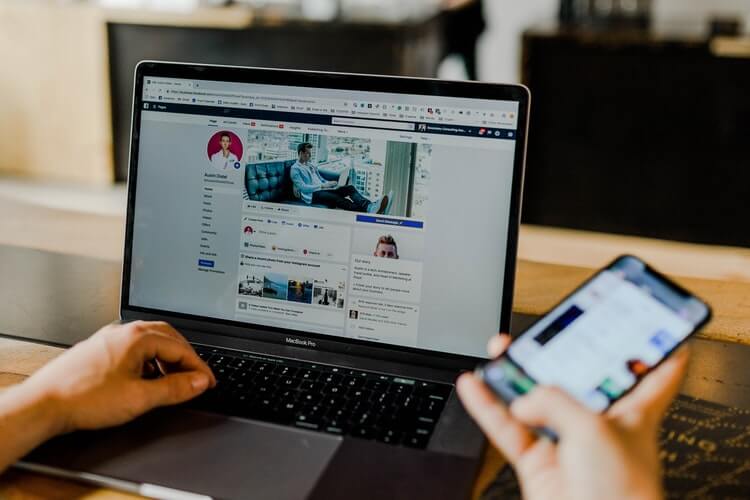
The Definitive Guide to Market Your Business on Facebook

Published on: 26 April 2018 Last Updated on: 03 September 2024
Business on Facebook

Social media has penetrated deep into the life of humans in almost every possible parameter. As the rise of smartphone and tech gadgets are more frequent, the exchange and flow of information have become extremely easy.

In a recent survey conducted by a top American university, it was clear that people who own a web-enabled phone spends around 2 – 4 hours while checking their feeds and news on their social media platforms. That’s a huge amount of time and gives a great opportunity for businesses to grow and reach a maximum audience. An active and decent social media page helps greatly in strengthening your brand without being annoying (Inbound marketing)

For example, if Jim’s feed is filled with the last night’s birthday party that he had attended then popping up the latest shoes from Jimmy Choo won’t look bad. Here’s the deal, are your sales even after spending millions in marketing aren’t justifying your ROI? Are you still searching for the big Marlboro epic ad campaign that changed the whole horizon of how cigarettes were used to take by the people? Stay on as we are about to explain the tricks that will benefit your business insanely. Here is the definitive guide to market your business on facebook:

Step Number One: Optimization will sail you through:

Have you noticed one common practice often used by most prominent brands on social media? They are appealing even to the people who aren’t even interested in the brand or page. What draws them towards them? One simple approach is optimization!

A Username Matters the Most:
Username Matters the Most

Let’s learn this with an example.

  1. facebook.com/gtbdajgdbkahdj_bdjabdjagdj_45454544545454
  2. facebook.com/myshop

Now, ask yourself, which one you like the most? The second one is easily understandable and it makes more sense than its counterpart. Always try to claim a vanity URL as it serves the purpose well.

Keywords Can Get a Deal for You:

Including relevant keywords is the fundamental practice of SEO. Using specific keywords can end up all the results of a query on your page. Make it a habit to add potential searchable words and a brief description of the business that you’re operating.

A Category Matters the Most:

In order to reach a maximum number of people and elevate your profits, one should avoid placing their business in an improper set of categories.

A specific category would help you in getting placed on the Facebook Graph Search. The most common ones are choosing ‘Companies & Organizations’

An Image Speaks More Than Words:
An Image Speaks More Than Words


It’s a proven fact that the majority of people would first see the cover and profile image and then decide if they want to spend time on the page reading content or not. Making images to speak about your business is perhaps the best approach that can grab you multiple customers and boost your “likes” count instantly.

Participating In Groups Can Boost Engagement:

Bragging about being the best is possible the biggest false marketing approach that you can ever adopt. Instead, you should concentrate more on contributing to the industry by providing important tips and tricks. This will help you in elevating your engagement and fan base, probably a vintage approach, but surely not a lame one.

Don’t try to be in a rush and declaring yourself as the best option for the people. As deep inside you know, you’re not.

Organic Vs Non-Organic Likes:

Users cannot be fooled! Read this one more time. Users cannot be fooled! With easy access to information, the once used to innocent users or customers are now your worst critique, who is capable of ripping apart your products within a matter of a few seconds.

Often time’s marketers buy Facebook likes in order to show their credibility to the potential user or customer. Buying fake likes can make the credibility of the organization into question as it shows a lack of transparency and integrity.

In August, last year Facebook announced its plans about disabling more than 80 million fake accounts that would surely be a big blow to the face of the people who aren’t following the right approach.

Facebook Ads:

Facebook Ads

For quite some time, Facebook has expanded its horizon from “Connecting The World” to “Helping Reaching your Business to Target Audience”

They give more exposure to your brand by featuring your content on the user’s feed and give an opportunity to them so; users can place their order as well. Choosing your campaign objective will help you meet your advertising goals.

To create the best possible Facebook ad, you can use a good spy tool to see which of your competitor’s ads are working best.

How to Meet Your Objectives Using Facebook Ads:

You might place a doll face or video on the whole Ad campaign, but it doesn’t matter if you haven’t placed your most important content on the first page. Then, it’s almost certain that you won’t be able to make it big.

“Place your Most Important Content on the First Page”

Use Call to Action Button:

Placing a call to action button at the end of your Ad is like a perfect ending to the story. “Shop Now” “Claim Now” are some of the most important Adjectives that helps in converting potential leads to regular customers. Let them know why they should click on your ad!

The Final Statement:

There could be tons of important features that can help you to boost the business that you’re operating, but the above-mentioned ones are the most relevant in terms of building a brand and reaching to the more number of people.

We hope you had a great time going through our article and will surely implement these strategies in order to gain maximum profit from your organization.   

Read Also :

Content Rally wrapped around an online publication where you can publish your own intellectuals. It is a publishing platform designed to make great stories by content creators. This is your era, your place to be online. So come forward share your views, thoughts and ideas via Content Rally.

View all posts

Leave a Reply

Your email address will not be published. Required fields are marked *

Related

Marketing

Marketing – What’s Right for Your Business?

When it comes to running a business, marketing plays a huge role in your day to day operations. Regardless of how big or small your business may be, it still needs a solid marketing strategy to help it grow and expand. However, with so many different types of marketing available these days, it can be difficult knowing which one is right for you. Here, you’ll discover how to decide which marketing method is right for your business. Though no matter what type of marketing your business pursues, finding the right DAM solutions to store all of your marketing content is important. Online marketing options : If you aren’t yet focusing your efforts into online marketing, you’ll definitely want to start! Digital marketing has become an integral part of modern business. As the majority of consumers turn to their smartphone to buy from and research local businesses, at the very least your company should have a website. Regardless of which type of business you run, you’ll definitely want to set up a social media account for marketing purposes. Facebook, Twitter, LinkedIn and Instagram all provide fantastic marketing opportunities. However, you need to ensure you’re choosing the right one to match your business. You need to go where your target market is, so researching where your ideal customers hang out the most will help you to determine which platform to focus on. As well as social media, cold emailing paid ads and content marketing are all worth considering. Offline marketing : While online marketing is definitely huge right now, don’t underestimate the power of offline marketing too. Take leaflets for example. When targeted correctly, leaflets can prove to be a very powerful marketing tool, especially for local businesses. You don’t need to actually deliver the leaflets yourself either. You can hire companies like Leafletdrop.co.uk, to distribute the leaflets for you. Simply select where you’d like the leaflets delivered and they’ll take care of the rest. They can even design and print the leaflets for you. Consumers are much more likely to respond to direct offline marketing methods than they are to an email for example. You can also increase the chance of conversions by properly researching your target market and ensuring the leaflets only get dropped off at your ideal customer’s homes. Other offline options you may find useful include radio, newspapers and magazines. However, for the most part, leaflets tend to be the most successful and affordable option out there. Why a mixed approach is often best : If you’re looking to create the most successful marketing strategy, ideally, you’ll want to focus on a mixture of online and offline methods. That way, you’re going to target the largest number of consumers. Digital marketing is largely successful for millennial and middle-aged audiences, while offline methods work better at targeting the older generation. Overall, it doesn’t really matter which type of business you run, both online and offline marketing strategies can help grow your brand and capture new customers. The trick is to do as much research into your target market as you can to establish where they hang out and where your efforts are best focused on. Read Also : Know Why Content Marketing Is Important For SEO Digital Marketing: Utilize Facebook To Support Your Hospitality Business How To Deal With Debt By Doing Business Marketing Smartly?

READ MOREDetails
Brand monitoring

How to Monitor Your Brand?

On the Internet, to be particular on social media, everyone and anyone can share views about your brand. One thing you need to understand is that this information will reach a vast audience. Most of the information that people share on social media go viral. Brand monitoring is the best way forward if you want to keep on top of this information. What is brand monitoring? Brand monitoring refers to the process of monitoring several channels to find out various mentions of your brand and asses what people have to say about your products or services. It can include complaints on social media or a newspaper article about a merger, among other things. The role of brand monitoring is to respond and act on the mentions you get. It can assist you to jump on good publicity or spot a crisis before the situation worsens. It will also give you valuable insights on how the market views and talks about your products. We can also define brand monitoring as a business analytics process that monitors various channels on the media or web. It helps users to get information about the brand, products, and all the things that are connected to your brand. It will allow you to monitor the reception and reputation of your brand by your target demographic, consumer base, and the general public. You have to strategically and regularly investigate online resources and media to help you react to the various sentiments your brand and of your competitors experience. You have to proactively monitor the reputation of your brand and react to customer and press concerns to enhance trust in your brand. Why do you need to monitor your brand mentions? Identifying and Addressing Infringers: These people always look at the popularity and name of your brand to ride on it. Web monitoring will help you to identify these infringers who adopt confusing domain and brand names that resemble yours. Trademark law protects brand owners and consumers against such unfair competition. The good news about brand monitoring is that it will help you to enforce this practice. Addressing Consumer and Competitor Protection: Brand monitoring will help you to respond to both positive and negative sentiments from consumers. Most customers express their feelings on complaints, sites, forums, or social media. Also, it will help you to monitor the competition representation of your brand in terms of negative reviews and comparative advertising. What monitoring tools are there on the market? The market has so many social media monitoring tools that you can use to track your mention. Some of them include; Famm.io Famm.io is one of the best social media and web monitoring tools. It is an effective tool if you want to know what people think about your brand. The tool will show you the resources where your brand is mentioned most of the time. It will show you the best resource when it comes to brand mentions. Find out the places where people just watch and where people communicate most of the time. LexisNexis Print media and tracking broadcast are quite tricky unless you have people reading all the newspapers and watching all channels. LexisNexis is one of the best tools for monitoring these two elements. They will assist you in tracking mentions on several publications and in analyzing the results. Source LexisNexis is a big organization, which helps some of the biggest brands explore analytics, data, reporting and monitoring. It helps in identifying the quickest trends and news breakouts (viral content) and informs brands of advertising opportunities. The smart and easy interface helps brands understand metrics and take detailed steps as to the nest strategies. Google Alerts Google Alerts is an easy and free social media monitoring tool. You will need to input a keyword and you will get an alert when a person uses it on the website. It offers mentions but has no long-term overviews and analysis. Google Alert is an absolutely free tool that will help you get mentions about your brand in a small, yet significant way. Please do not expect this tool to be as powerful or potent as some of the best ones on the list. It is free and should be expected to be basic. TweetDeck This tool is great for community managers who use Twitter but also does brand monitoring through Twitter. Setup search columns to give you live feed once the things you specify get mentions. A free tool is ideal for brand mentions. This was an independent tool, which was later acquired by Twitter. This is a great platform to align your Twitter mentions and activities. The dashboard is clean, precise and easy to use. Once you start using TweetDeck, it will be difficult for you to go to other platforms like HootSuite, Buffer or anyone else. Why Famm.io stands apart from the crowd? Over the last three years, I have used several brand-monitoring tools on the market. What makes Famm.io stand out is the multi-functional capabilities. You are not only allowed to see your brand but also integrate content resources and competitor strategies in your dashboard. If you are looking to run Influencer Marketing campaigns, Famm.io helps you find your brand mentions not only on search but also on social. However, for me personally, the best part about Famm.io is the possibility to reach out to different Content Creators. You can look for content creators, not only in your niche but also in different niches. The capabilities of Famm.io can help your brand manage its online reputation in a successful manner. It can also help you reach disgruntled users or employees before they can do too much damage. This will help brands maintain good relations with their audiences and tackle PR nightmares before they get too big. Conclusion: Brand monitoring became a trend in a recent couple of years. It brings value as a marketing and PR component as well as a steady approach for brand awareness strategy. What can be more important than benefits for users, a brand’s value and its reputation? Overall, tools enumerated above are trustworthy enough and good for analysis and building marketing strategies and social media campaigns. All of these online assistants insulate from the needless search offering the selection of on-demand features. Read Also: Winning Tactics To Build A Competitive Service Delivery Website Reasons Why You Should Implement Wireless Monitoring System

READ MOREDetails
Amazon Listings

How to Get More Traffic to Your Amazon Listings

Building a successful business on Amazon requires a decent amount of virtual footfall to your online store. This means generating traffic is one of the biggest priorities for Amazon sellers. But the thought of all the different tactics you can use and implementing them in the right way can feel incredibly overwhelming. We’ve compiled a guide to getting more traffic to your Amazon listings to help you out. First Things First… Know Where You Stand Before you go ahead and implement the different traffic generation tactics out there, it’s important to know where you stand amongst your competitors and in the overall landscape of your industry. There are three things you should do first to set you up for the best success. Do these, and you’ll have a better understanding of what you need to do to stand out to potential buyers and a keen knowledge of the keywords they use to search for products like yours. a) Competitor Analysis: Looking into what your biggest competitors are doing helps you understand where your brand fits in. You can also glean some inspiration for traffic generation techniques that have been working for them. Start by looking into the keywords they’re using on products similar to yours and the words they’re using to describe their products. Your competitors likely have products that show up top on Amazon search results, so following their lead will ensure your products get the same recognition. Start by typing your product into the search bar and exploring the first few results that show up. What keywords do they use? How are they describing the products? Do you notice anything different or better about their listings compared to yours? b) Category Analysis: Category analysis works as a follow on from competitor analysis. It lets you uncover the keywords that are used to describe products like yours. Not only will this give you some ideas for your own listings, but it will help you figure out what makes the popular listings in your industry so successful. If you sell red dresses, for example, type “red dresses” into the Amazon search bar and take a look through the top results. Compare the differences between these listings and yours and identify any particular wording or phrases that crop up often. c) Keyword Analysis: After running competitor and category analysis, you’ll have a deeper understanding of the words your customers are using to search for products like yours. Use a keyword tool to find other relevant words and phrases to use and sprinkle them throughout your product listings, like in your product titles, descriptions, and image captions. You can also use Amazon’s search bar suggestion to find commonly searched for phrases relating to your products. Easy Ways to Increase the Traffic to Your Amazon Listings After analyzing your competitors, product categories, and keywords, it’s time to focus on actually getting traffic to your site. Here are the most effective tactics our clients at Urtasker have used to increase their traffic. 1. Amazon SEO SEO isn’t just a Google thing. After all, Amazon is also a huge search engine. Thus, optimizing your listings will help them show up higher in the results.  Amazon rankings consider several factors. These include keywords, how well you products sell, the number of reviews you have, and the quality of the content you have on your listings.  To optimize your listings, start by:  Incorporating keywords into your product titles and descriptions  Showcasing high-quality images on your listings  Writing clear and concise product descriptions  2. Create High-Quality Content Content marketing is one of the most effective ways to generate traffic to Amazon. Like writing blog posts, creating downloadable, and recording videos and other kinds of content to share with your audience.  Start by creating content that ties into your products. For example, if you sell teapots, why not create a blog post about different tea recipes for “mocktails”?  Post this content on your website or blog to attract people from different channels. You’ll attract visitors from Google and social media who might be looking for tea mocktails to make, and your posts will then direct them to your store.  3. Leverage Reviews Reviews are one of the number one ranking factors on Amazon. The more positive reviews your products have, the more likely they are to rank high in search results. Reviews are great for two reasons: They help you understand what potential buyers actually want from you - simply scour your reviews for words and phrases they use that you can incorporate into your listings They will push your products up higher than competitors with less reviews Encourage past buyers to leave reviews by sending out a follow-up email, asking them on social media, or using built-in Amazon features like the Review Request tool. 4. Make Use of Amazon’s Enhanced Brand Content and A+ Pages Amazon helps its sellers out by providing a few powerful content features. Enhanced Branded Content lets stores show off their products by adding special content features to their listings. Rather than the usual listing layout, you can brand your product pages and include high-quality images to create a story around your products. This is what a standard product listing looks like: And this is what a product listing using Amazon’s Enhanced Brand Content Looks like: As well as Enhanced Branded Content, Amazon also offers A+ pages which similarly offer sellers the chance to create a story around their products using images, infographics, and other visuals. Here’s an example of an A+ Page in action: 5. Run Amazon PPC Ads Amazon has a range of different ads you can run onsite to ensure your products show up in the right searches (and, therefore, generate more traffic).  Sponsored Product Ads show your products above the search results so they’re the first thing shoppers see when they make a search. There are also Headline Ads that allow you to create an eye-catching banner that goes at the top of search pages.  Here is an example of a Sponsored Product ad in the search results:  To ensure your ads perform at their best, use the right keywords from your analysis, laser-focus the audience you want to target, and set a healthy budget. Be sure to measure and tweak your ads so your results continue to improve.  6. Run Lightning Deals and Promote Your Products on Deal Sites Lightning Deals are a feature that allows sellers to promote a limited number of discounts on a product of their choice during a certain timeframe. This attracts customers who might otherwise not have seen your products.  Running promotions like this makes it easier to drive traffic to your products, especially if you want to create a sense of urgency in your listings.  As well as Lightning Deals, there are a host of Amazon deal sites that users can sign up for to get products at a discounted rate in exchange for a review.   This will expose your product to a wider audience of potential buyers who might have missed it otherwise, and it will provide you with the reviews you need to start bumping your products up the search results.  7. Create Social Media Ad Campaigns Amazon has plenty of onsite ad options to keep you busy, but you can also run ads outside of the platform to drive people to your product listings who aren’t already on the site.  Create campaigns with highly targeted audiences on Facebook, Instagram, and Google, making sure you implement the most popular keywords related to your products.  8. Social Media Marketing Without Ads If you’re not ready to splash out on social media ads or want to add another spoke to your social media marketing wheel, you can run organic social media campaigns.  Promoting your products on platforms like Instagram, Facebook, Twitter, and LinkedIn helps you reach new audiences and increases visibility on your products.  It helps to create a social media posting schedule to ensure you stay consistent with your posts. We recommend choosing just one or two platforms to focus on to start with, so you don’t get overwhelmed and spread yourself too thin.   From there, you’ll be able to see which platforms resonate best with your buyers and where your products seem the best success.  9. Carry Out Email Marketing If you want to generate traffic and build deeper connections with your customers so they keep coming back, email marketing is the most effective solution.   With access to buyers’ inboxes, you can share exclusive discounts, launch news, and updates from your brand to keep your products fresh in their minds.  What’s more, you can regularly send links to products you think they’d enjoy, boosting your traffic and product visibility.  10. Upsell On Your Best-Sellers Your product listings are the perfect place to promote your other products. It’s likely that a couple of your products are more popular than the others, and you can use their popularity to guide shoppers to your lesser-known products.  This increases traffic across all your products and gives you a chance to upsell, which means higher AOV and higher LTV. 11. Affiliate Marketing Affiliates promote your product in exchange for a percentage of every sale they make through their personal link. This benefits both you and your affiliates, which makes it an excellent way to generate traffic.  Identify key players in your industry who have an audience suited to your products and partner up with them. Provide them with a unique link they can share with their followers and attribute every sale they make to them.  This will help you reach audiences you otherwise wouldn’t have been able to reach and increase your visibility across multiple different segments.  Ask your top affiliates publishers to analyze their Amazon Associates affiliate commission data. And then optimize their website’s content based on their review. They can do this by integrating their Amazon Associates data with We Can Track into Google Analytics and Google Ads.  12. Influencer Marketing Influencer marketing involves teaming up with top social accounts in your industry and encouraging them to share your products with their pre-built audiences in exchange for payment or another incentive.  Identify who the top accounts are in your niche or accounts that have an audience you’d like to connect with and reach out to them with a proposal.   Work on building influencer relationships, as these people already have audiences that trust everything they say. As a result, trust is automatically transferred to any product recommendations they make.  Influencers tend to have large followings too, which means you can put your products in front of more people and generate more traffic.  Traffic is Everything!  To get more sales, you need more traffic. You can’t put the horse before the cart.   However, with these easy tips, you can start implementing traffic generation techniques today to increase the visibility of your products and, ultimately, get more sales.  Read Also: Beginners Guide: How You Can Grow Your Biz With Amazon Choosing a Quality Prep Center For Your FBA Business Methods of Optimizing Local SEO That Is Essential For Small Business Online Marketing: Selling Your Product And Services Utilizing the Dropshipping Model for Your Ecommerce Business

READ MOREDetails