











How To Harvest Weed: A Beginner’s Guide To Cannabis Cultivation

how to harvest weed

If there is one thing that most people try to know after searching for the legalities of growing weed, it is about “how to harvest weed?”

If this is something that you are searching for, I have you covered!

You see, weed, or marijuana, is a controversial plant to talk about. You might want to grow it for medicinal and recreational purposes. But the “What if people…” thoughts might put you off! This is because harvesting or growing weed is not like harvesting potatoes. There are several other things associated with the same.

But don’t you worry, my friend! If you are trying to search for the best ways to harvest weed, both indoors and outdoors, you need to look no further! Keep on reading this blog till the end to learn more…

Is Growing Marijuana Legal?
Is Growing Marijuana Legal

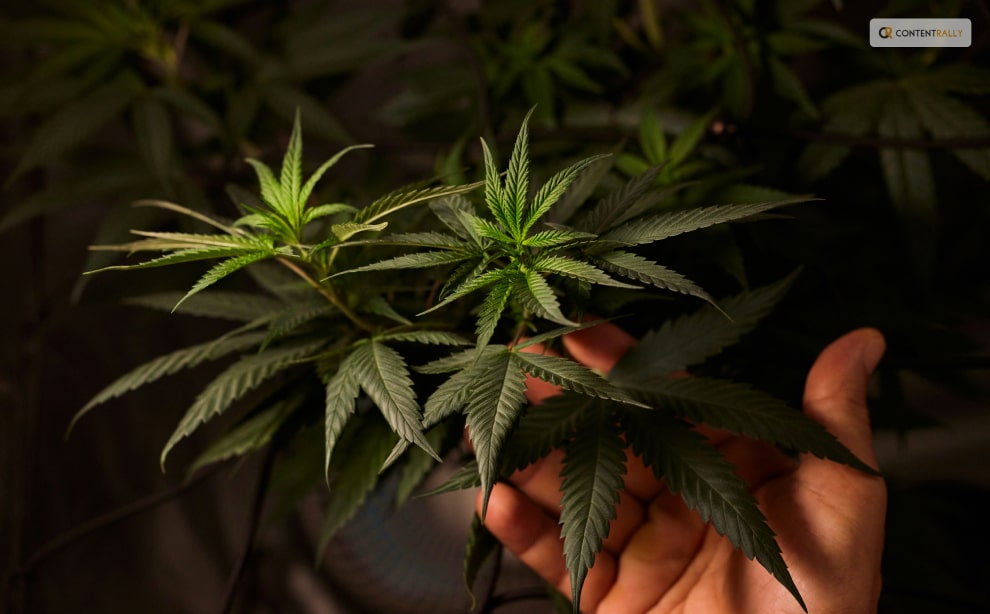
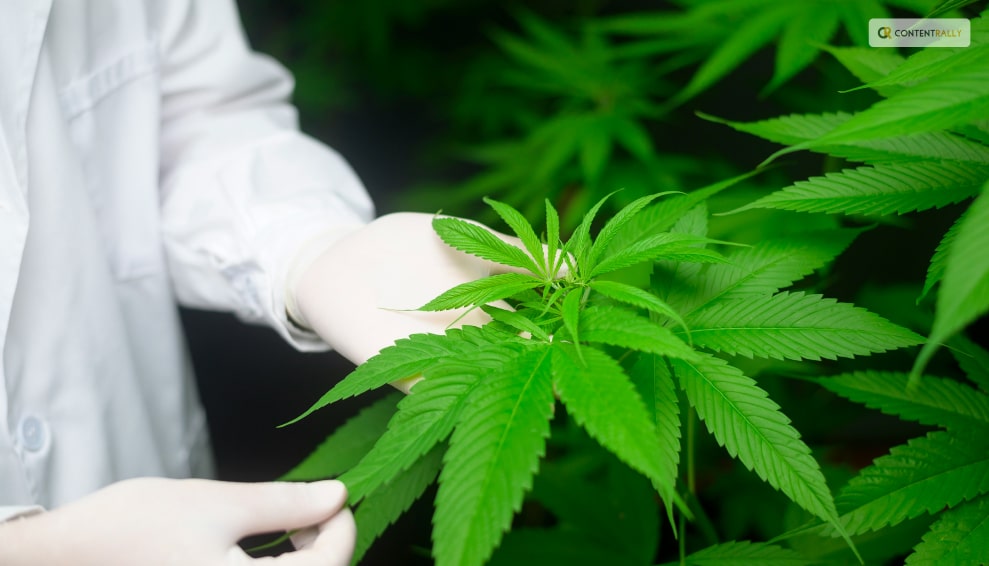
Marijuana, also known as cannabis, weed, pot, or ganja, is a plant that contains several psychoactive compounds. It can alter one’s mood, cognition, and perception. Marijuana has been used for several reasons and purposes for thousands of years, ranging from medicinal to spiritual.

But its legal status has been a matter of debate and controversy in many countries. So, is growing marijuana legal?

The answer depends on where you live, how much you grow, and what you use it for. In some countries, such as Canada, Uruguay, and South Africa, growing marijuana for personal use is legal or decriminalized as long as you follow certain rules and regulations.

In other countries, such as the United States, Australia, and the Netherlands, growing marijuana is legal or tolerated in some states or regions but illegal or restricted in others. In many countries, such as China, India, and Saudi Arabia, growing marijuana is illegal and punishable by harsh penalties, regardless of the amount or purpose.

Various factors, such as the potential benefits and harms of marijuana use, the social and cultural attitudes towards marijuana, the economic and political interests of different groups, and the international treaties and agreements on drug control influence the legal status of marijuana.

The legal status of growing marijuana is also subject to change as new laws and policies are enacted or revised and further research and evidence are presented.

Growing marijuana is a complex and controversial issue that has no simple or universal answer. The best way to find out if growing marijuana is legal in your area is to consult the relevant authorities and sources, and to be aware of the risks and consequences of your actions. Remember, just because something is legal, does not mean it is safe, ethical, or advisable.

When Should You Plant Weed?
When Should You Plant Weed?

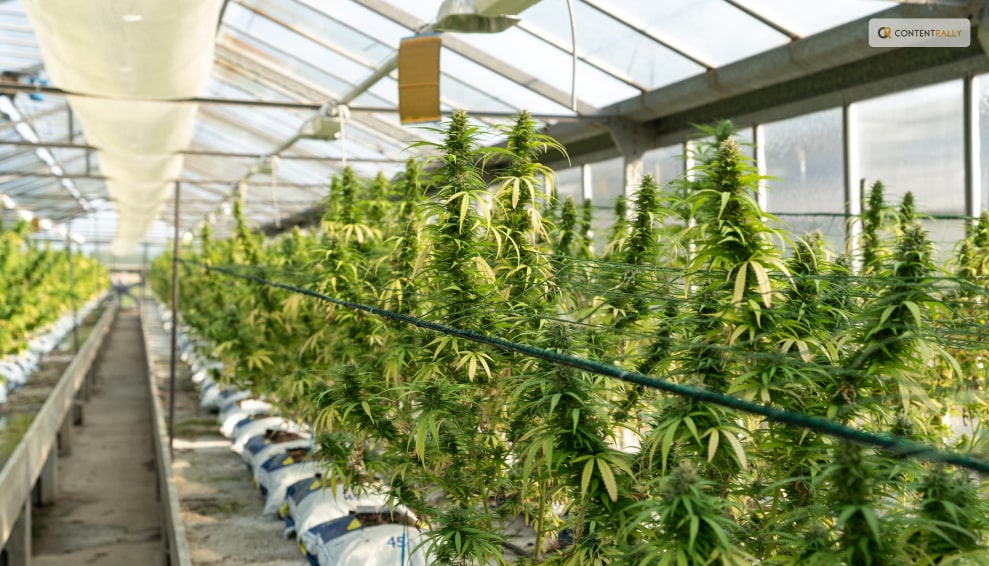
Spring is here, and you know what that means: it’s time to get your marijuana seeds ready for planting outdoors.

This is the most important crop of the year because you can get the biggest harvest of all.

Some old-timers like to plant their seeds on the first full moon of March. They say this way, the seeds get some light at night and don’t grow too tall too fast.

But sometimes, it’s still too chilly in March, and not everywhere has the same weather. If you live in a colder place, your plants will grow slower and suffer from the cold and the wind. They will be weaker and more likely to get bugs and diseases

So, what should you do in this case?

Well, you can wait a month or two longer. A seed that sprouts in a nice climate from April onwards will grow bigger and better than one that sprouts in March in the same place

But growing plants for so long is not easy.

You must watch out for all kinds of things: bugs, diseases, nutrients, transplanting, pruning, training… It’s a six-month-long job requiring constant attention

Things to Keep in Mind
Things to Keep in Mind 

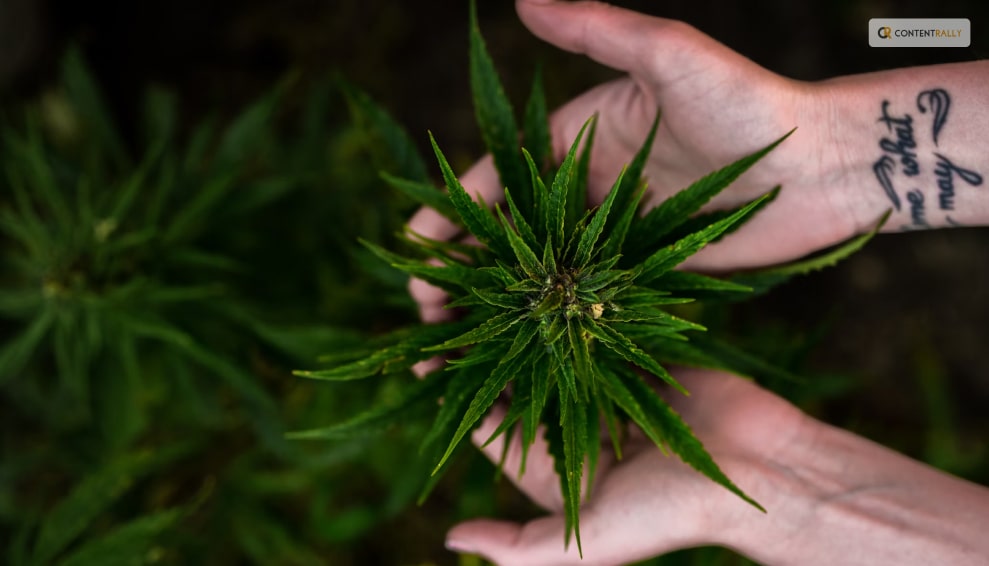
If you want a good quality and quantity of weed there are several things that you need to keep in mind. Want to know what they might be? I have you covered! Here are some of the things that you’ll need:

  • Fertilizers for growth and flowering: You can choose whatever fertilizers you like, organic or chemical. Organic ones, like humus, guano, and flower boosters, will give you a tasty and aromatic weed, but less of it. Chemical ones, like those from specific brands, will give you more buds, but less flavor.
  • Insecticides for insects like whiteflies, mites, or thrips: It’s better to use them as a prevention, so you don’t get any nasty surprises.
  • An anti-fungal product that works well against powdery mildew: Propolix or other chemical products are good, but you have to use them from the beginning.
  • Bacillus Thuringiensis: This is for caterpillars and other worms. Use it as soon as the flowers start to show, which is when these critters start to show up. Around May/June.
  • Stakes or wires to support the branches during the flowering stage.

Soil and Other Conditions to Grow Weed or Marijuana
Soil and Other Conditions to Grow Weed or Marijuana

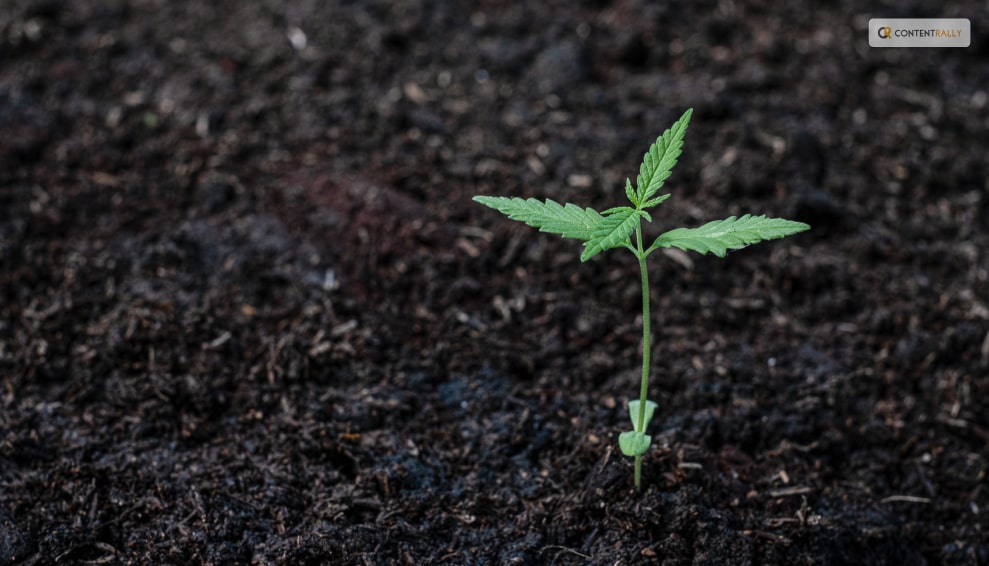
It’s obvious that this is the most common grow medium, probably because it’s easy to find and has some nutrients already in it. Weed grown in soil is also more delicious and fragrant. And, no, it’s not hard to grow in soil – just plant your (favorite) strain in the soil, and you’re good to go.

That’s it. Of course, there are different kinds of soil, and some are better than others. High-quality potting soil will make your life easier and faster. You might also want to add some extra nutrients to make your weed grow better.

Or you can make your own super soil. If you decide to buy soil, we suggest you go for the best brands, or at least those with a good soil mix. They should have things like earthworm castings, alfalfa meal, humic acid, etc.

Can You Grow Weed Without Soil?

Want to try something different? Go soilless. You’ll see some quicker growth (and bigger harvests). And, conveniently, growing weed in soilless mediums is pretty similar to growing it in soil. The only difference is that you’ll have to give the nutrients yourself because soilless mediums don’t have any. Some examples of soilless mediums are coco coir, vermiculite, perlite, etc.

What About Hydroponic Grows? Is it Complicated?

No, hydroponic growth is not complicated. It’s as easy as picking your setup (hydroponic system), getting your nutrients, and sprouting your seeds. And you’ll get some amazing benefits: super-fast growth, huge yields, and super-strong weed.

Sounds good, right? Don’t believe everything you hear because some information can mess up your growth. But with the right setup and care, you can be sure of a plentiful harvest.

What It Needs to Survive and Thrive: How to Grow Weed Plant?
What It Needs to Survive and Thrive: How to Grow Weed Plant?

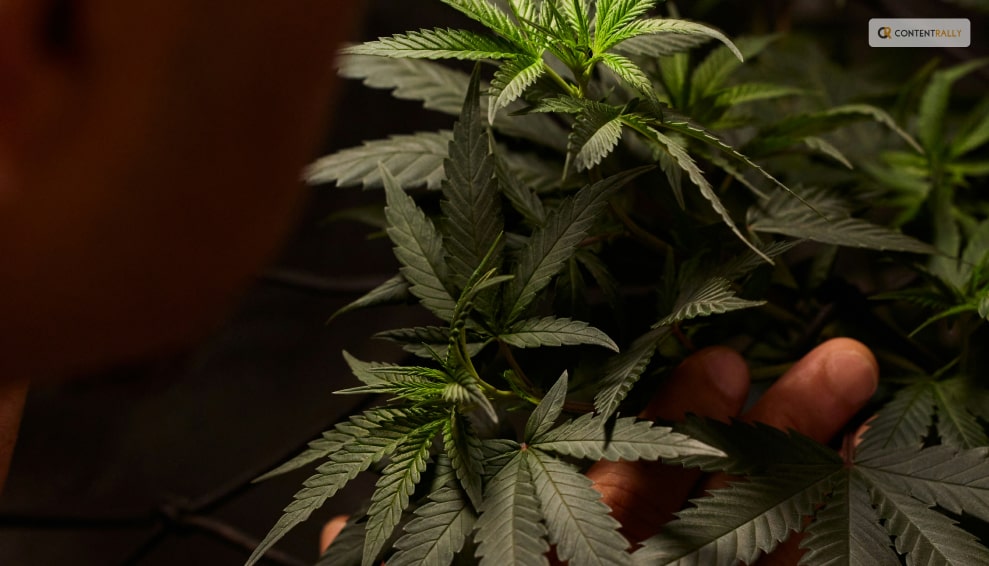
If you want to grow the best weed possible, you need to know your plant well. Here are some of the main things that a weed plant needs to thrive, and how it works.

Light

Light is the fuel that drives photosynthesis and growth in a weed plant. The fan leaves are like solar panels that absorb light. The more light you give your plants, the more buds they will produce. 

But be careful not to give them too much light. If you grow indoors, keep your lights at a safe distance from your plants, or you might burn them and ruin your nugs. And if your plants get too hot, they will dry out faster and need more water and attention.

Weed plants usually need at least six hours of sunlight a day when they grow outdoors. This is called “full sun”. When they grow indoors, they usually get between 12 and 18 hours of artificial light a day, depending on their stage of growth.

Weed is a photoperiod plant, which means that the amount of light it gets every day affects when it flowers and makes buds. Outdoors, this happens when the days get shorter in the fall. Indoors, you can make this happen by changing the light cycle from 18 to 12 hours a day.   

Water

Water is essential for all plants, including weed. Water provides hydrogen for photosynthesis, and also carries nutrients from the soil to the plant through the roots, and throughout the whole plant.  

Water also helps the plant stay firm and flexible, by creating pressure on the cell walls. This allows the plant to bend with the wind or reach for more light. 

Plants also lose water through their leaves, like humans sweat, to cool down. This is called transpiration, and you can see it as droplets on the leaf tips.  

This may sound obvious, but you only need to water the soil or the medium where your weed plant grows, not the leaves or the plant itself. We suggest that you water a lot, but not too often, rather than a little, but more frequently. This way, the roots can dry out a bit and get more oxygen from the soil. 

Nutrients

A marijuana plant needs several nutrients to grow and flower. The main nutrients it needs are: 

  • Nitrogen: Nitrogen helps a weed plant grow during the vegetative phase, when it makes more mass, stems, branches, and leaves. It is part of chlorophyll, the green pigment that helps the plant use light for photosynthesis.
  • Phosphorus: Phosphorus is important for storing and using energy, as well as for root growth and bud development. It helps the plant take up nutrients and build its structure.
  • Potassium: Potassium helps with many of the plant’s metabolic activities, such as respiration, transpiration, and enzyme activation. It also helps the plant fight off diseases and pests. 
  • Calcium: Calcium is a minor nutrient, but it still plays a role in keeping the plant’s cell walls intact, and helping the plant absorb other nutrients. 
  • Magnesium: Magnesium is part of chlorophyll, and helps the plant make glucose from photosynthesis. Without it, the plant can’t turn light into energy. 

CO2

Plants breathe in CO2 through tiny holes in their leaves called stomata. During photosynthesis, plants turn CO2 into glucose, which they use to grow and flower. 

Some indoor growers use a “CO2 burner”, which is a device that adds a little bit of CO2 to the air, to make the plants grow faster and bigger. But this is usually too much for home growers. 

Wind/airflow

Wind or airflow is good for your plants, because it brings fresh air and CO2, which they need to grow.  

Airflow also prevents mold and diseases, by removing moisture from the inside of the plant, so it doesn’t get too wet. You can also use a technique called scragging, which spreads out the branches and lets more air in.

Wind or airflow also makes your plant stronger and healthier, by making its stalks and branches thicker and sturdier. When a plant bends with the wind, it produces a hormone called auxin, which stimulates growth.

What to Keep in Mind While Harvesting Weed?
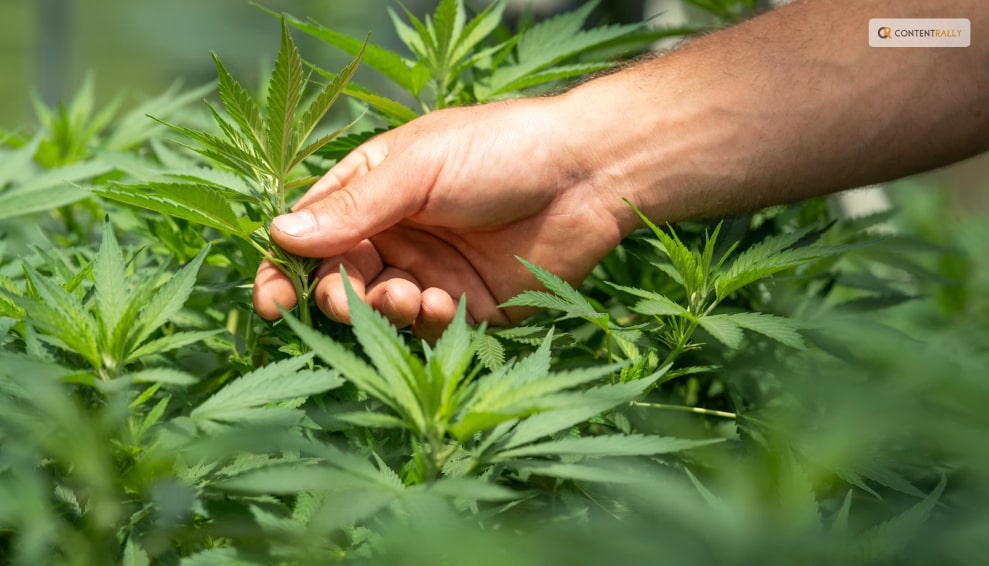
What to Keep in Mind While Harvesting Weed?

You probably know that different strains of weed need different amounts of time and sun to grow well. Sativas, which come from places near the equator, like a long and sunny summer to get fully ripe.

Indicas, which come from colder and harsher places, are usually faster to finish. But there are exceptions, of course. Some indicas are slow and some sativas are quick.

The best time of day to cut down your outdoor plants is in the morning, before the sun gets too strong. You don’t want them to be wet from dew, but you also don’t want them to be exposed to too much sunlight, which can ruin their flavor.

You can also harvest at night when it’s cooler, but the morning is better because the plants are fresher and haven’t been under the sun all day.

1. Watch the weather 

As your buds get bigger and heavier and the season changes from summer to fall, the weather can change too. Depending on where you live, you might get some cold snaps or rainstorms.

These are not the end of the world, but you do need to pay attention to the weather and maybe decide on the spot when to harvest your plants, balancing their ripeness with the risk of losing them.

2. Harvesting in Lower Temperatures 

According to sources, most weed plants can handle a light freeze—28-32°F for up to three hours—without any problem. But a hard freeze, anything lower or longer, can be a disaster. 

Frost can make ice crystals form in the plant cells, hurting them. The leaves will look droopy and then turn dark and crunchy. The worse the frost, the more damage to the plant.

Remember that plants in pots are more sensitive to temperature changes than plants in the ground, so they are more likely to get frost damage.

3. Rainy Harvests 

Rain is not a big deal by itself, but it depends on how long and how hard it rains. If it’s going to stop soon and dry up fast, you can leave your almost ready plants outside. But if the rain is going to stay, mold is waiting—better to harvest sooner than later.

Covering your plants can help, but the air will still be humid. You can use some tall stakes and a tarp to cover them, but make sure to take them off when the rain or cold is over. In this way, the plants can warm up and breathe.

When to Harvest Weed Plant? 
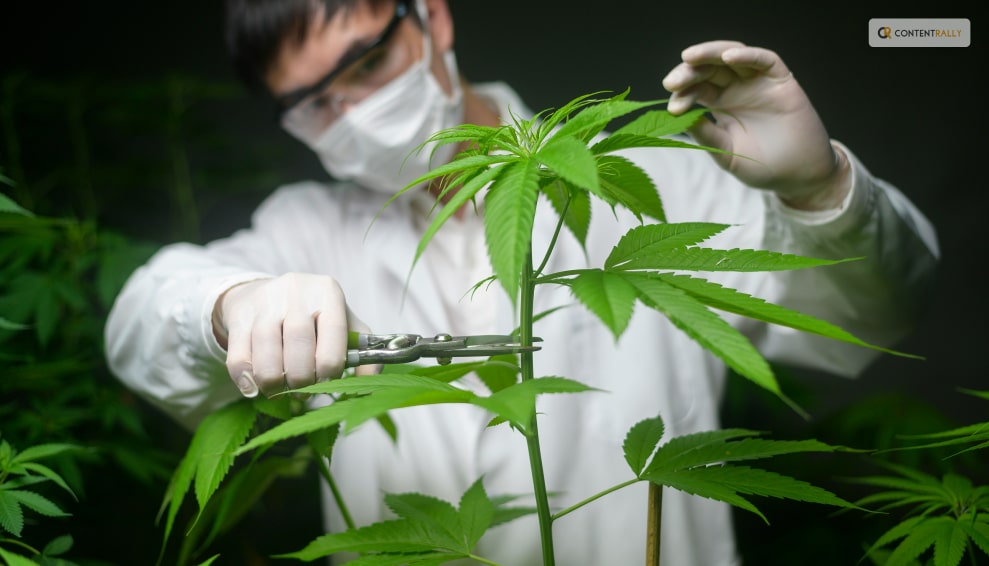
When to Harvest Weed Plant? 

The type of plant growing determines when to harvest cannabis. Sativa, hybrid, and indica are the three primary kinds of cannabis seeds. Are you curious about the best time to harvest marijuana?

Let me break it down for you!

Sativa strain plants typically take longer to mature and give off a stronger cerebral height. However, Indica plants yield larger blooms and a more sedative, paralyzing high.

When an Indica and a Sativa are crossed, hybrids that enable flowers to have both traits are created. While Sativa cultivars blossom in 10 to 16 weeks (about three and a half months), Indica varieties flower in 8 to 10 weeks (about two and a half months) on average.

The cannabis plant can be found in hybrid form halfway between the two main species. It is important to understand that flowering times might vary based on environmental factors like temperature and duration of day.

Thus, the questions of when and how to harvest cannabis remain unanswered. Knowing what you want to achieve with your cannabis plants can help you decide when to harvest them.

Let’s say you are growing cannabis for therapeutic purposes. Is there a unique method for harvesting cannabis in this case? If so, it is imperative to harvest the plant at the height of its cannabinoid content.

But if you are cultivating cannabis seeds for fun purposes, then it is best to harvest marijuana at its peak maturity.

How to Harvest Weed?
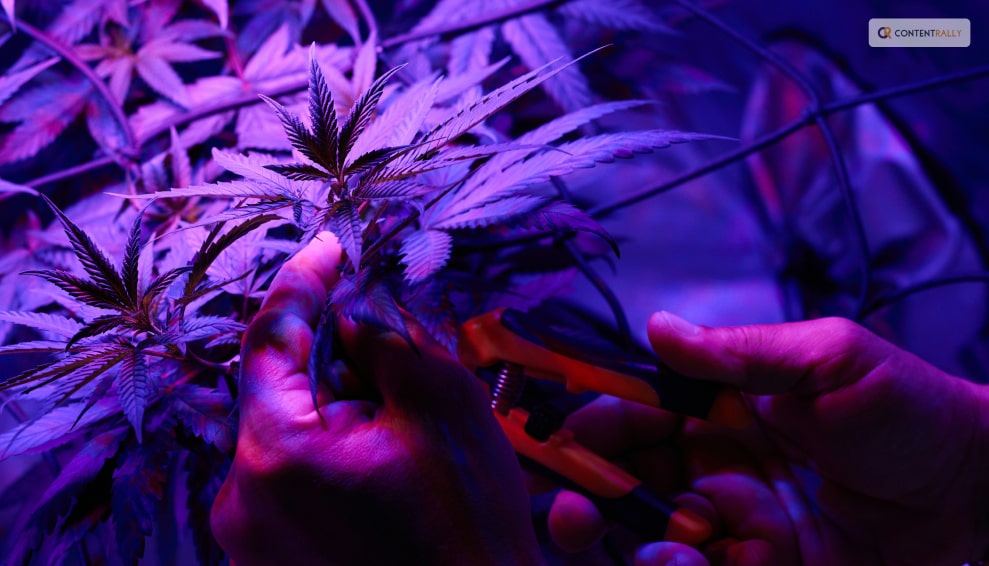
How to Harvest Weed?

Once you’ve decided when to harvest your cannabis, it’s critical to understand how to harvest cannabis plants correctly. It’s simple to harvest cannabis; you just need to cut the stem off at the root. But it’s best not to pull the branch out of the ground since this could damage it and reduce its yield.

It is crucial to properly dry the cannabis after harvesting it before stocking it. Hanging it upside down in a room with lots of ventilation and little light exposure is the best method to accomplish this, like a wardrobe. In order to efficiently dry cannabis, proper ventilation is necessary because it inhibits the growth of mold.

Before you proceed to store it, ensure that you let your cannabis rest for some time. This can range anywhere from three to seven days. This is a great way to ensure that the leaves are dried and ready for you to store.

Wrapping It Up! 

In case you were searching for the best ways on how to harvest weed, I hope that this blog has been of help to you. If there are any other queries related to the same, please feel free to let me know. All that you need to do is scroll down till you reach the bottom of the page. Then leave your suggestions in the box below. And I will be there to answer them all for you!

More Resources:
Ankita Tripathy loves to write about food and the Hallyu Wave in particular. During her free time, she enjoys looking at the sky or reading books while sipping a cup of hot coffee. Her favourite niches are food, music, lifestyle, travel, and Korean Pop music and drama.

View all posts

Leave a Reply

Your email address will not be published. Required fields are marked *

Related

low maintenance plants

Best Low Maintenance Plants To Buy In 2024

I have always enjoyed gardening, spending time in nature, and a general affliction towards plants. However, once professional commitments started taking up too much time, I was left with 'no time to stand and stare'. Whatever time I had left, most of it went behind work, and my plants started shriveling up. Do you relate? If this sounds relatable, then keep reading to find out what I did to change things and give my plants the time they need. Well, for starters, I started investing more in low-maintenance plants. These plants can easily thrive well under low lights and can quickly bounce back in case of one or more missed watering. So soon, I was able to spot the change! 10 Best Low Maintenance Plants To Buy In 2024: It was a discovery that I thankfully stumbled upon. It made things so much easier for the anthophilous inside me that I was motivated to write about it. If you are also planning to purchase a few low-maintenance plants, then scroll down to find out more on the same! 1. Cacti If you have long and irregular work schedules, then Cacti is probably the best low-maintenance indoor plant. Cacti plants can thrive well in light that’s natural and requires water only once every week during summer and spring. During winter and fall, you just need to water your cacti once in three weeks. Price: 18 dollars (for four) Why Do We Love It? Can be grown easily Can be cared for easily Great option as a gift 2. Air Plants Air plants are great alternatives for low maintenance plants - they do not even need soil for survival. All that you have to do in this case is dunk these plants in the water for 2 to 3 hours, once every ten days. Now is that not perfect? This is entirely doable every 10 days while you spend your afternoon sunk knee-deep in work. Price: 14 dollars (for five) Why Do We Love It? Easy to maintain Very affordable Saves time 3. Pothos Pothos is also referred to as Devil’s Ivy and is one of the best types of low-maintenance house plants. The best part? These plants can thrive well in both light and darkness. So if you keep it in your low-light cubicle, the plant will survive, and the same goes for brightly lit areas. Also, it can survive when you forget to water the plant. Price: 18 dollars (for five) Why Do We Love It? Air-purifying properties Value for money It comes in a grower’s pot 4. ZZ Plant The ZZ Plants thrive the best in brightly lit rooms, but that does not mean they cannot survive in moderate or low lights. Just like cacti, you don’t need to water them every day. Moreover, it’s a pretty sturdy plant. When you notice that the leaves are falling off, simply water it properly, and you will soon notice the plant from bouncing right back. Price: 26 dollars Why Do We Love It? Can thrive in both natural and artificial light Sturdy and durable Great option as a gift 5. Spider Plants Spider plants are pretty great options if you are looking for low-maintenance plants. These spidery plants tend to dry out in between two watering sessions. In addition, spider plants thrive pretty well under indirect light, and as a result, these plants can flourish well even inside windowless, dark offices. Price: 12 dollars Why Do We Love It? Can thrive well in both natural and artificial light. Air-purifying properties. Great option as a gift for apartments, office cubicles, dorm rooms, and the like. 6. Snake Plants There are low-maintenance plants, and then there are Snake plants. These are not just great as low-maintenance outdoor potted plants but also as plants for low-lit indoor cubicles. Simply put, snake plants are great alternatives for those offices where you get just thirty minutes for grabbing your lunch - let alone watering your plants. Price: 38 dollars Why Do We Love It? Has higher carbon dioxide absorbing efficiency and releases oxygen at night. Has premium air-purifying properties.  Versatile - can be planted in a pot or directly into the ground. 7. Succulents Succulents are amazing not because they can be easily maintained but mostly because it has thick leaves that store water. As a result, these plants needed to be watered once a week. Also, these thrive well in dry air and sunlight. No wonder succulents are the best low-maintenance outdoor potted plants. Price: 19 dollars (for five) Why Do We Love It?  Easy to grow and maintain Very affordable Perfect for DIY or doing your home decor 8. Bamboo Considered to be a lucky plant, Bamboo needs some light for thriving. This technically means Bamboo plants are great for those cube desks at work. If anyone is starting a new job, it’s best to gift them a bamboo plant wishing them good luck. Also, these plants give any workspace a Feng Shui boost. Price: 28 dollars Why Do We Love It? Easy to grow and maintain Value for money Ideal gift for everyone You May Also Like This: 9. Peace Lily Peace lilies look beautiful, and they also happen to be very easy to grow and maintain. All you need to do is keep misting the leaves and moisturize the soil regularly. However, make sure you are not overwatering the plant, and you should keep the plant away from direct sunlight. Price: 24 dollars Why Do We Love It? Thrives in indoor light Has health benefits Easy to maintain and care for 10. Red Aglaonema Did you know that the Red Aglaonema is new and happening presently? The leaves are all reddish-pink, while the stems are pink. This low-maintenance plant simply amps your cubicle’s personality a few notches higher. Naturally, these will appear brighter in well-lit rooms, buts they can also thrive well under low light. Price: 21 dollars Why Do We Love It? Sturdy and durable Adds texture and color to different spaces Ideal for dorm or room decor 11. Dusty Miller Often called silver ragwort, this icy-looking plant can withstand shade but prefers bright light. The distinctive, silvery leaves become more green-gray in shaded areas, which is also a visually pleasing effect. Its foliage is the main attraction, though it produces small, bright yellow blooms in midsummer. 12. Ribbon Grass Because they spread easily, these variegated blades make an excellent ground cover option. They do not mind shade or sun, but they do love moisture. When planted as a border in your garden, they create a charming link between the grass and the garden. Just make sure to use your shovel to create a sharp trench to keep it from getting into your flowers. 13. Cosmos The name "cosmos" comes from the Greek word for "harmony" or "ordered universe," and Mexican priests gave these happy little flowers this name due to their perfectly arranged, uniform petals. You'll have blooms from spring into autumn because these annual flowers reseed and grow well in full sun. 14. Butterfly Bush Some of the longest-blooming shrubs are these sun-loving plants. They are drought- and insect-resistant and have a vibrant range of colors that are perfect for summer. The plants will naturally draw a large number of hummingbirds and butterflies throughout the fall season. Frequently Asked Questions (FAQs):- Q1. What Is The Most Low Maintenance Plant? Ans: The most low maintenance plants are,⦿ Aloe vera⦿ ZZ plant⦿ Snake plant⦿ Spider plant, and⦿ Cast-iron plant  Q2. What Are The Easiest Plants To Take Care Of? Ans: The easiest plants to take care of are,⦿ Cast-iron plant⦿ Snake plant⦿ ZZ plant⦿ Spider plant⦿ Aloe Vera. Q3. What Is The Most Durable House Plant? Ans: The most durable house plants are,⦿ ZZ plant⦿ Snake plant ⦿ Chinese money plant⦿ Bromeliads⦿ Chinese Evergreen Plant. Wrapping Up:  Remember that it is always a good idea to check the resources available through your local extension service, even if the plants you choose are designated for your USDA Plant Hardiness Zone and the light and soil conditions of your site. By taking into account factors like wind, humidity, rainfall, and more, you can determine what grows best in your area. It's worth noting that not all plants labeled as "deer-resistant" will withstand deer damage. Are you looking for additional strategies to work in the garden more efficiently rather than more laboriously? Invest in a base of well-established evergreen shrubs; you'll be grateful for it come winter. Fast-growing vines can make a big difference for an ugly fence or garden wall without requiring a lot of work. Additionally, check out container plants and outdoor hanging plants if your garden is limited to a patio or balcony Low-maintenance plants are pretty popular presently. Mostly because they are easy to grow and maintain. So what are you waiting for? Invest in some low-maintenance plants today, and let us know which one are you buying first. Read Also: Planting & Harvesting Mint List of White Flowers in the world All You Need To Know About Resurrection Plant and its Facts

READ MOREDetails
Top Roofing Tips

Top Roofing Tips

Are you looking for the most roof care tips? Here you will learn about roof care tips including, repair, installation, and maintenance. Although your roof may be designed to protect your home for long years (say 10-15 years), you need to inspect your roof every year. It will help you remain calm and relax that you are living under a safe roof. In this article, you will learn some valuable tips from the Minnesota roofing company. These tips ensure the safety and comfort of your home. Roofing Tips You can apply the following tips on your own. However, you may need expert assistance or hire a roofing agency like A to Z Construction to repair your roof. Think About Your Safety First Whenever you find that there is a leak on your roof, don’t rust to find it out. Being on the roof when it is raining is not the right way. It can be dangerous to walk on the roof to find a leak while raining, or there is ice buildup on your roof. Have patience and wait until the rain stops. A temporary fix if the leak is not a solution; keep in mind that there is no quick fix for a roof leak. So, you shouldn’t meddle on the roof as soon as a leak happens. Think about your safety and take precautions before you go to spot the leak. Wear a rubber shoe when you're going to find a leak on your roof. Don’t work alone; take help from a buddy when you’re on the roof. Clean Gutters and Spray the Roof Usually, gutters are a common reason for a leak. If your gutters are not clean and clogged with leaves and debris, that can be a reason for leaks during rain. So, you should first clear the gutters. The next step is to spray various areas of the roof to locate the leak. You can spray water on your roof with your garden hose. If it's winter, though, you shouldn't spray water. Since it's not safe to spray water on your roof when it's freezing outside, you can wait until the winter is over. Prevent Ice Buildup Ice buildup is a common problem in the wintertime. You cannot do anything about the ice buildup in the exterior area, such as the roof membrane, gutter, and shingles. However, you can prevent ice buildup in the interior. For that, you should use ice and rain shields along with proper ventilation. Ice buildup in the interior causes drips inside your home. Also, you can use an edge drip to prevent this problem. Fix Your Roof Boots Another major problem for leakage is your roof boots. It’s common that we check the flash, skylights, roofs, and gutters for finding any possible leakages. Another thing that most people miss is the rubber roof boots. So, you should also check the roof boots if there is any leak. If you find any defect in the roof boot, you can quickly fix it by purchasing a new one from a local store. Inspect Your Roofing Material Sometimes your roofing material and shingles can be of low quality or faulty, which may cause leakage soon. So, you should check the roofing material too. Always use good quality material on your roof. Since the roof is one of the most important parts of your home, you should use the standard quality material with high longevity. Final Words These are some of the common roofing tips to protect your home from leakage. However, you should consult a reputed roofing agency if you think that you cannot handle it on your own. Do proper research and ask for referrals before you choose a roofing agency. More Resources: Professional Roofing Services and Different Decorating Styles Choosing the right roof for your home – Types to select from Roofing Painting Contractor Leads: Ask Before Hiring One

READ MOREDetails
Luxury Homes

Your Buying Guide to Get Your Dream Luxury Home

Luxury houses have jaw-dropping architecture, grandiose landscaping, robust and high-quality house finishes, and high-technology appliances, and of course, lavish amenities, and spacious rooms for several guests. Indeed, buying a luxury house can provide you with comfortable living facilities. It is crucial to put all the necessary cautiousness when buying a luxury house. There are many elements you can consider before giving out your money to a home developer. That is why this article is written to give you some tips on how to get your dream Los Angeles luxury homes for sale without regrets. Your Buying Guide to Get Your Dream Luxury Homes: 1. Look for a Certified Real Estate Agent That Focuses on Luxury Houses: Generally speaking, luxury houses can be hard to find because of its exclusivity. Sometimes, they don't appear on several listing services. This is because many homeowners guarded their utmost privacy and stayed as private as possible. A certified luxury home agent has appropriate knowledge when it comes to a luxury market. They have multiple connections and work exclusively with elite sellers and buyers. An agent should have access to different luxury properties in several cities or states. Moreover, some luxury agents focus on specific niches such as islands, villas, or beach houses. 2. Don't Get Fooled by Property Photos: You name it, brochures, pictures, advertisements, videos walk-throughs, and reviews can't replace the feeling of excitement when you see and feel the floor of a luxury home. Regardless, if you need to travel hundreds of miles away or across the sea, overseas, etc. visiting the actual house is a must. This is essential because purchasing this property is one of the most significant decisions in your life. Check the house for yourself, try the amenities, and see all the facilities and rooms if you can. It's also advisable to visit the house not once but more often at different seasons and times. 3. Create a House Checklist: Before visiting the actual house, you must first identify your needs and your expectations. Doing this can help you handle your emotions to avoid an impulsive and uneducated decision. For example, if the house has a large home theater and wine cellar, but you won't be using them, then what's the point of paying? 4. Manage Your Documents Appropriately: Purchasing Los Angeles luxury homes for sale are not the same as buying a starter home or condo unit. High-end home markets carefully examine the capacity of the buyer's ability to pay. Therefore, managing your financial documentation before looking for a house is a must. It is essential to prove your capacity to pay a million-dollar charming home. Sellers will also determine if you can pay in cash or loan. But if you are going to purchase luxury homes, it is highly recommended to pay them in cash or check. When buying a luxury home, ensure that you check if it will have a higher resale value, in case you decide to sell it in the future. Read Also: 7 Ways To Add Character And Style To Your Home 7 Tips To Purchase A Prime Real Estate Property

READ MOREDetails