











How To Harvest Sunflower Seeds: A Fun And Easy Activity For The Whole Family

how to harvest sunflower seeds

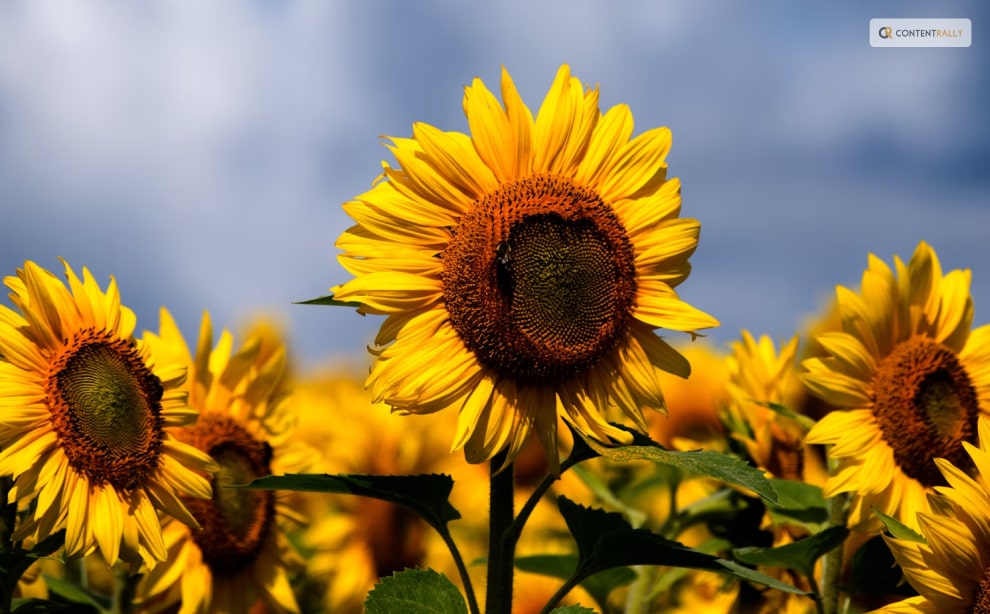
Sunflowers are not only beautiful and cheerful, but they also produce delicious and nutritious seeds that you can enjoy as a snack or use in various recipes. Harvesting sunflower seeds is a fun and easy activity that you can do with your whole family. It is also a great way to teach your kids about nature, gardening, and healthy eating.

In this article, I will show you how to harvest sunflower seeds in a few simple steps, as well as some tips and tricks to make the most of your sunflower harvest. If you enjoyed reading my blog on harvesting lettuce, you will enjoy reading this one!

So, if that is what you are interested in knowing, I have you covered! Keep reading this blog till the end to learn more…

How to Grow Sunflower Seeds: A Simple and Rewarding Gardening Project?
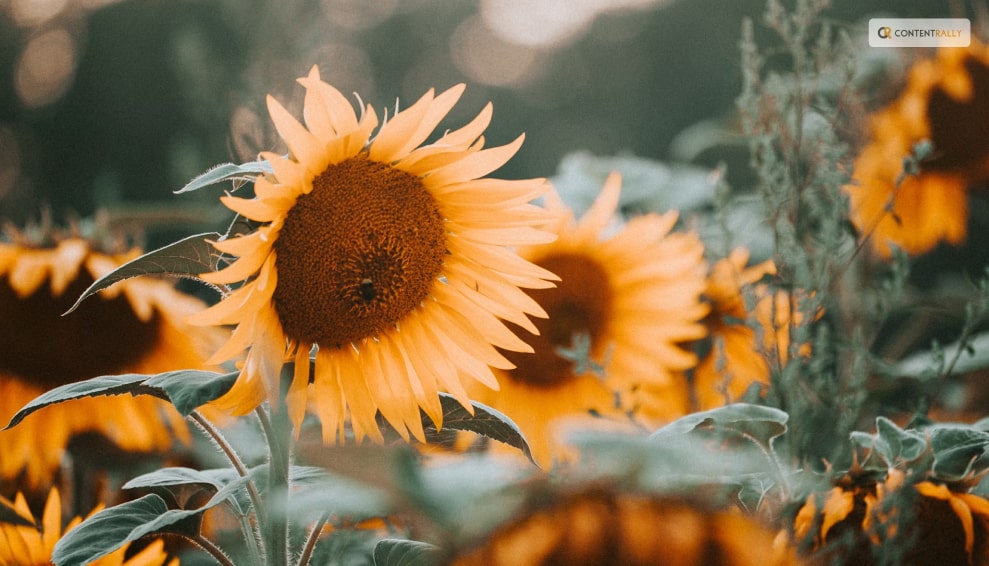
How to Grow Sunflower Seeds_ A Simple and Rewarding Gardening Project

Sunflowers are one of the most iconic and cheerful flowers in the world. They are also one of the easiest and most rewarding plants to grow from seeds.

Sunflowers can brighten up your garden, attract pollinators, provide shade, and produce edible seeds that you can harvest and enjoy. 

In this part of the article, I will show you how to grow sunflower seeds in a few simple steps, as well as some tips and tricks to make the most of your sunflower growing experience.

How to Choose Sunflower Seeds?
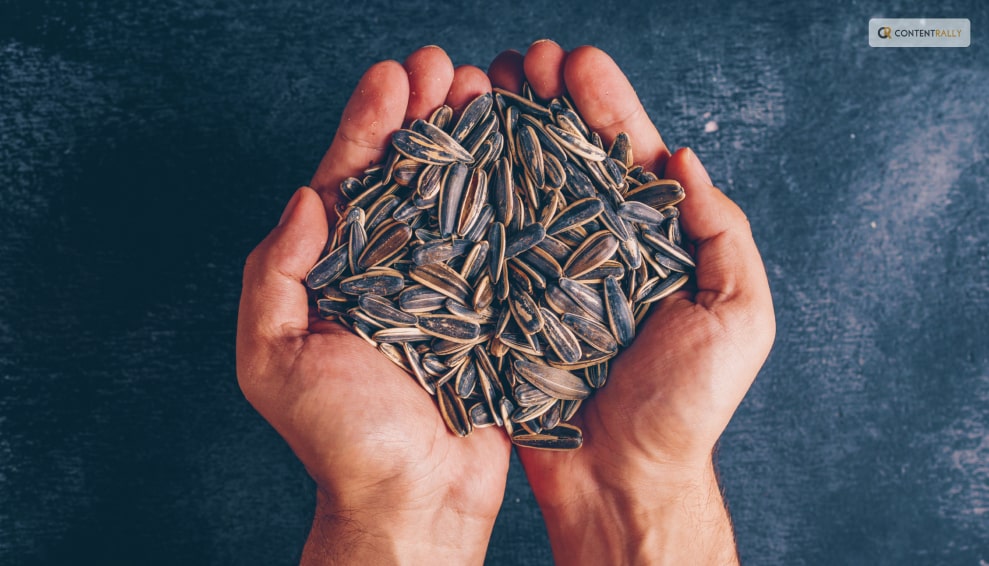
How to Choose Sunflower Seeds?

The first step to growing sunflower seeds is to choose the right seeds for your garden. Sunflowers come in a wide range of sizes, colors, shapes, and types. Some of the most common types of sunflowers are: 

Giant sunflowers

These are the tallest and largest sunflowers, reaching up to 15 feet in height and 12 inches in diameter. They produce huge and heavy flower heads that are filled with large and plump seeds. They are ideal for creating a dramatic and impressive display in your garden, as well as for harvesting large quantities of seeds. Some examples of giant sunflowers are Mammoth, Titan, and Kong.

Dwarf sunflowers

These are the smallest and shortest sunflowers, growing up to 3 feet in height and 6 inches in diameter. They produce smaller and lighter flower heads that are easier to manage and maintain. They are ideal for growing in containers, pots, or small spaces, as well as for adding a splash of color and charm to your garden. Some examples of dwarf sunflowers are Teddy Bear, Sunny Smile, and Little Becka.

Colored sunflowers

These are the most diverse and colorful sunflowers, ranging from yellow, orange, red, pink, purple, brown, and even green. They produce medium-sized flower heads that are attractive and eye-catching. They are ideal for creating a vibrant and varied display in your garden, as well as for cutting and arranging in bouquets or vases. Some examples of colored sunflowers are Autumn Beauty, Moulin Rouge, and Lemon Queen. 

Things to Consider While Choosing Sunflower Seed
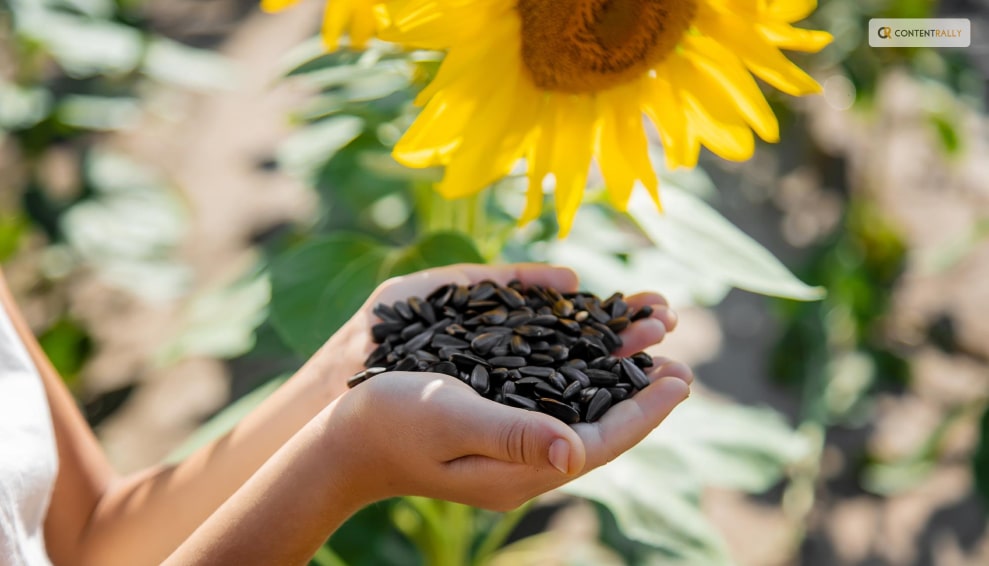
Things to Consider While Choosing Sunflower Seed

When choosing sunflower seeds, there are several things that you need to keep in mind. For instance, you should also consider the following factors:

Climate and season of your area

Sunflowers are warm-season plants that need full sun and warm temperatures to grow and bloom. They are best planted in late spring or early summer, after the last frost, when the soil is warm and moist. If you live in a cold or frost-prone area, you can start your seeds indoors and transplant them outdoors when the weather is favorable.

Soil and water conditions of your garden

Sunflowers are adaptable and tolerant plants that can grow in most types of soil, as long as they are well-drained and fertile. They prefer slightly acidic to neutral soil with a pH of 6.0 to 7.5. They also need regular watering, especially during the germination and flowering stages. However, they can withstand some drought and dryness once they are established.

Space and support available in your garden

Sunflowers are large and sturdy plants that need ample space and support to grow and thrive. They should be planted at least 2 to 3 feet apart from each other and from other plants, to avoid overcrowding and competition. They should also be staked or tied to a fence, a trellis, or a pole, to prevent them from bending or breaking under their own weight. 

How to Plant Sunflower Seeds?
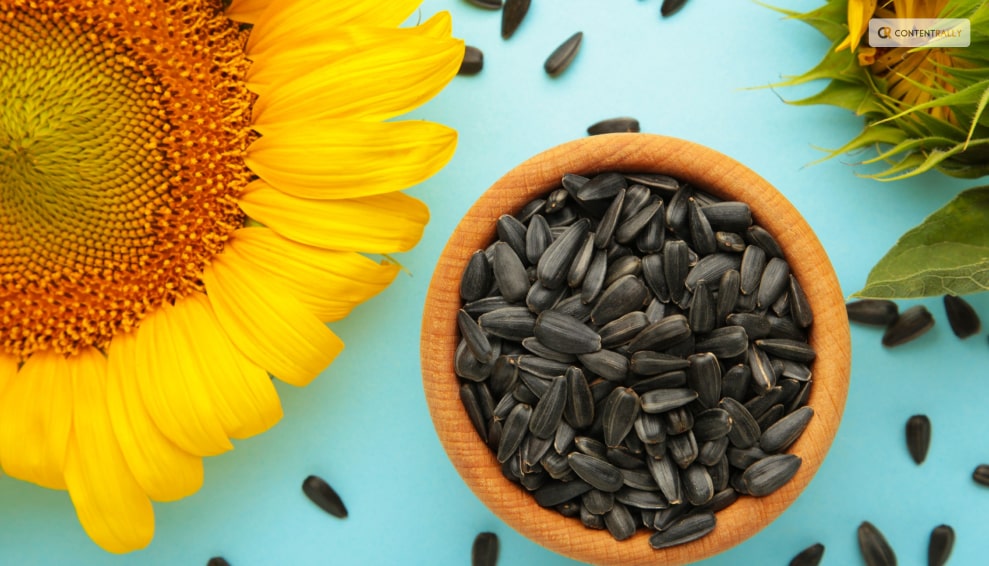
How to Plant Sunflower Seeds?

Once you have chosen your sunflower seeds, you can proceed to the next step. Planting sunflower seeds is a simple process that involves preparing, sowing, and caring for the seeds. Here is how to do it:

Prepare the Soil

Prepare the soil by loosening it with a fork or a spade. Ensure that you remove debris, weeds, or rocks. You can also enrich your soil by adding some compost, manure, or fertilizer, to boost its fertility and drainage. Make sure the soil is moist but not soggy, and has a temperature of at least 50°F.

Sow the Seeds

Sow the seeds by making holes or furrows in the soil, about 1 to 2 inches deep and 2 to 3 feet apart. You can use a ruler, a stick, or your finger to make the holes or furrows. Drop one or two seeds in each hole or furrow, and cover them lightly with soil. You can also sprinkle some water over the seeds to help them settle in the soil.

Nurture

Care for the seeds by watering them regularly, but not excessively, to keep the soil moist but not wet. You can also mulch the soil with straw, grass clippings, or leaves, to retain moisture and prevent weeds. You should also protect the seeds from birds, squirrels, or other animals, by covering them with a net, a cage, or a cloche. You should also thin the seedlings when they are about 4 to 6 inches tall, by removing the weaker or smaller ones, and leaving only the strongest and healthiest ones. 

How to Grow Sunflower Seeds? 

How to Grow Sunflower Seeds? 

After planting your sunflower seeds, you can watch them grow and enjoy their beauty and bounty. Growing sunflower seeds is a rewarding and satisfying experience that requires minimal maintenance and care. Here are some tips and tricks to grow sunflower seeds successfully:

Water

Water your sunflowers regularly, but not excessively, to keep the soil moist but not wet. Sunflowers need about 1 to 2 inches of water per week, depending on the weather and the soil conditions. You can use a hose, a sprinkler, or a drip irrigation system to water your sunflowers. You should water them in the morning or evening, and avoid wetting the leaves or the flower heads, to prevent fungal diseases.

Fertilizer

Fertilize your sunflowers occasionally, but not excessively, to boost their growth and flowering. Sunflowers need a balanced fertilizer that contains nitrogen, phosphorus, and potassium, such as a 10-10-10 or a 20-20-20 formula. You can apply the fertilizer once or twice during the growing season, following the instructions on the label. You should avoid over-fertilizing your sunflowers, as this can cause them to grow too tall and weak, and make them prone to pests and diseases.

Pruning

Prune your sunflowers occasionally, but not excessively, to improve their shape and health. Sunflowers do not need much pruning, as they are naturally self-pruning and self-cleaning. However, you can prune them to remove any dead, damaged, or diseased leaves, stems, or flowers, to prevent infection and improve air circulation. You can also prune them to control their height and spread, by pinching or cutting off the tips of the main stem or the side branches.

You should use clean and sharp scissors or pruners to prune your sunflowers and do it in the morning or evening when the plants are less stressed.

When to Harvest Sunflower Seeds?
When to Harvest Sunflower Seeds?

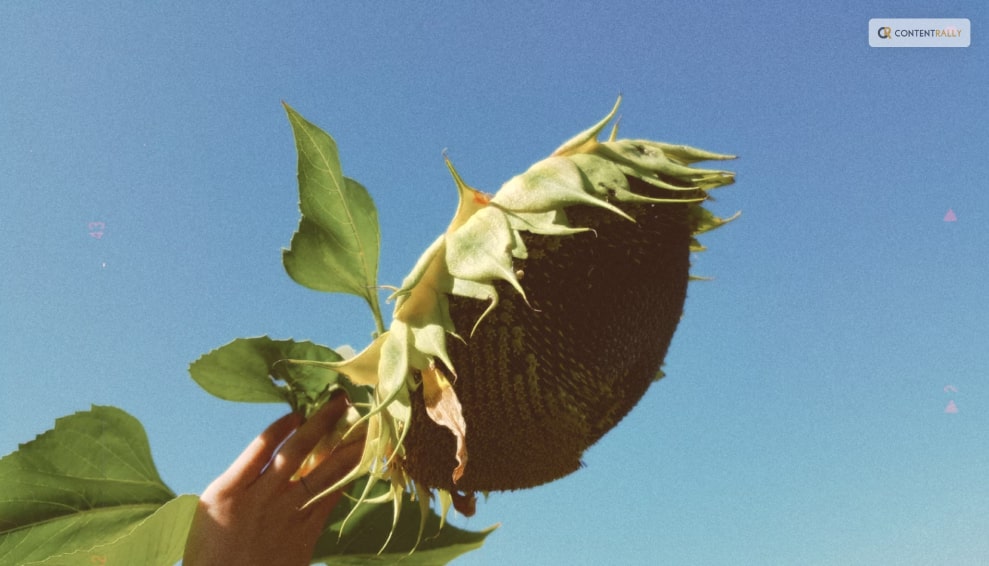
The first step to harvesting sunflower seeds is to know when they are ready. Sunflowers typically bloom in the summer and their seeds mature in late summer or early fall. You can tell when your sunflowers are ready to harvest by looking at their appearance and feel. Here are some signs that your sunflowers are ready to harvest:

  • Petals have fallen off or turned brown.
  • The back of the flower head has turned yellow or brown.
  • Seeds have developed black and white stripes.
  • The seeds are plump and firm to the touch.

If you are not sure if your sunflowers are ready to harvest, you can do a simple test by rubbing your thumb over the seeds. If they come off easily, they are ready to harvest. If they are still attached to the flower head, they need more time to ripen.

How to Harvest Sunflower Seeds?
How to Harvest Sunflower Seeds?

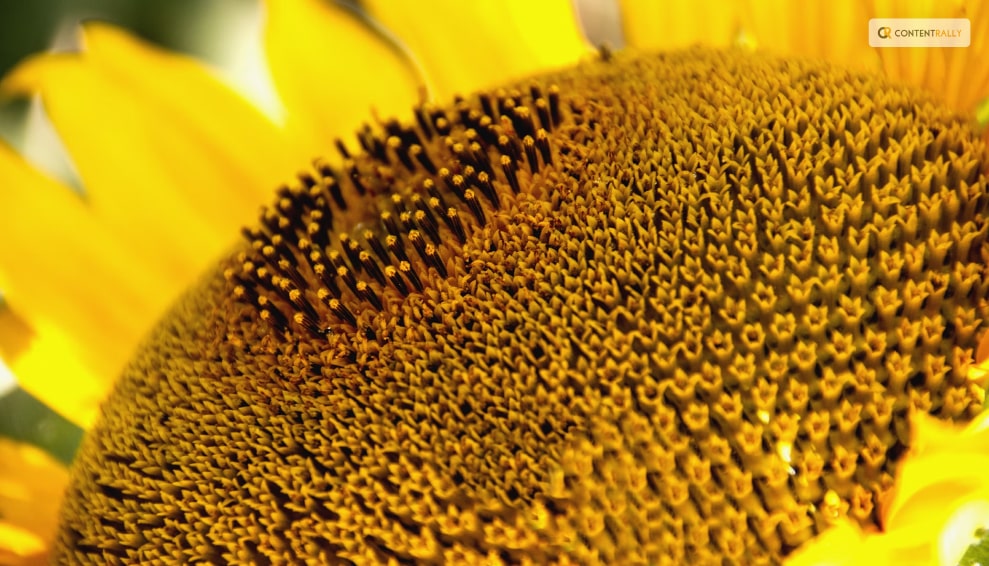
Once you have determined that your sunflowers are ready to harvest, you can proceed to the next step. Harvesting sunflower seeds is a simple process that involves cutting, drying, and storing the seeds. Here is how to do it:

  • Cut the flower heads from the stems using a sharp knife or scissors. Leave about 12 inches of stem attached to the flower head for easier handling.
  • Place the flower heads in a dry and well-ventilated area, such as a garage, shed, or porch. You can hang them upside down or lay them flat on a screen or rack. Make sure they are not touching each other to prevent mold and rot.
  • Let the flower heads dry for about two weeks or until the seeds are completely dry and hard. You can check the dryness by biting or cracking a seed. If it is crunchy and not moist, it is dry enough.
  • Remove the seeds from the flower heads by rubbing them gently with your hands or a soft brush. You can also use a fork or a spoon to scrape them off. Discard any debris, such as petals, leaves, or insects.
  • Store the seeds in an airtight container, such as a glass jar, a plastic bag, or a metal tin. Label the container with the date and the variety of sunflower. Keep the container in a cool and dark place, such as a pantry, a cupboard, or a basement.

How to Enjoy Sunflower Seeds?
How to Enjoy Sunflower Seeds?

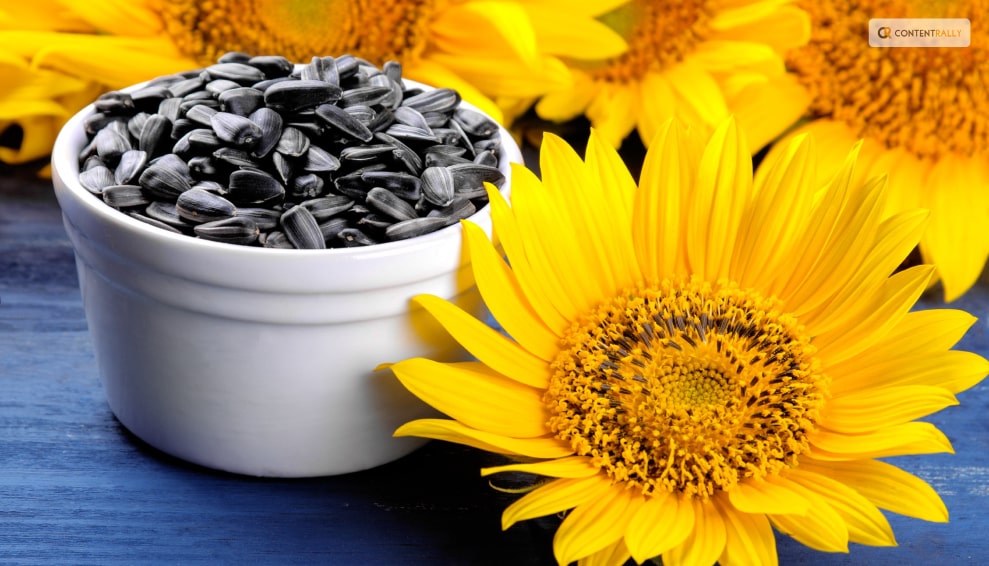
Now that you have harvested your sunflower seeds, you can enjoy them in various ways. You can eat them raw or roasted, salted or unsalted, shelled or unshelled. You can also use them in salads, soups, breads, muffins, granola, trail mix, pesto, butter, and more.

Sunflower seeds are rich in protein, fiber, healthy fats, vitamins, minerals, and antioxidants. They can help manage high cholesterol, blood pressure, and inflammation and boost your immune system, brain function, and mood. Here are some tips and tricks to enjoy your sunflower seeds:

Roast

To roast your sunflower seeds, spread them in a single layer on a baking sheet and bake them in a preheated oven at 300°F for about 15 to 20 minutes, stirring occasionally, until golden and crisp. You can season them with salt, pepper, garlic, onion, paprika, cumin, or any other spices you like. 

Shell

To shell your sunflower seeds, you can use your teeth, your fingers, or a nutcracker. You can also soak them in water for a few hours to make them easier to shell. To remove the shells, you can blow them away with a fan, a hair dryer, or your mouth, or you can shake them in a colander or a sieve.

Sunflower Seed Butter

To make sunflower seed butter, you need to blend the shelled and roasted sunflower seeds in a blender until it turns smooth and creamy. You can add a little oil, honey, salt, or vanilla to enhance the flavor and texture. You can use sunflower seed butter as a spread for toast, crackers, or fruit, or as a dip for pretzels, celery, or carrots.

Pesto

To make sunflower seed pesto, blend roasted and shelled sunflower seeds with fresh basil, garlic, olive oil, lemon juice, salt, and pepper in a food processor or a blender until smooth and thick. You can use sunflower seed pesto as a sauce for pasta, pizza, or sandwiches, or as a dressing for salads or roasted vegetables.

Wrapping It Up!

Harvesting sunflower seeds is a fun and easy activity that you can do with your whole family. It is also a great way to enjoy the beauty and bounty of nature, as well as the health benefits of sunflower seeds. By following the steps and tips in this article, you know how to harvest sunflower seeds in a few simple steps, as well as enjoy them in various ways. I hope you found this article helpful and informative.

If there are any other queries related to the same, please feel free to let me know. All that yo need to do is scroll down till you reach the bottom of the page. Then leave your comments and suggestions in the box below. And I will be ether to answer them all for you! 

Learn More About:
Ankita Tripathy loves to write about food and the Hallyu Wave in particular. During her free time, she enjoys looking at the sky or reading books while sipping a cup of hot coffee. Her favourite niches are food, music, lifestyle, travel, and Korean Pop music and drama.

View all posts

Leave a Reply

Your email address will not be published. Required fields are marked *

Related

Wholesale Kitchen Cabinets

How to Find the Best Wholesale Kitchen Cabinets

Living with lots of bills and an average income means having to economize wherever you can. Prices seem to go up faster than seasons change, and adopting some savvy skills is sure to lighten your load. Installing new kitchen cabinets can easily be the most significant expense when redoing a kitchen, so we've assembled some top tips for saving money the next time you reach for the plastic. How to Find the Best Wholesale Kitchen Cabinets: 1. Shop Around: Don’t always buy the first thing you see. If you’re in the market for new kitchen cabinets to impress guests at your next dinner party, compare prices wherever possible. You’d be surprised at the options that are available from online retailers. You could easily save a pretty penny by shopping online. 2. Discount Is Your Friend: Black Friday sales and wholesale discounts are wonderful ways to take advantage of good deals by planning well ahead. Things like wholesale kitchen cabinets can be a cost-effective way of changing the entire dynamic of an existing kitchen. Every cent adds up and saving a little bit here and there could yield a handsome saving at the end of the day. Many retailers also offer a friendly reward system that allows customers to accumulate credit for later use. 3. Type: There is an assortment of different kitchen cabinets available for sale. Some have tekta glass doors, some have doors that are patterned, and some have no doors at all. Keep in mind what type of image you are trying to end up with and remember that different styles will vary in price. The door-less variety of wholesale kitchen cabinets are usually more cost-effective and can have the effect of making the kitchen appear more spacious, but generally suit only the most organized among us. 4. Functionality: Consider why it is that you are getting your cabinets in the first place. Do you need more storage area or are you looking to install cabinets to fill vacant space? Sometimes less is more, and cabinets should always compliment the rest of a kitchen. The cost of functionality also cannot be overstated. Anything can be functional on any budget with proper planning. 5. Appearance: While it's easy to feel uninspired when you've been looking at the same kitchen year after year, making some changes here and there could make space feel brand new. Old worn cabinets can be replaced at competitive prices or revitalized with a paint job, and sticking to one color saves on paint and makes for cheaper maintenance in the long-term. Keep in mind the fact that your kitchen tells a story, and all the separate parts of your kitchen should be harmonious. People tend to make big life changes reluctantly, but when those changes are budget-friendly and add value to your life, there's no need to remain stagnant. Online retailers like Wholesale kitchen Cabinets make the job that much easier for shoppers to make thrifty decisions, so taking the plunge and making steps towards your dream has never been easier. Read Also: 4 Tips For A Successful Home Renovation Top 4 Must-Have Appliances In Every Kitchen 7 Unique Kitchen Design Ideas That Your Family Will Enjoy

READ MOREDetails
Biophilic Home Design

Exploring Ideas For A Biophilic Home Design

Biophilic design has become a popular global interior design trend. Pinterest Business reported a 100% increase in searches for "biophilic design bedroom" between 2019 and 2021.  This design approach is rooted in biophilia, humans' innate affinity with the natural world.  Moreover, it has practical applications in design. Research indicates that it can positively affect productivity and well-being.  For instance, a study showed that people spent 11% more time in biophilic-inspired hotel lobbies.  Similarly, schools in Washington State saw a 5% increase in student test scores and a 15% reduction in absenteeism with a biophilic design approach. Let us explore what interior designers suggest for a biophilic home and ideas that you must explore! Understanding Biophilic Home Designs The modern world of technology has taken a new direction towards nature. Robotics, AI, and the Internet of Things (IOT) have caused urban architects to incorporate biophilic designs.  These designs involve greenery and natural elements. It helps to improve air quality, airflow, circadian rhythm, heart rate, and human health.  Biophilic designs stimulate visual connection and enhance the multi-sensory experience using indoor plants and natural patterns.  Stephen Kellert and Edward O. Wilson, who founded biophilic designs, have made nature feel more accessible at home. He incorporates plants, sunlight, natural materials, and fresh air. How To Make Your Home Biophilic? Given below are the different aspects that you can add to your home for a biophilic design— Add Plenty Of Greens Integrating plants into your interior design can create a natural and inviting ambiance. Adding greens helps enhance the aesthetic aspects of a biophilic home, ensuring a calming environment. Moreover, indoor plants help purify the air inside your home. However, this does not necessarily mean you must go overboard and transform your home into a tropical paradise.  You can opt for potted plants, hanging baskets, or even a simple vase with fresh-cut flowers. Match your live elements with the color scheme of your decor. Most home designing experts advise you to get more succulents for your home. These plants require less watering but look amazing in every setting. Alternatively, nature-inspired artwork, botanical prints, or murals can bring the outdoors in.  The idea is to create a synergy between the artificial environment and the natural world. This home design can positively impact your mood, health, and well-being.  Therefore, incorporating natural elements into your interior design can create a more harmonious and balanced living. This biophilic element can be functional and beautiful at the same time. Enable Natural Lighting Incorporating natural light into interior spaces has numerous benefits.  Biophilic design emphasizes the connection between humans and nature. Therefore, it prioritizes light and space to create a healthier, harmonizing, and more comfortable environment.  Biophilic home designs use different components of warmth and sunlight. Natural light can blend the boundaries between the interior and exterior of a space.  For instance, large windows and skylights can allow sunlight to stream in, making a space more open and inviting. Additionally, glass roofs and walls allow you to save electricity with natural lighting during the daytime.  If you can reduce your exposure to artificial lighting, you say goodbye to stress and fatigue. It helps invigorate the body and mind.  Therefore, we can design spaces incorporating biophilic principles to improve our well-being and strengthen our connection to nature. It creates spaces that promote well-being and encourage a greater appreciation for the natural world. Use Organic Decor Items Biophilic design is a concept that aims to connect people with nature by incorporating natural elements into the built environment.  To create a peaceful atmosphere and promote a sense of well-being in your home, incorporate natural materials like leather, wood, and stone for your decor items. This brings a natural touch to the textures, colors, and forms around your home.  Furthermore, using subdued and organic color schemes can also help to enhance the calming and stress-reducing properties of biophilic design. Handcraft your decor with jute ropes,  Therefore, you can create an affordable and easy-to-maintain space with these decor items. That is aesthetically pleasing and enhances your physical and mental health. Maintain The Patio Biophilia is an evolutionary concept that suggests humans have an innate affinity for nature. This idea is gaining traction in outdoor architecture and design as well. Biophilic design is a concept that aims to create a connection with nature and its resources. To achieve this in your outdoor space, you can incorporate some major additions like the following: Eco-friendly composite decking. Vertical gardens. Green screens in small spaces.  Native plants can help support wildlife and blur the boundaries between the territory and nature. Therefore, it is essential to consider factors such as sunlight exposure and irrigation when selecting plant species for your patio.  Furthermore, incorporating water elements like fountains or cascades can help create a tranquil atmosphere.  It is also important to choose outdoor furniture inspired by nature instead of plastic. Install fire pits made of natural materials like stone or metal. This can help create a comfortable and inviting outdoor biophilic space.  Let The Air Flow Achieving a biophilic home design involves paying attention to the air circulation within each room.  You can start by determining the direction of the wind around your home. Next, open your windows accordingly to facilitate the flow of fresh air.  Additionally, you can enhance the airflow in your home by ensuring that your rooms are spacious and free of clutter.  Consider using furniture that provides ample storage space to keep your rooms organized and uncluttered. This allows the air to circulate freely throughout your home.  By creating a well-ventilated and spacious environment, you can enhance the biophilic design of your home. Therefore, bring nature indoors and improve your overall well-being. Add Water Features Adding water features like cascades, fountains, or reflecting pools to your outdoor space can incorporate a biophilic design. It helps create a serene atmosphere.  The sound and sight of water can instantly transport you to nature and induce a feeling of tranquility and relaxation. You can go for a small pond or stream in your backyard if you have a generous budget. This addition can create a more natural and immersive experience.  However, a small water fountain in your garden, patio, or deck can do the trick if you prefer a simpler option.  It's a quick and easy way to add elegance and calmness to your outdoor space! Wrap It Up With A Fire Pit Adding a fire pit to your outdoor space can significantly impact its ambiance and appeal.  By creating a warm and inviting atmosphere, fire pits can make your outdoor area a more comfortable and enjoyable place to spend time.  Furthermore, fire is a natural element that can uniquely evoke feelings of tranquility and connection with nature.  Therefore, incorporating a fire pit into your outdoor design can help create a biophilic environment that promotes relaxation and well-being. Read Also: Enhancing Spaces With Greenery: The Art Of Plant Styling In Interior Design 6 Interior Design Tips to Make Your House a Home Top 5 Interior Designers from Singapore

READ MOREDetails
Car Donation

Turn The Tables For Helpless Children With Car Donation In New Jersey

with a car donation in New Jersey, one can turn the tables of life for many underprivileged children. It just needs a noble gesture to give up a used car. It is one thing to grow up with a belief, and a different thing altogether to use that and follow the same in real life. That charity begins at home and we should help those in need are lessons that we receive in the very early stages of our life. And just as we grow old, we tend to forget all those lessons mainly because we either get too busy with our lives or we don’t come across too many opportunities to practice what we have been preached. But, think about this. Will you make the best of the opportunity if you got one in life? Will you be a part of a charity that can change the world of underprivileged children? And will you donate to a good cause if you could? If all the answers are in the affirmative, then there is an opportunity for you to explore. But there is a clause. You have to be the owner of a car. No, not necessarily a luxury vehicle or an SUV. It can just be anything. A station wagon, a hatchback, a Sedan- anything will do. This is because the donation that you will make will not be in cash. It will be a car donation in New Jersey to a non-profitable organization. Why The Need To Own a Car? You just got the answer. It will be a different kind of charity. You will be giving your vehicle up to a car donation foundation New Jersey that works for the betterment of helpless children. The organizations do not accept any monetary donations. What they ask instead is to give the cars up. Definitely, they won’t ask the vehicle owners to give up a car that works or which they do not plan to sell. But families in New Jersey do have more than one vehicle in the family and both usually are not always in the best of condition. So, if you are thinking of replacing the old car or just sell it away and utilize the money for a new car, then you need to sit back and think. You can always afford a new car, but if you do not sell the old car and donate it instead, then you will be doing a huge favor to many underprivileged children. Also, selling an old car will invite hassle which you will not want to take. Donating it will be easier and good deed always comes back to the doer. When you donate your car in New Jersey, be prepared to get some nice return too. Is There Any Surprise For The Car Donor? Charities usually do not bring back returns. That is why they are called donations and the donor should just give something with the intention of giving and not thinking that they will get back something in return. But, when you donate your car in New Jersey to organizations that work for the betterment of needy children and are recognized by the IRS, you are actually signing up for a little surprise reward. All donations that go to IRS recognized organizations make the vehicle donor eligible for tax deductions. They can rightfully claim the deductions and when the donation is finalized, they will get all the papers required to document the donation. The entire car donation process is hassle-free so there are no nasty surprises waiting for the donors at the end. How Does The Car Donation in New Jersey Take Place? The entire process of car donation is simple. Those who are interested to donate their car, can get in touch with the organizations directly either through the website and fill up the online form or they can also put across a call and talk to one of the representatives who are friendly and courteous enough to guide them. Once the decision is made to donate the car, they will fix up a date, time and place convenient to the donor and send over the tow truck to receive the donated vehicle. No payment is asked from the car donor for towing. What Happens To My Donated Vehicle? A cause of concern definitely for the car donor as to what purpose the donated vehicle has been put to. But don’t think too much. When a vehicle is donated to an IRS recognized organization, it goes to the right place. The car is auctioned off and the money that comes from it is used to fund various service programs for the benefit of the underprivileged children. With that money, these children can go to school, enjoy a hot meal or visit summer camps. They can practically do anything that they had only dreamt of doing their entire life. Read More: Invest In A New Car, Without A Financial Liability 5 Ways To Avoid The Rip Off While Buying A Used Car

READ MOREDetails