











How TO Harvest Lemongrass: Tips AND Tricks FOR Growing AND Using This Versatile Herb 

Published on: 11 March 2024 Last Updated on: 12 September 2024
how to harvest lemongrass

Lemongrass is a tropical herb that has a fresh and citrusy flavor and aroma. It is one of the most essential herb that is people widely use in Asian cuisines. They especially use it in Vietnamese, Thai, and Indonesian dishes. It is also a popular ingredient in teas, soups, curries, salads, and marinades. Lemongrass has many health benefits, such as improving digestion, boosting immunity, reducing inflammation, and relieving stress.

But did you know that you can grow and harvest your own lemongrass at home? Yes, you can! Lemongrass is easy to grow and maintain, and can thrive in pots, containers, or gardens. You can enjoy fresh and organic lemongrass all year round, and save money and time from buying it at the store.

In this article, I will show you how to harvest lemongrass, and share some tips and tricks for growing and using this versatile herb. By the end of this article, you will have a better understanding of how to harvest lemongrass, and how to make the most of this wonderful herb.

So, if that is something that you want to know, I have you covered! Keep on reading this blog till the end to learn more…

How to Grow Lemongrass?
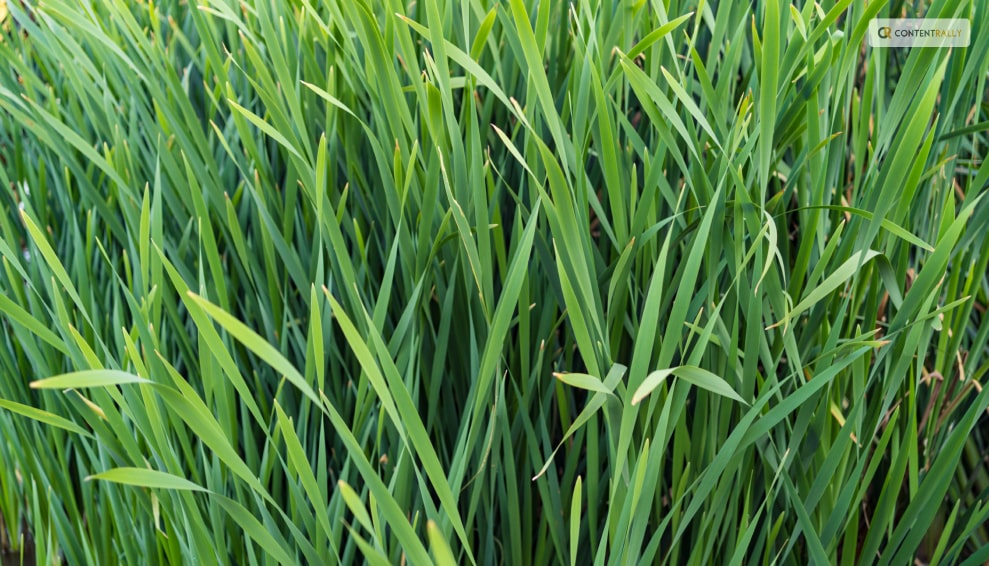
How to Grow Lemongrass?

Lemongrass is a wonderful herb that can add a refreshing and citrusy flavor to your dishes, drinks, and teas.

It is also a beautiful ornamental plant that can brighten up your garden with its tall, graceful stalks and fragrant leaves. Lemongrass is native to tropical regions, but you can grow it in cooler climates as well with some care and preparation.

Here are the steps and conditions for growing lemongrass successfully at home:

1. Choose a healthy lemongrass plant or stalk

You can buy a potted lemongrass plant from a nursery or garden center, or you can start your own from a fresh lemongrass stalk that you can find in most grocery stores or Asian markets. Look for a stalk that is firm, green, and has some roots at the base. Avoid any that are dry, brown, or moldy.

2. Prepare a sunny and warm spot for your lemongrass

Lemongrass loves full sun and heat, so choose a location that gets at least six hours of direct sunlight per day. If you live in a colder region, you can grow lemongrass in a container that you can move indoors during the winter.

Use a large pot with drainage holes and fill it with rich, loamy soil that is high in organic matter. You can also add some compost, manure, or leaf mold to improve the soil quality and fertility.

3. Plant your lemongrass in the soil

If you bought a potted plant, simply transplant it to the ground or a larger container, making sure to bury the roots well and leave some space between the stalks.

If you are starting from a stalk, peel off any dead or yellow leaves and trim the top part to about six inches.

Place the stalk in a glass of water and keep it in a sunny windowsill until roots start to grow, which can take a few weeks.

Then, plant the rooted stalk in the soil, leaving about two inches of the stem above the ground. Space the plants about two feet apart to allow them to spread

4. Water and fertilize your lemongrass regularly

Lemongrass needs moist soil to thrive, so water it frequently and deeply, especially during hot and dry periods.

A good rule of thumb is to water it once a week or whenever the top inch of the soil feels dry. You can also apply a layer of mulch around the plants to conserve moisture and prevent weeds.

Lemongrass also benefits from a monthly dose of liquid organic fertilizer during the growing season, such as fish emulsion or seaweed extract. This will help it grow faster and produce more leaves and stalks.

5. Harvest and enjoy your lemongrass

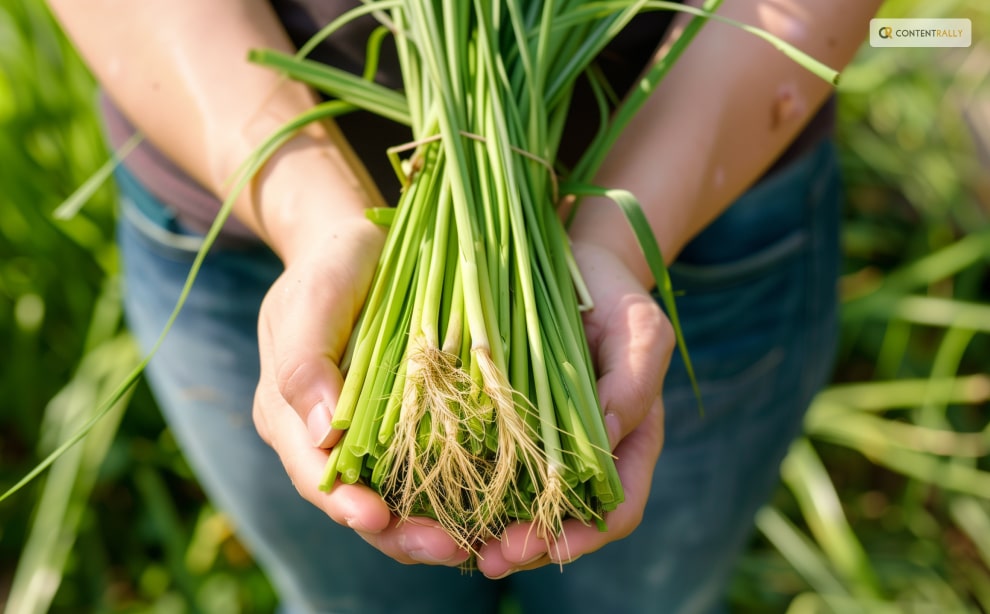
You can start harvesting your lemongrass when the stalks are about a foot tall and half an inch thick. Cut the stalks at the base with a sharp knife or scissors, leaving about two inches of the stem in the ground.

Additionally, you can use the whole stalk, or peel off the outer layers and use only the tender inner part. You can also harvest the leaves and use them fresh or dried for teas and infusions.

Lemongrass can be stored in the refrigerator for up to two weeks, or in the freezer for up to six months. You can also dry it and store it in an airtight container for later use.

How to Harvest Lemongrass?
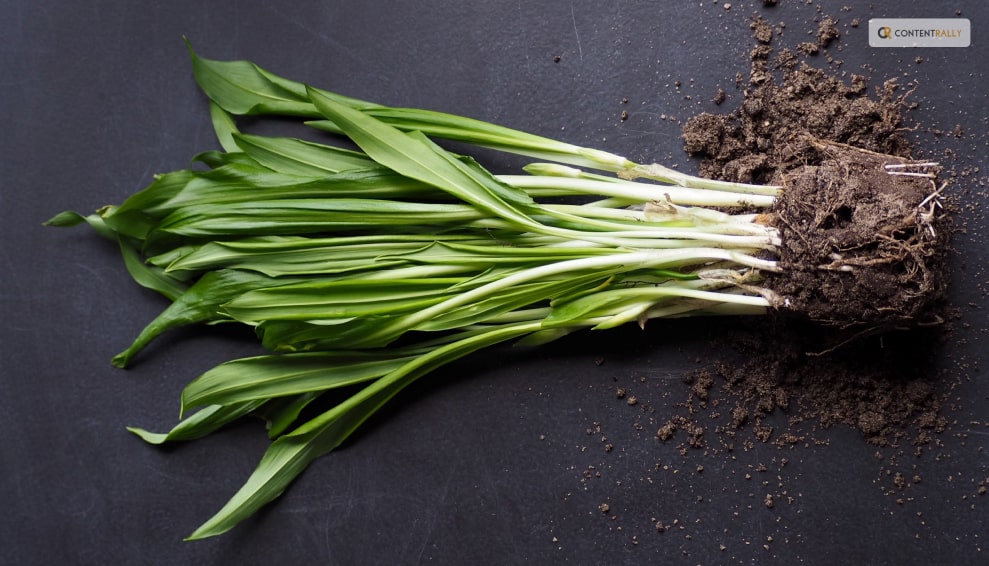
How to Harvest Lemongrass?

Harvesting lemongrass is a simple and satisfying process that can be done in a few steps. Here are the basics of how to harvest lemongrass:

Choose the right time 

The best time to harvest lemongrass is when the stalks are about 12 inches tall and 0.5 inches thick. This usually happens after 3 to 4 months of planting. You can harvest lemongrass throughout the year, as long as the temperature is above 40°F. You can also harvest lemongrass in batches, leaving some stalks to grow and regenerate.

Cut the stalks

To harvest lemongrass, you need a sharp knife or scissors, and a clean cutting board. Cut the stalks at the base, as close to the soil as possible. You can cut as many stalks as you need, or as many as you can use within a week. You can also trim off the leaves, as they are not edible and can be used for other purposes.

Wash and store the stalks

After cutting the stalks, wash them under running water, and pat them dry with a paper towel. You can store the stalks in the refrigerator, wrapped in a damp paper towel, and placed in a plastic bag. They can last for up to a week. You can also freeze the stalks, chopped or whole, in a freezer bag. They can last for up to 6 months.

Dividing Lemongrass: What is It and How to Do It?
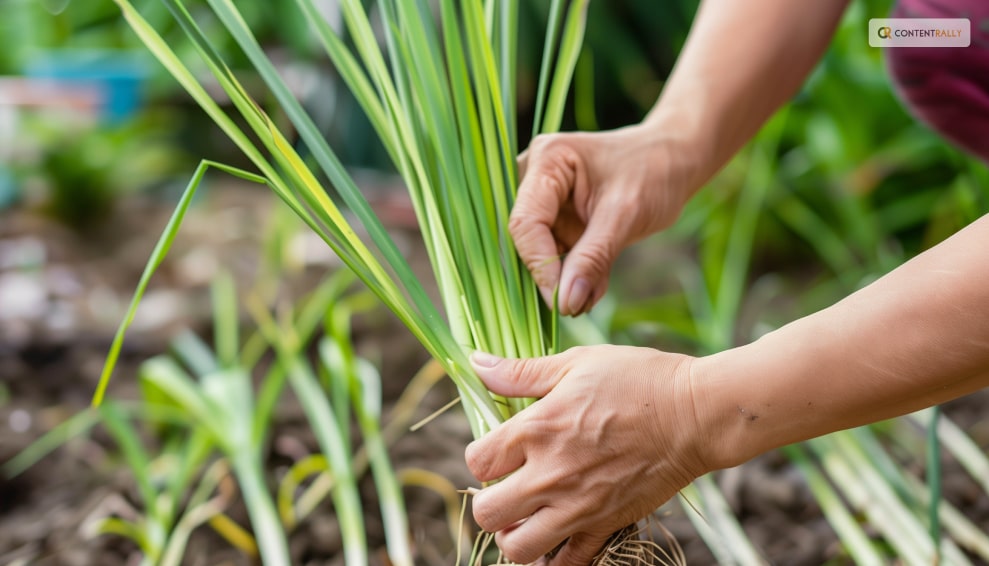
Dividing Lemongrass: What Is It And How To Do It?

Dividing lemongrass is a great way to propagate and maintain this aromatic and flavorful herb. Lemongrass is a perennial plant that grows in clumps of stalks and leaves.

Over time, these clumps can become crowded, woody, and less productive. By dividing lemongrass, you can rejuvenate the plant, increase its yield, and share it with others.

Here are the steps and reasons for dividing lemongrass:

1. When to divide lemongrass?

The best time to divide lemongrass is in the spring, after the last frost date when the plant is actively growing and has new shoots.

You can also divide lemongrass in the fall if you live in a warm winter climate or if you plan to overwinter the divisions indoors.

Avoid dividing lemongrass in the summer, when the heat and drought can stress the plant and reduce its survival rate.

2. How to divide lemongrass?

To divide lemongrass, you must dig up the entire plant and separate it into smaller sections. You can use a shovel, a sharp knife, or your hands to do this.

Each section should have at least one inch of root and several healthy stalks and leaves attached.

You can trim the leaves to about six inches to reduce water loss and make the divisions easier to handle. Discard any old, brown, or damaged parts of the plant.

3. Where to plant lemongrass divisions?

You can plant lemongrass divisions in the same spot where you dug up the parent plant or in a new location with full sun, moist and well-drained soil, and plenty of organic matter.

You can also plant lemongrass divisions in containers at least 10 inches deep with drainage holes. Space the divisions about two feet apart to allow room for growth.

Plant the divisions at the same depth as they were before, with the crown just below the soil surface. 

4. How to care for lemongrass divisions?

Lemongrass divisions need regular water and fertilizer to establish and thrive. Water them deeply and frequently, especially during the first few weeks and during hot and dry periods.

You can also apply a layer of mulch around the plants to conserve moisture and prevent weeds. Fertilize the plants once a month with a liquid organic fertilizer, such as fish emulsion or seaweed extract, during the growing season.

Protect the plants from frost in the winter by moving them indoors or covering them with a frost cloth.

5. How to harvest and use lemongrass divisions?

You can start harvesting lemongrass divisions when they are about a foot tall and half an inch thick. Cut the stalks at the base with a sharp knife or scissors, leaving about two inches of the stem in the ground. You can use the whole stalk, peel off the outer layers, and use only the tender inner part.

Additionally, you can also harvest the leaves and use them fresh or dried for teas and infusions. Lemongrass can be stored in the refrigerator for up to two weeks or in the freezer for up to six months. You can also dry it and store it in an airtight container for later use.

How to Use Lemongrass in Food?
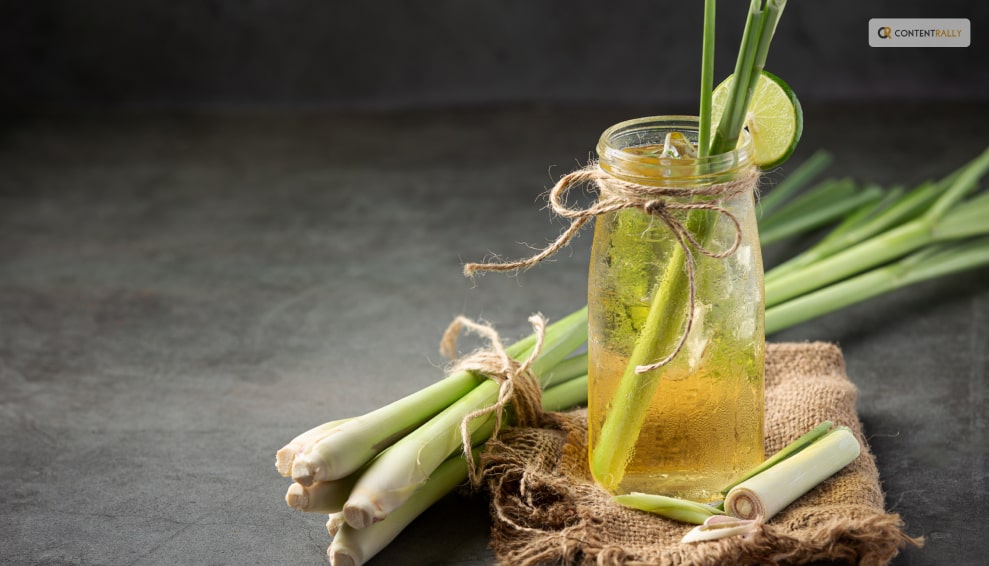
How to Use Lemongrass in Food?

Lemongrass has a long, green stalk with a bulbous base and grassy leaves. It has a lemony taste with a hint of mint and ginger. Lemongrass can be used fresh, dried, or powdered, depending on the recipe and preference. Here are some ways related to how to use lemongrass in different ways:

Fresh lemongrass

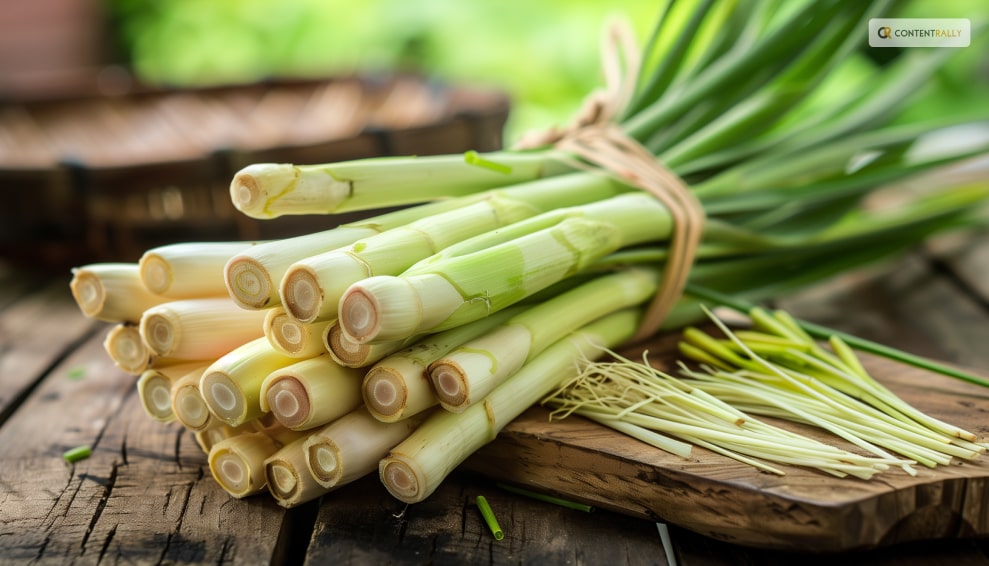
Firstly, fresh lemongrass is the most aromatic and versatile form of lemongrass. You can find it in the produce section of most supermarkets, Asian markets, or online.

To prepare fresh lemongrass, you need to peel off the tough outer layers and trim off the root end and the top third of the stalk. You can use a sharp knife or scissors to do this. The part that you want to use is the pale and tender lower part of the stalk.

After that, you can slice it thinly, chop it finely, or bruise it with a pestle or the back of a knife. Slicing or chopping is good for salads, stir-fries, curries, and marinades, while bruising is good for soups, stews, and broths.

You can also make a paste by pounding or blending lemongrass with other ingredients, such as garlic, ginger, chilies, and cilantro.

A paste is great for adding flavor to meats, seafood, tofu, and rice. You can store fresh lemongrass in the refrigerator for up to two weeks or in the freezer for up to six months.

Dried lemongrass

Secondly, dried lemongrass is less potent than fresh lemongrass but still has a nice, lemony flavor. You can buy it in whole or sliced form or dry your lemongrass by hanging the stalks in a warm and airy place until they are brittle.

Dried lemongrass is good for making teas, infusions, and herbal blends. You can also use it to flavor soups, stews, and broths, but you must soak it in hot water for about 20 minutes before adding it to the pot.

Additionally, you can store dried lemongrass in an airtight container in a cool, dark place for up to a year.

Powdered lemongrass

Lastly, powdered lemongrass is the most convenient form of lemongrass, as it does not require any preparation. You can buy it in spice shops, Asian markets, or online.

Powdered lemongrass has a mild and sweet flavor and can be used in baking, desserts, sauces, and dressings. You can also sprinkle it over salads, soups, and stir-fries for a touch of freshness.

The shelf life of powdered lemongrass is also great. For up to six months, you can store powdered lemongrass in an airtight container in a cool and dark place.

How to Use Lemongrass in Other Things?
How to Use Lemongrass in Other Things?

Apart from cooking, you can use lemongrass in many other ways. Some of the best and most popular uses of this herb are as follows:

Beautifying

You can use lemongrass to make your own beauty products, such as soap, lotion, or shampoo. You can infuse the stalks or the leaves with oil, such as coconut, olive, or almond oil.

Moreover, you can also add other ingredients, such as honey, aloe vera, or essential oils. You can use the products to cleanse, moisturize, or scent your skin and hair.

Healing

You can use lemongrass to treat various ailments, such as headaches, colds, or infections. You can inhale the steam from boiling the stalks or the leaves, or apply the oil to your temples, chest, or throat.

Additionally, you can also drink the tea, or gargle with the syrup. You can use the products to relieve pain, inflammation, or congestion.

Wrapping It Up!

If you want to know how to harvest lemongrass, I hope that this blog has been of help to you. If there are any other queries about the same, please feel free to let me know. All that you need to do is scroll down till you reach the bottom of the bottom of the page. Then leave your suggestions and comments in the box below. And I will be there to answer them all for you!

Learn More About:

Ankita Tripathy loves to write about food and the Hallyu Wave in particular. During her free time, she enjoys looking at the sky or reading books while sipping a cup of hot coffee. Her favourite niches are food, music, lifestyle, travel, and Korean Pop music and drama.

View all posts

Leave a Reply

Your email address will not be published. Required fields are marked *

Related

trailing plants

What Are Trailing Plants? – What Are The Types Of Trailing Plants?

According to many people, having a garden in your house is said to invoke a real sense of creativity. People say this because they seem to feel refreshed and creative if there is a lot of vegetation surrounding them. Also, many consider gardening to be an innovative form of expression. Therefore, which plant to have in your garden will decide its beauty in the eyes of the beholder. If you are new to gardening, then this article is for you. Here, you will learn about the various types of trailing plants and some of the best breeds of them. What Are Trailing Plants? Trailing plants are a unique breed of pretty long and slender plants. Their stems grow more extended, often taking up the length of the entire room vertically. These plants are generally kept in balconies and bigger rooms, like dining or living rooms. They are also typically placed in pots and then hung from the ceiling. These plants are often called creepers or climbers, or even spiky plants because they have slender stems mistaken for vines. These vines require support to grow. Therefore, they follow the surface of the roofs or the walls to propel themselves and grow in a specific direction. Types Of Trailing Plants There are two distinct types of trailing plants that can be categorized. They are, 1. Flowering Trailing Plants As the name suggests, flowering trailing plants are simply trailing plants that can produce flowers of their own. These often look great because when these trailing plants become bigger, they will make flowers all over their stems. The longer their vines have grown, the more flowers they will produce. 2. Non-Flowering Trailing Plants As the name suggests, non-flowering trailing plants are the direct opposite of flowering trailing plants. These foliage plants do not produce any flowers and are mostly greenish yellowish. These are the most common types of trailing plants that you get to see in people's houses Best Trailing Plants For Your Garden If you have finally decided to buy trailing plants, then here are seven of the breeds that we highly recommend you add to your balcony or garden. 1. Golden Pothos One of the most popular trailing plants in the market is scientifically known as Epipremnum Aureum. We recommend you start your trailing plants gardening journey with this newbie-friendly plant. Because setting up this plant to hang from the ceiling is the first thing you should learn - how to hang trailing plants. This plant is a low maintenance plant since it requires almost no cutting since you can leave it to hand and grow naturally in a basket from your ceiling. Read More: Grow these flowering plants in your home garden 2. Red Herringbone Scientifically known as the Maranta Leuconeura Erythroneura, this plant is one of the best trailing plants indoors. It has a trippy, attractive design on its leaves highlighted by its red color and unique look. The distinctive red patterns of the leaves of this plant have been compared to the mark of a herringbone. The unique aspect of big leaf plants is that they close up their leaves during the night, giving them the shape of a hand-folded prayer position. This is why many people call this plant the prayer plant. We recommend this plant for experienced gardeners since it needs high maintenance to grow safely. 3. Staghorn Fern Scientifically known as the Platycerium Bifurcatum, this plant has been called strange by many gardeners due to its leaves' odd, uneven shape. This trailing plant is best kept in a wooden basket with compost, and other organic matter buried deep in the compost. Again, we recommend this plant for experienced gardeners since it requires specific gardening skills to grow these tropical plants fully. Additionally, this plant is best kept in a humid place outside the range of direct sunlight. 4. String Of Pearls These types of trailing succulent plants are scientifically known as Senecio Rowleyanus. Its leaves are smaller than the other plants mentioned on this list, which look like tiny, green pearls. However, upon closer observation, you will notice that it looks like a green string is keeping the pearly leaves attached to the vine. This is why it is called a string of pearls, one of the most aesthetic plants. Sometimes, the top of the compost becomes very dry. This is an indicator that the plant needs watering. Generally, this plant likes to remain dry. But too dry will result in its untimely demise. Therefore, always keep a lookout for the dryness of the plant's compost. 5. Spider Plant As the name suggests, this trailing plant looks like a spider. Botanically named as the Chlorophytum Comosum, this easy to grow plant is another common tracking plant that you see in many households. Maintaining this plant is easy since all it needs is well-drained potting soil and exposure to bright, indirect sunlight. Just remember to water it frequently, and keep it as a bedroom plant. You May Also Like This: 4 Essential Tools Needed to Maintain Your Garden in the Winter 6. Creeping Jenny While the name might sound very creepy, its looks and beauty tell a different story. These bright fluorescent green trailing indoor plants are famous for their round leaves. Their vines also grow long, till about 18 inches in length. Unlike other trailing plants on this list, these plants can be placed on the soil and can also be hung from the ceiling in a pot or basket. 7. Million Bells Also known as the Calibrachoa, it is one of the most highly colorful and vibrant trailing plants ever to exist. This is because it is a flowering plant. But that is not its only specialty. Its uniqueness lies in the fact that its flowers can be of random colors, from red, blue, purple, to pink. This is perfect for you if you want trailing plants for hanging baskets. Frequently Asked Questions (FAQs): Q1. What Is The Best Trailing Plant? There are many great trailing plants like Million Bells, Golden Pothos, and Red Herringbone, to name a few. Q2. What Plants Are Trailing Plants? Trailing plants can be identified by their long vines that grow along the side of walls. Q3. What Are Trailing Plants Called? Trailing plants are also called spillers, creepers, and viners. Q4. What Is A Trailing Flowering Plant? Trailing plants that produce flowers are known as trailing flowering plants. Conclusion Trailing plants are one of the best choices for keeping plants in your home. These plants look great and unique. These plants look even better if you hang them from your ceiling in a basket or round vase. If you are a beginner at gardening, then we recommend growing plants like the Golden Pothos or the Spider Plant. And if you are an experienced grower, then we recommend plants like the Red Herringbone and the Million Bells. If you found out which trailing plants to buy, then check out our other articles as well! Read Also: How to Maintain Your Garden Railings? 5 Best Vegetables You Should Try Growing In Your Garden Looking for a Gardener: 8 Questions to Ask Before Hiring a Professional

READ MOREDetails
Home Maintenance

How To Approach Home Maintenance With A Focus On Well-Being

We all know, at least by intuition, that having our living spaces clean is important – and not just because of the visual appeal of it. Then, what are the main reasons why it’s so crucial for our lives? Sure, the look of a clean home, the convenience of finding things in their place, habits it helps us foster, and the sense of obligation – especially if you live with other people, all of them play their part. But, there’s something that really makes house cleaning vital: the link between it and our physical and mental well-being. So, what aspects of health are we talking about here, and how exactly does keeping your home in shape make a difference? According to Hire A Maid and their team of seasoned experts in house cleaning, there are a few main health-related considerations that connect to the state of our living spaces. We’ll discuss them below, and then explain how to approach home maintenance with a focus on well-being. What Are The Approaches Of Home Maintenance With A Focus On Well-Being There are a lot of approaches to home maintenance with a focus on well-being. In this case these approaches are quite suitable and feasible in terms of keeping your health nice and up to the mark. Below I am going to discuss the approaches of home maintenance with a focus on well-being.  1) Germs & Contaminants This one is pretty straightforward: cleaner space means fewer germs and other contaminants. Your goal shouldn’t be to live in a completely sterile bubble, it’s more the means to lower the chance of illness by keeping those pesky germs at bay, especially during flu season.  To that end, you should regularly wipe and disinfect surfaces throughout your home and give extra attention to the high-touch ones. It’s a tried and tested way to keep yourself and your family safe.  And don’t forget the kitchen and bathroom, where a combination of moisture and food particles creates ideal conditions for pathogens to thrive. To make sure all of these areas are regularly addressed, it’s best to craft a realistic cleaning routine – one that’s easy to stick to but still addresses all microbe-prone surfaces regularly.  2) Allergens & Air Quality Allergies are a common issue, one that many people unfortunately have to deal with even in the safety of their own homes. Allergy symptoms may be somewhat unpredictable, but luckily, it’s possible to lessen their grip on your day-to-day life. It’s quite simple really: regular cleaning reduces the amount of allergens the same way it reduces the number of germs.  Dust is a common culprit for triggering reactions, along with dust mites. And even if you and your family members don’t suffer from allergies, dust and dust mites can irritate almost anyone.  To reduce the amount of irritant particles and improve the quality of air in your home, focus on dusting regularly and efficiently, use a high-quality vacuum, and tackle upholstery, carpets, and bedding whenever possible. 3) Order & Stress Levels Aside from being an eyesore, clutter can crowd your mind as much as your space. The hassle of moving around through the mess, a decrease in productivity – these are just some of the ways in which clutter and neglected cleaning tasks can add to your stress levels.  Before you know it, it becomes a loop where the sight of the mess and the dread of having to address it feed into each other, making you feel increasingly overwhelmed.  Tackling clutter is about reclaiming peace as much as it’s about reclaiming your space. Start small – a drawer, a shelf, a corner, and work your way through the home. If possible, rely on others for help, whether it’s family members or hiring a cleaning professional. Once everything is in order, brainstorm ways to keep clutter from creeping back in. The ripple effects of a clean home on our well-being are extensive. Improved sleep, heightened concentration, and a general sense of wellbeing are all byproducts of a space that breathes cleanliness and order. Furthermore, the discipline and habits cultivated through regular home maintenance can translate into other areas of life, promoting a lifestyle that values mindfulness, health, and balance. What Are The Monthly Home Maintenance Checklists? While this is about a monthly home maintenance checklist, preserving the property’s condition is essential. Below, I am going to discuss the monthly home maintenance checklists.  1) Cleaning HVAC Filters  While this is about adequately installed HVAC filters, this will help you breathe easily in your home. This further ensures that your cooling and heating systems will also work efficiently.  2) Test Smoke Alarms  Always ensure that smoke detectors are functional in the home. This is a key feature for early detection in handling several other safety hazards. On the other hand, you must replace such batteries every six months to keep consistent and reliable operations.  3) Clearing Drains and Sinks  Always ensure that you are regularly clearing sinks and drains. These will prevent the inconvenience and chaos of several other clogs.  4) Examining Electrical Cords  Always examine several electrical cords. In this case, you must inspect the cables for frayed wires, or else you will lose the connections, which would prevent the electrical hazard.  5) Lubricating Door Locks and Hinges  Always lubricate the door hinges and locks to prevent doors from further squeaking. This ensures the smoother operations of several other locks.  6) Cleaning Gutters And Downspouts  After regularly purging the blockages and water damage, you might get a flawless water service across the entire washroom.  7) Checking Plumbing For Leaks Always ask the plumber to detect leaks as early as possible. This will save and prevent money along with extensive damage. Ensure you check the shower heads, plumbing, and faucets for such leaking to avoid headaches. It takes work to handle this kind of service, especially every season.  What Are The Four Types Of Maintenance Strategies That You Must Know?  Did you know that predictive maintenance is about rapidly gaining and sparked by several other advancements across the IIoT? Below, I will discuss four types of maintenance strategies you must know.  1) Reactive Maintenance  After all, reactive maintenance is quite simple as it can fix several other things they usually break. Since repairs still need to be planned. Ultimately, this is a suitable method in which you can employ equipment that is optional for operations. Or else this has a low cost.  2) Preventive Maintenance  Another one of the most suitable approaches, which entails periodically pausing the operation of assets, is preventive maintenance. One of the main objectives of this maintenance is to enhance the lifespan of assets.  3) Reliability Centered Maintenance After all, reliability-centered reliability-centered maintenance acknowledges equipment failure, which is not always unpredictable. This delves deep in terms of analyzing each equipment’s potential failure patterns. This is also applicable to craft a tailored maintenance plan.  4) Predictive Maintenance Did you know that predictive maintenance is a vibration of analyzing a sensor that might warn of an impending malfunction? This prompts inspection, and this would also be feasible for timely repair. In Conclusion It’s clear that the benefits of regular home maintenance go beyond the surface. Fighting off germs, clearing the air from allergens, reducing stress levels – the impact on well-being is undeniable. It’s all about including mindful cleaning habits into your life, for the sake of your and your family’s well-being. So, embrace these tasks, rely on a routine, don’t hesitate to ask for help tackling them, and enjoy a living space in which you can thrive. I hope you liked this article! Read Also: Home Maintenance Tips To Keep Your Home In Good Condition Home Maintenance Plans And Cleaning Tips During Covid-19

READ MOREDetails
Potting Bench

How To Arrive At The Perfect Choice Of A Potting Bench For Your Gardening?

A potting bench provides a good-sized work surface and a designated place to keep your tools and supplies organized. It is a must-have staple if you take gardening seriously. It saves your back from stooping over low work surfaces and can double as an outdoor bar. There are tons of potting benches out there. So how do you pick one that is perfect for your needs? Keep reading, and you will find out in a bit. How To Arrive At The Perfect Choice Of A Potting Bench For Your Gardening: Height: One of the advantages that potting benches offer is the ability to work without bending over. This means that the height of the ideal potting bench should be something around that of an average kitchen sink or counter. This can be something in the range of 36 inches. That said you may prefer a slightly higher or lower potting bench depending on your height, age, and level of fitness. Just make sure that the height of the potting bench you choose is perfect for your needs. Your best bet might be to opt for any of the garden potting table for sale that comes with adjustable height mechanisms. Material: The material of your potting bench should be dependent on where you intend to keep it: indoors or outdoors. If it is going to be outdoors, the chances are that it will get exposed to atmospheric elements and will naturally become dirty and wet. A potting bench kept indoors will be less exposed in this regard and will not get so wet or dirty. Regardless of where you intend to keep it, your potting bench must be durable if it is going to be of any use to you. Immaterial of the Type of potting table you choose – wood, metal, recycled plastic or vinyl -- ensure that the material will be sturdy enough to withstand the weight of the pots and the onslaught of the elements. Surface: Whenever you want to pick a garden potting table for sale, there are some questions you should ask yourself. What are your gardening needs? How much room do you need for the pots you use? The answer to these questions will direct you on the lookout for a perfect potting bench. If you do not need too many pots, you should settle for those potting benches that are about the size of a large table or a kitchen counter. But if that does not work for you could, just get a garage workbench and customize it. Storage & Functional Features: Your potting bench can also serve other needs. It could be used as a bar or for storage. Therefore ensure that you look out for these features when you are looking for a potting bench. You will need a bench with shelves, drawers, and built-in troughs. This is because you will need some extra space for storing gardening equipment and a trough for holding extra soil. Gardening is fun when you have the right equipment and tools. With the hordes of retails stores, how do you get genuine equipment without stress? Garden Suppliers marry quality products with prompt, effortless delivery. Get your premium gardening equipment with ease, anytime. Read Also: How To Maintain Your Garden Railings? Does Organic Gardening Improve Soil Quality? How To Choose The Right Containers For Your Container Garden The Top Four Reasons Why You Could Certainly Benefit From A Garden Shed Featured image: thisoldhouse.com

READ MOREDetails