











Maximizing The Efficiency Of EV Charging Stations: Best Practices And Tips

Published on: 21 November 2023 Last Updated on: 30 October 2024
EV Charging Stations

Efficient EV charging stations are central to the electric vehicle revolution, supporting a sustainable transition to electric mobility. With the rapid adoption of electric vehicles, the need for optimized charging solutions is more critical than ever. 

Keep reading to discover the best practices and tips for maximizing the efficiency of EV charging stations, an essential element in the evolving landscape of electric transportation.

Understanding the Basics of EV Charging Stations
Basics of EV Charging Stations

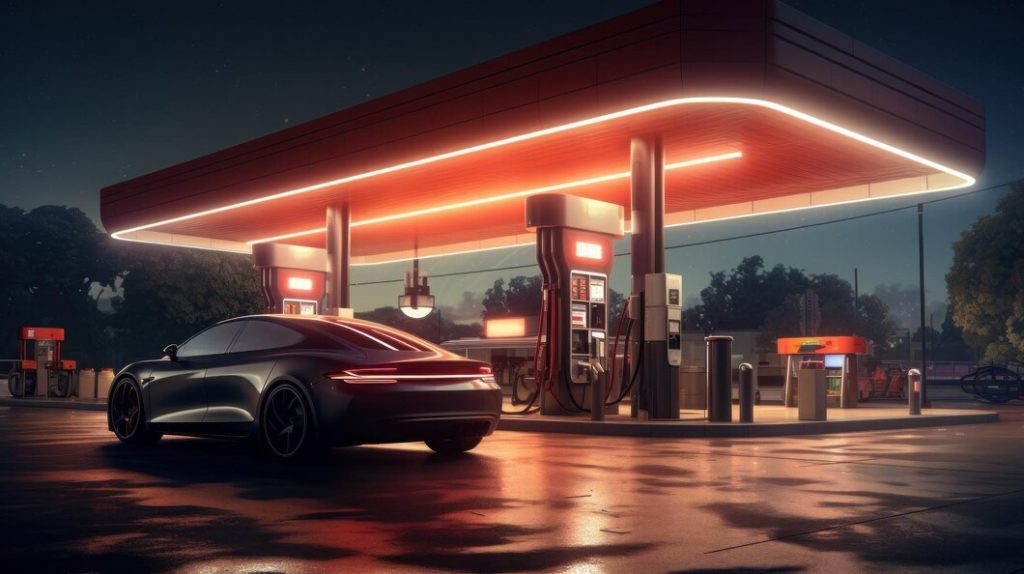
Electric Vehicle (EV) charging stations are pivotal in supporting the shift to electric mobility. They come in various forms, including Level 1, Level 2, and DC Fast Charging, each serving different needs. The efficiency of these charging stations impacts not only the charging time but also the overall experience of EV owners and operators.

Level 1 Charging: When and Where It Works Best

Level 1 charging, the most basic form of EV charging, is ideally suited for situations where time is not a pressing factor. This type of charging is perfect for overnight use at home, utilizing standard 120-volt AC outlets. It allows EV owners to conveniently charge their vehicles while they sleep, ensuring a full battery for the next day’s commute. 

In workplaces, where cars are often parked for the majority of the day, Level 1 charging also finds its place. It provides a slow, steady charge, sufficient for topping up an EV during an eight-hour workday. This slow charge rate is actually beneficial for battery health, as it causes less strain and potential long-term wear on the battery compared to faster charging methods.

Moreover, Level 1 charging is a cost-effective solution for businesses and public spaces that aim to offer EV charging without the need for expensive infrastructure upgrades. It’s an accessible option for visitors and employees alike, who can plug in and charge their vehicles without special equipment. 

Despite its slower charging speed, Level 1 charging remains a viable and practical option, particularly in residential settings and for businesses looking to provide a basic charging service. Its simplicity and compatibility with standard outlets make it an indispensable part of the EV charging ecosystem.

Level 2 Charging: Balancing Speed and Efficiency

Level 2 Charging represents a significant step up in efficiency and speed from Level 1, making it a popular choice for both home and public use. Operating on a 240-volt AC supply, similar to what large household appliances like dryers and ovens use, Level 2 chargers offer a much quicker charging experience than their Level 1 counterparts.

For residential settings, Level 2 charging is an excellent investment for owners looking to have a home EV charging station. While it requires a dedicated installation, the ability to charge an electric vehicle significantly faster (typically in just a few hours) adds a great deal of flexibility for EV owners. This makes managing daily commutes and unexpected trips far more manageable, without the overnight wait required by Level 1 chargers.

In public settings and workplaces, Level 2 charging stations serve as a practical middle ground between the slow Level 1 and the rapid but more complex and expensive DC Fast Charging options. They are capable of providing a substantial charge during a shopping trip, workday, or meal, making them ideal for installation at malls, offices, restaurants, and similar locations.

Level 2 chargers are not just about speed; they also maintain a balance in terms of energy efficiency. They are fast enough to offer convenience and adaptability, yet they still operate within a range that is generally manageable for both residential and commercial electrical systems. This balance makes Level 2 chargers a versatile and widely applicable solution in the expanding infrastructure of EV charging. 

DC Fast Charging: Meeting the Needs of Fast-Paced Lifestyles

DC Fast Charging caters to the fast-paced lifestyles of modern EV users, offering the quickest way to replenish an electric vehicle‘s battery. This type of charging, utilizing direct current (DC) instead of the alternating current (AC) used in Level 1 and Level 2 chargers, can significantly reduce charging times, often adding 60 to 80 miles of range in just 20 minutes.

A key advantage of DC Fast Charging is its ability to support long-distance travel and quick top-ups. This makes it an ideal solution for highway rest stops, urban areas with high turnover parking spots, and locations where drivers need a rapid charge to continue their journey. The ability to quickly charge is particularly beneficial for EV users who cannot charge at home or for those embarking on longer trips where time is a constraint.

The rapid advancement of EV technology is also evident in the evolving capabilities of DC Fast Chargers. With continual improvements, these chargers are becoming more efficient and powerful, reducing charging times even further and enhancing the overall user experience.

Best Practices for EV Charging Station Installation

The strategic placement of charging stations is crucial. They should be accessible and visible, yet mindful of the local power grid’s capacity. Upgrades to the power infrastructure may be necessary to support these installations, especially in densely populated areas.

Integration with Renewable Energy Sources

Pairing charging stations with renewable energy sources, such as solar panels, can significantly enhance their efficiency and sustainability. This integration not only reduces the carbon footprint but also can offer cost benefits in the long run.

Smart Charging Technology

Incorporating smart technology into charging stations can lead to more efficient energy use. Technologies that allow for demand-response interaction and scheduled charging during off-peak hours can optimize energy consumption and reduce costs.

Tips for EV Owners: Maximizing Charging Efficiency

Tips for EV Owners

For EV owners, the journey towards enhanced charging efficiency not only improves vehicle performance but also nurtures the longevity of their beloved electric companions. Embracing smart charging practices is more than a technical exercise; it’s about harmonizing your daily rhythm with your vehicle’s needs. 

Imagine aligning your charging schedule with the quieter hours of the day, when electricity rates take a dip, allowing you and your vehicle to recharge cost-effectively in unison.

Caring for your EV’s battery goes beyond mere routine; it’s akin to nurturing a valuable relationship. Regularly checking the battery and steering clear of charging in harsh temperatures can be seen as acts of kindness towards your vehicle, ensuring its heart beats strong for longer journeys. 

When it comes to public charging stations, especially the swift fast chargers, integrating charging into your daily errands or coffee breaks can turn a mundane task into a seamless part of your day, reducing waiting times and enhancing your overall experience.

The Role of Government and Policy in Supporting Efficient EV Charging Infrastructure

The role of government and policy in nurturing efficient EV charging infrastructure is pivotal in accelerating the transition to electric mobility. Through strategic policy frameworks and incentives, governments can significantly influence the development and accessibility of EV charging networks. By implementing subsidies and tax rebates for the installation of charging stations, they make it more feasible for businesses and homeowners to adopt EV technology.

Furthermore, governments can drive innovation and efficiency in this sector by funding research and development initiatives. This support can lead to advancements in charging technology, making it faster, more efficient, and more accessible. Regulations that encourage the use of renewable energy in EV charging stations also play a crucial role in ensuring the sustainability of the EV ecosystem.

 The Future of EV Charging: Innovations on the Horizon

Emerging technologies in EV charging, such as wireless charging and battery swapping, hold the potential to revolutionize this space. These innovations could lead to faster, more efficient charging solutions, making EVs more accessible and convenient for a broader audience.

Efficient EV charging stations are key to the widespread adoption of electric vehicles. As we move forward, the continuous evolution of charging technologies and supportive policies will play a critical role in shaping a sustainable, electric-powered future.

Read Also:

Ankita Tripathy loves to write about food and the Hallyu Wave in particular. During her free time, she enjoys looking at the sky or reading books while sipping a cup of hot coffee. Her favourite niches are food, music, lifestyle, travel, and Korean Pop music and drama.

View all posts

Leave a Reply

Your email address will not be published. Required fields are marked *

Related

Responsible Driving

Navigating The Road With Prudence: Top Tips For Responsible Driving

In a world where roads are growing busier by the day, driving responsibly has become an absolute necessity. Responsible driving goes beyond the basic understanding of traffic rules. It requires a mindset that values safety over speed and prudence over impatience. Whether you're a seasoned driver or someone who recently learned driving from a reputable driving instructor in Victoria, these tips will help you navigate the roads more responsibly. 1. Understand And Respect Traffic Rules The foundation of responsible driving lies in understanding and respecting traffic rules. These regulations are put in place to maintain order on the roads and ensure safety. Understand the meaning of traffic signs, signals, road markings, and right-of-way rules. Remember, these rules are not optional guidelines, but laws designed to prevent accidents and save lives. 2. Never Drive Under The Influence It goes without saying, but no list of tips on responsible driving can overlook the importance of sober driving. Driving under the influence of alcohol, drugs, or any form of intoxicants can have devastating consequences. It significantly impairs your ability to make sound judgments, react promptly, and control your vehicle properly. If you've had a drink, catch a cab, call a ride-sharing service, or ask a sober friend to drive you home. 3. Limit Distractions Distracted driving is as dangerous as driving under the influence. It only takes a momentary distraction for an accident to occur. Whether it's your mobile phone, car stereo, GPS system, or a conversation with a fellow passenger, any form of distraction can lead to a fatal mistake. Remember, when you're behind the wheel, your main focus should be on the road. 4. Practice Defensive Driving Defensive driving is the practice of driving to save lives, time, and money, in spite of the conditions around you and the actions of others. It involves anticipating potential problems and making safe, well-informed decisions to avoid them. This could mean keeping a safe distance from the vehicle ahead, being aware of the blind spots, or being extra cautious at intersections. 5. Control Your Speed Speeding is one of the leading causes of traffic accidents globally. Responsible drivers understand that the road isn't a race track. Always follow the speed limit, but remember that these limits are not targets. Depending on the weather, traffic, and road conditions, it may be safer to drive below the speed limit. 6. Keep Your Vehicle In Good Condition Vehicle maintenance is an integral part of responsible driving. A poorly maintained vehicle can be unpredictable on the road, endangering both the driver and other road users. Regular checks on your tires, brakes, lights, and engine can help prevent unexpected breakdowns and accidents. 7. Be Courteous To Other Road Users Sharing the road with others calls for courtesy and respect. It's important to be patient with other drivers, especially those who may not be as skillful or confident. Use your horn sparingly, allow others to merge into your lane when it's safe, and avoid behaviors that may provoke or endanger others. 8. Follow Safe Driving Practices In Different Weather Conditions Different weather conditions require different driving techniques. In conditions like rain, snow, fog, or ice, roads can be hazardous. Learning to adapt to these conditions, such as by slowing down, using the right lights, keeping a safe distance, and knowing how to respond if your car skids, is vital for responsible driving. 9. Plan Your Journey Planning your journey can contribute significantly to responsible driving. This includes checking the weather and traffic conditions, choosing the safest route, and ensuring you have enough rest before a long drive. 10. Lifelong Learning Responsible drivers understand that there's always more to learn. Whether it's mastering advanced driving skills, getting updated on the latest traffic rules, or learning about new automotive technologies, continuous learning is key. As we journey through life, let's remember that the way we drive can directly impact our lives and those of others on the road. Responsible driving is not just about getting from point A to point B; it's about ensuring that every journey we undertake is safe and enjoyable, both for us and for those sharing the road with us. The road to becoming a responsible driver is a continuous journey of learning and conscious effort. As you buckle up next time, remember these tips and drive responsibly. Read Also: The 5 Most Important Motorcycle Safety Tips All Riders Need To Know Things About A Personal Injury Lawyer How To Find Best Car Accident Lawyer Near You

READ MOREDetails
Motorcycle Safety tips

5 Most Important Motorcycle Safety Tips All Riders Need to Know

Your helmet's off, your hair's blowing in the wind, and you're cruising down the highway with the sun setting in bright oranges and reds. Life is good, right? As good as life may be in the moment, you may be putting your life and others at risk through reckless driving and ignoring basic rules. Even if you mean well, it's important to know how to ride a motorcycle safely, so today we'll take a look at five critical motorcycle safety tips. 5 Most Important Motorcycle Safety Tips All Riders Need to Know According to the National Traffic Highway Safety Administration, motorcyclists are 27 times more likely to die in traffic accidents than any other vehicle. Being a single rider going upwards of 75 miles per hour in the fresh air leaves you open to so many dangers. Not only that, you're potentially putting the lives of other drivers and passengers at risk. In fact, if you've experienced the loss of a loved one through a motorcycle accident and don't know what to do, learn more here. But if you're going to be proactive and learn some motorcycle driving tips, let's get into some of the most important ones now. 1. Always Wear the Proper Gear: Never ever go for a ride on your motorcycle without safety gear. Please know that buying this is very easy as you can buy motocross gear from an online store with a single click. This will help you stay safe in the event you get into an unfortunate accident. You've heard it since you were five years old and learning to ride a bike with training wheels, and maybe you're sick of hearing it, but ALWAYS WEAR A HELMET. Riding a motorcycle without a helmet can certainly feel nice, but it is by far the most protective piece of equipment you can (and should) be wearing. Other important gear includes: Face shield Eyewear (even prescription glasses or sunglasses counts for something) Padded jackets Padded gloves Padded pants Riding boots Heavy-duty riding boots are good for grip when using the clutch and keeping balance. The rest of the clothing protects you from the elements when you're out in the open and gives you that much more padding if you were to go flying. 2. Drive Carefully and Defensively: Motorcycles are fast compared to other vehicles. You're just a single person on a smaller, aerodynamic vehicle able to rip through traffic. Make sure to always obey all traffic rules, though, such as speed limits, yield signs, and more. It's especially important for you as a motorcyclist to drive defensively as it may be more difficult for people in larger, enclosed vehicles to see you. 3. Always Be Visible: Speaking of being seen, make sure to wear colors that make you stand out and to drive in a way that you're easily seen by other drivers. Avoid black and dark brown clothing and stick to brighter colors or use neon strips and tape. Avoid other driver's blindspots if you can. 4. Be Awake and Be Sober: This is true for anyone operating any kind of vehicle, but make sure you don't drive when you are tired or intoxicated. You may be focusing more on the sober aspect than the awake aspect, but it's crucial to only drive when you're fully awake and alert. Being sleepy can reduce your reaction time to obstacles and potential accidents. 5. Start Your Ride the Right Way: Every time you hop on your motorcycle, remember to follow procedures beforehand so that you can ride safely. In particular, do these every week: Check tire pressure Check for oil leaks Test your headlights, taillights, and signal lights Check all hydraulic and coolant fluid levels Also, do these every time you ride: Check that clutch and throttle are smooth and operational Adjust mirrors Test the firmness of your brakes Test that your horn works These are basic checks that shouldn't take you any time at all and could prevent massive amounts of damage, injury, and maybe even deaths. Seeking More Advice and Tips for Riding Safely Riding a motorcycle is thrilling, and if it's something you enjoy, you should certainly take advantage of the open road. But it's especially important to follow basic motorcycle safety tips since you are at much more risk than drivers in other vehicles. If you'd like to see more riding tips or more advice on vehicles in general, check out our other automotive blog posts! Read Also: Along For The Ride: Passenger Rights In-Vehicle Accidents How To Choose The Right Motorcycle Tires For The Motorcycle

READ MOREDetails
The Latest Advancements In Technology For Intercooler Replacement Parts

Explore New Tech in Intercooler Replacement Parts: User Benefits

In automotive technology, the intercooler plays a critical role in enhancing engine performance by cooling the compressed air from the turbocharger or supercharger, increasing air density, and allowing more oxygen to enter the engine. As automobile manufacturers and aftermarket suppliers vie for superior performance and efficiency, the latest advancements in intercooler technology have emerged as a pivotal development area. New materials, innovative designs, and integration of advanced manufacturing techniques are driving this evolution, paving the way for more efficient thermal management. These technological leaps not only improve engine power and efficiency but also contribute to the longevity of engine components by reducing thermal stress. Advancements in additive manufacturing, for example, have led to the development of a new intercooler using Additive Layer Manufacturing (ALM), allowing for intricate designs that were previously unattainable with traditional manufacturing methods. Such innovations in intercooler technology underscore the industry's commitment to not only meet the increasing performance demands but also adhere to stringent environmental regulations by improving fuel economy and reducing emissions. Key Takeaways Intercoolers are critical for improving engine performance by cooling compressed air, leading to increased air density. Latest technologies in intercoolers involve new materials, designs, and manufacturing techniques, which enhance power and efficiency. These advancements offer potential longevity benefits for engines and align with environmental goals through improved fuel economy and reduced emissions. Technological Innovations In Intercooler Design Recent advancements in intercooler technology have led to significant improvements in performance and efficiency for automotive cooling systems. These innovations enhance the functionality and reliability of intercooler replacement parts, offering considerable benefits to users. Enhanced Cooling Efficiency The core objective of an intercooler is to reduce the temperature of compressed air before it enters the engine. Emerging technologies in intercooler design now utilize advanced liquid cooling methods and optimized airflow passages to increase heat absorber capabilities. This results in a more efficient cooling system, which is crucial for maintaining the performance of turbocharged and supercharged engines. Improved Materials And Construction Intercooler durability and reliability are closely tied to the materials and construction techniques. Introducing high-strength, corrosion-resistant materials ensures that intercoolers can withstand the harsh conditions of high-performance engines. Silicone radiator hoses and intercooler replacement parts from Mammoth Performance are prime examples of how improved materials contribute to the longevity and reliability of intercooler systems. Integration Of Artificial Intelligence Artificial intelligence revolutionizes the intercooler domain by enabling smarter, more efficient operations. By analyzing data and adjusting to operating conditions in real time, these AI-driven systems can optimize performance, reduce energy consumption, and prevent issues such as oil contamination. The shift to AI-integrated cooling systems reflects a broader trend towards intelligent, autonomous vehicle components, further bolstering the efficiency and dependability of modern intercoolers. Impacts And Opportunities In Intercooler Implementation Recent advancements in intercooler technology significantly enhance engine performance and power while also addressing environmental concerns such as climate change. They present opportunities for technological change in the automotive industry, influencing legal and social aspects of society. Intercooler Efficiency And Engine Performance Upgraded intercoolers introduce improved cooling fins and advanced designs that lead to more efficient heat dissipation. This efficiency directly impacts an engine's power output and overall engine performance. Vehicles that once suffered from heat soak or underperforming issues due to inadequate cooling can benefit from these advancements, resulting in increased horsepower and torque figures. Using better materials and construction methods promotes the longevity and reliability of the intercoolers, ensuring consistent performance even under rigorous conditions. Environmental Impacts And Social Considerations Advancements in intercooler technology contribute to the mitigation of climate change impacts. A more efficient intercooler reduces the engine's tendency to suffer from heat-induced inefficiencies, subsequently decreasing the amount of fuel consumed and reducing emissions. Societal awareness and legal frameworks push for greener technologies, and intercoolers utilizing green hydrogen as a cooling medium exemplify innovation aligning with these social considerations. They serve to bridge the gap between the current state of technology and a more sustainable future, influencing both user practices and industry standards. Future Outlook And Emerging Markets The intercooler market anticipates significant growth with increasing demand for high-performance vehicles and stringent environmental regulations. Emerging markets present diverse opportunities where integrating the latest intercooler technologies can lead to enhancements in engine efficiency and a reduction in carbon footprint. With ongoing research directed at optimizing intercooler functions and adopting alternative cooling mediums, the prospects for further innovation remain high. As society leans towards more efficient and eco-friendly solutions, the role of advanced intercooler systems becomes pivotal in shaping future engine technologies and their acceptance in the market. Conclusion Advancements in intercooler technology have led to components that are more efficient and lighter in weight, enhancing engine performance across various measures. These improvements translate to better fuel economy and horsepower, proving indispensable for modern turbocharged engines. Users benefit directly through enhanced vehicle longevity and optimal driving experiences, affirming the value of contemporary intercooler systems. Read Also: 5 Different Types of Car Accident Claim How To Prepare For Massachusetts Car Shipping How Car Leasing Works And What To Expect

READ MOREDetails