











Denise Hamet Discusses Trends in Creative Transportation Strategies

Published on: 31 August 2019 Last Updated on: 10 September 2024
Denise Hamet

Transportation drives economic development. As roadways become more congested, the capacity to move people and goods efficiently will be key for residents selecting where to live, and for businesses choosing where to expand. Technological advances in recent years have provided new opportunities for strategic approaches to congestion and have improved environmental outcomes related to mass transportation. Momentum is building, resulting in large-scale, long-term transportation plans. Public/private partnership strategies are forming to speed development and save money. Citizens are voting to help fund these far-reaching programs since efficient transportation promotes employment opportunities for people who otherwise would be excluded from many job options. In this article, Denise Hamet discusses some of the recent trends in transportation strategies around the United States.

Autonomous (“Driverless”) Public Transportation:

Self-driving vehicles have quickly moved from the realm of science fiction into the real world of transportation. Public transportation agencies have been closely watching the advances in this market from companies like Google and Intel. As a result, technologies are currently being developed for vehicles on preset routes that operate autonomously. Las Vegas is leading the testing of driverless buses in partnership with Keolis, a private company that has developed autonomous bus technology for use on public roads. The Keolis autonomous shuttle is equipped with LiDAR technology, GPS, cameras, and safety belts and is designed to communicate with traffic signals, operate on open roads, and navigate around pedestrians and moving traffic. Following this model, several companies are developing driverless shuttles for use across the country. Some cities, such as Phoenix, are currently combining traditional bus service with autonomous shuttles.

Public transit authorities are dealing with the same issues surrounding the use of autonomous vehicles on public roadways throughout the nation. This rapidly developing technology is pressing our legal and regulatory system to move forward on liability, insurance, and safety issues that are new to our systems.

Mobility as a Service (MaaS):

Developments in networking and artificial intelligence are driving a new concept for public transit–Mobility as a Service, or MaaS. The idea behind MaaS is that bundling all available transportation options for consumers in urban and metropolitan areas will provide more opportunities for users and maximize cost efficiency.

Ideally, customers will be able to make travel choices based on current traffic conditions, and electronic payments will be seamless and efficient. Transit services in lower demand can be downscaled, while resources can be quickly moved to the areas of greatest consumer needs. This system will theoretically reduce costs and environmental impacts while relieving pressure on infrastructures.

Electric and Hybrid Public Transportation:

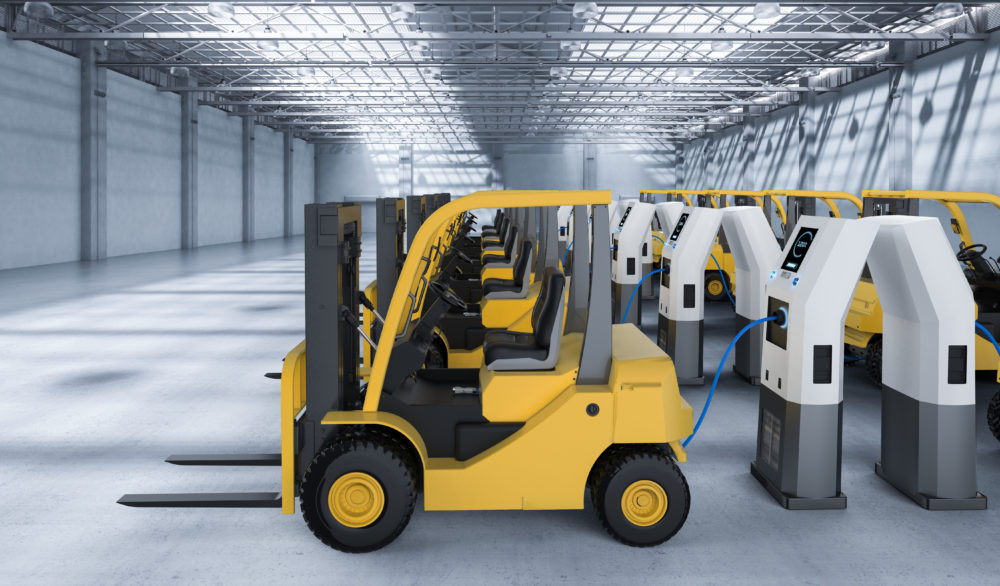
Increased urban development around the world and increased awareness of carbon emissions are placing a greater focus on electric and hybrid transportation options. The City of Los Angeles, for example, is changing over its entire fleet of buses to electric vehicles by 2030.

Many cities and metro areas find that the initial cost of electric buses and trolleys is the most prohibitive aspect of their development. Electric buses can cost as much as twice that of traditional diesel buses; however, hybrid buses are much more in line with traditional costs. Advances in production technology will likely result in reduced acquisition costs, which, in conjunction with reduced fuel costs and reduced emissions, will make electric and hybrid options more attractive in the near future.

Putting it All Together:

Many cities are implementing long-term, multi-modal strategies. Denver, for example, is moving forward with multiple phases of the multi-billion-dollar FasTracks Program. At completion, the program will add more than 120 miles of commuter rail tracks, 18 miles of bus rapid transit (BRT), and 21,000 parking spaces at rail and bus stations. A crucial part of the program was the Denver Transit Partners (DTP) public/private partnership formed to implement the 36-mile Eagle P3 project.

DTP is a private consortium led by Fluor Corp. The team entered into a 34-year agreement with RTD for the 5-year design and build of the Eagle P3 project, followed by 29 years to operate and maintain the system.

Meanwhile, Sacramento continues to roll out its Green City Initiative, a partnership with Electrify America. The company is investing $44 million in Sacramento to catalyze a shift to zero-emission technologies by installing charging infrastructure, conducting outreach and education, and implementing programs designed to increase access to and use of Zero-Emission Vehicles (ZEVs). New programs and services–including two new car-sharing services, new ZEV routes, and state-of-the-art electric vehicle charging systems–are anticipated to launch throughout 2019.

The Future – the Need for Federal Funding:

With so much potential for improved transportation, funding is essential. Attention is currently focused on Congress’s approach to a new transportation bill, as the Fixing America’s Surface Transportation Act (FAST) expires in 2020. Infrastructure improvements are one of the unusual areas where bipartisan cooperation and compromise are possible in the course of legislating for the country’s needs.

One area of concern is funding for the federal Highway Trust Fund, which is based on federal fuel taxes on gasoline and diesel. These tax rates have not been modified in over 25 years, and unless funding is modified, economists project insolvency for the fund within two years. Many options are being considered to alter financing, and many of the developing local mass transit trends are going to be potentially funded by private investment. With the impending expiration of the FAST Act, all manner of funding options will inevitably be on the table for discussion.

The bottom line is:

Collaboration, creativity, and certainty of funding will all be essential to drive us forward.

Read Also:
 

Content Rally wrapped around an online publication where you can publish your own intellectuals. It is a publishing platform designed to make great stories by content creators. This is your era, your place to be online. So come forward share your views, thoughts and ideas via Content Rally.

View all posts

Leave a Reply

Your email address will not be published. Required fields are marked *

Related

Car

5 Safety Features in Your Maruti Car You Did Not Know About

While it is important to feel comfortable and in control of the car, it is equally important to choose a car that has safety features which protect the driver and the passengers. People want to ensure that they are safe whenever they are inside the car, and the latest technology has made it possible to develop safety features that meet the demands of the consumers. Cars manufactured by Maruti Suzuki have numerous models to choose from. These cars offer a range of safety features not many consumers know about. So, here are five features in the Maruti car you might not be aware of. Moreover, you can Find out more about Suzuki vehicles here. 1. ELR Seat Belts : Seat belts are a vital safety feature in a car. The emergency locking retractor allows the driver’s seat belt to extend and retract with the movement of the occupant. It locks the belt in case of a sudden stop or upon an impact. This ensures that there is no movement of the occupant in case of an accident or a stop. 2. Electronic Brake Distribution : This is one of the most talked-about a safety feature in a car. The electronic brake distribution is a technology which varies the amount of force applied to the brakes of the car. Basically, the force applied varies according to the road conditions, speed, loading and helps in the maintenance of vehicular control. Also, there is less braking pressure at the rear end which helps avoid skidding. 3. Anti-lock Braking System : The anti-lock braking system prevents wheels of the car from locking up while braking. It offers better vehicle control in case of dry and slippery surfaces by reducing or increasing the braking distance. This system has evolved over the years, and it not only prevents the wheel locking but also electronically controls the brake bias in the front and rear tires. It reduces the chances of heavy braking. 4. Front Dual SRS Airbags : The restraint system of the airbags is used to supplement the seatbelt system and protect in case of crashes. It enhances passenger safety in case of a collision. It is equipped with a sensor which calculates the impact and intensity of the collision and deploys the airbag. At the front, there are two airbags, one for the driver and one for the passenger. Moreover, these airbags open in no time and provide cushioning to the front seat passengers in case of an accident or collision. It is an effective safety feature that has helped save many lives.  5. ISOFIX Mounts : ISOFIX is an international child safety fitting system which is similar to a child seat. The concept of a child seat is uncommon in India, but it is followed strictly across the world. ISOFIX mounts have specially designed fitting points. It allows easier and safer attachment of the child safety seat in the passenger seat of your car. The ISOFIX connectors are two prongs which stick out of the back and click into the metal clip into the car seat. It provides a secure anchorage for the child seat and ensures that the child remains safe and secure in case of a sudden halt or high speed.  Your car may have all the safety features to protect you from an unfortunate event, but what about the safety of your car? Remember that driving in India comes with its own perils. We often hear cases of road accidents and rule-breaking. Considering these factors, it is important to get car insurance, moreover, a comprehensive one, right after you buy your Maruti car. A comprehensive Maruti car insurance, will not only provide coverage for damages caused to the third-party but will also financially safeguard your car as well. Comprehensive Maruti car insurance covers damage to your car caused by events that are out of your control and provides coverage against: Theft Vandalism Glass and windshield damage Fire Accidents with animals Damage to Third-party Weather/acts of nature, etc. Conclusion: While deciding to purchase a car, you always consider the safety features to ensure that you and your family are safe in case of a collision. However, you must also focus on protecting your car, which is one of the most significant investments you make in your life, by purchasing Maruti car insurance. It is better to be safe than sorry, and whether you are on the driver seat or the passenger seat, these safety features (literally) and Maruti car insurance (financially) will keep you safe. Read Also : Tips For Reducing Car Insurance Costs Your Simple Guide To GAP Insurance Choosing The Right Anti-Theft Devices For Your Car In Houston TX

READ MOREDetails
Car

Car between 5 – 10 Lakhs – what is it?

There are multiple benefits to getting a car in that range, some of which include : Easy management: these cars are a lot easier to handle than the powerful engine cars. Most of the people living in India encounter heavy traffic and packed streets, so this is an added benefit for them. Parallel parking also becomes easier as their size allows for easy squeezing between packed spots Environmentally friendly: these cars tend to be fuel-efficient in comparison with cars of a higher budget. This results in lesser emissions, therefore, less pollution. Higher affordability; a vast majority of youngsters and working adults care more for affordability than for lavishness. These cars are cheaper to manufacture and this makes them the best choice for such individuals. Less Maintenance: since a lot of money is saved because of their compact nature, with the right usage, you can expect some cuts in maintenance costs in the long run. You can find these cars along with their current prices and key features and specifications on Autoportal. Best brands for that price are numerous but we have listed down the best ones for you to help you narrow down your choices; Hyundai Grand i10 price is amongst the most affordable in India. It has amazing key features such as the diamond cut alloy wheel and the rear ac vents along with the touch screen AV system which allows you to control the car easily and takes most of the tasks off your back. The Grand i10 follows Hyundai’s elegant Fluidic design language strictly. The elegant-looking diamond-cut alloys make the car even more appealing. Important safety features, like the Anti-lock Braking System (ABS) and passenger front airbag, are missing in the standard list, and they come only as an option with higher variants. Maruti Suzuki Swift has some amazing features such as automatic climate control along with smart play infotainment and steering mounted control, all for which make up the features of a good car in this price range. Honda Amaze has the ultimate diesel CVT along with advanced infotainment and upgraded safety; which are currently the features in high demand by the majority on the Indian market looking for the perfect car for domestic use. Maruti Suzuki Baleno comes with ABS with EBD which enhances the control over the vehicle while you lock and skid it around. It also comes with an infotainment system which allows you to use Siri software to help you with calls and messages. Its upgraded projector headlamps come with an amazing hi-tech look. In addition, Autoportal prepared a pleasant surprise for all buyers! Book your car between 1st - 31st August 2018 and get a chance to win. The 1st winner will receive 2N/3D Trip to Dubai, the 2nd winner receives 10 Gram Gold Coin, and OnePlus 6 (64GB) is waiting for the 3rd winner! Moreover, 500 Lucky winners will get a gift voucher worth Rs. 500! Read Also : Useful Tips About Mobile Car Detailing To Avoid Any Costly Maintenance And Repair Issues 5 Safety Features In Your Maruti Car You Did Not Know About Washing Your Car: 7 Dos And Don’ts

READ MOREDetails
Car shopping

How To Shop For A Car With Your Teen Driver?

For most parents, buying a car for their teenager is a necessity to encourage independence and free up your schedule from having to drive them everywhere. Guess what? Your child feels the same. Upon receiving their driving license, they cannot wait to put those skills to good use. If your teen is not persistently nagging you for a set of wheels, count yourself lucky! Pondering what type of car to buy can become an arduous task and may often lead to frustration. Selecting the perfect car model to gift your teenager is further complicated with varying tastes. You, being the parent, wish to find an economical car that is safe to drive. If you are planning to buy a car for your teen, you have probably encountered different opinions that left you a tad confused. In this article, we aim to share insights on how to shop for a car with your teen driver. 1. Prepare A Budget While buying a car for your teen is an adventure, do not get carried away by expensive models at your local dealership. Start by deciding how much money is available to spend. Think about other pressing needs in the future while allocating the family budget. Remember, college tuition is right around the corner. Discuss the final budget with your teen and explain the argument behind it. Talk about the various options that can fit your budget. Old cars are cheaper, while new vehicles may not need much maintenance. Understandably, your teen may be upset if they expected a fancy ride only to have the budget slashed by half. Reason with them and reach a compromise. 2. Safety Features When choosing between different car models, safety should be the top of the list of concerns. You want your child to be safe as they drive to school or their summer job at the local fast-food joint. Inspect the car to ensure it has updated safety features such as electronic stability control and front and side airbags. Even the best-trained drivers can get into a fender bender in traffic or worse, a car wreck on the highway. Naturally, you fear more for your teen as they are new to driving and you want to be sure they are safe while on the road. Request the dealer to give you the car safety report that indicates what happens in the event of an accident. Do not forget to purchase sound insurance over. Compare different options and select wisely. 3. Other Features Once you have the handle on safety, you can get down to the fun part. Your teen is likely to suggest a car with modern interiors and high-quality sound. If you are buying an old car, they may not have advanced features that your child desires such as door speakers for bass. No worries, you can install quality door speakers at an affordable price. This upgrade is bound to make your teen happy! 4. Establish Ground Rules As you may have observed, teenagers are prone to distractions even while doing mundane tasks like watering the plants, washing the family dog or even putting cereal in a bowl. Do not fault them; their frontal lobes are still developing. Driving a car is not a mundane task. Each time you get behind the wheel, you stand the risk of getting involved in minor or major accidents. Your newly minted teen driver needs to understand that owning and operating an automobile calls for a high sense of responsibility at all times. Make it crystal clear that they are not allowed to take calls, read or respond to messages or any social media. All this can wait till they get to their destination safely. Agree on what time they need to get home by and the consequences of failing to adhere to stipulated curfews. As difficult as it may sound, your teen could easily be drinking behind your back. Add this to the column of DONT'S! Drunken driving will not only earn them a DUI and probably ruin their chances of getting into a good college; it can cause permanent damage or worse. Conclusion Buying a car for your teen can be difficult with the different choices available. Make a list of possible models they are interested in and investigate each model. Bring your teen to the dealership, so that they can get firsthand information from a car expert. Be open to making a few adjustments like installing door speakers for bass, so your teen can enjoy his favorite jams. Read More: Invest In A New Car, Without A Financial Liability Will Self-Driving Cars Replace Human Error? Tips To Keep Your Kids Safe In A Car Turn The Tables For Helpless Children With Car Donation In New Jersey

READ MOREDetails