












Car Leasing Tips: How Leasing a Car Has Changed?

Published on: 27 January 2018 Last Updated on: 19 August 2019
image001

Ever wondered why so many people opt for leasing a car? In essence, a leasing contract these days can be flexible and even economical, if you know how to properly customize your contract and make it fir your financial situation.

During the last few years, leasing has grown significantly in popularity. With that growing popularity, there are a number of new options now for consumers. The problem is, most people still don’t know about these options.

Read also: Tips to Keep Your Kids Safe in a Car

Make a Number of Deposits and Reduce Interest Rates

In most contracts, your security deposit is equal to your monthly payment rounded up to the closest 50 dollars. Let’s say you’re monthly payment is 525 dollars. In this case, your security deposit will be 550 dollars. Now, if you agree to pay more than two refundable deposits, the leasing company will reduce the interest rate, because they figure that their risk is lower. However, not all leasing programs have this option, so it’s best to check with the company yourself.

Continue Leasing until You’re Ready for a New Car

At the end of their contract, some people go into “panic mode” because they are not sure what car they want next. One option is to keep the car on a month-to-month basis, until you decide whether to buy the car you’re leasing or opt for a new one. We should point out that this a short-term solution, so don’t get carried away. Nonetheless, it will give you some additional time to think about the next car.

Transfer the Lease Before the Contract Ends

Around 80% of leases can be transferred with no strings attached. But some companies out there require you to keep some liability for the vehicle. This means if anything happens, you as the original leaseholder will be held accountable – so you can end up paying for additional mileage. With that being said, this option is good if you find yourself in the situation where you need to end your lease.

Adapt Your Mileage to Suit Your Personal Needs

If you’re afraid you’ll end up driving more miles than the contract says and paying additional money to the leasing company – which is one of the main concerns when people think about leasing – you shouldn’t worry too much. Before, the cheaper option was to buy miles upfront than it was to pay the so-called penalty miles later. Today, you can easily see the same costs for both up front and backend miles.

The Bottom Line

And there you have it – a few leasing strategies that will help you get a better deal on your new car. If you want to know more about leasing, browse the Internet for a few hours or go down to your local dealership to get familiar with your options a bit better.

Read also: Will Self-Driving Cars Replace Human Error?
Content Rally wrapped around an online publication where you can publish your own intellectuals. It is a publishing platform designed to make great stories by content creators. This is your era, your place to be online. So come forward share your views, thoughts and ideas via Content Rally.

View all posts

Leave a Reply

Your email address will not be published. Required fields are marked *

Related

Navigating Terrain With RC Trucks

Off-Road Adventures Await: Navigating Terrain With RC Trucks

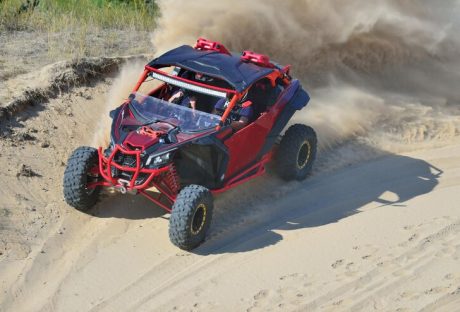
Remote Control (RC) trucks have carved a niche in the world of off-road adventure enthusiasts. These miniature vehicles offer a gateway to thrilling experiences, combining technology and outdoor exploration. This article talks about the excitement and challenges of navigating various terrains with an RC truck. Unveiling The Thrills Of RC Off-Roading RC trucks have evolved far beyond simple toys. They're now sophisticated machines built to tackle diverse landscapes. Enthusiasts find joy in mastering intricate maneuvers and conquering challenging terrains, mimicking the sensations of full-scale off-road driving. The Range Of Truck Models From rock crawlers to desert racers, the market boasts an array of truck types. Rock crawlers excel in climbing over rugged obstacles with precision, while desert trucks, designed for speed, zip through open expanses. Each model offers a distinct experience tailored to different off-road preferences. Choosing The Right Terrain Diverse terrains await RC off-roaders, each presenting unique challenges. Rocky landscapes demand careful wheel placement and steady throttle control. Sandy dunes necessitate powerful engines to handle resistance. Mud and water enthusiasts should opt for waterproof trucks with sealed electronics. Adapting to the terrain is vital. Customization For Peak Performance Enthusiasts can customize their RC trucks extensively. Upgrades such as high-grip tires, advanced suspension systems, and LED lighting enhance performance and aesthetics. This personalization allows enthusiasts to fine-tune their trucks for specific terrains and preferences. Mastering Control And Technique Precision control is essential. Gradual acceleration and deceleration prevent wheel spin on loose ground. Smooth steering and gradual throttle modulation prevent flipping on uneven surfaces. Practice refines technique, leading to smoother navigation and increased confidence. Safety And Environmental Considerations While chasing thrills, environmental responsibility is crucial. Off-roaders must respect local regulations and avoid protected areas. Choosing designated areas or RC tracks prevents ecological damage and conflicts with other outdoor enthusiasts. The Role Of Technology Advanced technology plays a vital role in modern RC trucks. High-torque servos enhance steering control. Brushless motors offer power efficiency. 2.4GHz radio systems reduce interference, ensuring reliable communication between the transmitter and the truck. These innovations optimize the off-roading experience. Community And Camaraderie RC off-roading fosters a strong community of enthusiasts. Clubs and online forums provide spaces to share experiences, tips, and tricks. Social gatherings and competitions offer a chance to showcase skills and learn from others. Challenges And Triumphs Off-road adventures aren't without challenges. Navigating challenging terrain demands patience and skill. Overcoming obstacles, be it a steep incline or a deep puddle, brings a sense of accomplishment. Every triumph adds to the allure of RC off-roading. The Learning Curve Novices may initially find RC off-roading daunting. Learning the intricacies of throttle control, steering finesse, and terrain adaptation takes time. Embracing the learning curve leads to a rewarding and addictive hobby. Beyond The Hobby RC off-roading extends beyond personal enjoyment. Some enthusiasts engage in charity events, using their trucks to raise funds and awareness. This demonstrates the positive impact of the hobby on both individuals and communities. A Gateway To Exploration RC trucks introduce enthusiasts to outdoor exploration on a smaller scale. They instill a sense of adventure, promoting appreciation for nature and diverse landscapes. The hobby can serve as a stepping stone to full-scale off-roading and outdoor activities. An RC truck is a captivating blend of technology, skill, and outdoor adventure. Navigating diverse terrains challenges enthusiasts while fostering camaraderie within the community. With customization, technique refinement, and a responsible approach, the world of RC off-roading becomes a gateway to exhilarating exploration. Read Also: What to Consider When Buying Heavy Duty Truck Alignment Equipment How Crane Trucks Can Drastically Improve Project Efficiency 7 Ways Truck Accidents Differ from the Regular Car Crashes

READ MOREDetails
Car Insurance Company

How To Find The Best Car Insurance Company: Tips & Tricks

Selecting the right car insurance company is a crucial decision that not only impacts one's financial health but also one's peace of mind. With an array of options in the market, it can be an overwhelming task to actually find the best car insurance company. Here are some systematic steps and tips to assist consumers in making an informed choice. 1. Determine Coverage Needs Before diving into the search, one must define what they expect from an insurance policy. Factors to consider include: Level of Coverage: Comprehensive, collision, liability, etc. Desired policy limits and deductibles. Any additional coverage like rental car, roadside assistance, or medical payments. 2. Research & Gather Recommendations Ask friends and family: Personal experiences can provide insights into a company's customer service, claims handling, and overall reliability. Online Reviews & Ratings: Websites that compile customer reviews or rate insurers can be invaluable. Look for consistent trends, both positive and negative. 3. Compare Quotes Obtaining multiple quotes ensures that one doesn't overpay for coverage. Ensure that quotes are for the same type and amount of coverage for an accurate comparison. Remember, the cheapest option isn't always the best. Consider the value offered for the price. 4. Assess Financial Stability An insurer's financial strength is indicative of its ability to meet its policy obligations. Consider checking rating agencies such as A.M. Best or Standard & Poor's for an objective evaluation of a company's financial health. 5. Scrutinize Customer Service & Claims Handling Timely and efficient claims processing and customer-friendly service are crucial. Check online forums and reviews to gauge customer satisfaction. Consider contacting state insurance departments to check if a particular company has received an excessive number of complaints. 6. Understand Discounts & Savings Opportunities Many insurers offer discounts that can significantly reduce premiums. Common discounts include multi-policy, good driver, and safety feature discounts. Always inquire about available discounts when receiving a quote. 7. Review the Policy's Fine Print Before committing, understand every term and condition. Look for any exclusions or limitations. Know the policy's effective dates and the process for cancellation or adjustments. 8. Periodically Reevaluate Insurance needs and market offerings can change over time. Consider reviewing policies annually or after major life events like buying a new car or relocating. Regularly shop around to ensure one is still getting the best deal and the most suitable coverage. Tips & Tricks Leverage Online Comparison Tools: Many platforms allow consumers to compare quotes from various insurers simultaneously. Bundle Policies: Many companies offer discounts if one buys multiple types of insurance (e.g., car and home) from them. Consider Higher Deductibles: Opting for a higher deductible often lowers the premium, but ensure there are enough savings to cover it if a claim is necessary. Maintain a Good Driving Record: Safe drivers often receive better rates. Final Thoughts Selecting the ideal car insurance company requires careful consideration of individual needs, thorough research, and proactive engagement with potential insurers. By following the above steps and utilizing the provided tips, consumers can confidently navigate the insurance landscape and secure a policy that offers both value and peace of mind. Read Also: The Average Price Of Car Insurance In New York – What You Can Expect To Spend! Essential Reasons for Comparing Car Insurance Quotes Online A Detailed Guide to Cashless Car Insurance Policy

READ MOREDetails
car-

Will Self-Driving Cars Replace Human Error?
The public is understandably skeptical when it comes to the introduction of new technologies. This has been a constant in virtually every innovation since the dawn of civilization. People were skeptical about the railroads when they first became a staple of American life in the 1830s. People were skeptical about aviation when it became a major part of travel in the early part of the 20th century. The automobile itself was viewed with a healthy dose of scorn and hesitation when it first drove onto the scene. Today, we find ourselves in a similar situation with regard to the emergence of self-driving vehicles. Just like with these other technologies, some of our skepticism is caused by the novelty of the technology and our unfamiliarity with it. However, just as it was with the transportation modes listed above, many of our reservations are well-founded and stem from shortcomings that the technology has yet to overcome. Still, the bigger question that we find ourselves asking is:  Will we be safer in self-driving vehicles than we would be in vehicles that have a human driver? Human Error Causes Vehicle Crashes The vast majority of crashes on our roads are caused by human error. Some estimates put this figure at around 90 percent. We experience this firsthand every single day on our roads. Consider how many crashes are caused by reckless driving, distraction, fatigue, and intoxication. In each of these cases, it is a person’s mistake that leads to a vehicle crash. People are far from perfect, and we make mistakes regularly. When these mistakes occur on our roads, the consequences can be devastating. One mistake made at 55 miles per hour can cause fatalities, serious injuries and incredible amounts of property damage. In that sense, the less we can be subject to lapses in judgment or negligent driving, the safer we will be. How Do Self-Driving Cars Stack Up Against People? Thus far, there is not enough information available to make a completely accurate comparison of automated vehicles and human drivers. Think about how many miles people have driven since the launch of the automobile and how many miles have been traveled by self-driving vehicles. This disparity leaves us with an incomplete picture. However, self-driving automobiles have been around long enough for us to get a clearer idea of how safe these vehicles could be and what dangers they could present if manufacturers don’t do their due diligence. Last year, Google touted the fact that its self-driving vehicles had traveled well over a million miles and been involved in only 17 crashes, all but one of which were found to be caused by another driver’s error. Meanwhile, Tesla, another company that has a big stake in the self-driving automobile industry, has come under fire from critics about its aggressive implementation of automated technology after the death of a driver in Florida in May of 2016. In September, the New York Times reported a similar incident involving a Tesla automobile that occurred in China earlier this year. The criticism from safety advocates is largely over the company’s willingness to make available technology that has not been thoroughly tested. While these were reportedly the first driver deaths in over 130 million miles of travel, it still raises a debate about the degree to which automation will be deemed safe for drivers. Concerns About Semi-Autonomous Vehicles Part of the skepticism about automated technology stems from automobiles that will be only partially operated by a vehicle and handed over to a human driver in case of emergency. In certain types of automated vehicles, such as vehicles equipped with Tesla’s Autopilot function, drivers must still be aware enough to take over driving duties in certain situations. This might prove to be a difficult task for drivers, and it could even require a certain level of proficiency or training on the part of a vehicle's operator. It should also be noted that we already have some forms of automation in many of our vehicles. Automated braking has been used in vehicles for several years and has likely helped reduce the occurrence of many crashes. There is great promise for more automation, but there are still many unanswered questions. Accountability Will Always Be a Central Issue Just as it is in today’s human-operated vehicles, crashes in tomorrow’s self-driving cars will stem from some sort of error. Today, it is usually the drivers who are held accountable for their mistakes, but as self-driving automobiles become a bigger presence on our roads, that accountability will be shifted to other entities. Rather than human error is to blame, it might be the case that a particular crash will be deemed to be the fault of a vehicle manufacturer, or a software manufacturer. For the safety of all drivers, accountability will be a very important issue, one that will need to be fought for and pursued by the institutions providing oversight and regulation, and by drivers and citizens themselves. The Self-Driving Revolution is Beginning People might be reluctant to embrace self-driving technology, but it will be thrust upon them whether they are ready for it or not. In Pittsburgh, for example, Uber has launched self-driving vehicles in a pilot program. Uber’s chief rival in the ridesharing world, Lyft, has said that our roads will be filled with automated vehicles in five years, and the company is taking its own steps toward releasing self-driving cars. Read also: How To Shop For A Car With Your Teen Driver? Several companies are locked in a fight to be first when it comes to self-driving vehicles. This competition will no doubt lead to the rapid advancement of the technology. As consumers, we have to hope that the release of the technology is not hasty and that road safety is the top priority. The Future of Our Roads People are debating when, and not if, self-driving vehicles will become the norm. It’s only a matter of time before more vehicles will be completely or at least mostly operated by automated systems. We know from the history of transportation technology that we can expect certain things. We can expect resistance, adoption, innovation, and missteps in the implementation of the technology. We can also expect that one day soon we will be riding in, or sharing our roads with, self-driving cars. The Law Offices of James C. DeZao is a personal injury law firm in New Jersey. Contact them by visiting their website or calling them at (973) 808-8900. Read More: 5 Ways To Avoid The Rip Off While Buying A Used Car Invest In A New Car, Without A Financial Liabilit Turn The Tables For Helpless Children With Car Donation In New Jersey Fred Loya Insurance Company

READ MOREDetails