











Car Battery Maintenance 101

Published on: 22 November 2018 Last Updated on: 24 July 2024
Car Battery Maintenance

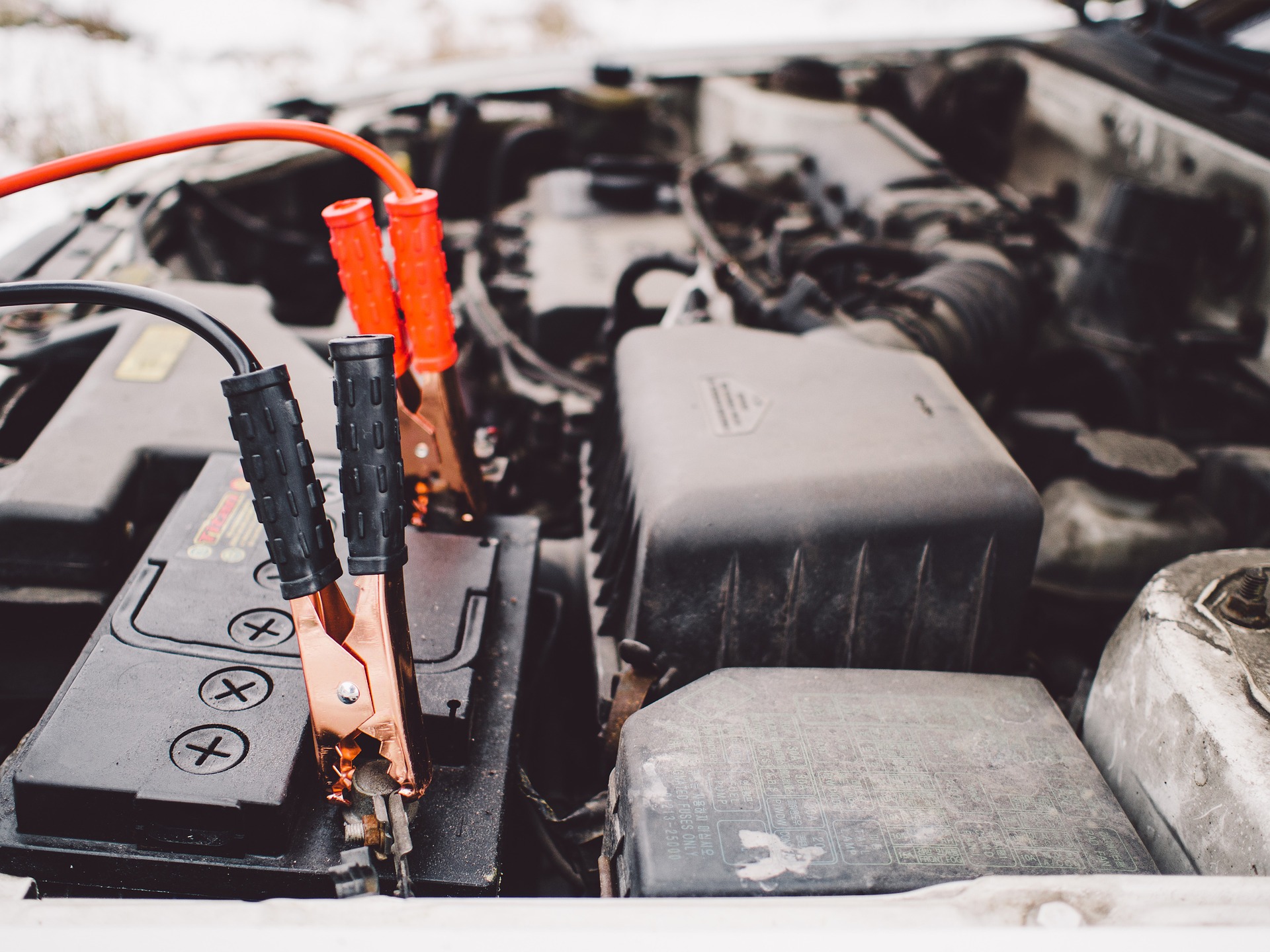
Here’s a fact to get the ball rolling; Did you know? Majority of car breakdowns are due to a simple battery failure. Car Battery Maintenance can reduce the chances of your car breaking down. That’s right! Batteries, an invention of the 1800s still very much useful today. Power windows, music system, headlights, auxiliaries and what not, car batteries are an essential part of an automobile.

A car battery has a limited lifespan, a well-maintained car battery should last you around 3-5 years, But many find that they have to replace their car battery every 1 to 2 years. A poorly maintained battery loses its capacity to hold a charge and eventually fails. So, if you want to avoid the inconvenience of an unexpected breakdown simultaneously ensuring a prolonged battery life, we are here with 5 simple tips on car battery maintenance.

1. Always keep the battery terminals corrosion-free:

One of the most recurrent problems with battery is corrosion build-up on the negative and positive terminals. Corrosion acts as a barrier between the battery and the vehicle thereby breaking the connection.

A simple fix for this can be a light scrubbing with an abrasive pad to dislodge the crud build-up from the terminals. Car battery maintenance can minimize the chances of corrosion.

Top Tip: add a dab of vaseline to the terminals to prevent further corrosion

2. Do not operate any electronics during startup:

When the engine is running,  the car alternator generates electricity and charges the car battery, but when the engine is off, the car relies on battery power only.

So, it is important to limit the use of any electronics just before or while starting the car to avoid unnecessary load on the battery.

Top Tip: switch off the AC and the music system before cranking the car to avoid damage to the battery.

3. Full charge your car battery at least once every month:

Did you know? Your car draws power from the battery even when the car is off. This is required for the anti-theft system to function.

Make a habit of charging your car battery every month or two to avoid a dead battery situation. This will also help the battery maintain a healthy charge density and prolong its life. Invest in a good battery charger for your vehicle if you don’t wish to visit a garage every month.

4. Check your car’s alternator for car battery maintenance:

An Alternator is a very crucial component responsible for charging the car battery when the engine is running. So, it becomes very important to ensure a functional alternator for a healthy battery life. Get the alternator checked every time you visit a garage.

Telltale signs of a failing alternator include; battery warning light on the dashboard, flickering headlights, engine cranking issues, and other electronic failures.

5. Do not overload your car battery with accessories:

Auxiliary fog lamps, high power music system, novelty lighting. These are all power hungry accessories draining the life out of your car battery. Every car battery has a load limit and can take only much before failing. Car battery maintenance can make your car move faster.

So, go easy with those fancy lights you’ve just bought off Amazon, and check if your battery is capable of taking the increased loads.

Bonus Tip: Always top-up car battery with distilled water ONLY:

In this day and age of “No-Maintenance” batteries, you don’t have to periodically refill the batteries with water anymore. But still, all car batteries require a specific level of distilled water to function optimally. Distilled water is required for the proper flow of electricity in the battery. Using normal tap water which contains metal ions can permanently damage the electrodes causing a degradation in charging capacity of a battery. Low water level can damage the cells inside the battery causing a failure.

Visit your nearest hardware store for a litre of distilled battery water.

Read Also:

Content Rally wrapped around an online publication where you can publish your own intellectuals. It is a publishing platform designed to make great stories by content creators. This is your era, your place to be online. So come forward share your views, thoughts and ideas via Content Rally.

View all posts

Leave a Reply

Your email address will not be published. Required fields are marked *

Related

Alloy Wheel Repair

Alloy Wheel Repair Restoring Your Wheels To Perfection

Are your alloy wheels showing signs of wear and tear? Do those scuffs, scratches, and dings make your vehicle look less than perfect? If so, it's time to consider alloy wheel repair. In this article, we'll delve into the world of alloy rim repair, exploring what it entails, why it's essential, and how it can transform your vehicle. Alloy wheels, surely, offer a custom appearance to any truck or car, which is why most people tend to prefer them. But just like its benefits, there are some limitations to it. Protecting them is foremost important. With these queries and more, I have curated this article. So, make sure you read it till the end and discover some significant facts.  Understanding Alloy Wheels Alloy wheels, also known as aluminum wheels, are wheel rims made from an amalgamation of aluminum and other metals, such as magnesium or nickel. These wheels are prized for their lightweight and stylish designs. For the past few years, car wheels were made out of steel just because they were durable, strong, and looked decent. However, the inclusion of alloy wheels boosted its demand by most motorsport industries. Ever since then, the commercial market has been asking for nothing more than alloy wheels. The Benefits of Alloy Wheels To state simply, alloy wheels provide multiple advantages over conventional steel wheels. Not only are they lighter, but they also improve fuel efficiency and handling. Additionally, alloy wheels are more resistant to corrosion, enhancing their longevity. Secondly, these wheels have an unparalleled visual appearance as compared to steel wheels. Their look has to be one of the critical reasons why most companies are willing to bring alloy wheels to their industry.  Alloys have always been a good conductor of heat in comparison to pure metals. This is exactly why alloy wheels came into existence for automobiles. These wheels can easily dissipate heat than their steel counterparts.  Finally, alloy wheels are much lighter as compared to steel. Hence, they offer better performance and handling to your automobile. Eventually, your alloy wheels contribute towards better fuel efficiency.  Common Alloy Wheel Issues From scuffed wheels to experiencing kerbside, alloy wheels usually have to deal with a lot. So, before you buy new wheels, make sure to consider all these issues and come up with efficient solutions. For your better understanding, I have listed down some common allow wheel problems.  Scratches and Scuffs One of the most common problems with alloy wheels is scratches and scuffs. These can occur due to accidents, parking mishaps, or even curbside contact. Curb Rash Curb rash is a specific type of damage caused by scraping the wheel against a curb. It can result in unsightly marks and, if left untreated, lead to more severe problems. Corrosion and Oxidation Alloy wheels can also suffer from corrosion and oxidation over time, especially in harsh weather conditions. This can affect both the appearance and structural integrity of the wheels. The Importance of Alloy Wheel Repair Allow wheels are, without a doubt, the perfect investment for your favorite vehicle. Hence, getting your car wheels nicely repaired is important for ensuring the smooth progress of your car. Moreover, it prevents other car parts from experiencing malfunction. But that’s not all! Check out the following to comprehend the significance of alloy wheel repair:  Restoring Aesthetic Appeal Alloy wheel repair is crucial for restoring the aesthetic appeal of your vehicle. A set of flawless wheels can significantly enhance your car's overall look. Preventing Further Damage Addressing minor issues promptly can prevent them from escalating into more significant problems. Repairing scratches and scuffs early on can save you from costly replacements. Enhancing Resale Value If you plan to sell your vehicle, having well-maintained alloy wheels can boost its resale value. Prospective buyers often look for vehicles that appear well-cared for. Alloy Wheel Repair Options There are several alloy wheel repair alternatives, but it mostly depends on the problem your wheels have been facing. While some people are concerned more about the repair cost, others care more about the quality. Combining all under one roof, here is a clubbed version of allow wheel repairing alternatives.  DIY Repair Kits For minor scratches and scuffs, DIY repair kits are available. These kits typically include sandpaper, filler, and paint. However, they may not yield professional-quality results. Professional Repair Services For more extensive damage or for a pristine finish, professional alloy wheel repair services are the way to go. Experienced technicians can restore your wheels to their original condition. The Repair Process Allow wheel repair specialists are involved when it comes to ensuring your allow wheel supremacy. But the repair process is not something that happens overnight. A series of included steps and careful consideration are involved here. Let’s give you a quick look at the overall repair process.  Assessment A professional repair service will begin by assessing the extent of the damage. They will determine whether the wheels can be repaired or if replacement is necessary. Proper Cleaning Once the assessment of allow wheels is completed, the next step is to clean off debris and dirt. This must be done before starting the process of alloy wheel repair. This is to ensure that no grime and dirt interfere with the process of repairing.  Repair Techniques Repair techniques may include sanding, filling, and repainting. Advanced methods, like CNC machining, can also be employed for precision repairs. Priming The Area After all repairs have been made, specialists use a primer to seal the area. Later, they match the color and start applying the right paint. This ensures a flawless new-like finish. Final Finish After the repairs are completed, the wheels are finished with a protective coating to ensure their durability and longevity. In conclusion, alloy wheel repair is a valuable investment for any vehicle owner. It not only enhances the appearance of your car but also prolongs the life of your wheels. Whether you choose a DIY kit or opt for professional services, maintaining your alloy wheels is a wise decision. Read Also: Car Accident Liability How Car Leasing Works And What To Expect How To Prepare For Massachusetts Car Shipping

READ MOREDetails
Fuel Storage Tanks

Fuel Storage Tanks: Ensuring Safe And Reliable Fuel Management

Fuel storage tanks play a critical role in ensuring the safe and reliable management of fuel. These tanks are essential for storing large quantities of fuel, providing a steady supply for various industries and applications. However, without proper maintenance and adherence to best practices, fuel storage tanks can pose significant risks such as accidents and environmental hazards. This article aims to explore the importance of regular maintenance, factors to consider when choosing a tank, best practices for fuel management, and strategies to ensure longevity and efficiency in your fuel storage system. Importance Of Regular Maintenance Regular maintenance plays a crucial role in ensuring the safe and reliable management of fuel storage tanks. Implementing proactive and cost-effective maintenance practices can bring several benefits to the overall operation. First, regular maintenance helps identify potential issues before they escalate into more significant problems, preventing costly repairs or replacements in the long run. It also ensures that tanks are functioning optimally, reducing the risk of leaks or spills that could compromise safety. Neglecting maintenance, on the other hand, can have severe consequences. Over time, corrosion and deterioration may occur, leading to structural weaknesses and potential failures. This not only poses a threat to the environment but also increases safety risks for personnel working with these tanks. In conclusion, regular maintenance is essential for maintaining the integrity and reliability of fuel storage tanks while minimizing costs and risks associated with neglecting upkeep. Factors To Consider When Choosing A Tank One important consideration when selecting a tank for fuel storage is the capacity required to meet the demand of the intended application. The choice of tank size should be based on careful analysis of the fuel consumption rate and anticipated future needs. Underestimating the required capacity can lead to frequent refilling, which could disrupt operations and increase costs. On the other hand, selecting a tank that is too large may result in excessive initial investment and wasted space. Cost considerations are crucial in determining the optimal tank size. Another factor to consider when choosing a fuel storage tank is its environmental impact. It is essential to select tanks made from materials that are resistant to corrosion and leakage, as these can cause harm to both human health and natural ecosystems. Additionally, tanks should have proper ventilation systems in place to prevent vapour accumulation and potential explosions. An environmentally friendly option would be tanks designed with secondary containment systems, which provide an additional layer of protection against leaks or spills. Considering these factors will ensure safe and reliable fuel management while minimizing negative environmental consequences. Read More: 5 Ways To Improve The Fuel Efficiency Of Your Truck Best Practices For Fuel Management An essential aspect of effective fuel management involves implementing proper maintenance and inspection protocols to ensure optimal performance and prevent potential issues. Fuel consumption tracking is a crucial practice that allows for accurate monitoring of fuel usage and the identification of any abnormalities or inefficiencies. This data can be used to optimize fuel efficiency, reduce costs, and identify potential leaks or theft. Additionally, ensuring fuel quality control is imperative to maintain the integrity of the stored fuel. Regular testing should be conducted to check for water contamination, microbial growth, sedimentation, and other impurities that could affect the fuel's performance. Implementing filtration systems and regular tank cleaning can help mitigate these risks. By adhering to these best practices for fuel management, organizations can improve operational efficiency while promoting safety and reliability in their storage tanks. Preventing Accidents And Environmental Hazards To mitigate the risk of accidents and environmental hazards, it is important to implement robust safety protocols and practices. When it comes to preventing spills, one key measure is ensuring that storage tanks are regularly inspected for any signs of corrosion or damage. Additionally, strict guidelines should be in place for the handling and transferring of fuel, including the use of appropriate equipment such as spill containment systems and drip pans. Emergency response procedures must also be established to effectively address any spills or leaks that may occur. This includes training staff members on proper response techniques, having readily accessible spill response kits on site, and establishing communication protocols with local emergency services. By implementing these measures, fuel storage facilities can significantly reduce the likelihood of accidents and minimize potential environmental impacts. Ensuring The Longevity And Efficiency Of Your Fuel Storage System Maximizing the lifespan and effectiveness of a fuel storage system requires implementing comprehensive maintenance procedures and regularly monitoring for any signs of deterioration or inefficiency. Proper fuel storage system maintenance is essential to ensure optimal performance and prevent potential issues that could compromise safety, reliability, and efficiency. This includes regular inspection of tanks, pipelines, valves, and other components for corrosion, leaks, or damage. Additionally, it is crucial to conduct routine cleaning to remove sediment buildup or contaminants that may affect fuel quality. Implementing preventive measures such as cathodic protection systems can help mitigate corrosion risks. Monitoring fuel levels and conducting periodic testing of stored fuel quality is also vital to ensure efficient operation. By adhering to these maintenance practices, operators can safeguard their fuel storage systems against premature degradation and maintain their efficiency over time. Additionals: Truck Accident Scenarios: Who Is Liable? A Set Of The Best Exercises For Truck Drivers The Most Common Causes of Truck Accidents The Main Reasons Why Cabover Trucks Are Less Common Than Long Hood Rigs  

READ MOREDetails
7 Ways Truck Accidents Differ from the Regular Car Crashes

7 Ways Truck Accidents Differ from the Regular Car Crashes

Truck accidents happen due to severe weather conditions, road hazards, and exhausted driving. When accidents occur, the laws require further steps than are needed for a standard auto accident. Federal and state laws apply to truck accidents, and law enforcement must follow these laws when determining what happened. Victims who were involved in a trucking accident review the 7 ways truck accidents differ from regular car accidents. Here are the 7 Ways Truck Accidents Differ from the Regular Car Crashes: 1. Federal Motor Carrier Safety Administrator Regulations Apply Federal Motor Carrier Safety Administrator regulations require all commercial drivers to take a resting period after each 12-hour driving schedule. A failure to follow the regulation increases the risk of a trucking accident. All miles traveled in the truck are recorded in the driver's log. Additionally, the drivers are required to stop at weigh stations that are open throughout the interstate. An imbalanced load increases the risk of the rig jackknifing and causing a trucking accident. All drivers and trucking companies must follow all federal laws pertaining to operating an 18-wheeler. 2. A Higher Potential Payout Through Insurance Trucking companies have more insurance coverage than most auto owners. Victims involved in the trucking accidents have a chance of receiving far more substantial payouts to cover medical expenses and property damage if the truck is owned by a trucking company. The coverage applies to all victims involved in the accident when the commercial driver is responsible for the accident. If the victim's injuries and property damage costs exceed the coverage maximum, the victim can file a lawsuit to collect compensation. 3. A More Thorough Investigation is Required Federal laws require more thorough investigations for all trucking accidents. An investigation determines if the commercial driver followed federal regulations or if the driver was under the influence of drugs or alcohol. The truck is evaluated for mechanical failures that contributed to the accident, too. 4. More Substantial Injuries and a Higher Risk of Fatalities The risk of more substantial injuries or fatalities is greater than with regular car crashes. The weight of the commercial truck alone increases the likelihood of a fatal accident. Trucking accidents often include several vehicles and multiple injuries. 5. More Potential Individuals Could be Involved in the Accidents The accountable party isn't always clear at first when it comes to trucking accidents. First, law enforcement evaluates the driver. If the driver didn't cause the accident, the next step is to evaluate the truck for mechanical failures and faulty parts. Any mechanical failures that were due to the trucking company's failure to serve the truck make the trucking company liable. 6. Medical Bills Often Cost More After a trucking accident, the victim's medical bills could cost a lot more than if the victim was involved in a regular car crash. Since injuries are often more severe, the medical costs are greater, and some patients sustain permanent injuries. Traumatic brain injuries are more likely in commercial trucking accidents. 7. More Property Damage Than in Regular Auto Accidents Extensive property damage is possible in a trucking accident. The path of the accident defines how much property damage occurs. If the accident happens on a major highway, it is possible for the accident to involve multiple vehicles and properties that are nearby. Commercial trucking accidents increase the risk of serious injuries and fatalities. Whenever a large-scale truck is involved, the weight and the speed of the truck play a role in the outcome. Victims who were involved in the accidents follow tips for filing lawsuits and collecting compensation for their injuries and financial losses. Read Also: Get to Know Interstate and Intrastate Heavy Haul Transport The Hidden Damages In Workspaces: 5 Steps To Reduce The Risk Of Workplace Injuries!

READ MOREDetails