











Can Dogs Safely Take Aspirin? Discover A Safer Alternative With CBD

Published on: 07 August 2023 Last Updated on: 31 August 2023
Aspirin

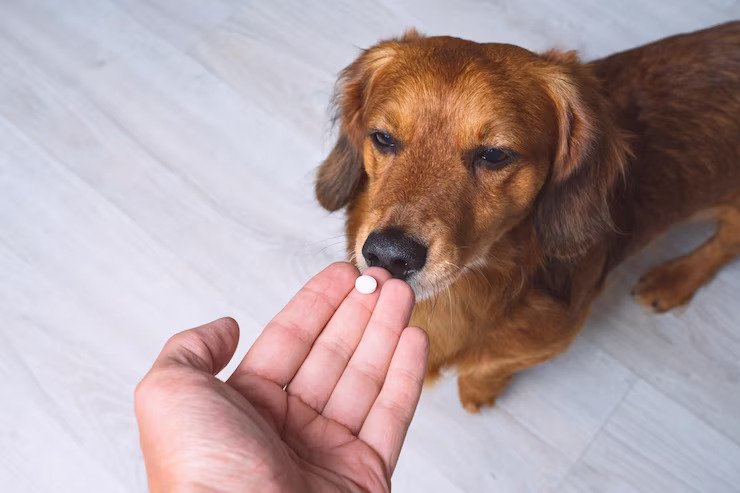
When your furry companions experience pain or inflammation, you naturally want to provide them with relief.

Aspirin is a common over-the-counter pain reliever humans use, leading pet owners to wonder if it is safe for their dogs.

Read on to discover “Can dogs take aspirin?” and how CBD can relieve pain for your beloved canine companion.

The Potential Risks of Aspirin for Dogs

Aspirin for Dogs

Aspirin belongs to a class of nonsteroidal anti-inflammatory drugs (NSAIDs). While it can be safe and effective for humans, dogs have different physiology that can make them more susceptible to the adverse effects of aspirin.

Here are some risks associated with administering aspirin to dogs:

1. Gastrointestinal Upset

Dogs are more prone to developing stomach ulcers and gastrointestinal bleeding from NSAIDs, including aspirin. The delicate balance of their digestive system can be disrupted, leading to vomiting, diarrhea, and even more severe complications.

2. Kidney and Liver Damage

Aspirin can place significant strain on a dog’s kidneys and liver. Over time, prolonged use or excessive dosages may lead to kidney or liver dysfunction, potentially causing long-term health issues. Reduced blood flow- often caused by aspiring might damage not only the liver of your favorite pet but also its kidney. 

3. Blood Clotting

One of the potential benefits of aspirin for humans is its blood-thinning properties. However, this can be dangerous for dogs, as it may increase the risk of internal bleeding, especially if they have underlying conditions or are taking other medications.

4. Reverse Healing

While aspirin can help your animal overcome pain, it might harm other bodily operations. The reason is prostaglandins have certain positive impacts on their body. Hence, when prostaglandins are exhibited from aspirin, there might be some reverse healing consequences.

5. Might Lead To Bleeding

Since aspirin works like a blood thinner, it might help in stopping blood clots when the dog is bleeding. Dogs having the disease of Von Willebrand should never consume aspirin. This disease lasts lifelong, and the blood never clots.

The Safer Alternative: CBD for Dogs

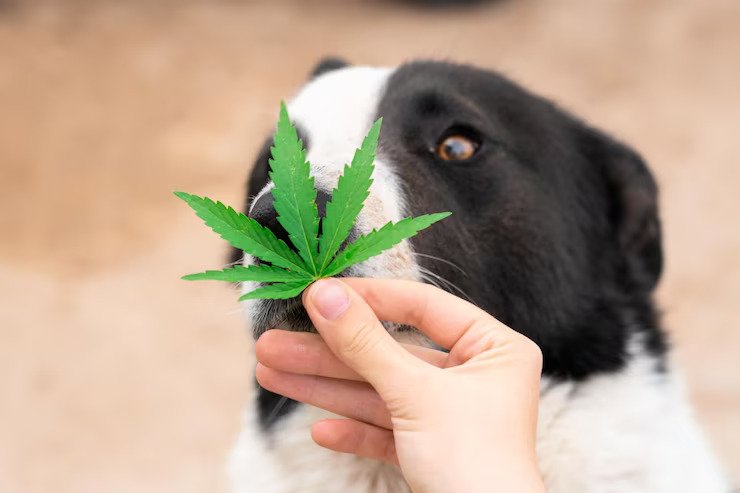
CBD is a non-psychoactive compound obtained from hemp. It has gained popularity recently for its potential therapeutic benefits, including pain relief and anti-inflammatory properties.

Here’s why CBD is a safer alternative to aspirin for dogs:

Natural Pain Relief

CBD interacts with the endocannabinoid system in dogs, which helps regulate pain perception. It can provide relief for various types of pain, such as joint discomfort, arthritis, and post-surgical pain, without the potential risks associated with aspirin.

Anti-Inflammatory Effects

Inflammation is a common source of pain for dogs, and CBD has shown promising anti-inflammatory properties. CBD can help alleviate discomfort and improve mobility in dogs suffering from osteoarthritis or autoimmune disorders by reducing inflammation. A classic example of anti-inflammatory effects includes aspirin, which helps in the reduction of ulcers. 

Reduces Convulsions & Seizures

CBD has recently become a new alternative when it comes to treating seizures and convulsions in dogs. Without many possibilities of a side-effect, most dog owners prefer CBD oil instead of aspirin. CBD for dogs might be available in various convenient forms, including extracts from a dropper bottle or in addition to the food.

Minimal Side Effects

Unlike aspirin, CBD is generally well-tolerated by dogs. It has a favorable safety profile, with minimal side effects reported, such as drowsiness or dry mouth. However, it’s essential to consult with a veterinarian to determine the appropriate dosage for your dog’s specific needs.

Gastrointestinal Support

The infamous CBD oil is popular for relaxing and calming the intestinal lining of your dog. Ultimately, it reduces unnecessary pain that is caused when muscles are tensed in and around the stomach. The ingredients in CBD oil promote a healthy digestive system in your pet’s body. Depending on the health needs of your pet, you might upgrade to higher-potency CBD.

Choosing the Right CBD Product for Your Dog
CBD Product for Your Dog

Choosing a high-quality product specifically formulated for dogs is crucial when considering CBD as an alternative to aspirin. Here are some key factors to consider:

Organic and Lab-Tested

Opt for CBD products made from organic hemp and undergo third-party lab testing. This ensures the absence of harmful chemicals, pesticides, and contaminants, guaranteeing the purity and safety of the product for your furry friend. Your pets, especially dogs, need careful attention. Hence, you must always opt for an organic CBD oil. 

Transparency

There are so many ways in which a company can offer you lofty promises of being top quality. But in order to buy the best CBD for your dog, you must always look for a brand that is transparent with its consumers. The CBD oil must be tested through a neutral third-party lab in order to reach the doors of your house.

Full Spectrum vs. Isolate

Full-spectrum CBD products contain a wide range of beneficial compounds in hemp, including trace amounts of THC (tetrahydrocannabinol). While THC is typically present in very low concentrations, choose CBD isolate products if you prefer a THC-free option.

Proper Dosage

Determining your dog’s CBD dosage can be challenging. Factors such as their weight, age, and the severity of their condition play a role. Consulting with a veterinarian experienced in CBD use for pets is essential to ensure you administer the correct dosage.

Check The Quality

Your pet is no different than your other family members. You might want to provide them with the best care. Look for qualities like the following in CBD oil: 

  • Rich in antioxidants
  • USDA Certified Organic
  • Solvent, pesticide, herbicide and mycotoxin-free
  • Human grade
  • Without additives

Conclusion

While many pet owners may wonder, “Can dogs take aspirin?” it’s important to recognize the potential risks and adverse effects of giving this medication to your canine companions. Instead, CBD offers a safer alternative for managing pain and inflammation in dogs.

With its natural properties and minimal side effects, CBD can be a valuable tool in improving your dog’s well-being without the potential dangers of aspirin.

Before introducing CBD into your dog’s healthcare routine, remember to consult with your veterinarian and choose a reputable CBD product specifically formulated for dogs.

Read Also:

Abdul Aziz Mondol is a professional blogger who is having a colossal interest in writing blogs and other jones of calligraphies. In terms of his professional commitments, he loves to share content related to business, finance, technology, and the gaming niche.

View all posts

Leave a Reply

Your email address will not be published. Required fields are marked *

Related

House Odor-Free

7 Pro Tips to Keep Your House Odor-Free From Cat’s Smell!

Having a furry companion like a cat is no less than having a true friend. Protective, loyal, and always happy to be with you, cats provide a wellness boost. Also, they are cute, innocent, fluffy, affectionate, and what's not to love them. But, as much as we adore these furry balls, there are certain things that are quite challenging and kitty smell being at the top. There will be a little bit of odor that comes along, no matter what brand of food you feed her; and, even if you get accustomed to that smell, not everyone visiting your home loves it. Further, keeping your house fresh and pets smelling pleasant is all about maintaining the balance between pet grooming and your house cleaning schedule. Here are some pro tips that can make your house sparkling white and house odor-free: 7 Pro Tips to Keep Your House Odor-Free From Cat's Smell: 1. Cat's Litter Box - The Placement and Cleanliness: The only thing that will keep litter smells at bay is their right placement and regular cleaning of the litter box.  This means, removing the clumps if you use clumping litter, scooping the box every day, and cleaning it thoroughly. Use multiple litters and place the boxes away from the doorways. Also, keep an eye on the litter you use, as most owners use hypoallergenic and odor-eliminating ones. For that, you can check review for Catspot litters to pick the best one for your pet. 2. Keep A Check On Your Cat’s Diet: The food you feed to your cat also plays a huge role in deciding how much they smell. For instance, cow's milk increases the smell and can upset the stomach of your cat. So, keep a check on what you are feeding. 3. Keep An Eye On Other Odors: Another important thing you can do is to bathe your pet in every two or more months. This is even more necessary if your cats suffer from skin issues or spend a lot of time outdoors. Bathing will remove the dead cells from the skin and make them feel healthy. Whether its comforters, pillows, curtains, or anything lying around, you would be surprised by how quickly they affect your home's atmosphere and trap odors. Throw them in the machine and control all the pet-related odors that might be lingering around. 4. Use Humidifiers And Air Purifiers: Air purifiers will not only help to improve the air quality but will also eliminate all unpleasant odors. Use air-fresheners like baking soda, lemon water, cloves, and more. Baking soda is the natural and most powerful odor-absorbing ingredients that can deodorize without hampering health. You can also use fresh flowers to make your home smell pleasant and fresh. Just make sure that the flowers you pick do not affect your kitty's health. 5. Clean Cat's Dishes: Don't forget the wet foods that stick to the food bowls. Clean them in hot, soapy water and use antibacterial soap. If you use the dishwasher, scrub-off thing that gets stuck to the bowl and then put the bowl in the dishwasher. 6. Don't Forget The Cat's Grooming: You won't feel any smell from your cat's fur unless they suffer skin infections that give rise to bacteria and yeast accumulation. To remove the dust and detritus from the fur, use wipes that are non-toxic, hypoallergenic and comes with a correct pH level. Also, comb your kitty's fur to remove loose hair and to limit shedding. 7. Vacuum Often: If you have a cat, the one thing that you will see all around is its hair!  Cat's hair can be found everywhere, which even bothers many owners. However, there's a solution- use a pet-friendly vacuum that is designed to make your free form cat's hair.  These vacuums contain heavy turbo tools that are attached to the portable devices, which you can also take on the go. So, those are some of the tricks you can use to get rid of cat odor. However, if the problem persists, take your cat to the vet. Read Also: How Your Pet Will Change Your Life Pet Supplements: Which Ones Are The Best For Your Pet? Get A New Leash On Life: 10 Reasons Why Everyone Should Have A Pet

READ MOREDetails
Elk Hunting

7 Elk Hunting Tips to Follow

One of the most beautiful sounds in the world to a hunter may be the bugle of a male hunter calling his harem. These majestic animals often weighing up to 700 pounds are grazers that chew their cud. Depending on where you plan on hunting, you can hunt elk from late July through mid-December. Whether you go elk hunting regularly or are fixing to go on a once-in-a-lifetime trip, following some elk hunting tips will give you a better chance of killing a big elk. Know Your Weapon's Capabilities : Whether you choose to hunt with a bow and arrow or with a shotgun, it is important to know your weapon's capabilities. There is nothing worse than getting into the field on a beautiful fall day to discover that your equipment is not working properly. Many hunters discover that their accuracy greatly decreases after 100 yards, but they fail to wait with bated breath until the buck or doe is close enough. Practicing with your weapon at home ensures that you know how it operates and what you can trust in its reliability. Additionally, make sure to practice with any equipment that you plan on using in the field like rangefinders and shooting sticks. Practice in the position that you plan on shooting from when you see that majestic animal walk in front of you. Know The Habitat : If you do not live in the area where you plan on elk hunting, then get a topographical map of the area and study it before making your trip. Otherwise, get out in the field before hunting season begins and learn the territory first hand. Elk often uses grassy ridges as travel corridors between feeding and bedding sites. Mark wide flat valley areas that contain headwaters to small creeks and streams as elk often congregate there during the early hunting season. Consider hunting creek bottoms because elk love the variety of vegetation often found there. Determine the direction of the wind so that you keep it in your face blowing your scent behind you when getting into position. Most state wildlife divisions publish reports of estimated elk numbers, and reading these reports can often give you an indication of what part of the state you need to hunt in when possible. Get Into Physical Condition : If you are looking to go on an elk hunt, then you need to be in great physical condition. It is not unusual to cover at least five miles while hunting. Keep in mind that you will likely do it while carrying your gun, a daypack, and other supplies. While you may wish that the buck would choose the top of a hill with amazing scenery, they will often choose to stay more hidden, especially as the season wears on. Getting into good physical condition also means that you will not be so out of breath when he walks in front of you that you cannot take an accurate shot.Additionally, ensuring you have the right shotgun ammo is crucial for a successful hunt. Think About the Elk's Diet : Understanding what an elk eats will let you position yourself correctly depending on the season. If it is still summer when you begin to hunt, then look for them in grassy areas with lots of forbs. As the temperatures begin to drop, then they will be in areas where grasses are still present. Elk spends a lot of time grazing during the fall as they try to store up fat to get through the cold winter months. As the days become cold, they are opportunistic grazers who will feed on tree bark and small branches. After the first snow, they often avoid going into valleys, but they choose to stick close to the edge of wooded areas. Look for Signs : You will want to watch for signs that elk are in the area. If you are an experienced deer hunter, then realize that elk hoofprints are about twice the size of deer impressions. Additionally, their pellets are about twice as big as those of deer. Finding these signs are great ways to know that elk are in the area where you are hunting. While getting to a high vantage point can be rough physically, use it to your advantage as it will allow you to see elk from far away. Then, devise a plan to get there moving against the wind. This will often require you to circle the herd before closing in. Stay in the Field : Many hunters choose to go hunting in the early morning and about the time the sun goes down. Staying in the field all day can result in you getting a big elk because as hunters return to camp, they often scare the elk toward you. This can take advance planning as you will want to stay warm throughout the hours in the field when you may not move much. Dressing in layers helps you adjust to changing temperatures. Wearing hiking boots with rugged soles can help you get through rugged terrain better. Pack a lunch in your daypack. Avoid using a campfire as elk can smell the fire and will stay away. Look Up : Many hunters spend the majority of their time looking at the ground. While this may be tempting while moving across rugged terrain, there are no elk located right under your feet. Instead, spend your time looking around you. That is where the large elk buck will be located. They may, however, try to hide from you, so paying attention helps you spot that glimpse of brown fur behind an object. At the same time, wear clothes that you can easily be spotted in and watch for other hunters in the vicinity. Use these tips to have a successful elk hunt. Before going, ensure that you have a way to transport the elk home because you will want to fill your freezer with delicious elk meat or donate it to a worthwhile charity. Read Also : Hunting Tips For Beginners Time For A Rush Of Adrenaline

READ MOREDetails
Squid and Octopus

Are There any Differences Between Squid and Octopus?

People are often confused with octopus and squid, for most of the individual they are classified as cephalopods. They might resemble with one another, however, there is a difference between the two and unique hunting methods got used to catching them. So, what is the major difference between squid and octopus? It is clearly stated below in this article. Are There Any Differences Between Squid and Octopus? Yes there exists the difference between the Squid and Octopus that you need to know. Squid vs octopus: In order to assist you to understand octopuses and squid better, here we have described some of the similarities as well as the difference when it comes to anatomy, habitat, size, biological classification, and hunting behavior. Biological classification- both octopuses and squid are cephalopods, that means they have head-footed and it has no real feet or head as the most prominent feature. They are both mollusks and invertebrates and they contain eight arms. Unlike other mollusks, they neither have a shell. Anatomy: The octopuses and squids are built similarly and this is how one can tell they are entirely different creatures just by the appearance. The octopus might have eight arms and a round head that radiate like spokes of any wheel. The squid also contains eight arms and a triangular head with extra long tentacles. The body is long and it contains a bony plate known as a pen which is a vestigial remnant of its shell. You will notice that the squid also has two fins over their head however the octopus has none fins. The dumbo octopus has an ear like a fin over their head that might resemble as a large floppy ear of the elephant. Both octopus and squids have a sucker over their arms and it has two extra tentacles that got equipped with a special sucker ring and hooks with teeth attached. Interestingly, they both have a squirt copper and ink in their blood. The copper helps in oxygen transportation within the animal’s bodies. Size: Most of the people believe that squids are smaller kind however the squid normally grow under 60 cm to 20 meters long. However, the smallest squid species is just an inch long. On the other hand, octopuses grow anywhere under 1 centimeter – 9 meters. Lifespan- another key difference both squid and octopuses have is life expectancy. Both the species have a decent lifespan if their size is considered. The lifespan of squid is between nine months to five years however the octopuses can live anywhere between one to three years. Habitat- The squid can be easily found out in several areas of sea, even from a darker depth of the ocean to shallower water. On the other hand, the octopuses prefer to live under the seafloor level whether it could be deep water or shallow waters. In fact, it is said that octopuses live in rubbish that can be easily sunk to the bottom of the floor. Hunting behavior: Due to the anatomical differences, the hunting techniques might vary. The squid has a habit of swimming over the open ocean in small groups and it can make use of their extra tentacles along with sucker rings in order to give them extra reach. It helps them to catch shrimp and fish then it can be easily eaten up. On the other hand, the octopus stays over the seafloor and it eats bottom crustaceans because the soft bodies will make them vulnerable. They pierce, grab and inject poison into the body of prey and it will paralyze it. This then dissolves as well as loosens the prey through the usage of saliva before ripping it into parts. The observation on the octopuses demonstrates that it is a solitary creature. They don’t like to live in groups thus prefer a lifestyle as “hermit”. The squid species are solitary and they travel the ocean. The way the squids, as well as octopuses, eat and catch is different. The squid usually hunts for fish through swimming crustaceans like shrimp and it catches them with its tentacles. The prey is then consumed using the structure that is beak-like known as radula to cut into prey at their mouth. Multiple rows radula has in form of “teeth” that would help squid in grinding the prey before ingesting it. Most of the squid will hunt in coordinate and group their movement so as to maximize all the catches. The octopuses are solitary hunters and they catch the prey over the ocean floor along with arms. They inject venom into the prey that paralyzes it. Digestive enzymes also introduce catch which softens for ingestion by octopuses. How do squid and octopuses move? The squid and octopus can swim in any of the direction and it can easily alter the course quickly. The squids make use of the fins that are located over their head that can be used to propel themselves when it swims. It can move at low speeds.  The fins can easily stabilize and steer the squid when they move slowly and it wraps the body all around when it has to move quickly. Most of the octopuses don’t any fins. Do the squid and octopuses live in schools? Since solitary animals like octopuses, they live alone as den and squids live in schools. The young squids become more solitary in the future. Additional information: Taste- octopuses have more taste receptors over their body as much as ten to a thousand times in comparison to humans. Touch- the octopuses are sensitive to touch however you cannot discriminate between the light and heavy objects. Sight- the squid and octopuses have excellent vision however they might be color blind. It has 360-degree vision range with eyes Smell- the squid and octopuses can register smell in pits that are located over the beneath eyes. How they protect themselves? Coloration- they can create or change color in intricate patterns on bodies so as to blend with surroundings Ink- the squid and octopus can expel copper ink that is dark. This can be used to confuse the predators thus giving off octopuses and squid time to escape This is all about the major difference between the octopuses and squids, you can know additional information on the internet. Read Also: Forever Young: Natural Ways To Live A Longer Life Best Deer Hunting Trail Camera Tips For Scouting Wildlife

READ MOREDetails