











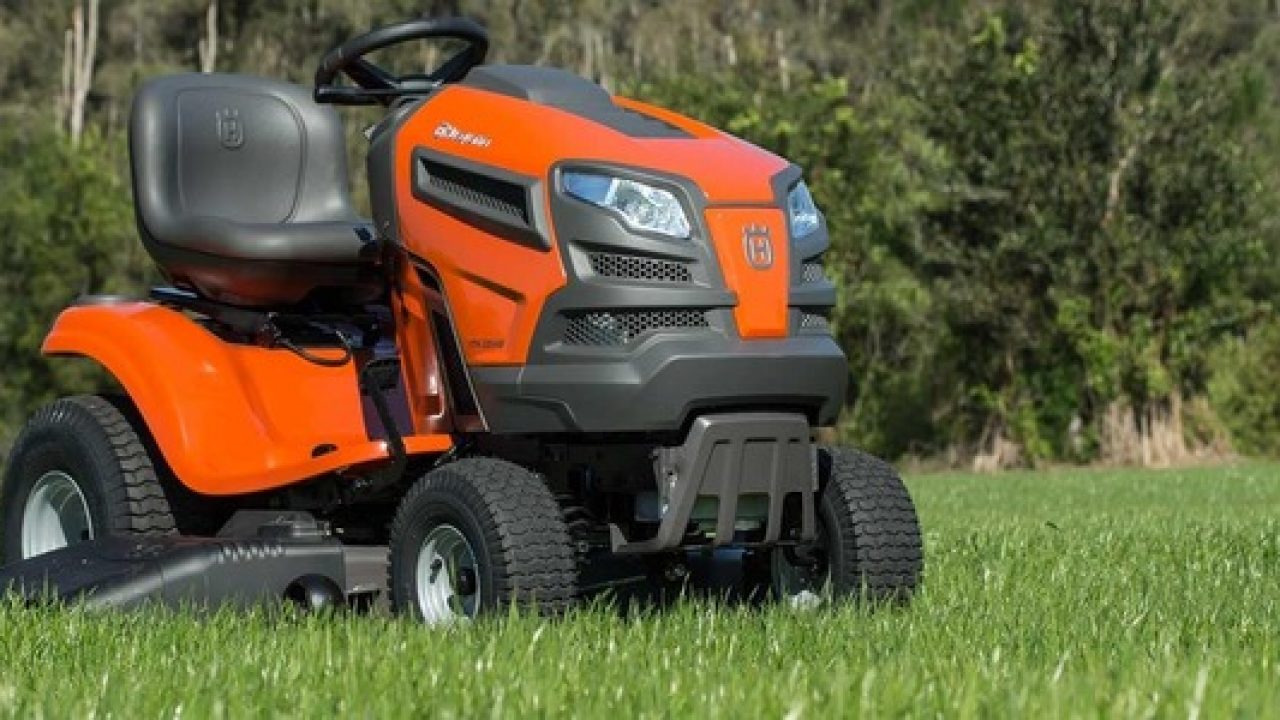
The Best Riding Lawnmowers: These Lawnmowers are for You

Published on: 30 December 2019 Last Updated on: 12 February 2020
Lawnmowers

Coming to a storehouse to look for lawnmowers, you can hardly find those, or these lawnmowers are the best choices on the first look. You will have to spend some time considering some specs they have. Otherwise, you will just end up in disappointment.

For you who own wide stretches of land, a lawnmower is no wonder an essential thing. Moreover, if you have hilly fields on your property, lawnmowers can serve as your savior in taking care of the grass. Then, how to make the best deal of the device? These tidbits will tell you.

Considerations in Choosing a Riding Lawnmower

Riding Lawnmower

Jumping into the purchase of a perfect lawnmower is not as easy as buying clothes. Having a high price, you surely do not want to choose the wrong lawnmower.

Here are some factors that you should count in before buying the device:

1. Transmission

Just like a vehicle, a lawnmower comes in two types of transmission: manual and automatic. If you opt for easier operation, then an automatic one should be your choice. Automatic riding lawn mowers are usually available in CVT or hydrostatic transmission. These lawnmowers will avoid you from manual shifting.

2. Power

Power is one of the most important considerations while selecting a riding lawnmower for your hilly property. It will determine the number of hills to handle. The best range of power is between 13 to 23 HP. The steeper hills you have in your lands, the more powerful lawnmower you will need.

3. Fuel Source

Most lawn mowers need gas or diesel as their fuel sources. Make sure you find out about this before choosing your lawnmower. Select the one whose fuel source becomes your best preference in terms of availability and efficiency.

4. Zero-turn Lawn Mower

A zero-turn technology will let you turn the lawnmower faster and smoother. It also allows you to turn in 180 degrees rotation. Lawnmowers with this spec will make the lawn tasks finish quicker. A consideration of these lawnmowers is a must.

5. Cutting Options

Cutting options deal with the deck height. Great lawnmowers have various deck heights from 1 to 4. The height will determine how short the grass can be cut. There are manual and electronic-featured lawnmowers to adjust the height.

Top 3 Riding Lawn Mowers to Purchase
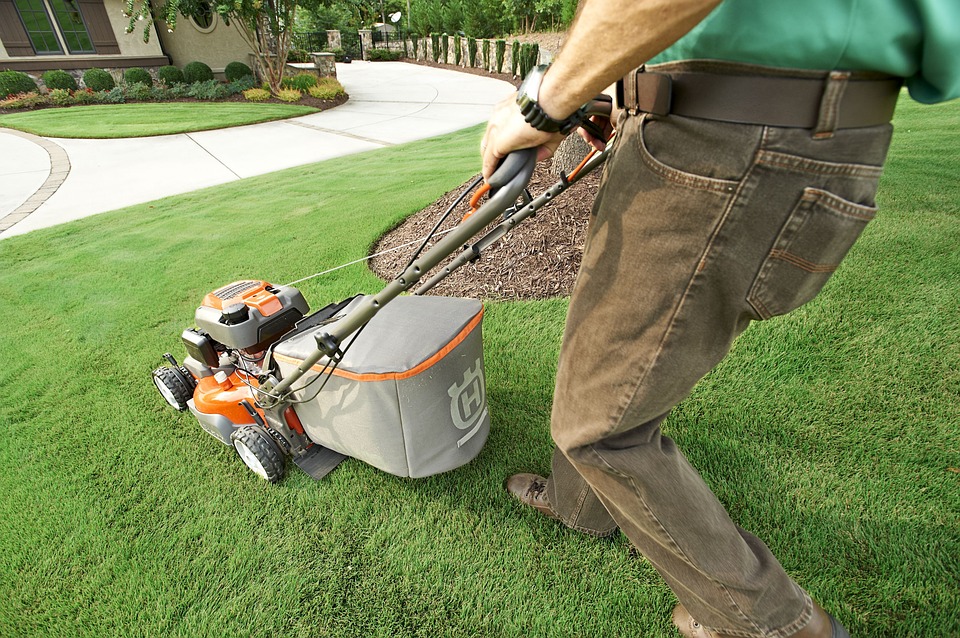
Riding Lawn Mowers

The best riding lawn mowers are those who have as many as the aforementioned features. Some companies have launched their best products to the market. Here are the top 3 best devices for you to select.

1. Husqvarna Pedal Tractor Mower

This lawnmower owns 18.5 HP, making it a recommended device for the hilly area. It has a small yet wide deck. It also has multiple transmissions that let you change into various speeds. However, as the size of this lawnmower is considered small, it might take more time to mow a wide area of the field with this device.

2. Husqvarna Z242F Kohler Confidant

This Husqvarna type has all you need from a lawnmower. It has a 23 HP device, zero-turn technology, hydrostatic transmission, and comfortable back support on its seat. Unfortunately, Husqvarna offers merely a 3-year warranty for this lawnmower type.

3. Cub Cadet XT2 SLX50 Enduro Series

Cub Cadet provides a 50 inches deck on this lawnmower, letting you cover a large area quickly. It also has a hydrostatic transmission and a very high, comfortable backed seat. However, there is not much power on this device for it comes only at 679 ccs.

Simple research is all you need to do when you plan to buy a riding lawnmower. The above considerations should be counted in. That is the way to find out if those or these lawnmowers are the perfect choices you can have.

Check it out New post About the best hedge trimmers.

Read Also:

Content Rally wrapped around an online publication where you can publish your own intellectuals. It is a publishing platform designed to make great stories by content creators. This is your era, your place to be online. So come forward share your views, thoughts and ideas via Content Rally.

View all posts

Leave a Reply

Your email address will not be published. Required fields are marked *

Related

Auto Repair

Top 10 Signs You Might Need Auto Repair Services

Is your car having difficulty starting up? Is it chugging and blowing out smoke? Which kind of problem can you do yourself and which ones should alert you it's time to visit a mechanic ship? Knowing when to get your car checked by auto repair services can make it cheaper for you. After all, if you put it off, the damage might take a turn for the worse and make you spend more. Take note that automotive repair costs United States drivers $50 billion a year, so if you want to save as much money as possible, you need to care for your car properly. Here are ten signs your car needs a tune-up: 1. Check Engine Light is On: A check engine light isn't a cause for concern when it's lit--a flashing one is a major indicator of a problem. It could mean that there's something wrong within any components and systems monitored by your car's computer. However, as long as the light is on, you must have the engine checked sometime soon. If you want to know more about scheduled Subaru maintenance, you can read more here. Otherwise, when an engine-like symbol glows in your dash, you need to get the engine checked as soon as possible. It might be an issue with the emissions system, which can give serious damage to your catalytic converter. 2. Smoke Out of the Hood: Vehicles must never have any type of smoke coming out from under their hood. If you see this, it's a sure sign of overheating. This can give serious damage to your car's engine if you continue driving without addressing the issue. Look at the dash and make sure to check the temperature gauge on a regular basis. Make sure that it isn't giving way for whatever reason. It's important that you pull over when you're driving since it allows you to let it cool down and call an automotive repair service for assistance. Another reason is that you're leaking coolant liquids from the radiator, hose, or gasket. This is especially true when the white smoke comes from the car's engine compartment. 3. Transmission Issues: When you're driving, take note of the way your car operates in a normal situation. Ask yourself these questions: Is it difficult for the car to achieve speed? Does it surge or give off odd sounds when operating? If you answer yes to these questions, you need to get car repair services. Without professional service repairs, you could get into an accident while on the road. This creates a dangerous situation for you and your kids. There might be a recurring transmission problem with your vehicle. Taking it to an automotive repair shop fixes the problem with the use of the latest technologies available. It's necessary for you to do this as soon as you can to avoid spending more in the future. 4. Excessive Smoke and Noise from Exhaust: Pay attention to the sounds your car makes when you're driving. The type of noise you hear will dictate the kind of possible problem. For example, if you hear hissing sounds from the exhaust, it's possible that its manifold or pipe has a crack. Chugging noises can mean that the exhaust system has a blockage. Meanwhile, rattling sounds underneath your car can mean that the exhaust system is suffering from misalignment. These sounds are good indicators that it’s time to change the exhaust system you can visit goblackops.com.au as they provide high-performance systems at reliable prices. As for excessive smoke, one possible reason is that you have an oil leak, especially when a burning smell accompanies it. In cold winter months, you might notice that there's more white smoke when you first start your car. This isn't a cause for alarm because it's only water vapor coming out of the exhaust system--they'll disappear once the temperature of the engine increases. But when you're driving and see too much smoke from the exhaust, it's best to go to a repair shop first. The same is true if you check your car's bumper area and notice a black residue near the area of the exhaust pipe. 5. Gas Mileage Decreases: If your car experiences a sudden drop in its gas mileage, you need to schedule routine maintenance as soon as you can. This could mean that you'll need to fill up its gas tank more often. The reason why this is urgent is due to the fact that you want to save as much money as possible for the gas, especially now that a barrel of oil is at $70. One of the main reasons behind this might be a bad fuel injector or a dirty fuel filter. It might also mean that there's a problem with the spark plugs. Either way, it requires your utmost attention and the help of professionals. 6. Difficulty Starting Vehicle: When getting into trips, do you find it difficult to make your vehicle startup? If your answer is yes, then it might be a good time for you to visit a repair shop for a tune-up. You need to do this as soon as possible especially when you're having a difficult time turning over right when you're trying to make it start. Another possible reason is that you're trying to start it while the engine is hot from the outside weather. It's related to the car's fuel, especially since a hot engine makes it harder for fuel to circulate because of the blocking vapor. In a worst-case scenario, the car won't even start. Remember, even after you shut the engine, it will still get hot for a short while. During this time, water vapor will spread around, obstructing the engine from circulating fuel. 7. Excessive Leaks: Noises and leaks are two of the most common problems for 2017 car models. You need to take your car to the nearest mechanic if it has major leaks underneath. If you're checking for leaks, the most common location is toward the car's front, where you might see different-colored liquids. If the liquid is bright green, it's the coolant leaking. Otherwise, dark red or brown liquids can either be transmission oil, brake fluid, or engine oil. But if it's only plain water, don't worry--it's the normal result of the air conditioner running during warm summer months. 8. Signs of Rust: When you see rust on your car, you need to remove it fast regardless of whether you do it on your own or let professionals help you. When left alone, a single rust spot can grow fast and cause a structural problem if it reaches a certain size. Deal with it fast since most states will never pass inspections if they have rust holes in the body. It's especially needed if you bought a secondhand car. It doesn't matter if the spot is small or it's located in an unimportant part of the car body. You need to eliminate it as soon as you see it. To do this in an effective manner, you need to understand the most problematic areas in your car as well as the methods you need to address the problem. 9. Vehicle Shakes or Jumps : When you experience this, it's a sign of a performance issue. It might be a good time for you to take your car for a tune-up. Take it for a test drive on a shop or make an appointment so you don't end up stalling in a place you'd rather not be in. Always remember that a driving experience should be free from shaking or jumping. After all, the probable cause of this problem is within the car's engine. It might be due to clogged fuel lines or filters, as well as bad spark plugs. Again, you need to fix this problem as soon as possible since it hinders your vehicle's acceleration most of the time. It might even give out in the most unpleasant situations, like merging onto a highway while fast-going vehicles are behind you. You can prevent it by changing the oil regularly as well as replacing the belts at certain intervals. 10. Squealing When Turning: Experiencing this while driving is another good reason to visit an auto shop and get a tune-up for your car. It's possible that some of the important fluids your car needs are approaching dangerously low levels that need urgent refills. Another reason for the squeals is that the car might have a leak, meaning that replacing the liquids isn't a definite way to fix your problem. Aside from squealing, your vehicle might emit a jerking feeling when you're shifting. It's especially noticeable when you're shifting into drive. If this happens, you might need to get a new transmission filter and liquid to fix this problem. Failing to do this early, you might need to spend more money on a new transmission system. Discover More Auto Repair Tips Today: With these auto repair tips, you'll know when you have to bring your car in for a checkup. It's always safer to hire professionals when getting a tune-up or when it's time to replace old car parts. But don't stop here. There are more great car service tips for you to discover. Visit us today and read some of our other guides to ensure you drive safely, like this post about the safety of self-driving cars. Read Also : 5 Signs Your Car Needs A Tune-Up There Is A Pothole Problem In America – How To Protect Your Car From Damage? 5 Ways To Avoid The Rip Off While Buying A Used Car

READ MOREDetails
Vehicles Safer

6 Reasons Why Vehicles are now Safer Than Ever

As the decade's progress, it seems like cars are getting more and more lightweight. And although it’s tempting to equate weight with durability, lighter does not necessarily mean more fragile. 1. Metals have changed : When you think of old cars, you probably think about hard, durable steel. Those old cars were built a lot more like tanks than the modern vehicle. And while it’s true that the cars of a bygone era were made of durable steel, the steel of today is even stronger. In the early part of this decade, the most steel used for automobiles clocked in at 500 megapascals. The steel of today measures around 1,500 megapascals. To create the complex shapes we’re seeing in modern vehicles, it’s stamped hot and then cooled quickly. Advances in steel and the addition of other materials, such as aluminum, carbon fiber, and magnesium, help to dissipate and redirect crash forces. Stronger materials and crumple zones make cars of today stronger than ever. 2. Crash tests are more advanced : Do you remember the crash test dummies of the ’80s? Well, let’s say those guys have been through the wringer. As safety features have increased, so have the crash tests. The National Highway Traffic Safety Administration began crash testing cars in 1979. At the start, they were basically ramming cars into barriers. Today, they have far more advanced methods that include virtual simulations and auto prototypes. More advanced crash tests can find flaws in a vehicle’s safety features, so the manufacturer can continue making improvements before they bring the car to market. 3. Crash avoidance is a thing : New technological advancements allow the vehicle to take over in cases where the driver may not react quickly enough. Lane-keep assist, automatic braking and blind-spot monitoring all help to keep the car out of harm’s way. In a modern car, if you fall asleep at the wheel, the car may keep you on track. This can avoid countless accidents. 4. Belts and airbags are better : Are you old enough to remember when cars only had lap belts? Much like the rest of the car, seat belts and airbags have continued to improve throughout the years. Now, three-point belts are standard and there are airbags for every spot in your car. There are side-curtain airbags, knee bags, and even inflating seatbelts that can spring into action depending on the intensity of the crash. 5. Crumple zones improve safety : The first car produced with crumple zones was the Mercedes 220. Upon impact, the vehicle would crumple in a way so as to absorb the energy of the crash. Today, all cars feature crumple zones to improve safety. The crumple zone is an area that’s likely to experience impact, and it crumples to lessen the impact felt throughout the vehicle. Crumple zones are created with a mix of different metals, including steel and softer metals like aluminum. If you’re in an accident, your car may experience a lot of exterior damage, but you are more likely to walk away from the crash. 6. Cars can talk to each other : Auto manufacturers are testing out technologies that will allow vehicles to communicate with each other. Imagine a scenario where your car can relay speed and braking information to the car behind you. You see a squirrel and slam on the brakes unexpectedly. In this exact moment, the person behind you takes a long sip of their coffee. They didn’t see your brake lights, but no worries because your car sent the message to their car. Their car automatically puts on the brakes to avoid an accident. Although this is future technology, it’s a great example of how cars are evolving to become safer. In addition to all the technological advancements, superior warranty conditions on modern cars are helping us keep them better maintained. So, if you’re in the market for a new vehicle, you’re in luck. Cars have never been safer than they are today. Read Also : Choosing The Right Anti-Theft Devices For Your Car In Houston TX How Do Self-Driving Cars Really Compare To Human Drivers In Terms Of Safety? Important Things To Transport During A Relocation

READ MOREDetails
Heavy Haul

Get to Know Interstate and Intrastate Heavy Haul Transport

Heavy haul fleets offer interstate and intrastate transport choices, and both cover different regulations and protocols. Interstate hauling refers to the trucks that cross state lines in delivering cargo. Intrastate, meanwhile, means the fleet operates locally. Its permit and operational limitations don’t allow it to cross state lines. They also differ in terms of regulations they have to comply with. Regulations Covering Interstate Heavy Haul Fleet: The Federal Motor Carrier Safety Administration is the primary agency that oversees and monitors interstate heavy hauling fleets. Trucking companies need to comply with the Federal Motor Carrier Safety Regulations and the Hazardous Material Regulations. Of course, each state has its regulations, fees, and permits covering cargo trucks that pass its borders. Regulations Covering Intrastate Heavy Haul Fleet: For intrastate operations, the state has the primary responsibility to ensure that the fleet is following all rules and regulations governing transport. Typically, the rules and regulations are the same as the Federal Motor Carrier Safety Regulations. But some states, due to the products they move, have stricter quarantine regulations. They also have different rules on the number of hours a truck driver needs to be on the road, the health qualifications, and age limits. What is a DOT number? The Department of Transportation, where the Federal Motor Carrier Safety Administration is attached, assigns different numbers to heavy haul trucks. For instance, there’s a particular number if the truck is transporting hazardous material across state lines. The same goes for the weight of the cargo or if the truck is carrying 9-15 people. For intrastate trucking operations, the regulations vary. Some states don’t require a DOT number and some do. The DOT number should not be confused with the DOT certification. If the fleet is DOT certified, it simply means that the truck driver possesses the competence, skills, and knowledge to drive such a big vehicle across the country. Truckers can’t secure a commercial driver’s license without this DOT certification, and they have to renew their permit every two years. State authorities always check the DOT certification when they flag down delivery trucks and heavy haul fleet. Fees: In terms of fees, it stands to reason that when the fleet routinely crosses state lines, it is subject to much higher fees. To illustrate, their insurance coverage is higher because they are exposed to more risks. The longer the truck driver is on the road, the higher the risks he would be exposed to. Each state also has its fees, surcharges, and levies. For intrastate cargo, the fees, license plate, and insurance coverage are lower. Again, each state has its own rules covering fees, so for the most part, the trucking company only has to worry about those. These regulations are necessary considering that the trucks remain the primary mode of transport for cargo across the US. For example, statistics show that trucks carry 80% of the total cargo that’s shipped around the country. The industry is also worth $726 billion every year. Read Also: Why Times Are Tough For Truckers And Why It Concerns You How Servicing For Your Commercial Boiler Works: A Step-By-Step Guide To The Process

READ MOREDetails