Published on: 02 March 2018
Last Updated on: 12 August 2024
A picture is worth a thousand words and yours should tell the exact story that you want to tell the world. You must find ways of having your photos say what you want them to say. Corporate events normally tend to be quite boring and stuffy affairs and this would most likely be captured in the event photos. A boring event captured in a picture would bore even the intended audience but this can be avoided by making use of these few pointers that will ensure your photographs spark the desired interest in your target audience.
Get Creative with Angles :
Assuming that there is no mingling in the event and everyone was seated; it would be quite boring to have many photos of a bunch of people in suits just sitting down. But shooting from different angles and from different perspectives can change all this. It may mean making use of the centerpieces that the event has put in place or it could be you getting shots from outside the room, the possibilities are endless. One just needs to think outside the box.
Keep the Photographer In The Know About the Intended Use of the Photos :
Depending on where you want to use your photographs it is good to always let the photographer know so that they can know exactly how to capture the event. Say if the photos are to be used for the company’s social media profile, then the photographer would know the exact angle to capture them from. The ideal photograph for a company website would be totally different from the one to be used on the social media profile. Letting the photographer know in advance will ensure that you get the most value out of your pictures.
Highlight On Keynote People at the Event :
In the event that there are keynote speakers who are going to grace your event, it is always prudent to let the photographer know in advance so that he/she can capture them in the best light. In the same breath, if there are people who absolutely do not want to be photographed, also let the photographer know in advance so as to not offend anyone intentionally or not. If as the organizer of the event, you are unable to point out the said people, it is well in order to have one of your staff members be the one to show the photographer.
Let the Venue Help You Get a Photographer :
Finding a worthy photographer who can live up to your expectations can be quite a task. Companies like the photo team are professional photographers who exclusively deal with corporate events but if one is unable to retain their services for one reason or another, you can choose to seek help from the event venue. Nowadays, most venues have their in-house photographers or know about good photographers from previous events held on their premises. Getting the venue to recommend a good photographer for your event is quite in order because chances are that he/she has had a photography session within the premises and therefore is aware of the good angles and will advise you accordingly.
Have Fun with Posed Photos :
As mentioned earlier, corporate events can be boring. This does not mean that the event photos have to be boring as well. Having fun with attendees of a corporate event will oftentimes have them loosen up a whole lot more and this will give your photos a whole new flair as opposed to the traditional grip and grin type of photos common with serious events. Be fast about posing for the photos though because you do not want to delay the event or hold the attendees longer than necessary.
Getting creative with photography takes skill and experience and unfortunately, not all photographers have these. It is best to seek the services of a professional event photographer who will give you exactly what you seek in your event photos.
Content Rally wrapped around an online publication where you can publish your own intellectuals. It is a publishing platform designed to make great stories by content creators. This is your era, your place to be online. So come forward share your views, thoughts and ideas via Content Rally.
When it comes to planning your wedding, choosing the right photographer is one of the most critical decisions you'll make. A wedding photographer is not just someone who takes pictures; they are the artists who freeze your precious moments in time. In this article, we will delve into the world of wedding photography, exploring the importance of hiring a professional wedding photographers near me, their role in your big day, and how to find the perfect match for your special occasion.
The Art Of Wedding Photography
What Makes Wedding Photography Unique
Wedding photography is a specialized field that combines various photography styles, including portrait, documentary, and artistic photography. A skilled wedding photographer must possess not only technical expertise but also the ability to capture emotions and candid moments.
The Role Of A Wedding Photographer
A wedding photographer's primary role is to tell the story of your special day through their lens. They are responsible for capturing every significant moment, from the bride getting ready to the final dance of the evening. Their keen eye for detail ensures that no memory is left undocumented.
Why Hiring A Professional Wedding Photographer Matters
Quality Matters
Professional wedding photographers invest in high-quality cameras, lenses, and lighting equipment to ensure the best possible results. They know how to use their tools effectively to capture stunning images in various lighting conditions.
Experience And Expertise
Experienced wedding photographers have a deep understanding of weddings and their dynamics. They can anticipate moments, work seamlessly with other vendors, and handle unexpected situations with grace and professionalism.
Creative Vision
A professional wedding photographer brings a unique creative vision to your event. They can transform ordinary settings into breathtaking backdrops and create artistic images that you will cherish forever.
Finding Your Perfect Match
Research And Recommendations
Start your search for a wedding photographer by asking for recommendations from friends, family, or your wedding planner. Additionally, browse through online portfolios and read reviews to get a sense of a photographer's style and reputation.
Initial Consultation
Once you have a list of potential photographers, schedule an initial consultation. This is your opportunity to discuss your vision, ask questions, and gauge the photographer's personality and compatibility.
Portfolio Review
Examine the photographer's portfolio closely. Pay attention to their ability to capture emotions and their consistency in delivering high-quality images. Look for a style that resonates with you and aligns with your wedding theme.
Budget Consideration
Wedding photography services can vary widely in price. Set a realistic budget and choose a photographer who offers packages that fit your financial plan. Remember that your wedding photos are an investment in memories that will last a lifetime.
Your wedding day is a once-in-a-lifetime event, and capturing it beautifully is of utmost importance. A professional wedding photographer brings not only technical skills but also an artistic eye to preserve your memories in the most enchanting way possible. Take the time to research, meet with photographers, and find the perfect match for your special day.
Read Also:
5 Industries That Can Benefit From Using Aerial And Drone Photography
Popular Styles For Punjabi Salwar Suits At Weddings
All ABOUT Bridal Bouquets
If you are a business owner, searching frantically for some new strategies to promote your business, improve sales and branding, then we have the perfect solution for you.
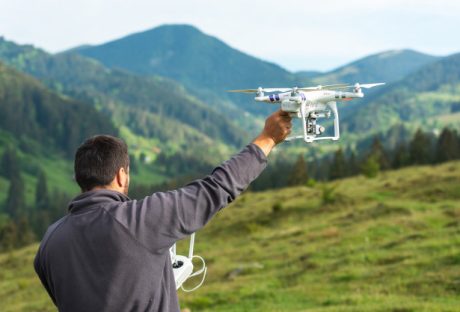
In the past few years, using drones for both commercials as well as leisure purposes is on the rise. Using drones for aerial photography is quite the trend and businesses can benefit from this incredible new technology in multiple ways.
No matter what the scale or size of your business, you can use drone photography to benefit it. In this article, we look at five industries or business niches, which can benefit significantly from using drone photography.
However, before we proceed to the list of industries, let us briefly discuss everything you need to know about Drone Photography.
Aerial and Drone Photography: What you should know
Drones are technologically sophisticated machines, which can fly. They can also be fitted with a number of add-on devices, including cameras, satellites, data recorders, etc., and can be highly useful.
Drone photography has taken off in recent years as one of the smartest ways to market and document your brand. It has been used in multiple sectors, ranging from agriculture to wedding photography.
From a brand perspective, aerial photography using a drone can help in-
Creating promotional marketing material to showcase the scale and size of the business.
Give people a sense of how big or small the physical location is of the business.
Create the appearance of a tech-first company not shy to use modern technology.
Gather assets for website, social media, etc. (online and offline promotions).
Communicate the progress of a real estate project or the scaling up of industrial spaces.
List of 5 Industries that can benefit from using Drone Photography
1. Real Estate-
Real Estate Developers and Promoters can look to use drone photography for showcasing their projects. This can be done for both projects which are ongoing, as well as for the ones, which have been completed. Showcasing the different complexes, amenities, gardens, artificial lakes, etc. can go a long way in making the project appear attractive in the eyes of potential buyers.
2. Manufacturing Businesses-
Most manufacturing businesses, especially the ones which are B2B have a tough time marketing themselves. This is where drone photography can help them show the size and scale of their factories. It can act as a great confidence-boosting mechanism for other vendors who want to partner with credible manufacturing units. Drone photography helps boost business.
3. Holiday Parks and Resorts-
The travel and tourism sector is all about visual appeal and attraction. Big holiday parks and resorts can use drone photography can show the major sights and sounds for potential consumers who are looking at options to plan their next holiday. This tech can help create a virtual experience for resort operators looking to woo new clientele.
4. Government Departments-
Big governmental projects like the construction of dams, highways, etc. require the preparation of status reports periodically. Drones can be a great asset for government departments who want to show real-time progress and detailed status reports to ministers and other lawmakers. While private players are taking the lead, governments should seriously look at adopting drone photography.
5. Agricultural Production-
Commercial farming is becoming one of the most lucrative businesses in the world. However, it also needs to market and advertise itself in front of governments, investors, and potential consumers. Using drones to capture the size and scale of such farms and their operations can help build a credible brand. It can allow boost confidence in the company and its products.
The Final Word
As a business owner or a high-ranking executive in any of the above stated five industries, you might want to look to the Melbourne skies for a local drone photographer near you. Not only will thins help take your business to the next level in terms of sales, but it will also sort your branding worries. Drone photography is still in its infancy and brands in the above-mentioned industries should look to benefit from the same before the competition increases.
Can you think of some other industries, which can benefit from using aerial and drone photography? List them down in the comments section below.
Read Also:
10 Must Haves for Travel Photography
Handy Tools for Outdoor Photography
Photography and Number of Techniques
Professional headshots and regular portraits may seem similar, as both are photography forms meant to capture an individual's likeness. However, the distinctions are crucial, particularly in a professional context.
A professional headshot is tailored to convey a person's professional identity and is often required for corporate profiles, business websites, and LinkedIn pages. These headshots are designed to create a strong first impression, showcasing the subject in a polished and approachable manner.
Conversely, a regular portrait captures a person in a more personal and artistic fashion, often reflecting their personality, lifestyle, or an artistic concept. Portraits are less rigid in styling, composition, and use of backgrounds, allowing for more creative freedom.
Portraits might be full-body shots or tightly cropped images set in various environments and with varying lighting and mood, contrasting with a professional headshot's usually consistent illumination and composition.
Key Takeaways
Professional headshots are curated for professional branding.
Portraits offer more freedom and are personal or artistic.
Lighting and cropping are key differentiators between the two.
Fundamentals of a Professional Headshot
Before exploring the key components of a professional headshot, it's important to understand that they demand precise technical execution, thoughtful composition, and careful attention to the portrayal of the subject.
Technical Aspects
Professional headshots stand out due to their exceptional lighting and focus, which require a photographer to make meticulous adjustments. The right lighting is crucial; it should illuminate the subject's features without harsh shadows or overexposure. A high-resolution camera is also essential to capture the detail needed for a headshot, ensuring that the final image is crisp with a clean focus.
Composition and Aesthetics
The framing and cropping in a professional headshot are deliberate, typically adhering to industry standards—such as the top of the shoulders and head being visible, with the subject's eyes positioned at or just above the center line. Backgrounds are simple and unobtrusive, highlighting the subject's conversation with the camera.
Subject Presentation
In a professional headshot, the subject’s presentation is key. Professional attire is recommended, and personal grooming is crucial. The subject’s expression is approachable yet authoritative, portraying confidence. The outcome is a portrait showcasing professionalism and character, suitable for professional contexts such as professional networking.
Impact of Headshots in Professional Settings
A professional headshot can be a cornerstone of a person's online presence, significantly influencing first impressions and branding effectiveness.
Online Professional Platforms
LinkedIn has become the quintessential online platform for professionals. A polished headshot here enhances a LinkedIn profile, signaling credibility and competence. It is the first element that captures attention, laying the groundwork for potential connections. On resumes, a professional headshot can differentiate a candidate, especially in industries where appearance and personality are integral, like sales or public relations.
A headshot is a critical tool for a casting director's selection process in entertainment. Actors and models must convey versatility and professionalism in a single image, often determining if they get considered for a role.
Corporate Branding and Marketing
In corporate contexts, professional headshots embody the ethos of the company. On corporate websites and business cards, they help build a personal connection with clients. Companies reinforce their brand and showcase their team's professionalism through consistent, high-quality headshots across various marketing materials.
Entrepreneurs utilize headshots to establish a personal brand, an invaluable asset in attracting partnerships and customers. Reflecting confidence and professionalism, headshots are crucial for entrepreneurs presenting themselves on business platforms and online profiles.
For businesses that want to ensure they portray high professionalism, partnering with a professional headshot studio is a strategic move. It presents a unified brand image that fosters trust and reliability.
Feel And Mood Of Portrait And Headshot
There is a massive difference between the mood and feel of portraits and headshots. When a headshot is taken professionally for business purposes, it will exude a jolly vibe. The aim of a headshot is to communicate a particular message to the viewers.
In other words, when a headshot of a particular person is captured, they communicate friendliness, trustworthiness, reliability, and many other good things. Usually, these types of headshots are used for LinkedIn profiles and business websites. The use of a headshot also depends on the field you are trying to achieve.
However, professional headshots do not have to be about bonhomie always. They can be shot in different ways to express toughness, concentration, and knowledge.
When it comes to a professional portrait, the outcome usually is very straightforward. The shot is taken craftily to complement a story or article. So, for a portrait shot, there is always a proper theme.
A professionally captured portrait expresses a lot of mood, and there is a lot of drama in those photographs. In a portrait, a subject does not look straight into the camera. The subject remains busy with some activities while the photographer captures them.
To cut a long story short, a portrait is about weaving a story and conveying that to others. A headshot, on the other hand, is about introducing yourself to others. A headshot is also suitable for communicating a message quickly.
The Lighting Setup Of A Portrait And A Headshot
Lighting plays a very crucial role in determining how a photograph will look. I have already discussed how the mood and feel of headshots and portraits differ.
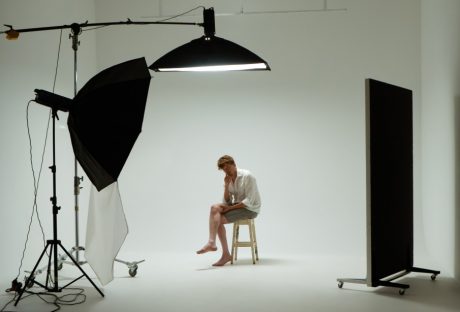
When a photographer captures a headshot, they will use big light modifiers. In the case of outdoor photoshoots, the photographer will use concrete or building pavements to get the headshots right.
Further, when a headshot is captured, the subject has less shadow. There is an absence of shadow to keep the overall look of the headshot pleasant. Once again, no drama is expected or required in a professionally captured headshot.
On the other hand, professionally captured portraits have a more dramatic lighting setup. The photographer has to create drama through the lighting setup. Also, keeping in mind the aesthetic appeal of a portrait, using conventional modifiers is often avoided in professional portraits.
Here are some other modifiers that are used in capturing professional portraits.
Color gels
Mirrors
Glass
To reiterate, lighting decides the mood and expression of a particular photograph. So, use the lights and modifiers according to the type of photograph you want to click and what you want to communicate.
The Use Of Lenses In Headshot And Portraits
When a professional headshot is captured, a photographer will usually use an 85mm or above long focal lens. Thanks to the use of a long-focus lens, there is hardly any facial distortion in headshots.
Lenses with a shorter focal length are used in clicking professional portraits. A photographer will use 24mm to 50mm lenses to depict the surrounding.
Conclusion
Professional headshots are distinct in both purpose and execution. They employ meticulous post-processing to ensure a polished yet natural look, incorporating adjustments like color correction and skin retouching.
The subject's engagement with the camera is direct, generally from the shoulders up, differentiating them from the broader scope of a portrait. Headshots provide a professional representation, focusing on clarity and simplicity, while portraits offer a more expansive narrative.
Read Also:
5 Corporate Video Production Styles
Photography and Number of Techniques
How to Best Photograph a Corporate Event