











How to Choose the Best Heat Pump for Your Home?

Best Heat Pump

Heat pumps serve dual purposes. They heat the home when it is cold outside and cool it when the temperature rises. These units are energy efficient and good for the environment because they don’t burn fuel. However, the homeowner needs to ensure they get the correct unit for the home. 

The Concept Of A Heat Pump 
The Concept Of A Heat Pump

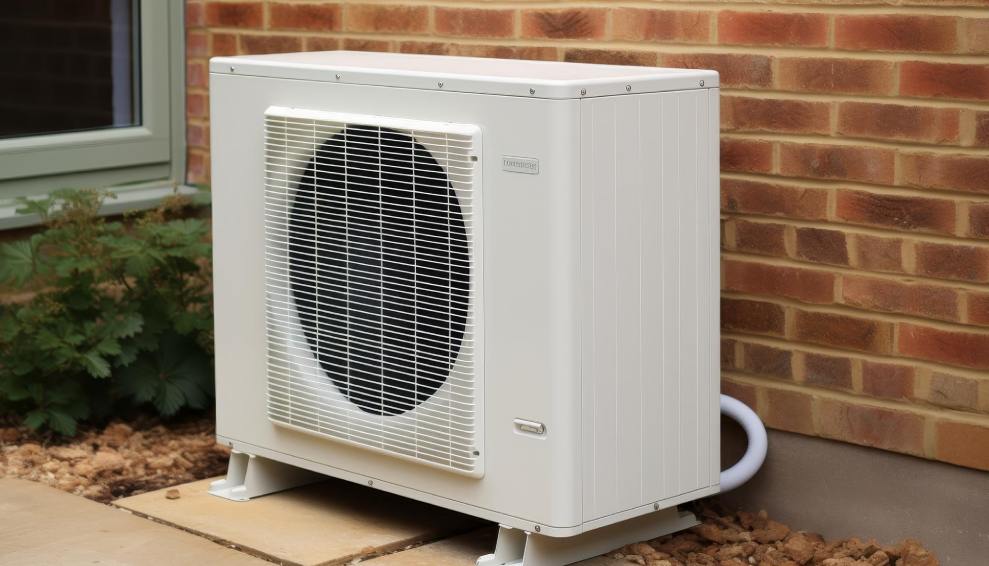
The heat pumps are becoming more and more popular these days. If you still don’t know about them and are trying to look for more information before buying a heat pump for your house, then you have landed yourself on the right page. 

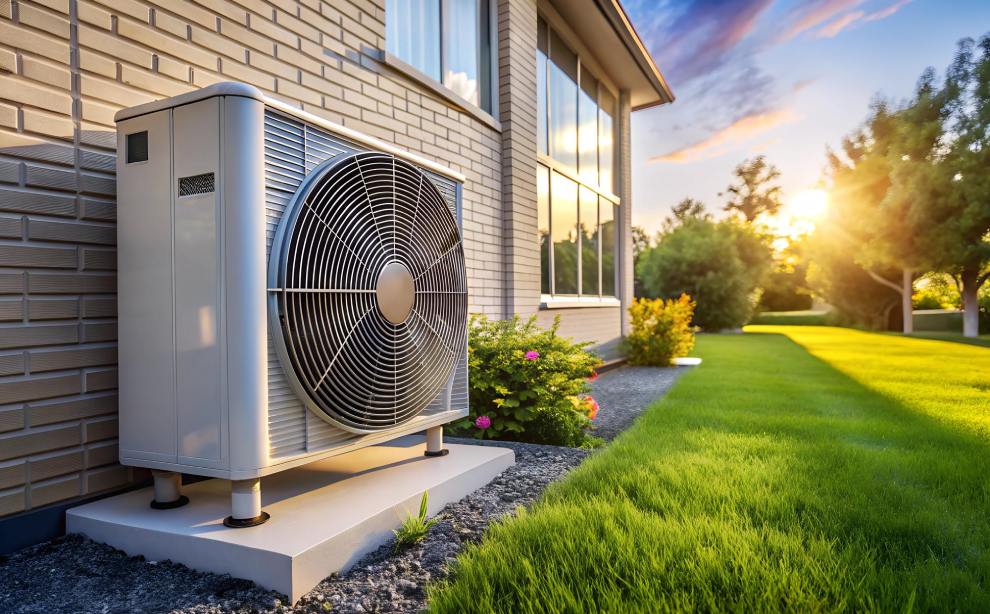
An electric air source heat pump is an outdoor unit. You can use this unit to keep your home both heat as well as cool your home. This totally depends on the weather. 

The heat pumps are a great alternative to your central air conditioner or your furnace systems. This technology is specifically used in a refrigerator or an air conditioner. The unit extracts heat from a specific source. 

It can be from the surrounding air, nearby sources of water, or eleven geothermal energy. Once it is done collecting the heat, it further amplifies it and then transfers it to the space where it is necessary.    

How Do Heat Pumps Work? 
How Do Heat Pumps Work

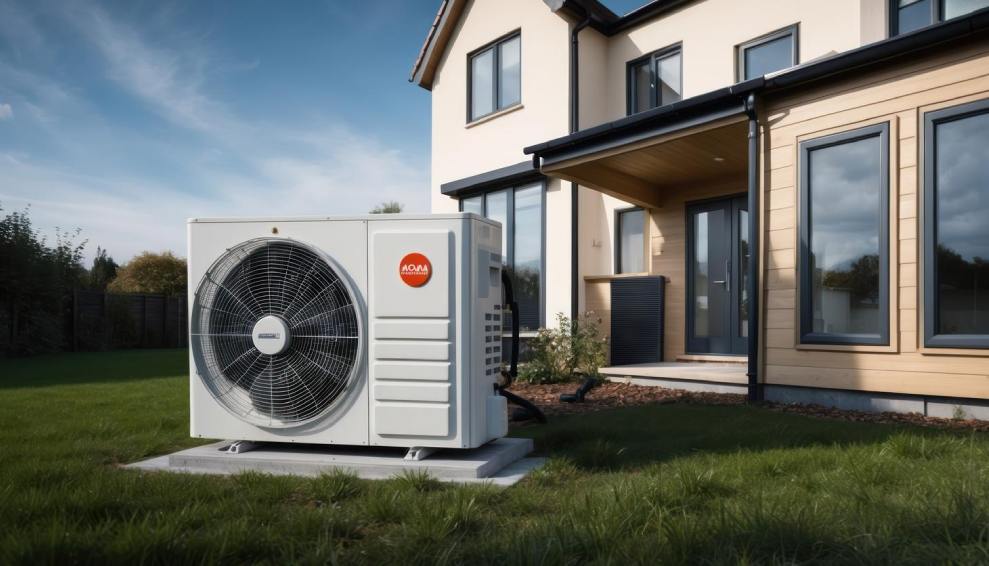
Most heat pumps pull heat from the air and move it to the desired location. When heating the home, the unit takes the hot air from outside and brings it indoors. When cooling the house, the unit removes hot air from the home and transfers it outside. 

They use less carbon than other heating options and work best when set at a consistent temperature. To see the optimal results, homeowners must ensure their houses are properly insulated and sealed. What else should they know before requesting a heat pump installation

Heat Pump Options

Air-to-air heat pumps are the most common air-source heat pumps used in America today. They come in two forms. 

Ducted air-source heat pumps function like central AC units. Treated air is distributed throughout the home with the help of ductwork. 

Ductless or mini-split air-source heat pumps are the second option, increasing in popularity. No ductwork is needed when a homeowner selects this option. However, other options exist. 

Geothermal heat pumps pull heat from the ground to warm a home and release heat into the ground to cool the house. 

These systems are highly efficient, but they often cost more to install. Water-source heat pumps are similar to ground-source units but are installed at the bottom of a pond. Air-to-water heat pumps use a hot-water radiator system to distribute heat throughout the home. 

The Benefits of Heat Pumps
The Benefits of Heat Pumps

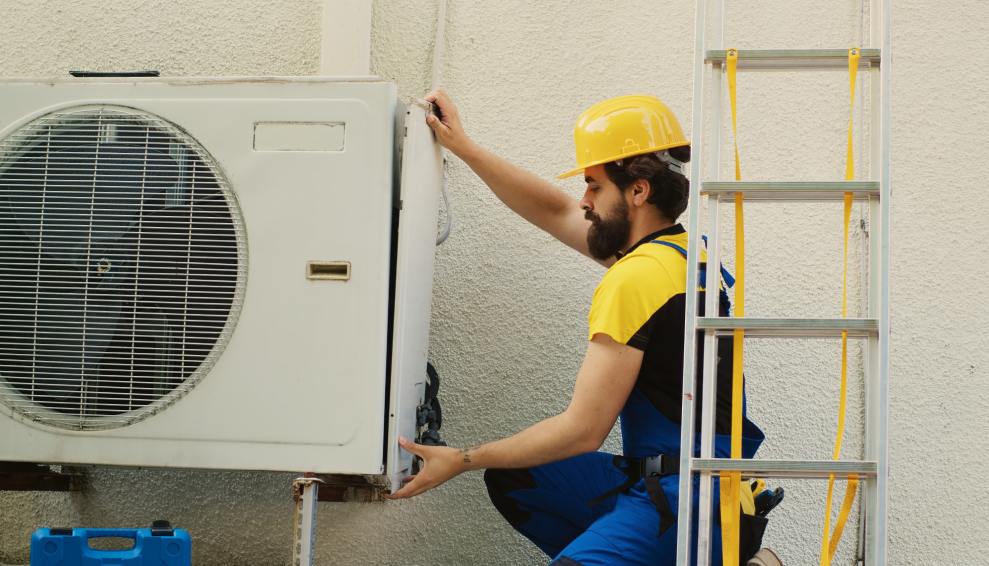
Heat pumps are easy to install and work in most homes. The mini-split system is ideal for those without ductwork because the house won’t have to be modified during installation. 

Moving to a heat pump will significantly reduce the owner’s carbon footprint, and many areas offer subsidies for those who choose to upgrade to this type of unit. 

Let’s learn about the benefits of the best heat pump: 

Energy Efficiency 

Many users have agreed that heat pumps show more efficiency than all traditional furnaces. These heat pumps help to move the heat from the outside air or ground into your home. 

As a result, you can easily save a lot of money on the overall energy bills. 

Improved Air Quality 

The heat pumps can both filter and then deodorize the air. This helps you to reduce allergies as well as asthma. 

Quiet Operation 

The heat pumps are an excellent choice for your home and businesses as they generate less noise and are typically quieter than the other systems.  

Easy Maintenance Process  

The heat pumps do not require much attention and are very simple to manage. It does not need regular servicing. 

P.S. Heat pumps can be expensive, and you may face difficulties installing the system. Otherwise, the system and its benefits make it a perfect long-term investment. 

When Not to Install Heat Pump?
When Not to Install Heat Pump

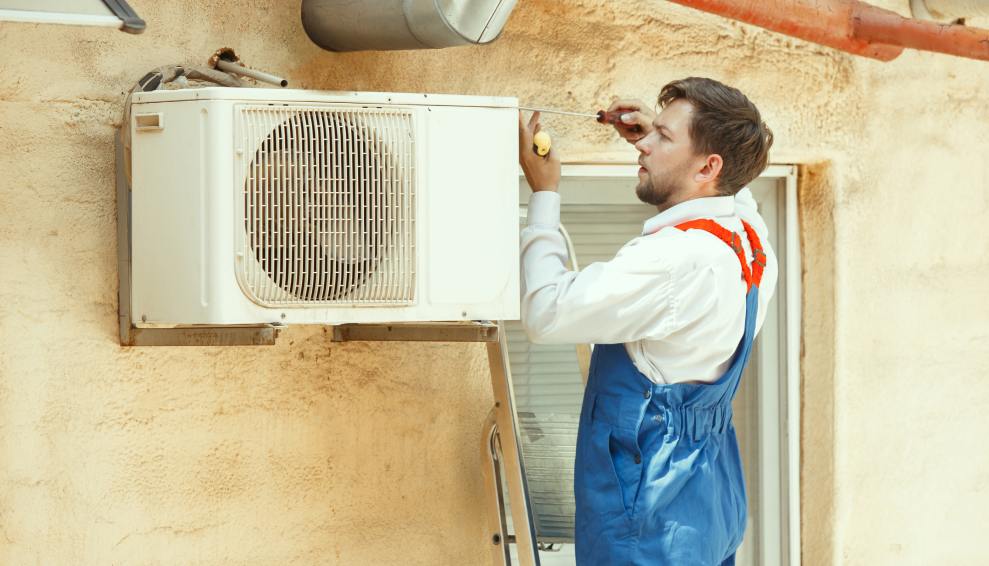
A poorly insulated home or a leaky one will not benefit from a heat pump because drafts and cold spots are often an issue. 

Homeowners must research their electrical service to ensure it can handle the heat pump load, as upgrading the electrical system to install this unit will add to the cost. 

Finally, individuals in cold climates may find their heat pumps cannot keep up. The Department of Energy has established eight climate zones for the United States. In zones 7 and 8, homeowners need to consider other options. 

Choosing a Heat Pump

Homeowners must consider several factors when choosing a heat pump. You must consider the size and capacity of your space. If you fail to choose the best heat pump of the proper size, it will cost more to run. Moreover, it won’t keep the home at the desired temperature. 

The determination of the right size heat pump involves two kinds of measurements: 

1. Manual J Load calculation 

      HVAC technicians widely use this specific kind of calculation. They consider certain factors that help them to understand how much heating and cooling your home needs before choosing the best heat pump. These factors are as follows: 

      • The square footage measurement of your home
      • Ceiling height 
      • Insulation of your house 
      • The climate type and the number of days you might need the heating or cooling 
      • How often the space is being used? 
      • The number of people who use the space
      • The total number of heat-producing appliances that you have in your room 
      • Number of windows and doors. 

      The technicians consider these values and further enter them into a formula to get the precise result. 

      2. Square Footage Calculation

        The calculator might seem a bit simpler, but it is not precise enough to calculate the required heat pump capacity. 

        For instance, if your total house space is around 1500 square feet, then you would need a 3-ton unit. BTUs, or British Thermal units further measure these ton units. 

        An experienced technician can help the homeowner determine the BTUs needed for the house.  

        Home size (sq. ft.)Size of the heat pump (in tons)Size of the heat pump (in BTUs)
        500 sq. ft.1-ton 12000 BTUs. 
        1500 sq. ft.3-ton36,000 BTUs
        2500 sq. ft.5-ton 60,000 BTUs

        Apart from these calculations, compressor type is important when choosing the best heat pump. Most homeowners choose a variable-speed compressor, which automatically adjusts to maintain the selected temperature. 

        Efficiency is also a consideration when choosing the best heat pump. Look for a high SEER rating to save on energy bills. 

        Learn about each unit’s climate performance and research the noise level. Finally, the reliability of each unit must be considered to ensure the heat pump will work when needed. 

        Once a heat pump has been selected, choose a contractor. Ensure they are trained to handle this task and have been in business for a while. 

        Doing so ensures best heat pump will be installed correctly, and help will be available if problems arise. When homeowners take these steps, they will have peace of mind knowing their unit will work when needed.

        Additional Reading:

        Content Rally wrapped around an online publication where you can publish your own intellectuals. It is a publishing platform designed to make great stories by content creators. This is your era, your place to be online. So come forward share your views, thoughts and ideas via Content Rally.

        View all posts

        Leave a Reply

        Your email address will not be published. Required fields are marked *

        Related

        Bugs

        Things to Take Care of to Keep Bugs Out of Your House

        Are you tired of bugs, insects, or pests in your house? Rather than critically thinking about how to get rid of them once, a bug has entered your home, go on offense to avoid them from entering. Mentioned below are different ways to prevent the bugs from entering the house. However, if the pest problem persists, contact Pointe Pest Control. Here are things to take care of to keep bugs out of your house: 1.   Trim any shrubs or trees that touch your home. This is one way to make sure that bugs don’t enter. Mulch in garden beds can be used as a safe house for bugs. So as opposed to using mulch in regions that touch your foundation, place less appealing ground spread, for example, rocks. 2.  Anything that interfaces your home to the outside should be looked at carefully: Windows, vents, funnels, stacks, and rooftop shingles are only a portion of the spots bugs will enter through. Fix whatever makes a potential passage point like torn window screens or damaged doors. On the off chance that you discover open spaces close to channels or vents, use caulk to fill little splits or steel wool for bigger holes. 3.  Some portion of what gives bugs a bum rap is that they incline toward messes. Keeping your home clean is the most ideal approach to ward bugs off, particularly the kitchen where scraps and other leftovers lurk. Regular cleaning should be done. What's more, on days you don't want to throw the garbage, make sure your dustbins are enclosed and food covered. Cockroaches love the smell of paper and detest light, so get rid of messy things where bugs can assemble, particularly things like piles of magazines, boxes or packs. 4. To lessen flying pests around entryways and windows, supplant mercury vapor lights with high-pressure sodium vapor or halogen lamps. Bulbs that have pink, yellow, or orange colors will be least alluring to the bugs. You should change the area of your light if plausible. While it is entirely expected to put lights on outside walls close to entryways, it is smarter to situate the light farther away from your home on a post. This will keep the vast majority of pests by the shaft. Simply ensure the light reaches the entryway to keep it well-lit for safety purposes. 5.  A few bugs, for example, rodents, have a magnificent sense of smell. Furthermore, if there's an open food compartment someplace in your home, chances are they will focus on it. Store nourishments, for example, oat and saltines, in reusable holders or resealable sacks if the packaging is not sealed. Make sure that you clear out your pantry all the time to dispose of ruined food or different things you don't want to eat. This will assist with limiting the attraction for any pantry bugs. These are some of the ways you can use to avoid bugs from even entering your house. You must use these methods before the pests attack instead of finding ways to kill them after they ruin your peace. Read Also: Ways to control and get rid of pests What you should expect from a pest control visit

        READ MOREDetails
        Pros And Cons Of Mini Splits For Cooling

        Pros And Cons Of Mini Splits For Cooling

        Today, the technology has so evolved that we are now talking about mini splits. If you do not know what mini splits are, then you are in luck as we will be discussing this innovation in this article. Our focus shall be on the pros and cons of using it. For those who may wish to know more about the history of ACs, you can read this article. What Are Mini Splits? Mini-splits are the ductless evolution of air-conditioners. They are called "splits" because they are designed into two different parts, an indoor unit and an outdoor unit. These two split the traditional cooling process of window units into two. What the outdoor unit comprises of are condenser coil, compressor and fan and while the indoor unit consists of a fan and an evaporator coil. These two units are linked by electrical wiring and a thin copper tubing to carry the refrigerant. For the system to work, the compressor located in the outdoor unit pushes the refrigerant through the copper tube to the indoor unit. Here, the cold copper tube exchanges the heat in the indoor space with cooler air which the fan blows into the space. Through this exchange, the refrigerant heats up and changes to a gaseous state and is then cycled back to the outdoor unit where it is cooled back to a liquid form. This cooling process takes place as the coil in the outdoor unit removes the heat absorbed from the indoor unit. Having been cooled, the compressor pushes it back inside and the cycle repeats over and over again. The Pros And Cons Of Mini-Splits Having described how these ACs work, we want to look at some pros and cons associated with their use. Like most things in life, regardless of how good they may be, it’s almost impossible not to have a few cons. Let’s start by looking at some of the Pros Pros There are obviously a lot of positives to using mini-splits for cooling your space. Some of the more common ones include the following: Ease Of Installation The design of this system makes its installation pretty easy. All you need is a small hole through which to pass the wiring and refrigerant tube. You then need to mount the indoor unit where you need it to be and do same with the outdoor unit. This is something that air conditioning services can send a single technician to install with ease, unlike the central cooling type that will require a lot of work and ducts. Quiet Operation Another benefit that you can enjoy with these ACs is their quiet operation. With the compressor and main fan located outdoors, its operational noise is drastically reduced. All you will hear indoors is the soft humming of the indoor fan spinning as it circulates the cooled air. Effective And Precise Cooling With the positioning of these mini splits, their cooling function is precise which is why it is usually positioned in strategic positions across the space. This allows different sections of a space to be cooled effectively. Energy Efficiency The power consumption of these units is far lower than what traditional HVAC units will consume. The savings you make from this can in the long run offset the initial high installation cost, giving you a great ROI. Health Benefits Every indoor unit has a filter installed. This filters the air, making it cleaner than it was. In addition to this, modern units come with ionization function that removes bacteria from the air, making it purer and healthier. Cons Now that we’ve looked at the benefits that these ACs offer, let’s also look at some of the cons that may come with their use. These include: Installation Cost The first con that you may come across is the initial installation cost. Unlike central systems, you will need to install these mini units in every space where you need the air cooled. The cost can add up, but like we noted above, the savings you will make from energy savings can make up for this initial cost over time. Aesthetic Value While these units are not necessarily unsightly, they have to be mounted where they are visible unlike the central variations that can be more discrete. There are however different designs that are marketed to make up for this. In fact, some have a frontal space where artwork can be mounted, making it look like a piece of artwork rather than an indoor cooling unit. Conclusion We’ve taken some time to explain what mini splits are and how they operate. We’ve also looked at some of the pros and cons that they offer. With this information, you can now decide if this is something you will love to install in your home or office space. Read Also : Know Why Content Marketing Is Important For SEO 4 Points To Consider When Creating A Great Content Marketing Strategy Today How To Deal With Debt By Doing Business Marketing Smartly?

        READ MOREDetails
        house painting

        5 Interior House Painting Tips

        Owning a house which you can modify according to your personal desire, is always something permanent and something incredibly profound. A home with well-painted walls and beams should tell the story of who you are and what you love. New paint with vibrant colors can change your mood, and make your home your favorite place to live in. Interior house painting can be a very intimidating and challenging task if you decide to take it upon yourself. You have two options, to either do it by yourself or hire a professional painting company to look over the project. If you opt with the first choice, these tips and techniques will help you to paint your own home, according to your likings, within a very friendly budget. When you want to paint your Boynton Beach home, be sure to give Gustafson Painting a call. The following steps are a guide on how to paint a house to meet your expectations: 1. Self Choosing Colors: The critical step, to begin with, is to choose a color which you like. Or at least you should have a good idea of what color combination suits your home, i.e. which colors you would like to paint to your rooms and which colors to paint washrooms, kitchen, etc. Select the color palettes and plan out which color combination gives your rooms the vibrant energy. Every color has its functions, e.g. Blue, green and purple are all relaxing colors. Moreover, other deep and shocking colors such as red, pink and yellow can be used in rooms which are mostly in use during the day, giving your rooms a lively, gaudy look. 2. Gathering Tools and Equipment: After this, you have to pick all the tools and equipment which are needed for painting the house; which includes sanding and scraping tools, wire brush, respirator, paint rollers, plastic sheets to cover the carpets and your valuable stuff, work gloves, drop cloth, ladder and scotch tape. This will ensure you are ready and won't have to leave your task in between, to search for something. 3. Repairing Damaged Parts: Once you have organized everything, the next step is to remove any dirt and dust buildups from the walls by using a pressure washer. After this, you can apply epoxy filler to cracks and fractures by using a putty knife. Allow it to let it dry. Once this is done, fill the gap around windows, doors, and ceilings to ensure a better coat of paint. When this is dried up, then feel the wall with your hand to ensure if there are any uneven spots left behind. Then, apply the primer to prepare the walls for paint when all damaged parts are repaired. 4. Brush the Walls: Before painting the walls with a roller, you should brush the walls. To brush the walls, mean to paint the corner of walls, ceilings, and trims. You can choose from paintbrushes which come in many shapes and sizes. The traditional method to paint the walls through brush is by the use of metal cans, which can be very difficult for you to carry along with the brush and can result in poor results. But nowadays, there are proper paint pails which will make the whole task a lot easier for you. 5. Ready to Paint Ahead! Finally, you are ready to paint with the rollers. But wait, before this you should mix a primer with paint to give a fresh and everlasting look. If you paint without using a primer, then the paint would peel off. For this, you have to scrap all the paint away, clean the surface before applying the first coat and after that, apply the second coat of your own choice. This is one way when you do not use a primer. But if you are using a primer with paint, then it will not cause any problem even if the first coat is not applied. And the most important order of painting as suggested by the experts of house painters in San Diego is that you should paint the trim first, then ceilings, and then walls. It will provide better adhesion throughout and will enhance the ability of the topcoat. Another pro tip is that don’t forget to open the windows and doors of your house during painting, as it provides better ventilation and the paint dries off quickly and efficiently. At the end of the painting, do the cleanup. Wash all the brushes and other stuff which you have used in the process. At last, give your house a final touch by placing all of the favorite furniture in place, to give your dream house a new look! With these interior house painting tips from the most experienced of the San Diego painting company, you will get pro results for your residence! Read Also: Find The Right Painters For Your Ann Arbor Home This Painting Season 5 Factors To Consider In Choosing The Right Floor Colors Roofing Painting Contractor Leads: Four Questions To Ask Before Hiring One

        READ MOREDetails