












10 Rights You Have as a Tenant That Your Landlord Won’t Tell You About

Published on: 25 January 2019 Last Updated on: 09 August 2019
Landlord

Whether you rent a fully-furnished property or an unfurnished property to fill with your own furniture, or you rent furniture, there are certain inalienable rights that Indian law grants you as a tenant.

Some of these rights pertain to your rights in negotiating the rental agreement, others offer protections during the rental for you and your furniture, for example, your couch or refrigerator on rent. However, in all scenarios, the law is on your side as the tenant and under no circumstances can your landlord breach these rights.

Fixation of Fair Rent:

As a contractual tenant, you are offered protections on the price you agreed to pay for the property rental. This means that during the contracted period, your landlord cannot unjustly increase the rental price.

If the landlord believes you are not paying enough rent for the property, he or she must approach the Rent Control Court to apply a fair rent to the property. The Rent Control Court dictates that fair rent is 9% of the total market value for the building.

Fit for Living:

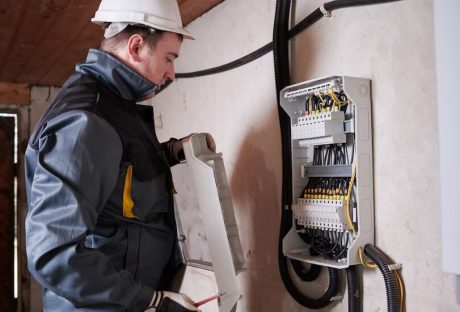
The tenant has the right to a property that is fit to be lived in. If the property becomes unsafe due to bad electrical wiring, and holes in the floor, or ceiling, the landlord must take measures to repair the property and ensure it is fit to be lived in.

Peace of Living:

As a tenant, you are entitled to peaceful living. This means the landlord cannot enter the rented property without prior notice and communication.

Essential Services:

The landlord cannot disconnect essential services like electricity and water. If your landlord is threatening to do this over late rent or any other dispute, inform them that you will approach the Rent Control Court and file a complaint against them.

Points of Contact:

The tenant must have the contact information, including telephone numbers, email addresses, and postal addresses of the landlord. The landlord is also available to contact at any time.

Unfair Eviction:

The landlord cannot evict a tenant without valid reasons. They must also inform the tenant as to what those reasons are.

There are only a select number of valid reasons for which a landlord can seek eviction. These are unpaid rental payments, the tenant subletting the property without the landlord’s consent, causing a nuisance, or if the landlord has plans to move into the property themselves.

Repairs:

The landlord is obliged to pay for any repairs to the property. If the tenant pays for any repairs out of their pocket, they are entitled to reimbursement from the landlord.

Deposit Return:

The landlord cannot withhold the security deposit without citing specific, valid reasons.

Building Energy Rating:

Before signing the tenancy agreement, the tenant must be able to access the property’s Building Energy Rating (BER). This is the rating which informs prospective tenants how energy-efficient the property is and is a reflection on how much heating and air conditioning bills might be.

Legal Heirs:

In the event of a tenant’s death, all of the legal protections afforded to that tenant are immediately passed to their legal heirs. This means the landlord cannot evict the legal heir of the deceased tenant without a valid reason.

Read Also:

Content Rally wrapped around an online publication where you can publish your own intellectuals. It is a publishing platform designed to make great stories by content creators. This is your era, your place to be online. So come forward share your views, thoughts and ideas via Content Rally.

View all posts

Leave a Reply

Your email address will not be published. Required fields are marked *

All Comments

Hey Ariana, Great post! I really enjoyed reading your insights on Rights You Have as a Tenant. You brought up some interesting points that I hadn't considered before. I especially liked the way you explained the topic on "rights in negotiating the rental agreement"– it made the concept much clearer for me. I also appreciate how you provided and explained certain inalienable rights, to further explore the topic. It's evident that you put a lot of effort into your research. Keep up the excellent work! Looking forward to more posts from you. Cheers!

Related

Real Estate Landscape in Worcester

Choosing the Right Real Estate Landscape in Worcester

The process of buying or selling a property can be both exciting and challenging, especially in a city as vibrant as Worcester. Whether you are a first-time buyer, a seasoned property investor, or someone looking to sell their home, choosing the right estate agent is a critical decision. Additionally, understanding the current market and available properties for sale in Worcester is equally important. In this comprehensive guide, we'll explore how to choose the right estate agents in Worcester and delve into the diverse array of properties available in this historic city. Choosing the Right Estate Agents in Worcester 1. Local Expertise Matters When selecting an estate agent, opt for one with a strong local presence and expertise in the Worcester property market. Local agents are well-versed in the nuances of the area, providing invaluable insights into property values, neighborhoods, and market trends. 2. Check Credentials and Reputation Research the credentials and reputation of potential estate agents. Look for accreditations, reviews from past clients, and any industry awards. A reputable estate agent with a solid track record is more likely to provide excellent service. 3. Tailored Services Consider estate agents that offer tailored services to meet your specific needs. Whether you're selling a property or searching for a new home, an agent who understands and accommodates your requirements will make the process smoother. Integrating a real estate agent CRM into their services ensures your unique needs are tracked and met with unparalleled attention to detail. 4. Transparent Fees Clearly understand the fee structure before committing to an estate agent. Look for transparency in fees and ensure that you are aware of any additional costs associated with their services. 5. Effective Communication Effective communication is key to a successful property transaction. Choose an estate agent who keeps you informed at every step of the process, providing updates on property viewings, offers, and negotiations. 6. Online Presence In today's digital age, a strong online presence is crucial. Evaluate an estate agent's website, online listings, and social media platforms. A well-maintained online presence reflects their commitment to marketing properties effectively. 7. Local Networks and Connections Estate agents with extensive local networks and connections can offer a competitive advantage. These connections can facilitate a smoother transaction process and provide access to off-market properties. Exploring Properties for Sale in Worcester Now that you understand how to choose the right estate agent, let's delve into the diverse range of properties for sale in Worcester. 1. Historic Charm in City Centre Worcester's city centre boasts a mix of historic and modern properties. From charming period houses along the River Severn to contemporary apartments, there's something for everyone in the heart of the city. 2. Peaceful Suburban Living If you prefer a more tranquil setting, Worcester's suburban areas offer a variety of family homes, often with larger gardens and proximity to reputable schools. 3. Riverside Retreats Properties along the scenic River Severn provide a unique and picturesque lifestyle. Riverside homes offer beautiful views and a peaceful ambiance while remaining conveniently close to the city centre. 4. Period Properties with Character Worcester is home to a range of period properties, including Tudor-style houses and Georgian residences. These homes exude character and charm, often featuring original architectural details. 5. Modern Developments For those seeking modern amenities, Worcester has seen the development of contemporary housing estates. These properties often come equipped with the latest conveniences and energy-efficient features. 6. Accessible Transportation Hubs Consider properties with easy access to transportation hubs, such as Worcester's two railway stations. Proximity to public transport can enhance convenience for daily commuting. 7. Potential for Investment Worcester's property market offers potential for investment, with a variety of properties suitable for buy-to-let opportunities. Conduct thorough research and work with your chosen estate agent to identify properties with good investment potential. Conclusion Choosing the right estate agents in Worcester and navigating the diverse properties for sale requires careful consideration and research. Whether you're drawn to the historic charm of the city centre, the tranquility of suburban living, or the riverside retreats along the Severn, Worcester has a property to suit every taste and lifestyle. By partnering with a knowledgeable and reputable estate agent, you can embark on your property journey with confidence, knowing that you have the expertise and support needed for a successful transaction in this captivating city. Read Also: Real Estate Agents In Dubai: Your Gateway To The Luxurious Property Market Your Toronto Real Estate Guide: Trends, Hot Spots And Key Players Wholesaling: Tips For Investors To Make It Big In Real Estate

READ MOREDetails
Installing Power Lines With Ease

The Ultimate Guide To Installing Power Lines With Ease

When it comes to installing power lines, it's important to have the right equipment and knowledge to get the job done right. From choosing the right conductor stringing equipment to understanding safety protocols, there are several steps to follow to ensure a successful installation. In this ultimate guide, we'll take you through the process step-by-step. Step 1: Choose The Right Conductor Stringing Equipment Before you begin the installation process, it's important to choose the right conductor stringing equipment. There are several types of equipment to choose from, including tensioners, pullers, and reel stands. You'll need to determine which type of equipment is best for your specific project, taking into consideration factors such as the size and weight of the conductor, the terrain of the installation site, and the distance between towers. Step 2: Plan Your Installation Route Once you've selected the appropriate conductor stringing equipment, you'll need to plan your installation route. This involves surveying the installation site, determining the location of towers and support structures, and selecting the best route for the power line. It's important to take into consideration any potential obstacles or hazards that may need to be avoided during the installation process. Step 3: Ensure Safety Protocols Are In Place Before beginning the installation process, it's crucial to ensure that all safety protocols are in place. This includes having the necessary safety equipment, such as helmets, safety glasses, and gloves, as well as implementing safety procedures such as grounding the conductor and using safety barriers. It's also important to ensure that all personnel involved in the installation process are properly trained and qualified. Step 4: Install The Power Line Once safety protocols are in place, you can begin the installation process. This involves stringing the conductor between towers using the selected conductor stringing equipment. It's important to follow the manufacturer's instructions for the equipment being used and to ensure that the conductor is properly tensioned and secured to the towers. Step 5: Conduct Quality Assurance Checks After the power line has been installed, it's important to conduct quality assurance checks to ensure that the installation was successful. This includes checking for any defects or damage to the conductor or towers, as well as conducting electrical tests to ensure that the power line is functioning properly. By following these steps and ensuring that the appropriate conductor stringing equipment is used, power line installation can be done with ease. With proper planning, safety protocols, and quality assurance checks, you can have a successful power line installation that will provide reliable power for years to come. Conductor stringing equipment is a crucial part of the power line installation process, as it allows for the safe and efficient installation of conductors. There are several types of conductor stringing equipment to choose from, each with its own unique benefits and specifications. By selecting the appropriate equipment for your specific project and following the installation steps outlined in this guide, you can ensure a successful power line installation that will provide reliable power for years to come. Read Also: Best Paying Jobs In Energy Is Energy A Good Career Path? – A Detailed Guide Everything You Need To Know About Mobile Solar Generators

READ MOREDetails
Assisted Living Facility

10 Essential Tips For Finding The Right Assisted Living Facility

Choosing an assisted living facility for yourself or a loved one is a big decision. And make no mistake, it's not easy. But with the right approach, you can find a place that feels like home.  Read on for ten essential tips to guide you through the process. 1. Start Early Don't wait for a crisis. For those who have decided to go about finding assisted living, begin your search well in advance.  This gives you time to explore options without pressure. You can visit multiple facilities and ask plenty of questions. Starting early means less stress and better decisions. 2. Determine Your Needs And Preferences Make a list of must-haves and nice-to-haves. Consider medical needs, lifestyle preferences, and social activities.  Do you need memory care? How about physical therapy? What about religious services or cultural programs? Knowing what you want helps narrow down your choices. 3. Location, Location, Location Think about proximity to family and friends. It matters. A convenient location means more visits and better support.  Consider the neighborhood, too. Is it safe? Are there parks or shops nearby? The right location can greatly improve the quality of life.  4. Assess The Staff Pay attention to the staff during your visits. Are they friendly and attentive? Do they seem rushed or stressed?  The quality of care often depends on the staff. Ask about staff-to-resident ratios and turnover rates. Happy staff usually means happy residents. 5. Check For Safety Features Safety is crucial in assisted living. Look for emergency response systems in rooms. Check for handrails in hallways and bathrooms.  Are the floors non-slip?  How about the lighting?  Don't forget to ask about their emergency procedures. A safe environment brings peace of mind. 6. Evaluate The Living Spaces Take a close look at the accommodations. Are they clean and well-maintained? Do they feel homey? Check out both private and shared spaces.  Look for storage options and accessibility features. Remember, this will be someone's home. It should feel comfortable and inviting. 7. Review The Services And Amenities Different facilities offer different services. Some provide basic assistance with daily living, while others offer extensive medical care.  Look into meal options, housekeeping services, and transportation. Don't forget about social activities and fitness programs. The right mix of services can greatly enhance quality of life. 8. Understand The Costs Assisted living can be expensive. Get a clear breakdown of all costs. What's included in the base rate? What costs extra? Ask about potential future price increases.  Check if they accept long-term care insurance or Medicaid. Understanding the financial aspect helps avoid surprises down the road.  9. Read The Fine Print Carefully review the contract before signing. Look at the admission and discharge policies. Understand the billing practices. Check the rules about visitors and overnight stays.  If something's unclear, ask for clarification. Don't hesitate to have a lawyer review the contract if needed. 10. Trust Your Instincts After all the research, don't ignore your gut feeling. Does the facility feel right? Can you picture yourself or your loved one living there?  Sometimes, intuition can guide you to the best choice. If something feels off, it probably is. Keep looking until you find a place that feels just right. Remember, finding the right assisted living facility takes time and effort. But it's worth it. The right place can provide comfort, care, and a sense of community. It can greatly improve the quality of life for seniors. So take your time, do your research, and make an informed decision. Your future self (or your loved one) will thank you for it. What Are The Advantages & Disadvantages Of An Assisted Living Facility Considering a move to an assisted living community? To make an educated decision, it’s important to understand the positives and negatives. Here, we lay out both sides of the equation. Pros Of Assisted Living One big advantage of this type of living is the peace of mind it provides. Knowing that help is always available.  Whether it’s with daily tasks like bathing, dressing, or managing medications can be incredibly reassuring. You or your loved one can maintain a sense of independence, while still having access to support when needed. Another perk is the sense of community. Residents can socialize with others through organized activities, communal dining, and shared spaces.  This can reduce feelings of loneliness and isolation, which is especially important for seniors. Wouldn’t it be nice to know that you or your loved one will be surrounded by peers and friendly faces? Facilities also have many on-site services that can really simplify your life. From housekeeping and laundry to meal preparation, these services free up your time for more enjoyable activities. In addition, many facilities offer fitness programs, transportation services, and even beauty salons or barber shops, which add a level of convenience and quality of life. Cons Of Living In An Assisted Living Facility On the flip side, there are a few potential downsides to consider. Firstly, the cost can be a major concern. Assisted living is typically expensive, and most insurance plans don’t cover it. Do you understand what the monthly fee does and doesn’t include?  Are there any additional services that require extra fees?  How will these costs deplete long-term savings? Secondly is the loss of independence. While help is available if needed or requested, some people find that the structured setting of assisted living feels restrictive or institutional to them.  Will you or your loved one chafe under new rules and schedules? Some seniors miss the freedom to come and go as they please in their own homes. Choose Wisely! Finally, not all facilities are created equal. Some may only be able to provide a certain level of medical care, requiring a move to another facility as health needs progress. Does the facility you’re looking at have the capacity to care for future health issues? Ultimately, it’s a very personal decision and one that should be based on your own preferences in addition to your financial resources and long-term goals. Visit different facilities, ask lots of questions, and go with your gut. You’ll know when you’ve found the right fit because it feels just right! In terms of a good fit between independence, support, and comfort. Read Also: All You Need to Know About Pool Maintenance Services Best Essential Tips While Renting a Warehouse in Mumbai Why do modern people prefer Coliving to other housing options?

READ MOREDetails